


Views: 241 Author: BorCart Publish Time: 2026-09-13 Origin: Site


Content Menu
● Why Route Planning Matters for South Bend Golf Cart Rides
● The Best Scenic Destinations Near South Bend
>> Mishawaka Riverwalk: River Views and Neighborhood Energy
>> Downtown South Bend and the East Race Area
>> Indiana–Michigan River Valley Trail Network
>> Rum Village Park: A Better Choice for a Park-and-Explore Visit
>> Pinhook Park and Other Quiet Green-Space Stops
● South Bend Golf Cart Rules: What to Check Before You Ride
>> Golf Cart Versus Low-Speed Vehicle
● Choosing the Right Electric Golf Cart for Local Mobility
>> Recommended Configuration by Use Case
● A Responsible Future for Golf Cart Recreation
>> Are golf carts allowed on South Bend trails?
>> Can I drive a golf cart on the Mishawaka Riverwalk?
>> What is the difference between a golf cart and a low-speed vehicle?
>> Do I need a driver's license to operate a golf cart in Indiana?
>> Are golf carts allowed on sidewalks or public bike paths?
>> What equipment should a golf cart have for local-road use?
>> What is the best season for golf cart outings around South Bend?
South Bend offers attractive riverfront views, neighborhood connections, and nearby parks—but a successful golf cart outing starts with route planning, local-rule checks, and respect for shared paths. Many of the area's best-known trails are designed primarily for walking and cycling, so riders should not assume that a golf cart is permitted simply because a path is paved or scenic.
For residents, visitors, and golf cart owners, the smartest approach is to separate places to enjoy by golf cart, places to reach by golf cart where local road rules allow, and trails best explored on foot or by bicycle after parking legally nearby. This guide covers the South Bend area's most appealing river, park, and urban destinations while helping you make safer, more responsible decisions before you drive.
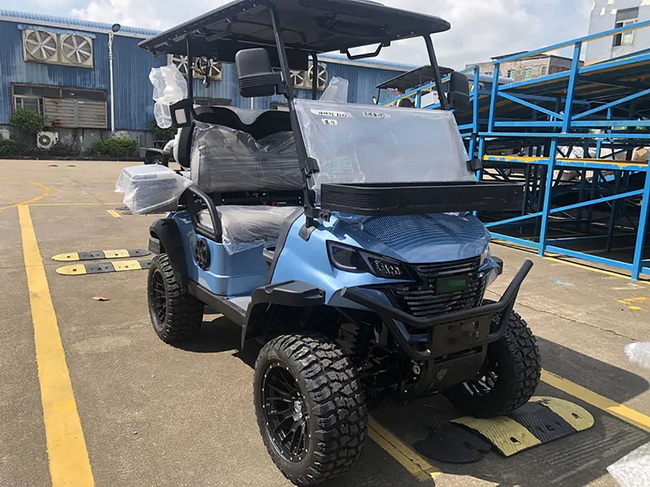
A golf cart can make short local trips more relaxed, social, and accessible. It is ideal for moving through private communities, resorts, campuses, golf facilities, large properties, and approved low-speed local streets. However, golf carts, low-speed vehicles, sidewalks, public bike paths, and park roads are not always treated the same under local rules.
That distinction matters in the South Bend area.
A typical golf cart is built for golf-course or controlled-property use. A road-going low-speed vehicle is a different category and generally requires specific equipment, such as lights, signals, mirrors, windshield, seat belts, and a vehicle identification number. Local governments can also set their own restrictions on where golf carts may operate.
Before choosing a destination, ask three simple questions:
1. Is this a public roadway, a private property, or a shared-use trail?
2. Does the responsible city, county, park authority, or property owner specifically allow golf carts there?
3. Does my vehicle have the equipment, insurance, registration status, and operator qualifications required for that use?
This planning step protects riders, pedestrians, cyclists, land managers, and the reputation of the golf cart community.
> Important: Do not treat a walking trail, bike path, riverwalk, park loop, or hiking route as golf-cart-accessible unless the controlling authority clearly permits motorized cart use.
The following locations offer some of the region's strongest scenery and recreation value. In most cases, they should be viewed as destinations to access through approved roads, designated vehicle areas, or nearby parking—not as automatic golf cart trails.
| Destination | What Makes It Worth Visiting | Best Experience | Golf Cart Planning Note |
|---|---|---|---|
| Mishawaka Riverwalk | St. Joseph River views, parks, bridges, public spaces, and dining nearby | Leisurely walk, cycling, riverfront stop, sunset visit | Confirm vehicle rules before riding near the trail; the Riverwalk is primarily for non-motorized recreation |
| East Race and downtown riverfront | Urban river views, public art, historic setting, cafés, and downtown access | Short city visit, sightseeing, dining stop | Use only streets and parking areas where your vehicle is legally permitted |
| Indiana–Michigan River Valley Trail network | Long regional trail connections, river corridors, parks, and varied landscapes | Walking, cycling, and multi-stop exploration | Plan this as a non-motorized trail experience unless a segment is expressly designated otherwise |
| Rum Village Park | Woodland setting, wildlife, hiking paths, and mountain-bike areas | Nature outing, picnic, hiking, birdwatching | Park vehicles must stay on roads or areas specifically designated for vehicle traffic |
| Pinhook Park area | Lake views, fishing, quiet green space, and picnic opportunities | Relaxed local park visit | Verify site-specific access rules and park parking arrangements before arrival |
The Mishawaka Riverwalk is one of the most recognizable scenic corridors near South Bend. It follows the St. Joseph River through a series of connected park spaces and provides access to bridges, public seating, river overlooks, and nearby businesses.
For a golf cart owner, the most realistic way to enjoy the Riverwalk is to treat it as a destination-based outing. If your cart or compliant low-speed vehicle can legally travel on the surrounding roadway network, plan a lawful route to a permitted parking location, then explore the Riverwalk on foot.
This approach offers several advantages:
- You avoid conflicts with pedestrians, runners, bicycles, and families.
- You can enjoy riverfront stops without worrying about narrow shared paths.
- You reduce the risk of entering an area where motorized vehicles are prohibited.
- You create a more comfortable experience for everyone using the public space.
The Riverwalk is especially appealing in late spring, summer, and early fall, when waterfront activity, outdoor dining, and evening light make the corridor feel lively. A sunset walk can be an excellent addition to a day that begins with an approved neighborhood or private-property golf cart ride.
The East Race area brings together the energy of downtown South Bend with the visual appeal of the St. Joseph River. It is a practical destination for people who want an urban ride experience rather than a remote nature setting.
The key word is destination, not trail access.
Downtown streets, intersections, parking rules, pedestrian crossings, and traffic volume require much more attention than a golf course or private community. Riders should carefully confirm whether their vehicle type is allowed on a particular street and whether local restrictions apply. A standard golf cart should never be assumed to have the same privileges as a properly equipped low-speed vehicle.
When planning a downtown outing, prioritize:
- Low-speed streets that are expressly permitted for your vehicle.
- Daytime riding with good visibility.
- Safe legal parking before visiting shops, restaurants, or riverfront areas.
- Routes that avoid high-speed roads, state highways, heavy truck traffic, and complicated crossings.
- A fully charged battery, since frequent starts, stops, lights, and accessories can affect range.
For commercial fleets, resort operators, and large-property managers, downtown-style use also highlights why vehicle configuration matters. A cart used near mixed pedestrian environments benefits from responsive braking, stable steering, effective lighting, mirrors, turn signals, and durable seating.
The Indiana–Michigan River Valley Trail system links scenic segments across the region, with river views, parks, neighborhood connections, and access points extending through northern Indiana and into Michigan. It is valuable because it helps visitors understand how the St. Joseph River connects communities rather than serving as only a backdrop.
The trail network is best suited to walking and cycling. That does not reduce its value to golf cart users; it simply changes the trip design.
A smart day plan may look like this:
1. Use a permitted vehicle route to reach a lawful trailhead or public parking area.
2. Park the cart where parking is allowed.
3. Walk or cycle a chosen trail section.
4. Return to the cart for a meal, shopping stop, or approved local-road ride.
5. Avoid driving the cart on public bike paths, sidewalks, or unapproved trail surfaces.
This mixed-mode plan gives you the best of both worlds: convenient local mobility and a closer connection to the river landscape.
For manufacturers and fleet buyers, this is also a reminder that recreational demand is shifting beyond the golf course. Buyers increasingly value electric vehicles that support resort movement, campuses, planned communities, warehouses, hotels, industrial parks, and large private developments. Still, the intended operating environment should guide the vehicle's design, safety equipment, battery specification, seating capacity, and suspension setup.
Rum Village Park provides a woodland escape on the south side of South Bend. Its hiking trails, nature setting, and mountain-bike facilities make it appealing for visitors who want a quieter experience than the riverfront or downtown areas.
It is not a place to assume that general recreational trails permit golf cart travel. South Bend park policies restrict vehicle operation within parks to roadways or off-road areas specifically designated for vehicular traffic. That makes Rum Village a strong example of why responsible riders should plan to park first, then explore.
Bring practical outdoor essentials:
- Drinking water.
- Seasonal insect protection.
- Weather-appropriate clothing.
- A small first-aid kit.
- A fully charged phone.
- A map or saved offline directions.
- A lockable storage solution for valuables left in the cart.
If you are visiting with older adults, young children, or passengers with mobility needs, contact the park or nature center before your visit. Ask whether accessible parking, mobility accommodations, or authorized vehicle access is available. Never assume that a personal cart can use a trail because it improves convenience.
Pinhook Park offers a calmer lakeside environment for picnicking, fishing, and taking a break from busier attractions. It can be a good stop for local residents testing a new cart on approved routes, families planning a low-key day, or visitors looking for a green-space destination within the broader South Bend area.
The appeal of these smaller parks is not speed or distance. It is ease: a short drive, a peaceful stop, and a chance to use the golf cart as a practical mobility tool rather than an off-road recreation vehicle.
For this kind of outing, a compact electric golf cart can be especially useful if it has:
- Comfortable suspension for uneven approved surfaces.
- Stable braking performance.
- Storage for blankets, fishing gear, groceries, or picnic supplies.
- Weather-resistant upholstery.
- Reliable battery capacity for several short trips in one day.
- Optional roof, windshield, rear seat, or utility box depending on use.
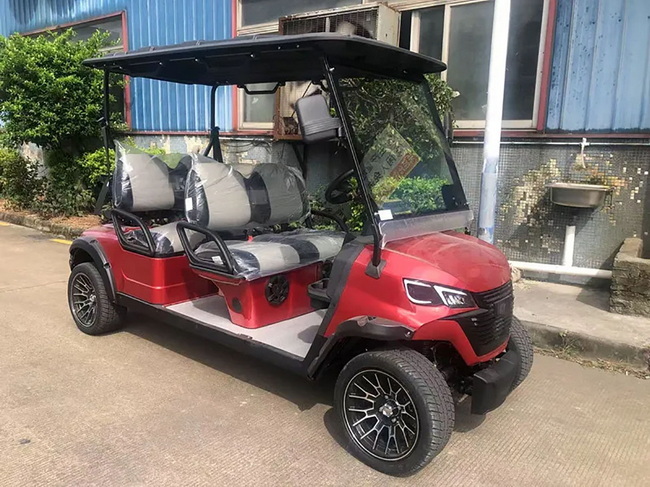
Rules can differ between the City of South Bend, St. Joseph County, nearby municipalities, private communities, and individual parks. They can also change over time. The safest practice is to verify the current ordinance directly with the jurisdiction that controls the road or property you plan to use.
In nearby county rules, golf carts and low-speed vehicles may be limited to certain public roadways with speed limits of 30 mph or less, while sidewalks and public bike paths are prohibited. County requirements can also include a licensed driver, proof of financial responsibility, seat belts, mirrors, turn signals, and restrictions on operating hours.
Do not assume those county provisions automatically apply within South Bend city limits. Confirm the specific authority for your route.
The difference between these vehicle categories is central to safe planning.
| Feature | Conventional Golf Cart | Road-Ready Low-Speed Vehicle |
|---|---|---|
| Typical use | Golf courses, private properties, controlled communities | Certain authorized public roads and private properties |
| Maximum speed | Often designed for low-speed recreational operation | Generally designed to operate within the federally defined low-speed vehicle range |
| Equipment | Varies widely by manufacturer and intended use | Typically requires specified lighting, signals, mirrors, windshield, seat belts, VIN, and other equipment |
| Road access | Depends heavily on local authorization | May be eligible for limited road use when properly equipped, titled, registered, insured, and locally permitted |
| Best buying focus | Comfort, battery range, cargo, seating, terrain capability | Compliance equipment, documentation, visibility, braking, and legal-use requirements |
A cart that looks street-ready may not actually meet all legal requirements. Decorative lights, aftermarket mirrors, or a horn alone do not convert a standard cart into a road-legal vehicle.
Use this checklist every time you plan a public-facing ride:
1. Confirm your route. Check the controlling local authority, posted signs, trail rules, and property regulations.
2. Inspect your battery. Start with a sufficient state of charge and know the realistic range under passenger load, hills, temperature, and accessory use.
3. Test brakes and steering. Make sure pedal feel, stopping response, steering play, and tire condition are normal.
4. Check lights and signals. Use headlights, brake lights, turn signals, and reflectors where required or appropriate.
5. Secure passengers. Carry only the number of passengers supported by factory-installed seating; all riders should remain seated.
6. Use seat belts where fitted or required. This is particularly important on roads, slopes, and uneven approved surfaces.
7. Carry essentials. Bring water, a phone, identification, proof of insurance if required, and a basic first-aid kit.
8. Drive defensively. Yield to pedestrians, keep speed low, avoid distractions, and never drive under the influence.
9. Respect weather. Rain can reduce traction, affect visibility, and create electrical risks if components are not properly protected.
10. Never enter an unclear trail. If signs are missing or the rule is uncertain, choose another route or contact the relevant authority.
A good local-mobility cart is not defined only by top speed or exterior styling. It should match the terrain, passenger profile, weather exposure, operating rules, and service needs of the end user.
For distributors, private-label brands, property developers, and fleet operators, the purchasing decision should begin with use cases.
| Use Case | Recommended Vehicle Features |
|---|---|
| Golf course operations | Turf-friendly tires, bag holders, durable seating, efficient battery system, easy service access |
| Resort and hotel transport | Quiet electric drive, premium upholstery, rear-facing seats, rain enclosure options, lighting package |
| Gated communities | Turn signals, mirrors, seat belts, storage, weather protection, reliable daily charging |
| Industrial sites | Utility bed, reinforced suspension, cargo capacity, safety beacon, durable tires |
| Tourism and sightseeing | Multiple seats, high visibility, comfortable suspension, shade roof, fleet-management options |
| Dealer retail line | Flexible colors, lithium and lead-acid options, accessory packages, branding customization |
For an OEM supplier, customization should go beyond color selection. Serious buyers often need support with seating layout, body design, wheel options, battery chemistry, controller settings, dashboard features, lighting packages, branding decals, packaging, spare-parts planning, and compliance documentation for their target market.
A manufacturer that understands these requirements can help overseas brands build a vehicle range suited to real-world use rather than selling a one-size-fits-all cart.
South Bend's river corridors, parks, and connected communities create many opportunities for relaxed outdoor exploration. The best experiences come from matching the vehicle to the setting.
Use golf carts on approved roads, private properties, golf courses, and designated vehicle areas. Treat shared trails and natural areas with care. Park legally, walk where appropriate, and give pedestrians and cyclists the space they deserve.
That approach makes golf cart ownership more sustainable, safer, and more welcome in the communities where people want to ride.
If you are a golf cart dealer, brand owner, wholesaler, resort operator, or project buyer looking to develop a customized electric vehicle line, BorCart can support OEM projects with configurable electric golf carts, sightseeing vehicles, utility vehicles, and parts solutions. Contact BorCart to discuss your market, vehicle specification, branding requirements, and target application.
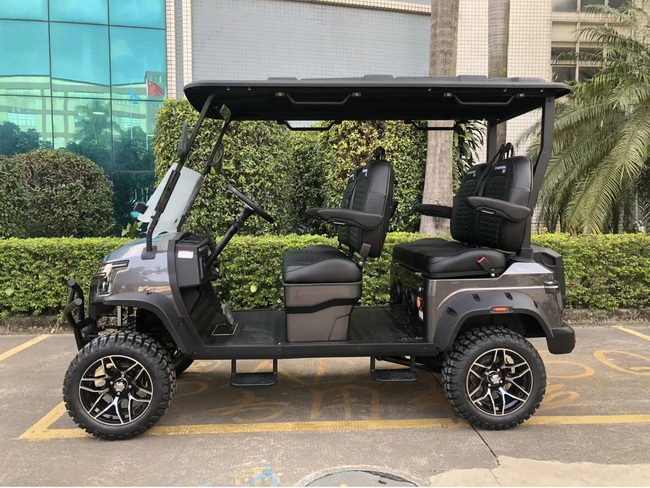
Do not assume so. South Bend's public trails are generally intended for walking and cycling, while city park policies restrict vehicle use to designated roadways or areas. Confirm the current rules with the responsible park or city authority before riding.
The Riverwalk is best treated as a walking, biking, and sightseeing destination. Available visitor information indicates that motorized vehicle access is limited, with small mobility devices for people with disabilities as an exception. Use approved roads and legal parking before exploring the Riverwalk on foot.
A conventional golf cart is primarily intended for golf-course or private-property use. A low-speed vehicle is a federally defined electric vehicle category that generally requires road-use equipment such as lights, signals, mirrors, windshield, seat belts, and a VIN. Road use still depends on local and state requirements.
Requirements can depend on the local jurisdiction and where the cart is used. In nearby St. Joseph County rules, drivers must be at least 16 and hold a valid driver's license when operating on eligible county roads. Always verify the requirements for your specific location.
They are often prohibited. For example, nearby county rules specifically prohibit golf carts and low-speed vehicles on public sidewalks and public bike paths. Never use these facilities unless the responsible authority expressly permits motorized cart access.
Requirements vary, but common safety equipment may include seat belts, brakes, turn signals, mirrors, headlights, taillights, brake lights, reflectors, windshield, and proof of insurance. A vehicle may also need to meet low-speed vehicle standards, registration requirements, and local operating restrictions.
Late spring through early fall usually offers the most comfortable conditions for riverfront visits, parks, and local sightseeing. However, weather can change quickly, so check temperature, rain, wind, daylight, and trail or road conditions before leaving.
- [City of South Bend: Walking and Biking Trails]
- [City of South Bend: Rum Village Nature Center]
- [South Bend Venues Parks & Arts: Park Vehicle Use Restrictions]
- [Indiana–Michigan River Valley Trail Information]
- [Mishawaka Riverwalk Visitor Information and Reviews]
- [Elkhart County Code: Golf Cart and Low-Speed Vehicle Use on Certain County Roadways]


