


Views: 256 Author: BorCart Publish Time: 2026-10-22 Origin: Site


Content Menu
● 1. Define Your Electric Cargo Vehicle Fleet Requirements
>> Map the Routes and Working Conditions
>> Measure Cargo, Not Just Vehicle Size
● 2. Compare Electric Cargo Vans Using a Consistent Specification Sheet
● 3. Evaluate Loaded Range and Battery Performance
>> Ask How the Range Figure Was Obtained
>> Match Battery Capacity to the Duty Cycle
● 4. Plan Fleet Charging Before Confirming Vehicle Quantities
>> Calculate Energy Demand and Charging Windows
>> Verify the Site and Equipment
● 5. Compare Total Cost of Ownership, Not Purchase Price Alone
>> Compare Cost per Completed Delivery
● 6. Assess OEM Customization and Manufacturing Consistency
>> Prioritize Functional Customization
>> Control Changes Before Production
● 7. Verify Compliance for the Destination Market
>> Check Documents Against the Ordered Vehicle
● 8. Run a Fleet Pilot with Defined Acceptance Criteria
>> Measure the Results That Determine Purchase Approval
● 9. Make After-Sales Support Part of the Contract
● 10. Structure the Large Fleet Order Around Approval Gates
● Discuss Your OEM Electric Cargo Vehicle Project with BorCart
>> What is the most important factor when choosing an electric cargo vehicle for a large fleet?
>> How much range should an electric cargo van have?
>> Should a fleet choose the largest available battery?
>> Is a customized OEM cargo van better than a standard model?
>> What should buyers verify before importing electric cargo vans?
>> How can buyers reduce risk in a bulk fleet order?
Choosing an electric cargo vehicle for a large fleet order starts with one question: can the vehicle complete your daily work reliably, legally, and at an acceptable operating cost?
For overseas brands, wholesalers, and manufacturers, the decision extends beyond battery capacity or unit price. A bulk purchase also requires consistent production, suitable customization, dependable spare parts, and clear responsibility for destination-market compliance.
My starting point for evaluating any fleet proposal is operational fit. A vehicle that looks competitive in a quotation may become expensive if it cannot carry the required load, recharge between shifts, or receive timely repairs.
This guide explains how to compare electric cargo vans, assess OEM suppliers, and structure a large fleet purchase around measurable requirements rather than brochure promises.
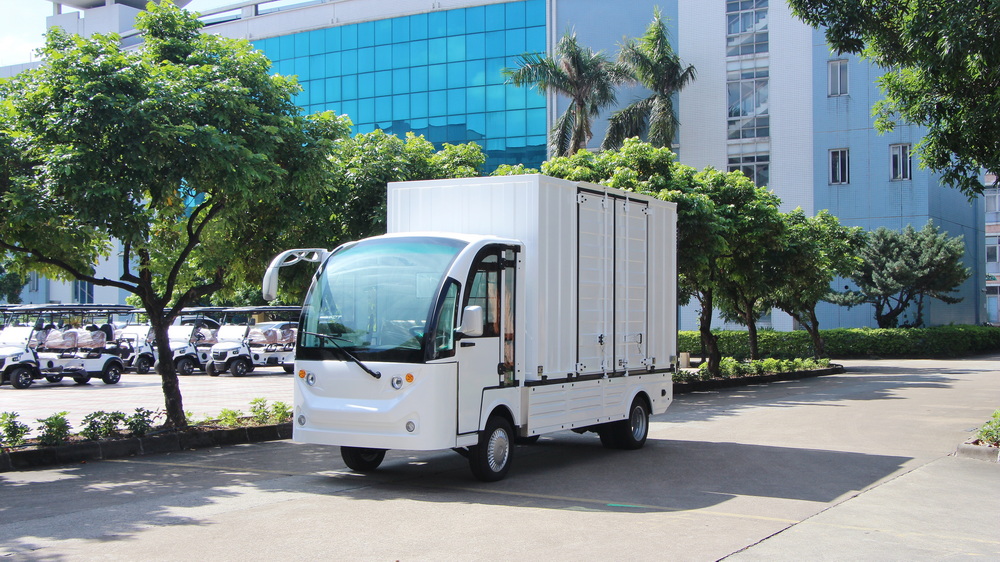
Before requesting quotations, prepare a written operating brief. Without one, suppliers may quote different configurations, making apparently similar prices impossible to compare.
Document the conditions that determine whether a vehicle can complete its assigned work:
- Daily distance, including the longest regular route.
- Number of stops and typical stop duration.
- Urban traffic, gradients, road surfaces, and restricted access.
- Seasonal temperatures and parking conditions.
- Available charging time between shifts.
- Expected mileage and planned ownership period.
Separate predictable depot-based routes from variable assignments. A vehicle that suits scheduled warehouse deliveries may not suit emergency dispatches with uncertain distances.
Also distinguish public-road operation from private-site transport. An enclosed electric cargo vehicle should not automatically be treated as a road-approved delivery van.
Record both cargo weight and cargo dimensions. A vehicle can run out of space before reaching its weight limit—or exceed its permitted weight while cargo space remains available.
Include drivers, passengers, shelving, tools, accessories, and body modifications in your loading assessment. Confirm how each supplier defines advertised payload.
For parcel delivery, door access and loading speed may matter as much as cargo volume. For industrial components, floor strength, load restraint, and axle loading deserve closer attention.
A standardized comparison sheet helps procurement teams distinguish relevant capabilities from attractive but incomplete specifications.
| Evaluation area | Information to request | Procurement purpose |
|---|---|---|
| Payload | Rated capacity and calculation basis | Confirm practical carrying capability |
| Cargo compartment | Internal dimensions and door openings | Check actual product fit |
| Battery | Usable capacity and warranty terms | Assess route suitability and risk |
| Range | Test method, load, temperature, and speed | Understand operating assumptions |
| Charging | AC/DC capability, connector, and charge curve | Match vehicles to infrastructure |
| Safety | Braking, stability, visibility, and restraints | Evaluate suitability for intended work |
| Compliance | Approval documents for the proposed variant | Verify destination-market eligibility |
| Service | Manuals, diagnostics, parts, and repair support | Assess downtime exposure |
Require suppliers to identify the exact configuration behind every specification. Battery size, body design, tire selection, and optional equipment can change the comparison.
Do not assume that a feature shown in a photograph is included in the quotation. Attach the agreed specification to the purchase contract.
The most useful range figure is not the longest advertised distance. It is the distance your vehicle can cover under representative working conditions while retaining a suitable operating reserve.
Request the test conditions behind the quoted range:
- Vehicle load and accessory configuration.
- Ambient temperature.
- Average speed and route profile.
- Heating, cooling, and auxiliary equipment use.
- Starting and ending battery charge.
- Laboratory testing or real-world route testing.
Treat missing conditions as an information gap, not evidence of superior performance.
A practical evaluation should include heavier working loads, demanding routes, and the temperature conditions relevant to your market.
A larger battery is not automatically the best procurement choice. Evaluate additional capacity against purchase cost, vehicle mass, usable payload, charging requirements, and the operational value of extra range.
For preliminary planning:
Required usable energy = route distance × measured energy consumption + operating reserve.
For example, a hypothetical 120-kilometer route consuming 0.24 kWh per kilometer requires 28.8 kWh before reserve allowances. These are illustrative assumptions, not BorCart specifications or verified customer results.
Replace assumptions with pilot measurements before approving the final battery configuration.
Charging infrastructure belongs in the vehicle purchase plan, not in a separate project started after delivery.
Research on depot charging shows why fleet schedules, charging strategies, and electricity distribution capacity need to be evaluated together. The published studies concern heavier vehicles, so their numerical findings should not be transferred directly to cargo vans. The planning principle remains relevant: assess vehicles and infrastructure as one operating system.
Estimate the daily energy requirement for the complete fleet. Then assess how much charging time is available and whether vehicles return together or in staggered groups.
Using the illustrative route above, 50 vehicles would require 1,440 kWh of battery replenishment after comparable daily operation, before charging losses.
Spread evenly across eight hours, this represents an average battery-side charging requirement of 180 kW. Actual site demand depends on losses, charging behavior, other electrical loads, and operational constraints.
This example is a planning exercise, not an infrastructure design.
Before committing to a bulk order, confirm:
1. Available electrical capacity and upgrade requirements.
2. Parking layout, cable reach, and charger protection.
3. Connector and communication compatibility.
4. Charger scheduling and monitoring arrangements.
5. Maintenance responsibility and fault response.
6. Backup procedures when charging equipment fails.
Involve the local utility, installer, and qualified electrical professionals early. A compatible charging connector alone does not prove that a complete charging system will operate as required.
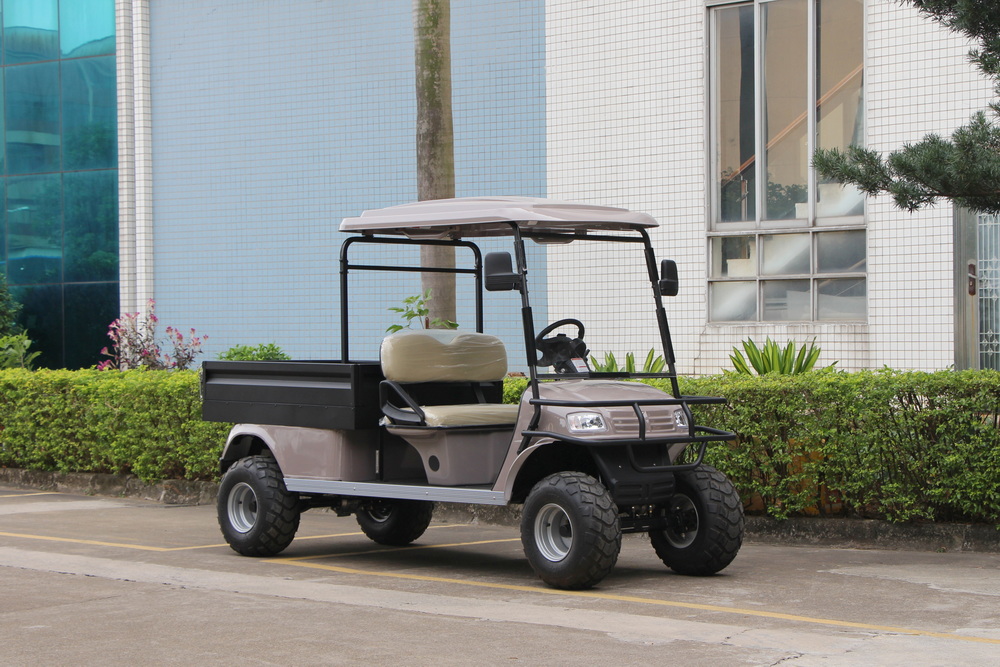
A low unit price can hide expensive infrastructure, limited repair support, or excessive downtime.
Build a total cost of ownership model using assumptions specific to your fleet:
Total ownership cost = acquisition + infrastructure + financing + energy + maintenance + downtime − residual value.
Include freight, duties, insurance, local preparation, training, and any required certification work.
For delivery operations, cost per kilometer may not capture the full commercial picture. A vehicle with unsuitable cargo access or insufficient capacity could require additional trips.
Useful measures include:
- Cost per completed delivery.
- Cost per route or shift.
- Vehicle availability during scheduled service.
- Cargo moved per operating hour.
- Charging-related delays.
- Cost of replacement vehicles during repairs.
Run conservative and favorable scenarios. Electricity prices, annual mileage, residual value, and repair assumptions should remain visible rather than being buried in a single savings percentage.
For brand owners and distributors, an OEM electric cargo van order is both a vehicle purchase and a product-development project.
Start with modifications that solve a documented operating need:
- Cargo partitions, shelving, or mounting points.
- Door arrangements and loading access.
- Lighting, visibility, and protective features.
- Climate control or auxiliary power requirements.
- Driver interfaces and fleet-management integration.
- Branding, trim, and market-specific presentation.
Ask how each modification affects vehicle weight, payload, energy use, serviceability, and approval requirements.
Avoid unnecessary variation across the fleet. Standardized configurations can make purchasing, training, and spare-parts planning easier.
Agree on a configuration-freeze date and a formal change process.
The approved specification should identify the battery, controller, motor, charger interface, body equipment, software version, and critical components.
Require written approval for substitutions that could affect performance, safety, compatibility, or repair procedures.
A sample vehicle is only useful if the production fleet follows the same approved configuration.
Never accept "export-ready" as a substitute for market-specific documentation.
Confirm the vehicle category, intended use, registration pathway, and required approvals before placing a large fleet order.
In the European Union, Regulation (EU) 2018/858 establishes an approval and market-surveillance framework for relevant passenger vehicles, goods vehicles, trailers, and associated components intended for public-road use. Applicability depends on classification and the proposed vehicle configuration.
Ask for documents tied to the exact model and variant being purchased. A certificate for a component, another vehicle model, or a different body configuration may not establish eligibility for your order.
Work with a qualified local compliance specialist to verify:
- Whole-vehicle approval requirements.
- Component and electrical safety documentation.
- Lighting, braking, and other applicable requirements.
- Import and registration procedures.
- Responsibility for modifications and documentation.
Complete this review before paying for tooling or approving mass production.
A pilot should answer purchasing questions, not simply demonstrate that the vehicle moves.
Include representative routes, heavier loads, different drivers, and demanding conditions within the intended operating envelope.
| Pilot measure | What to record |
|---|---|
| Route completion | Whether scheduled work finishes without disruption |
| Energy use | Consumption by route, load, and conditions |
| Charging | Time, interruptions, compatibility, and replenished energy |
| Cargo handling | Loading time, access, restraint, and usability |
| Driver feedback | Visibility, controls, seating, and maneuverability |
| Reliability | Faults, downtime, and repair response |
Set acceptance criteria before the pilot begins. For example, require completion of specified routes with an agreed remaining charge, acceptable loading times, and no unresolved safety-critical defects.
Record feedback as observed results. Do not convert a short demonstration into an unsupported claim of long-term reliability.
For a large electric vehicle fleet, service arrangements should be negotiated alongside price and delivery.
Request clear information on:
- Vehicle and battery warranty coverage.
- Exclusions, claim evidence, and approval procedures.
- Parts pricing and expected supply lead times.
- Diagnostic access and technical manuals.
- Technician training and escalation contacts.
- Responsibility for labor, transport, and failed components.
Battery warranty terms deserve particular attention. Confirm whether coverage addresses defects, capacity retention, or both, and how claims are measured.
Also agree on an initial spare-parts package. Select items according to service requirements and expected failure exposure rather than purchasing an arbitrary assortment.
A phased purchasing process reduces uncertainty before the largest financial commitment.
Use the following sequence:
1. Issue a detailed request for quotation.
2. Review technical, commercial, and compliance documents.
3. Approve the sample configuration.
4. Complete the operational pilot.
5. Resolve defects and freeze specifications.
6. Approve production and inspection arrangements.
7. Release vehicles in agreed batches.
8. Review deployment performance before expanding.
Define acceptance evidence, payment milestones, inspection rights, and remedies for nonconforming vehicles in the contract.
Delivery dates should also account for configuration approval, production, inspection, shipping, and local preparation—not only factory completion.
BorCart manufactures electric vehicles, including cargo vans, and automotive components for overseas brands, wholesalers, and manufacturers seeking OEM cooperation.
To begin a useful discussion, send your destination market, intended application, fleet quantity, cargo requirements, daily route distance, charging conditions, and preferred customization.
Ask BorCart to propose a configuration for technical review, sample evaluation, and commercial discussion. Confirm specifications, approval responsibilities, delivery arrangements, and after-sales commitments in writing before authorizing production.
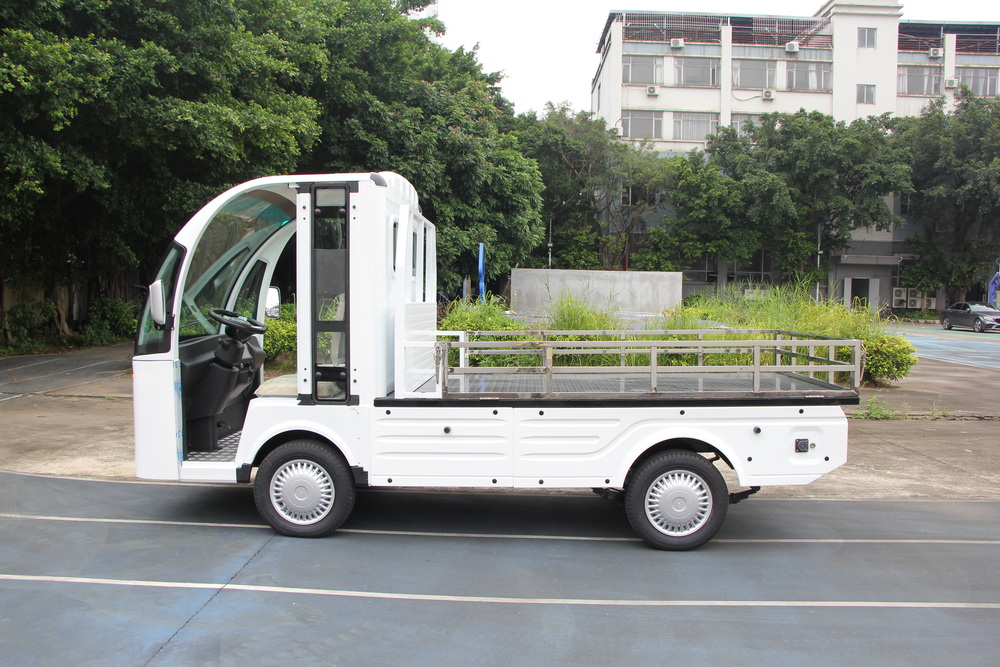
The starting point is whether the vehicle can complete the required work. Verify cargo fit, legal operating eligibility, loaded range, charging availability, and service support before comparing purchase prices.
Use representative route measurements and allow an agreed reserve for operational variation. There is no universal range requirement. Route distance, cargo load, temperature, driving conditions, and auxiliary equipment all influence the decision.
Not automatically. Compare the operational benefit of additional energy capacity with its cost, weight, charging implications, and potential effect on payload. Pilot testing should guide the final selection.
Customization is valuable when it solves a specific workflow or branding requirement. A standard configuration may be preferable when it already meets operational needs and simplifies procurement, maintenance, and deployment.
Verify the exact vehicle classification, approval documents, registration pathway, charging compatibility, shipping arrangements, warranty terms, and parts support. Use qualified local specialists for destination-market compliance.
Use a documented specification, representative pilot, configuration freeze, production inspections, phased deliveries, and contractual acceptance criteria. Resolve compliance and service responsibilities before mass production.
1. National Renewable Energy Laboratory. *Heavy-Duty Electric Fleet Depot Charging Load Profiles & Substation Load Integration Assessment Results.* Dataset supporting the discussion of depot charging demand, fleet schedules, and electrical infrastructure planning. This research concerns heavy-duty vehicles; its numerical findings should not be applied directly to electric cargo vans. [data.nlr]
2. National Renewable Energy Laboratory. *Perspectives on Charging Medium- and Heavy-Duty Electric Vehicles.* Presentation supporting the discussion of depot charging, vehicle duty cycles, and coordinated fleet infrastructure planning. The vehicle categories differ from light commercial cargo vans. [iea.blob.core.windows]
3. European Parliament and Council of the European Union. *Regulation (EU) 2018/858 of 30 May 2018 on the Approval and Market Surveillance of Motor Vehicles and Their Trailers, and of Systems, Components and Separate Technical Units Intended for Such Vehicles.* Official legal source supporting the discussion of EU vehicle approval, market surveillance, and configuration-specific compliance checks. [eur-lex.europa]


