


Views: 212 Author: BorCart Publish Time: 2026-08-08 Origin: Site


Content Menu
● Enclosed Sightseeing Bus vs Open Buggy: The Core Difference
● Why Climate Changes the Vehicle Decision
● Passenger Comfort and Experience Design
>> The enclosed sightseeing bus experience
● Weather Reliability and Revenue Protection
● Cold-Climate Electric Vehicle Planning
● Comparing Total Operating Value
● A Practical Fleet Strategy: Use Both Vehicle Types
● Design Specifications That Matter Most
>> For enclosed sightseeing buses
● How to Choose the Right Vehicle
● Partner With BorCart for Climate-Adapted Electric Vehicles
● FAQ
>> 1. Is an enclosed sightseeing bus better than an open buggy for rainy weather?
>> 2. Can an open buggy operate in cold climates?
>> 3. Does cold weather reduce electric sightseeing bus range?
>> 4. What passenger capacity should a sightseeing bus have?
>> 5. Which vehicle is better for resorts?
>> 6. What custom options should overseas buyers request?
For tour operators working in rainy, windy, or cold destinations, the choice between an enclosed sightseeing bus and an open buggy affects far more than vehicle appearance. It shapes guest comfort, route reliability, fleet utilization, operating costs, driver workflow, and the reputation of the travel experience.
Having worked with electric vehicle buyers serving resorts, scenic parks, campuses, and destination projects, I have seen the same pattern repeatedly: an open vehicle can be highly attractive in ideal weather, but an enclosed sightseeing bus often protects revenue when the climate is unpredictable. The right decision should come from route conditions, passenger profile, local weather, daily operating hours, and the commercial value of keeping tours running every month.

An enclosed sightseeing bus is a multi-passenger electric shuttle with a roof, full or partial side enclosure, doors or weather curtains, and optional heating, ventilation, windshield defogging, and wipers. It is designed to move groups in greater comfort when weather conditions are less forgiving.
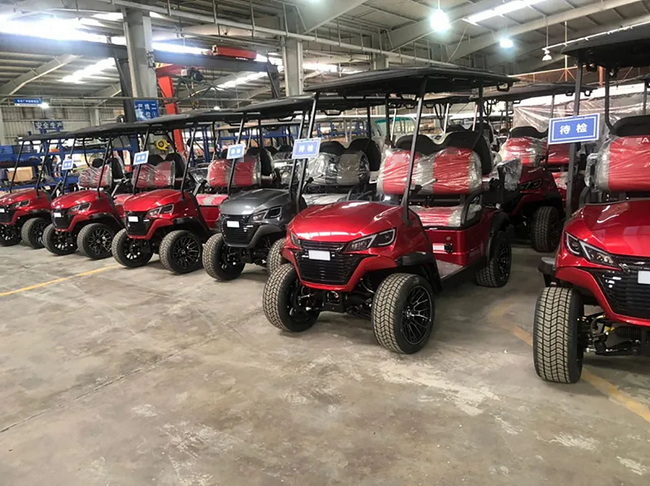
An open buggy is a compact, open-sided electric passenger vehicle. Depending on the configuration, it may have a canopy roof, windshield, side curtains, and two to eight seats. It offers a closer connection to the environment and is often preferred for short, scenic, low-speed routes in warm climates.
The difference is not simply "closed versus open." It is a decision between operational continuity and immersive exposure.
| Decision Factor | Enclosed Sightseeing Bus | Open Buggy |
|---|---|---|
| Rain protection | Strong protection from rain and splashing | Limited; depends on canopy, curtains, and passenger clothing |
| Cold-weather comfort | Can support heating and reduced wind exposure | Wind chill can quickly reduce comfort |
| Scenic experience | Protected viewing through large windows | Direct, open-air experience |
| Passenger capacity | Often better for group transport | Better for small groups, VIP trips, and flexible stops |
| Route suitability | Long loops, airport-style shuttles, daily transport | Short scenic loops, golf resorts, villas, private tours |
| Weather-related cancellations | Usually lower | Often higher in rain, wind, or low temperatures |
| Cleaning after wet weather | More interior surfaces to maintain | Less enclosed space, but seats and floor may get wet |
| Branding potential | Broad body panels for graphics and route information | Stylish but smaller visible branding area |
Tour planners sometimes select vehicles based on a sunny-day photo rather than a full-year operating model. That approach can create a gap between the promised experience and the real guest journey.
In rainy climates, an open buggy can expose passengers to sideways rain, wet seats, road spray, and slippery entry points. In cold climates, the issue becomes more serious. Wind moving through an open cabin can make a mild temperature feel uncomfortable within minutes, especially for children, older visitors, international travelers, and passengers with limited mobility.
An enclosed sightseeing bus does not remove every weather-related challenge. However, it gives the operator greater control over the passenger environment. Protected seating, doors, glazing, ventilation, and optional heating can turn a marginal-weather day into a normal service day.
For an operator, that control is valuable because a cancelled tour does not only lose ticket revenue. It can also create refund processing, staff downtime, poor reviews, rescheduling pressure, and damage to partner relationships with hotels or travel agencies.
A well-designed enclosed sightseeing bus is particularly suitable for guided tours lasting 20 minutes or longer. It allows passengers to remain seated and attentive rather than trying to shield themselves from rain or cold air.
Key comfort features can include:
- Full windshield and side glazing for panoramic visibility
- Windshield wipers and demisting capability
- Sealed or semi-sealed passenger doors
- Weather-resistant seating materials
- Interior lighting for late-afternoon and evening operations
- Heating options for cold destinations
- Ventilation or sliding windows for transitional seasons
- Non-slip floor materials at boarding zones
The goal is not to isolate passengers from the landscape. The goal is to preserve the view while removing the discomfort that distracts from it.
For heritage districts, wildlife parks, mountain attractions, botanical gardens, lake resorts, and large winter events, an enclosed sightseeing bus can provide a more inclusive experience. Guests can take photos, listen to guides, and travel with bags, cameras, umbrellas, or children without constantly managing the weather.
An open buggy excels when the destination itself is the main attraction. It creates an immediate sense of freedom, especially in beach resorts, golf communities, tropical properties, vineyard routes, and private estate tours.
It is often a strong option when:
- Routes are short and frequent
- The climate is consistently warm
- Passengers expect an open-air experience
- The terrain is narrow or highly landscaped
- The operator needs flexible point-to-point movement
- Small-group service is part of the brand positioning
An open buggy can feel more personal than a larger shuttle. It can also support premium experiences, such as private villa transfers, sunset tours, wedding transportation, or guided property inspections.
However, weather accessories should be viewed as risk reduction, not a complete substitute for enclosure. A canopy, windshield, and roll-down side curtains improve practicality, but they do not provide the same thermal comfort or rain control as an enclosed passenger compartment.

The strongest argument for an enclosed sightseeing bus in a wet or cold market is not luxury. It is service reliability.
A sightseeing business must calculate how many operating days are affected by rain, strong wind, low temperature, snow, or sudden weather changes. Even if a route remains physically safe, passengers may choose not to board an open buggy because the experience feels unpleasant.
Consider a scenic park that operates daily. If an open buggy fleet loses service demand during rainy weekends, shoulder seasons, or cold mornings, its annual utilization may fall below the level expected during purchasing. An enclosed sightseeing bus gives the operator a better opportunity to continue running scheduled departures and maintain predictable capacity.
This matters especially for fixed-schedule transport:
- Hotel-to-attraction shuttle loops
- Airport, parking, and resort transfers
- Guided park circuits
- Large event transportation
- Theme-park guest mobility
- Campus visitor transport
- Property-development site tours
In these applications, passengers value certainty. They need to know that the vehicle will arrive, stay dry, and deliver them comfortably.
Cold temperatures affect more than passengers. They can also influence battery efficiency, charging behavior, cabin energy demand, tire performance, and route planning.
For electric sightseeing fleets, operators should avoid relying on warm-weather range figures alone. A vehicle that performs well on a flat summer route may deliver lower usable range in winter when it must power heating, defrosting, lights, and battery temperature management.
A practical planning rule is to evaluate the route under the most demanding realistic conditions:
1. Identify the coldest regular operating temperature.
2. Include passenger load, hills, stops, and door-opening frequency.
3. Add the expected use of heating, lighting, wipers, and defogging.
4. Reserve a battery buffer instead of planning every route to maximum stated range.
5. Confirm charging time between shifts and overnight.
6. Test the fleet on the shortest route first during the first cold season.
7. Record actual energy use before expanding service schedules.
Preconditioning can also improve operations. By warming the battery and passenger compartment while the vehicle is connected to power, operators can preserve more onboard energy for the route. Indoor or covered parking can further reduce exposure to low temperatures and protect charging connections.
Purchase price is important, but it should not be the only comparison point. A lower-cost open buggy may appear more economical until weather interruptions, replacement trips, reduced passenger demand, and seasonal downtime are included.
| Cost or Value Area | Enclosed Sightseeing Bus | Open Buggy |
|---|---|---|
| Initial investment | Usually higher | Usually lower |
| Per-trip passenger capacity | Often higher | Usually lower |
| Year-round service potential | Strong in wet and cold markets | Best in warm, dry conditions |
| Heating and enclosure complexity | Higher | Lower |
| Seasonal demand volatility | Generally lower | Can be significant |
| Premium private-tour appeal | Moderate to high | High in suitable weather |
| Fleet scalability for group routes | High | Moderate |
| Weather disruption risk | Lower | Higher |
The best commercial choice depends on how the vehicle earns money. If revenue comes from reliable daily passenger movement, capacity and comfort usually matter more than open-air styling. If revenue comes from exclusive, short-duration leisure trips in a warm destination, the open buggy may create more emotional value per ride.
In many projects, the answer is not to choose only one type of vehicle. A mixed fleet can provide the most resilient model.
For example, a resort may use enclosed sightseeing buses for airport arrivals, rainy-day property shuttles, group excursions, and evening restaurant transfers. It can use open buggies for premium villa guests, golf-course movement, sunny-day scenic tours, and staff mobility.
This approach gives the operator a stronger response to seasonal changes without forcing every journey into the same format.
A balanced fleet can include:
- Enclosed sightseeing buses for high-capacity, all-weather routes
- Open buggies for experiential and short-distance travel
- Utility carts for maintenance and luggage movement
- Backup vehicles for peak periods or maintenance downtime
- Shared charging infrastructure planned around actual shift schedules
For overseas brands and distributors, this also creates a stronger product portfolio. Instead of selling one standard vehicle, they can offer customers a climate-adapted mobility package.
When sourcing an enclosed sightseeing bus for rainy or cold climates, buyers should look beyond seat count and body color. Small engineering decisions can have a major effect on guest satisfaction and maintenance workload.
Prioritize:
- Effective windshield wipers and washer system
- High-visibility defogging and ventilation
- Water drainage around doors, steps, and roof channels
- Anti-slip entrance flooring
- Durable seals around windows and doors
- Weather-resistant wiring and protected connectors
- Heating capacity matched to passenger volume
- Wide door openings for easy boarding in winter clothing
- Corrosion-resistant hardware for coastal or wet environments
- Service access for heaters, wipers, lighting, and battery systems
Prioritize:
- Strong canopy and correctly designed drainage
- Clear windshield with wiper option where needed
- Roll-down side curtains or removable weather panels
- Marine-grade or water-resistant seat materials
- Raised floor and drainage provisions
- Non-slip boarding surfaces
- All-weather tires appropriate for wet terrain
- Lighting for cloudy days and early sunset periods
- Secure storage for guest bags, umbrellas, and guide equipment
These features should be discussed at the quotation stage, not added as an afterthought. An experienced OEM manufacturer can adapt seating layout, battery capacity, heating provision, body color, logos, wheel and tire selection, lighting package, and weather equipment around the intended market.
Use this five-question purchasing test before selecting an enclosed sightseeing bus or open buggy.
1. How many days each year involve rain, cold, or strong wind? If weather affects a large portion of the operating calendar, enclosure has greater commercial value.
2. How long is the average passenger journey? Short rides can tolerate more exposure. Longer journeys require better protection.
3. Who are the passengers? Families, seniors, hotel guests, international tourists, and group travelers generally place a higher value on comfort.
4. Is the vehicle a transport tool or part of the attraction? Open buggies can strengthen an experiential brand. Enclosed buses strengthen dependable mobility.
5. What happens if a route is cancelled? If cancellations create significant lost revenue or customer dissatisfaction, prioritize a weather-ready vehicle.
BorCart supports global brands, wholesalers, and project operators with OEM electric vehicles for golf, sightseeing, hospitality, tourism, community transport, and specialty fleet applications. With configurable electric golf carts, sightseeing buses, utility vehicles, and passenger shuttles, the team can help match vehicle design to real route conditions rather than a generic specification.
If your market faces frequent rain, cold seasons, coastal moisture, or changing weather, share your passenger capacity, route distance, terrain, daily operating hours, and local climate requirements. BorCart can help you develop an enclosed sightseeing bus, open buggy, or mixed-fleet solution that keeps your operation moving throughout the year.
Yes, in most commercial tour operations. An enclosed sightseeing bus offers better passenger protection from rainfall, wind, wet road spray, and damp seating conditions, making scheduled service easier to maintain.
It can, but it is generally best for short trips or days with mild weather. A roof, windshield, curtains, and weather-resistant seats can improve usability, but they cannot fully prevent wind chill.
Yes. Battery temperature management, cabin heating, defogging, lighting, and other auxiliary loads can reduce usable driving range. Operators should plan routes using cold-weather operating conditions rather than ideal-weather figures.
The appropriate capacity depends on route demand, boarding frequency, terrain, and local regulations. Larger vehicles are often better for hotels, attractions, parks, and shuttle loops, while compact buggies are more suitable for small groups and narrow routes.
Many resorts benefit from both. Enclosed sightseeing buses support airport transfers, group tours, and wet-weather transport, while open buggies provide stylish short-distance movement for guests, villas, golf areas, and sunny-day experiences.
Useful options include private-label branding, body color matching, battery selection, heating provision, side curtains, windshield wipers, upgraded lighting, seating materials, tires, suspension tuning, passenger doors, and market-specific safety equipment.
- U.S. Department of Energy, Alternative Fuels Data Center. [Electric Vehicles for Fleets] — fleet duty-cycle planning, charging infrastructure, cold-weather and auxiliary-load considerations. [afdc.energy]
- U.S. Department of Energy. [Winterizing Your Electric Vehicle] — covered parking, preconditioning, cold-weather charging, and heat-pump guidance. [energy]
- Joint Office of Energy and Transportation. [Cold Weather Impacts on Electric School Buses] — cold-weather range considerations, battery and cabin preconditioning, insulation, driver training, and route analysis. [afdc.energy]
- BorCart. [Golf Cart Factory & Manufacturer] — BorCart electric vehicle range, OEM capabilities, configurable fleet applications, and manufacturing background. [borcart]


