


Views: 222 Author: Leah Publish Time: 2026-01-08 Origin: Site


Content Menu
● What Controls Electric Golf Cart Speed?
● Safety and Legal Considerations First
● Step 1: Optimize Your Existing Electric Golf Cart
● Step 2: Speed Controllers, Modes, and Limiters
● Step 3: Battery System Upgrades and Voltage Choices
● Step 4: Motor and Controller Performance Packages
● Step 5: Tires, Gear Ratios, and Mechanical Efficiency
● Step 6: Weight, Balance, and Chassis Setup
● Step 7: Practical Driving Tips to Feel Faster
● Step 8: Visual Demonstrations and Educational Content Ideas
● Step 9: Why Work With Professionals?
● FAQ
>> 1. How fast can a stock electric golf cart go?
>> 2. What is the most cost‑effective way to make an electric golf cart faster?
>> 3. Is it legal to remove or bypass the speed limiter on my electric golf cart?
>> 4. Will upgrading to lithium batteries really make my electric golf cart faster?
>> 5. Do I need to upgrade the motor and controller together for better speed?
You can absolutely make an electric golf cart faster through a combination of maintenance, electronic tuning, and hardware upgrades, provided you remain within local safety and legal limits. With a smart, step‑by‑step plan, many owners successfully move from typical 12–15 mph stock speeds to 20–25 mph or more while keeping their vehicles reliable and enjoyable to drive.[1][2]
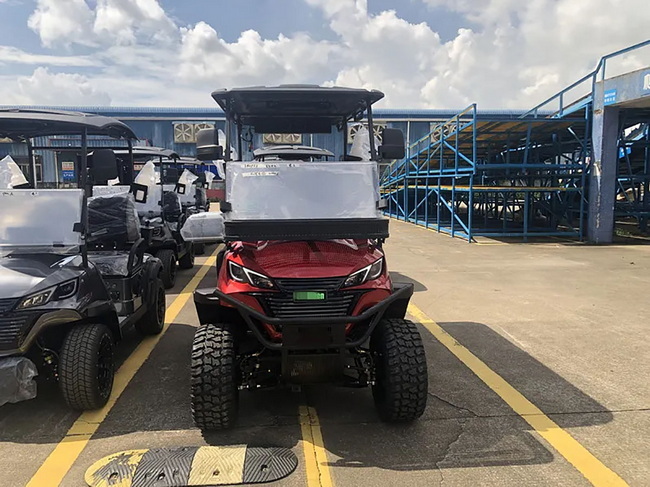
The speed of an electric golf cart is determined by how efficiently electrical energy is converted into mechanical motion at the wheels. Several key components work together to decide how fast your cart can ultimately go in real‑world conditions.[3][4]
Main factors affecting speed include:[1]
- Battery system: Voltage level (36 V vs 48 V and beyond) and overall battery health.
- Motor design: Wound for torque, speed, or a compromise of both.
- Speed controller: Limits current and sometimes enforces a programmed speed cap.
- Gear ratio and tires: Larger tires and “taller” gears can raise top speed.
- Weight and drag: Passenger load, accessories, and body design influence acceleration and maximum speed.
Most stock electric golf cart models for golf courses are designed to run around 12–15 mph, while personal transport and neighborhood models may be programmed closer to 19–20 mph from the factory. These limits are chosen to protect components, maximize battery life, and comply with common low‑speed vehicle regulations.[5][6]
Before modifying an electric golf cart for higher speed, it is essential to understand the safety and legal framework in your area. Many regions legally classify golf carts or low‑speed vehicles by their top speed, and crossing a certain threshold may move your cart into a more tightly regulated category.[6][7]
Key points to keep in mind:[8]
- Public‑road limits: In many places, electric golf cart speed on public streets is capped around 15–25 mph.
- Equipment requirements: Higher‑speed classifications usually require lights, mirrors, reflectors, seat belts, and possibly wipers and turn signals.
- Insurance and liability: Modifying your electric golf cart beyond factory specifications may affect insurance coverage or liability in accidents.
- Warranty concerns: Bypassing speed limiters or installing non‑approved performance parts can void manufacturer warranties.
A responsible upgrade plan treats safety components—such as brakes, tires, and suspension—as equally important to raw speed increases on any electric golf cart.[4]
Before investing in major hardware upgrades, extracting the best performance from your current setup is the smartest place to start. Over time, poor maintenance and minor issues can make a once lively electric golf cart feel sluggish and underpowered.[9][4]
Practical optimization steps include:[1]
- Tire pressure checks: Maintain tire pressure at the manufacturer's recommended level to reduce rolling resistance and improve speed.
- Brake inspection: Make sure the brakes are not dragging, and that cables, linkage, and pads move freely.
- Battery maintenance: Clean corrosion from terminals, tighten connections, and ensure all cells are properly charged and balanced.
- Cable and connection check: Replace frayed or undersized cables to avoid voltage drop when your electric golf cart is under heavy load.
- Weight reduction: Remove tools, bags, or aftermarket accessories that are rarely used but add unnecessary mass.
Often, these small changes alone can restore several mph of lost top speed, improve acceleration, and extend the usable range of your electric golf cart.[4]
The electronic speed controller is the “brain” that modulates power flow between the battery pack and the motor in an electric golf cart. Many modern carts are delivered with several software‑based speed modes or levels that can be set by a dealer or technician.[3][1]
Common controller‑related strategies include:[1]
- Reprogramming speed modes: Some electric golf cart brands support configurable modes such as “golf,” “street,” or “private property,” each with different maximum allowed speed.
- Raising speed caps: Dealers can sometimes remove conservative factory caps (within legal limits) using handheld programmers or software.
- Throttle calibration: Ensuring the throttle sensor correctly reports full pedal travel prevents artificial power reductions at wide‑open throttle.
- Aftermarket controllers: High‑current performance controllers offer more torque and top speed when paired with compatible motors and batteries.
While reprogramming a controller can be a cost‑effective way to make an electric golf cart faster, it must be done within safe electrical limits for the existing motor and battery system.[8]
The battery pack is central to both speed and endurance in any electric golf cart, and its characteristics directly influence torque and top speed. Aging or low‑quality batteries may sag under acceleration, causing loss of power even if the motor and controller are capable of more.[5][9]
Several upgrade paths are common:[5]
- Quality replacement batteries: Upgrading to premium deep‑cycle batteries of the same voltage can reduce internal resistance, delivering more stable voltage under load.
- Voltage upgrades: Moving from a 36 V system to a 48 V system, when properly supported by the motor and controller, can produce noticeable gains in acceleration and higher potential top speed.
- Lithium conversions: Lithium iron phosphate (LiFePO₄) packs are lighter, maintain voltage better, charge faster, and often improve both acceleration and sustained speed under heavy load.
When voltage is increased, it is crucial that every component in the electric golf cart—controller, motor, solenoid, and wiring—is rated for the new level to avoid overheating or failure.[10]
For significant performance gains, many owners eventually move to matched motor and controller kits designed specifically for higher output in an electric golf cart. These packages specifically balance torque and top speed to keep the cart versatile and reliable across different terrains.[2][3]
Advantages of matched performance kits:[3]
- Higher horsepower: More powerful motors allow your electric golf cart to climb hills and carry heavy loads without bogging down.
- Increased current capacity: Upgraded controllers allow higher current flow, which translates into stronger acceleration and higher possible top speed.
- Optimized tuning: Many kits include custom programming for smoother throttle response, better regenerative braking, and improved thermal protection.
- Better reliability: When designed as a system, motor, controller, and cabling are less likely to be overstressed.
Well‑chosen performance upgrades can make an electric golf cart capable of speeds in the mid‑20s mph while still offering steady hill performance, though extremes above this range are best reserved for controlled environments and experienced builders.[11]
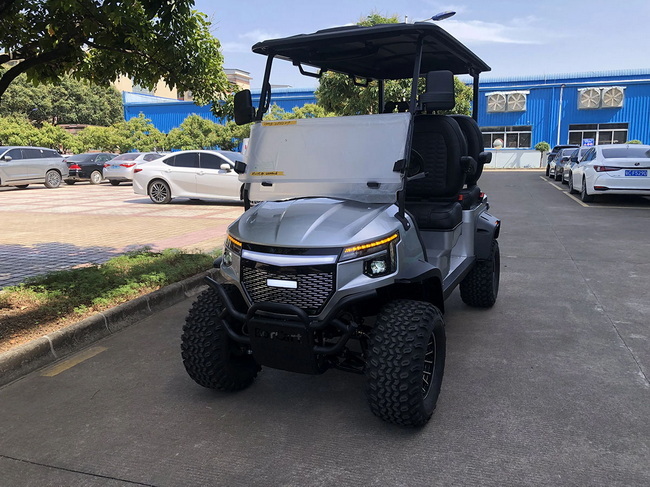
Mechanical components play a large role in how speed is translated to the ground for an electric golf cart. Even with a robust motor and controller, poor gearing or inefficient tires can limit performance.[9][4]
Mechanical changes that influence top speed include:[6]
- Tire diameter: Taller tires effectively “raise” the gear ratio, allowing the electric golf cart to go faster at the same motor RPM, though with reduced low‑speed torque.
- Tire tread pattern: Low‑rolling‑resistance tires on pavement or hard surfaces use less power and help maintain speed compared with aggressive off‑road treads.
- Gear ratio changes: Installing high‑speed gears in the differential alters the balance of torque vs maximum speed, often used for street‑oriented electric golf cart builds.
- Bearing and axle condition: Worn bearings and misalignments add drag, quietly reducing top speed over time.
Because taller tires and higher gear ratios can demand more torque, these changes often work best after electrical upgrades to motor and controller in a performance‑oriented electric golf cart.[1]
Overall mass and weight distribution significantly affect the driving feel of an electric golf cart, especially as speeds increase. Reducing unnecessary weight makes every watt of energy more productive.[4][9]
Practical tips related to weight and chassis:[4]
- Remove non‑essential accessories: Extra seats, heavy racks, or bulky decorations can slow the cart and stress the drivetrain.
- Use lighter materials: When upgrading bodywork or roofs, consider composites or lighter metals instead of heavy steel constructions.
- Check suspension: Worn shocks or bushings can make the electric golf cart unstable at higher speed and reduce driver confidence.
- Balance the load: Spread passenger and cargo weight evenly to keep steering predictable and braking consistent.
When an electric golf cart is both lighter and better balanced, upgrades to speed and power feel more controllable and enjoyable in real‑world use.[4]
Not every improvement in perceived speed comes from hardware changes; driving technique and route choices also affect how quick an electric golf cart feels. Small adjustments in how you operate the cart can improve both pace and efficiency.[2][9]
Useful driving techniques:[2]
- Smooth throttle application: Gradual, consistent acceleration can help the controller deliver power efficiently without triggering aggressive current limits.
- Avoid unnecessary stops: Keeping momentum on hills and through gentle turns allows your electric golf cart to maintain average speed without working as hard.
- Smart route planning: Choosing flatter routes with fewer stops and steep climbs lets the cart spend more time near its comfortable top speed.
- Eco vs power modes: Some models offer selectable modes; understanding when to use each mode helps balance speed and energy consumption.
These habits not only make the electric golf cart feel quicker but also help protect components and extend battery life between charges.[9]
Seeing upgrades in action often makes the concepts much easier to understand for electric golf cart owners. If you are creating educational content or documenting a build, strategically placed visuals and videos can strongly reinforce the points discussed above.[12][13]
Helpful ideas for demonstrations include:[12]
- Acceleration comparison: A short clip showing stock versus upgraded electric golf cart performance on the same straight stretch.
- Hill climb test: Side‑by‑side footage of different battery and motor setups on a moderate incline.
- Installation walkthroughs: Recording how to safely install a performance controller, wire a lithium pack, or change gear ratios.
- Safety test segments: Demonstrations of braking distances at higher speeds and why maintaining tires and brakes is critical.
These content ideas not only educate viewers on what is possible with an electric golf cart but also emphasize safe and responsible modification practices.[13]
As upgrades become more advanced, the complexity of safely modifying an electric golf cart increases. High‑current electrical systems and altered performance characteristics deserve careful engineering and testing.[7][6]
Professional assistance is especially valuable when:[7]
- Converting voltage: Moving from 36 V to 48 V or higher requires thorough evaluation of every major component.
- Installing high‑power controllers: Correct cable sizing, fuse selection, and mounting are essential to prevent overheating and damage.
- Performing lithium conversions: Proper battery management system (BMS) setup and charging configuration are crucial for safety.
- Building street‑legal configurations: Meeting local standards for lighting, safety equipment, and documentation can be complex.
Working with experienced technicians or manufacturers ensures that your faster electric golf cart remains safe, reliable, and compliant wherever you use it.[10]
Yes, you can make an electric golf cart faster, and there are many practical pathways to do it safely and effectively. The most successful upgrade plans begin with solid maintenance, then move through controller tuning, battery upgrades, and finally matched motor and controller packages, complemented by carefully chosen tires, gearing, and modest weight reduction. Throughout every step, safety, legal compliance, and thoughtful driving habits should guide decisions, so your electric golf cart not only gains speed but also remains dependable and enjoyable for golf courses, resorts, neighborhoods, and private properties alike.[2][1][4]
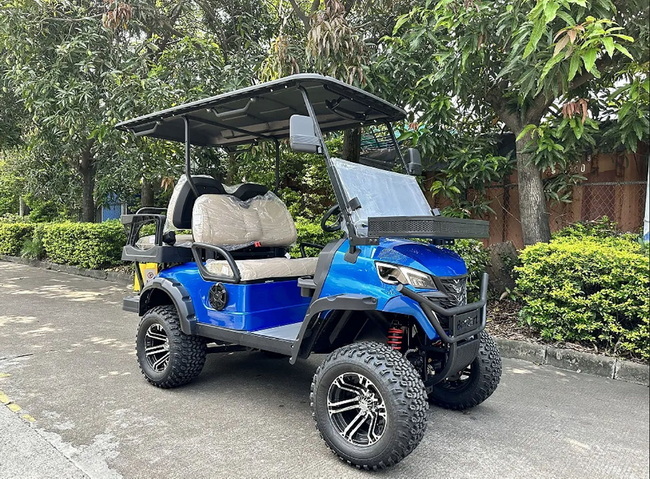
Most stock electric golf cart models designed mainly for golf courses reach about 12–15 mph, while many personal‑transport or neighborhood configurations are set closer to 19–20 mph. These factory speeds balance safety, range, and regulatory requirements for low‑speed vehicles in typical communities.[6][5]
The most budget‑friendly improvements usually come from maintenance and optimization, such as correct tire pressure, clean electrical connections, proper brake adjustment, and removing unnecessary weight. Once these basics are addressed, modest controller reprogramming—if your model supports it—can deliver noticeable gains without immediately replacing major hardware.[8][1]
In many regions, removing or bypassing a built‑in speed limiter can push your electric golf cart beyond the legal definition of a golf cart or low‑speed vehicle, especially on public roads. Exceeding local speed thresholds may require additional safety equipment, new registration, and different insurance, so it is important to check your local regulations before altering limiter settings.[7][6]
Lithium battery packs typically maintain higher voltage under load, are significantly lighter, and deliver power more efficiently, which can improve acceleration and help your electric golf cart sustain higher speeds. The ultimate top speed still depends on motor and controller limits, but many owners report a stronger, livelier feel and better hill performance after converting from lead‑acid to lithium.[10][5]
For small gains, some owners adjust or upgrade only the controller, but larger and more reliable performance improvements usually come from combining a higher‑power motor with a compatible high‑current controller. Matching these components allows the electric golf cart to safely handle extra power, improving both torque and top speed without overstressing individual parts.[3][2]
[1](https://www.kandiamerica.com/electric-golf-cart-speed-tips/)
[2](https://caddiewheel.com/blogs/golf-content/how-to-make-an-electric-golf-cart-faster)
[3](https://www.cartsgonewild.com/blog/tips-to-improve-the-speed-and-performance-of-your-electric-golf-cart--99421)
[4](https://www.gcsuperstore.com/tips-to-boost-electric-golf-cart-speed/)
[5](https://ipowerqueen.com/blogs/tips-and-tricks/how-fast-do-golf-carts-go)
[6](https://golfcartresource.com/top-4-legal-ways-speed-golf-cart/)
[7](https://carts-and-parts.com/how-to-remove-speed-limiter-on-electric-golf-cart/)
[8](https://vovexgolf.com/blogs/golf/how-to-remove-speed-limiter-on-electric-golf-cart)
[9](https://blog.buggiesunlimited.com/how-to-make-your-golf-cart-faster/)
[10](https://www.vatrerpower.com/blogs/news/enhancing-the-speed-of-golf-carts)
[11](https://www.reddit.com/r/golfcarts/comments/16da3dx/speed_mods_for_electric_golf_carts/)
[12](https://www.youtube.com/watch?v=CedSXRhzxs8&vl=en)
[13](https://www.youtube.com/watch?v=wTpqLRNB7oc)


