


Views: 222 Author: Leah Publish Time: 2026-01-14 Origin: Site


Content Menu
● What “Price” Really Means for a Golf Buggy
● Typical Price Ranges for Electric Golf Buggy Models
● Main Cost Drivers for an Electric Golf Buggy
● Choosing Between Lead‑Acid and Lithium Batteries
● Types of Electric Golf Buggy and Their Uses
● New vs Used Golf Buggy: When Each Option Makes Sense
● Operating and Maintenance Costs Over Time
● Why More Facilities Are Choosing Electric Golf Buggy Fleets
● How OEM Cooperation With BorCart Adds Value
● FAQ About Electric Golf Buggy Pricing
>> 1. How much does a basic electric golf buggy cost?
>> 2. Why do some electric golf buggies cost more than small cars?
>> 3. How often must batteries in a golf buggy be replaced, and how much does that cost?
>> 4. Is buying a used electric golf buggy a smart way to save money?
>> 5. How can OEM buyers reduce per‑unit cost when sourcing golf buggies?
An electric golf buggy can cost from around 1,500–3,000 USD at the entry level to more than 10,000 USD for premium, highly customized or road‑legal models. The exact price depends on capacity, configuration, battery technology, and how much personalization or branding you require for your golf buggy fleet.[1][2]
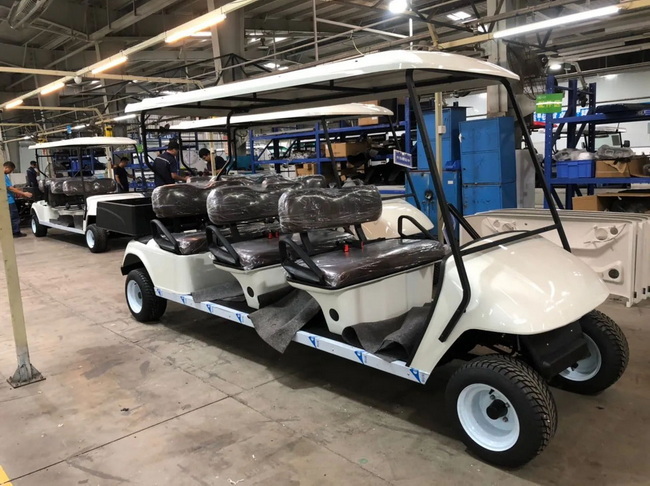
When asking how much an electric golf buggy costs, the real question is how much value the buyer expects over the entire life cycle of the vehicle. Beyond the initial purchase, total cost includes energy use, battery replacement, maintenance, and potential resale or refurbishment value.[3][4]
- For individual golfers, the main concern is the upfront cost and convenience of using a golf buggy for regular rounds.
- For resorts, golf clubs, and communities, the budget must cover multiple golf buggy units, storage, charging infrastructure, and long‑term service planning.
- For brand owners and wholesalers working with an OEM like BorCart, the price of each golf buggy is connected to tooling, customization, and volume commitments.
Thinking in terms of life‑cycle cost helps avoid choosing a golf buggy that looks cheap initially but becomes expensive to maintain later.[3]
Price brackets for an electric golf buggy vary by market, but most offers fall into clearly recognizable segments. These ranges are useful for planning procurement or designing product tiers under your own brand.[5]
- Entry‑level electric golf buggy models commonly cost about 1,500–2,500 USD, with basic steel chassis, simple suspension, and lead‑acid batteries.[5]
- Mid‑range golf buggy configurations, with better seats, improved styling, and more capable electronics, often sit between 2,500–4,500 USD.[6]
- High‑end golf buggy vehicles, including 4–6 seaters, utility versions, or models equipped with lithium batteries and luxury options, can reach 8,000–20,000 USD.[1]
For OEM buyers, the ex‑factory price of each golf buggy may be lower than retail, but shipping, duties, and local assembly or certification must also be considered when planning selling prices.[3]
Several core factors explain why one golf buggy costs much more than another, even if they look similar from the outside. Understanding these cost drivers helps configure a golf buggy that matches both budget and application.[2]
- Battery type and capacity: Lithium packs cost more than lead‑acid, but offer longer life, faster charging, and higher usable range per charge.[4]
- Motor power and controller: A golf buggy designed for hills, off‑road use, or higher payloads needs stronger motors and controllers, which increase cost.[2]
- Frame and suspension: Off‑road or multi‑purpose golf buggy designs require reinforced frames and better suspension, adding weight and material cost.[3]
- Seating and layout: Moving from a 2‑seat to a 4‑ or 6‑seat golf buggy increases structural complexity, battery demand, and component count.[3]
- Customization and branding: Unique body tooling, color schemes, dashboards, and badging all add upfront development and per‑unit production cost.[7]
For buyers designing their own branded golf buggy range, fine‑tuning these parameters allows different trim levels to address various market segments while reusing as many parts as possible.[3]
Battery technology is central to both performance and price of any electric golf buggy. The choice between lead‑acid and lithium is more about usage pattern and long‑term strategy than about a single purchase.[4]
- Lead‑acid battery sets for a golf buggy typically cost about 500–800 USD for replacement and can work well for moderate use over 2–3 years.[8]
- Lithium battery systems for a golf buggy cost more upfront, often 1,000–3,000+ USD, but provide longer cycle life, lower maintenance, and lighter weight.[4]
- For fleets, lithium can reduce downtime and improve availability of each golf buggy, which matters more than the extra initial cost.[4]
Many operators start with lead‑acid to reduce entry cost and later upgrade their golf buggy fleets to lithium once utilization and revenue patterns are clear.[4]
Different types of golf buggy are optimized for specific missions, even when they share many components. Choosing the right type ensures that money is spent on useful features rather than cosmetic extras.[3]
- Standard course golf buggy models focus on carrying two players and bags efficiently around 18 or 36 holes.[9]
- Resort and community shuttle golf buggy platforms usually have 4–6 seats, extra safety features, and more refined styling.
- Hunting or off‑road golf buggy versions use lifted suspensions, all‑terrain tires, and protective structures to handle rough surfaces.
- Utility golf buggy designs add cargo beds or racks for maintenance, logistics, and light industrial work around large facilities.
Because all these variants share the concept of a compact electric golf buggy, OEMs can design them around modular chassis and body systems to reduce development cost.[3]
Not every buyer needs a factory‑new golf buggy, but not every situation suits a used one either. The right choice depends on budget, risk tolerance, and how intensively the golf buggy will be used.[2]
New golf buggy advantages include:
- Full manufacturer warranty and latest safety and charging technology.[2]
- Known battery history and factory‑tested performance for every golf buggy.
- Better resale value and stronger brand image for resorts or clubs.
Used or refurbished golf buggy advantages include:
- Lower upfront price, which can free budget for batteries or accessories.[1]
- Opportunity to rebuild and customize a golf buggy locally using OEM components.
- Useful for seasonal or lower‑intensity applications where maximum uptime is not critical.
Whatever path is chosen, inspecting frames, steering, braking, and especially battery condition is essential before committing to any golf buggy purchase.[4]
The real cost of an electric golf buggy is visible only when looking at several years of operation. Energy, battery replacements, and preventive maintenance are the main expenses after purchase.[3]
- Regular charging with appropriate chargers keeps a golf buggy battery healthy and reduces premature capacity loss.[4]
- Tire rotation, brake adjustment, and lubrication of moving parts extend the service life of every golf buggy in the fleet.[3]
- Scheduling battery checks and replacing weak packs before they fail reduces breakdowns and user complaints.
Well‑planned maintenance makes each golf buggy more reliable and protects the reputation of the golf course or resort using them.[3]
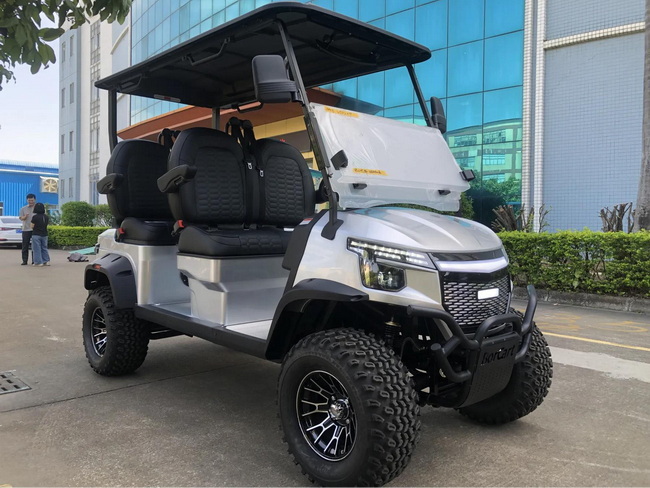
From golf clubs to large resorts and residential communities, electric fleets are gradually replacing gasoline carts. The benefits are both practical and strategic.[3]
- A quiet golf buggy improves the experience on the course or inside a resort because guests enjoy less noise and no exhaust smell.[7]
- Electric drivetrains have fewer moving parts than combustion engines, which simplifies training for technicians and reduces the risk of breakdowns.[2]
- With modern batteries and chargers, an electric golf buggy can easily cover a full day's work on a single charge, especially in low‑speed environments.[4]
These advantages make electric golf buggy fleets especially attractive for businesses that emphasize sustainability, comfort, and long‑term cost control.[3]
BorCart specializes in electric vehicles and automotive components, with a strong focus on the design and manufacture of electric golf buggy platforms for overseas partners. The company also produces sightseeing buses, low‑speed vehicles, hunting vehicles, and multi‑purpose vehicles based on similar electric technology.[5][3]
For brand owners, wholesalers, and manufacturers, working with BorCart offers several advantages:
- Customizable golf buggy styling, seating, and accessories built on proven chassis and powertrains.
- OEM production that supports private labels, enabling partners to sell a complete golf buggy lineup without building their own factories.
- Ability to standardize key modules across golf buggy, sightseeing, and utility models to control cost and simplify after‑sales support.[3]
In addition, BorCart can support technical documentation, spare parts planning, and platform updates so that each partner's golf buggy range remains competitive over time.[7]
The cost of an electric golf buggy is shaped by much more than the basic purchase price. Battery technology, motor power, seating capacity, suspension, and customization together determine how much any golf buggy will cost upfront and over its lifetime. Buyers must balance these elements with their real‑world needs, whether that means a single personal golf buggy or a large fleet for a resort, community, or industrial campus.[2][3]
By cooperating with a specialized manufacturer like BorCart, overseas brand owners, wholesalers, and producers can obtain tailored electric golf buggy platforms, optimize total cost, and quickly build a competitive portfolio that serves both golfers and multi‑purpose users in global markets.[3]
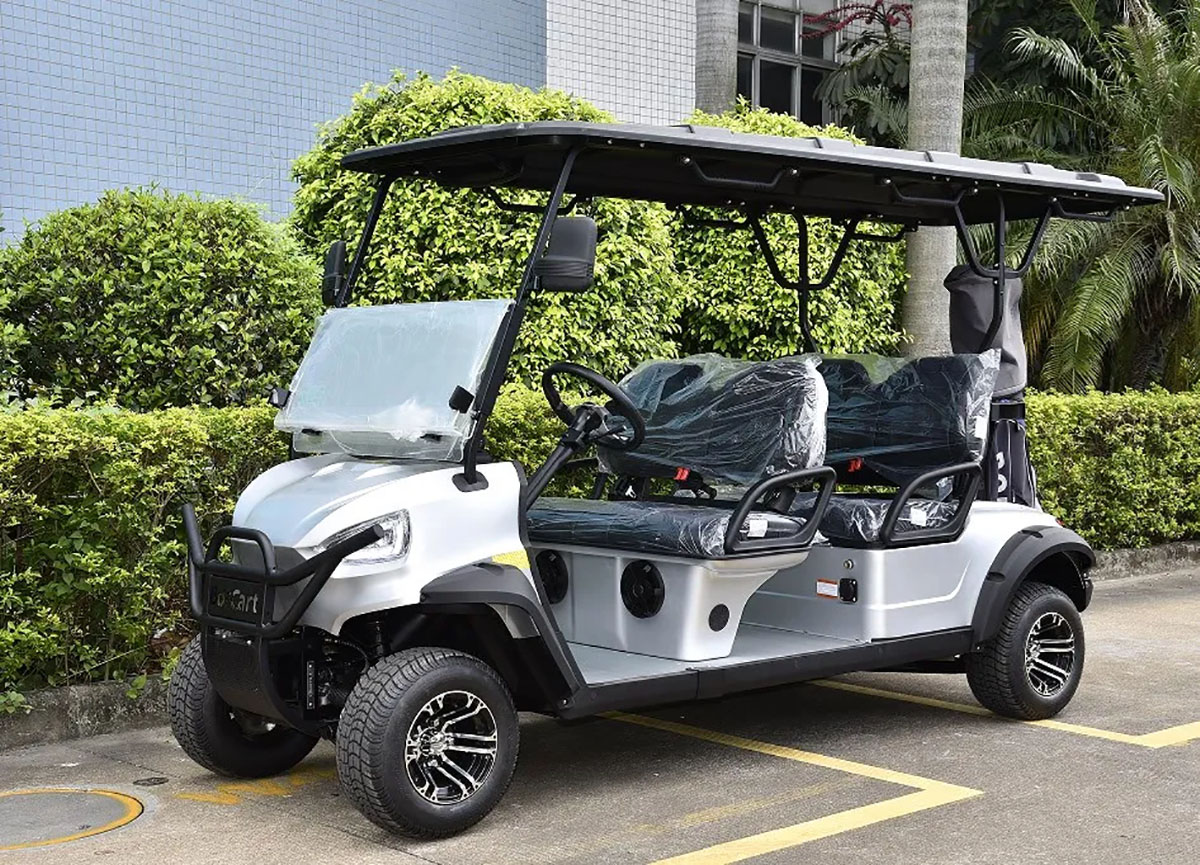
A basic electric golf buggy for two people usually costs in the 1,500–2,500 USD range, depending on the market and exact specifications. These models typically use lead‑acid batteries, simple frames, and very few optional extras, which keeps the golf buggy affordable for individual owners and small clubs.[9][5]
High‑end electric golf buggy models may include lithium battery packs, advanced suspension, premium seating, infotainment systems, and full road‑legal packages with lights, mirrors, and safety equipment. When combined with custom bodywork and brand‑specific design, these features can push the price of a fully optioned golf buggy above that of a compact passenger car.[1][2]
Under typical use, lead‑acid batteries in a golf buggy need replacement roughly every 2–3 years, at a cost of about 500–800 USD per full set, depending on voltage and quality. Lithium batteries last longer but cost about 1,000–3,000+ USD, although they reduce maintenance and total cost over the lifetime of the golf buggy.[8][4]
Buying a used electric golf buggy can be a smart option if the chassis, steering, brakes, and electrical system are in good condition and the battery is either healthy or factored into the price. However, buyers should budget for possible early battery replacement and verify that the golf buggy was maintained according to the original manufacturer's recommendations.[1][4]
OEM buyers can lower per‑unit golf buggy cost by standardizing platforms across several models, choosing battery capacities that match real usage, and ordering in higher volumes to spread tooling and development expense. Working with a manufacturer like BorCart also allows components and modules to be shared across golf buggy, sightseeing, and utility vehicles, further improving cost efficiency.[7][3]
[1](https://www.cartcare.de/en/carts/buy-a-golf-buggy-buy-a-golf-buggy-with-road-approval/)
[2](https://evtitan.com/what-factors-influence-the-price-of-electric-golf-carts/)
[3](https://www.taragolfcart.com/news/golf-cart-cost-analysis/)
[4](https://www.redodopower.com/blogs/learn-about-lithium/golf-cart-batteries-replacement-cost)
[5](https://www.alibaba.com/showroom/golf-buggy.html)
[6](https://golfcarts.com/how-much-does-a-golf-cart-cost/)
[7](https://backyardescapism.com/blogs/the-escapist/factors-affecting-new-golf-cart-prices)
[8](https://manlybattery.com/how-much-to-replace-golf-cart-batteries/)
[9](https://www.powerhousegolf.co.uk/acatalog/Golf-Buggies.html)
[10](https://www.golfmonthly.com/best-golf-deals/best-electric-golf-trolleys-82413)


