


Views: 262 Author: BorCart Publish Time: 2026-07-29 Origin: Site


Content Menu
● What Determines Battery Count?
● 36V vs 48V Battery Configurations
● Lead-Acid vs Lithium Batteries
● How To Choose The Right Battery Setup
● Maintenance That Protects Battery Life
● OEM Buying Guidance For B2B Customers
>> What OEM buyers should confirm
● FAQ
>> 1. How many batteries does a 36V electric golf cart use?
>> 2. How many batteries does a 48V golf cart use?
>> 3. Can I mix different battery sizes in one cart?
>> 4. Are lithium batteries better for golf carts?
>> 5. How do I know my golf cart battery pack is failing?
Electric golf carts usually use four to eight batteries, depending on the cart's voltage system and battery type. The most common setups are six 6V batteries for 36V carts and six 8V batteries, eight 6V batteries, or four 12V batteries for 48V carts.
If you are choosing batteries for a new golf cart, replacing an old pack, or planning an OEM battery configuration, the correct answer is not just "how many." It is also about voltage, chemistry, range, charging time, and total cost of ownership.

The number of batteries in an electric golf cart depends on the system voltage the cart is designed to use. Batteries are usually wired in series, which means their voltage adds up while amp-hour capacity stays the same.
That is why a cart does not simply use one large battery. Instead, it uses several smaller batteries connected together to reach the required operating voltage.
- 36V systems: Usually six 6V batteries.
- 48V systems: Commonly six 8V batteries, eight 6V batteries, or four 12V batteries.
- Lithium systems: Often use one or more lithium modules configured to match the cart's voltage needs, depending on the battery design and OEM package.
A 36V golf cart usually uses six 6-volt batteries wired in series. This is a traditional setup that still works well for light-duty driving and flatter terrain.
A 48V golf cart gives more flexibility. It may use six 8V batteries, eight 6V batteries, or four 12V batteries, depending on the cart's design and the owner's replacement strategy. In general, 48V carts are preferred when the vehicle needs stronger acceleration, better hill-climbing ability, or heavier payload support.
| System | Typical Battery Count | Common Battery Type | Typical Use |
|---|---|---|---|
| 36V | 6 | 6V | Basic driving, flat terrain |
| 48V | 6 | 8V | Better torque and range balance |
| 48V | 8 | 6V | Common replacement setup |
| 48V | 4 | 12V | Fewer batteries, simpler pack layout |
Golf cart batteries are usually connected in series. In a series circuit, the positive terminal of one battery connects to the negative terminal of the next battery, and the total voltage increases across the whole pack.
For example, six 6V batteries produce 36V in total. This is one reason battery wiring is so important: even if the batteries are all healthy, the cart will not work properly if the connections are incorrect.
1. Turn off the cart and disconnect the main power.
2. Remove the old batteries carefully.
3. Clean the battery tray and terminals.
4. Install the new batteries in the correct position.
5. Connect each battery in series.
6. Check polarity before reconnecting the main cables.
7. Test the total voltage with a multimeter.
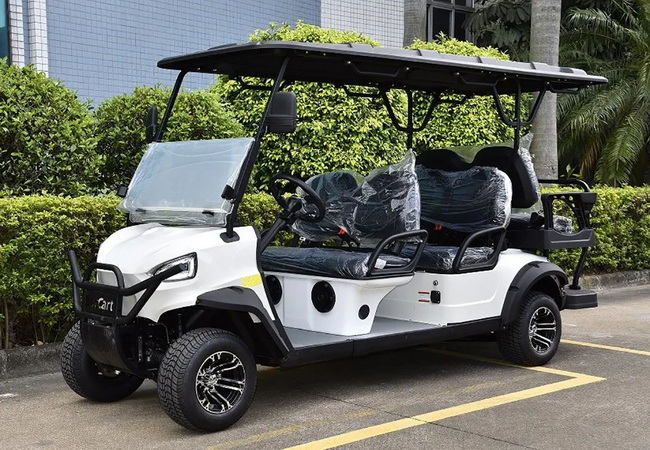
Most traditional golf carts use lead-acid batteries, especially flooded lead-acid types. These batteries are popular because they are affordable and widely available, but they require regular water checks, cleaning, and charging discipline.
Lithium batteries are becoming more common because they are lighter, charge faster, and last longer. They also reduce maintenance because they do not require watering like flooded lead-acid batteries.
| Factor | Lead-Acid | Lithium |
|---|---|---|
| Weight | Heavier | Lighter |
| Maintenance | Watering and cleaning required | Very low maintenance |
| Charging time | Longer | Faster |
| Lifespan | Typically shorter | Typically longer |
| Upfront cost | Lower | Higher |
For OEM buyers, lithium is often the better long-term solution when the goal is stronger performance, reduced service calls, and a better ownership experience.
Choosing the right battery setup starts with understanding the cart's use case. A cart used for golf course transport has different needs than one used for resorts, factory campuses, communities, or commercial fleets.
When selecting a setup, consider these factors:
- Terrain: Hills demand more power.
- Load: Passengers and cargo increase battery demand.
- Range: Longer routes need higher capacity.
- Maintenance: Lead-acid costs less up front but needs more care.
- Fleet uptime: Lithium can reduce downtime and charging interruptions.
For brands and distributors, battery choice also affects after-sales support. A pack that is easy to service, stable in different climates, and compatible with the cart's electrical system can lower warranty risk and improve customer satisfaction.
Battery performance depends not only on the number of batteries, but also on how well they are maintained. Flooded lead-acid batteries should be checked regularly for water level, terminal corrosion, and charging consistency.
A few simple habits can extend battery life:
- Charge the cart after use instead of waiting for the pack to run very low.
- Use distilled water only for flooded lead-acid batteries.
- Keep terminals clean and tight.
- Avoid mixing old and new batteries in the same pack.
- Store the cart properly if it will sit unused for long periods.
A poorly maintained battery pack can lose range, charge unevenly, or fail early even if the original configuration was correct.
For OEM buyers, the right battery setup should be selected together with the cart platform, controller, charger, and intended market. A battery pack that works in one region may not be ideal in another because of climate, terrain, and service expectations.
BorCart can position this topic as a practical buying guide for distributors and brand owners. That lets the article serve both end users and procurement teams looking for reliable electric golf cart solutions.
- Voltage requirement of the final cart model.
- Battery compartment dimensions and weight limits.
- Charger compatibility.
- Desired maintenance level.
- Local service and replacement availability.
This section adds commercial value because it addresses a decision point that many consumer articles ignore: the battery system is part of the full vehicle design, not a standalone accessory.
Battery replacement is not only about age. It is also about range loss, slower acceleration, longer charging times, and uneven performance between batteries.
Signs you may need an upgrade include:
- The cart loses power sooner than before.
- Charging takes much longer.
- Water levels drop too quickly in flooded batteries.
- The cart struggles on hills.
- The battery pack is already a mixed set of old and new units.
If you are replacing an older lead-acid pack, lithium is worth considering when performance and lower maintenance matter more than initial purchase price.
Most electric golf carts use six to eight batteries, but the exact number depends on the cart's voltage and battery type. The most common configurations are six 6V batteries for 36V carts and six 8V, eight 6V, or four 12V batteries for 48V carts.
If your goal is lower upkeep, better range stability, and easier ownership, lithium is increasingly the preferred option. For OEM and wholesale buyers, the best battery choice is the one that fits the cart's performance target, service model, and market expectations.
BorCart can support custom golf cart and EV battery configurations for OEM projects, wholesale supply, and export markets. A well-matched battery system is not just a component; it is a key part of product quality and customer satisfaction.
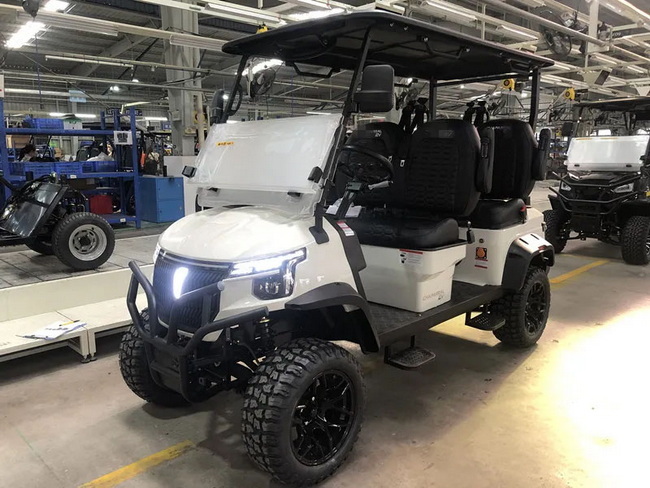
A 36V electric golf cart typically uses six 6V batteries wired in series.
A 48V golf cart commonly uses six 8V batteries, eight 6V batteries, or four 12V batteries.
It is not recommended. Mixing battery sizes, ages, or brands can create imbalance and reduce battery life.
Lithium batteries are often better for weight, charging speed, lifespan, and low maintenance, but they usually cost more up front.
Common signs include shorter range, weak climbing power, slow charging, and uneven battery performance.
1. [GolfCarts.com — How Many Batteries are Used in Electric Golf Carts]
2. [Golf Cart Stuff — Golf cart battery setup: 36V vs 48V guide for 2026]
3. [Vatrer Power — How to Wire Golf Cart Batteries: Complete Connection Guide]
4. [Allied Lithium — The Future of Golf Cart Power: Trends and Innovations in Lithium Batteries]
5. [Battery Tender — Golf Cart Battery Water: The Complete Maintenance and Charging Guide 2026]
6. [Crown Battery — Watering Your Lead Acid Battery: The Basics]


