


Views: 238 Author: BorCart Publish Time: 2026-09-10 Origin: Site


Content Menu
● Understanding the Two Vehicle Categories
● Multi-purpose EV: Strengths for Fleet Consolidation
>> Easier Fleet Standardization
>> Better Response to Changing Workloads
● Specialized Maintenance Cart: Where Purpose-Built Design Wins
>> Improved Tool Security and Organization
>> Better Fit for Technical Environments
● The Fleet Consolidation Decision Framework
>> 1. Measure Daily Vehicle Utilization
>> 2. Define Your Payload Requirements
>> 3. Review Terrain and Operating Conditions
>> 4. Plan Charging Around Work Patterns
>> 5. Assess Safety and Driver Controls
● Total Cost: Purchase Price Is Only the Beginning
● A Hybrid Fleet Often Produces the Best Result
● OEM Customization Considerations for Brands and Distributors
● Final Recommendation for Facility Managers
● FAQ
>> 1. What is a multi-purpose EV used for in a facility?
>> 2. What is the main advantage of a specialized maintenance cart?
>> 3. Can a multi-purpose EV replace a maintenance cart?
>> 4. Which battery is better for an electric maintenance cart?
>> 5. How can facility managers reduce electric vehicle fleet downtime?
>> 6. What should be checked before operating an electric utility cart?
>> 7. Can an OEM manufacturer customize electric maintenance carts?
For facility managers, choosing between a multi-purpose EV and a specialized maintenance cart is no longer simply a vehicle purchasing decision. It is a fleet-design decision that affects labor efficiency, asset utilization, maintenance planning, charging operations, workplace safety, and long-term operating cost.
A multi-purpose electric vehicle is designed to support several functions with one platform: personnel transport, light cargo movement, tools delivery, site patrols, housekeeping support, maintenance response, and materials handling. A specialized maintenance cart, by comparison, is configured around a narrower maintenance mission, such as carrying technicians, ladders, toolboxes, replacement parts, cleaning equipment, or work-order supplies.
For a factory, resort, airport, university, industrial park, warehouse campus, or property management company, the right solution depends on a practical question: Should your fleet consolidate several daily tasks into fewer adaptable electric vehicles, or should each department operate purpose-built carts for specific maintenance functions?
This guide compares multi-purpose EVs and specialized maintenance carts from an operational, financial, and fleet-management perspective. It is intended for facility managers, procurement teams, distributors, and brands sourcing electric vehicle solutions through OEM manufacturing partners such as BorCart.
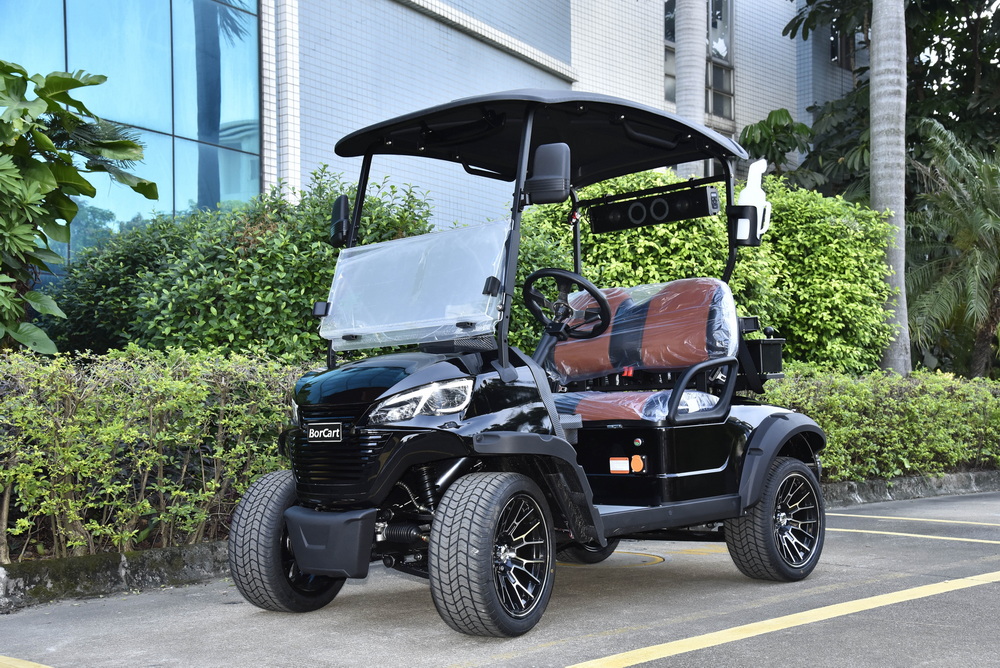
A multi-purpose EV is a flexible low-speed electric vehicle platform that can be equipped for different working environments. It may resemble a utility golf cart, electric work cart, people mover, cargo vehicle, or compact electric utility vehicle.
Depending on the configuration, a multi-purpose EV can carry employees, supervisors, visitors, tools, parcels, spare parts, housekeeping supplies, or light maintenance equipment. It may include a rear cargo bed, fold-down seats, enclosed cabin options, weather protection, warning lights, storage compartments, towing hooks, and customized branding.
A specialized maintenance cart is designed primarily for maintenance teams. Its layout is often built around a defined work process rather than general transport. For example, it may include ladder racks, lockable tool cabinets, shelving, plumbing racks, electrical parts bins, waste containers, or a dedicated cargo box.
The key distinction is simple:
- A multi-purpose EV prioritizes flexibility across departments.
- A specialized maintenance cart prioritizes efficiency within one maintenance workflow.
Both can be valuable. The better option depends on the size of the site, the number of daily transport tasks, the type of equipment being carried, and the degree of fleet standardization required.
| Comparison Area | Multi-purpose EV | Specialized Maintenance Cart |
|---|---|---|
| Primary purpose | Supports multiple transport and work tasks | Supports a defined maintenance task or department |
| Typical users | Maintenance, security, housekeeping, logistics, management, guest services | Maintenance technicians, electricians, plumbers, grounds crews |
| Passenger capacity | Usually flexible, often two to six passengers | Usually one to two technicians plus equipment |
| Cargo configuration | Convertible cargo beds, fold-down seats, modular accessories | Fixed tool storage, racks, cabinets, bins, work-specific equipment |
| Fleet utilization | High when used across shifts or departments | High only when dedicated work demand is consistent |
| Customization | Broad platform-level customization | Deep task-specific customization |
| Procurement approach | Fewer vehicle types, higher standardization | More vehicle variants, greater task precision |
| Best for | Mixed-use facilities with changing daily needs | Sites with intensive, repetitive maintenance operations |
| Risk | May be under-equipped for highly technical jobs | May be underused outside maintenance assignments |
A multi-purpose EV can reduce the number of separate vehicle categories a facility must buy, maintain, stock parts for, and train employees to operate. In contrast, a specialized maintenance cart can reduce time spent loading tools, searching for parts, and adapting a general vehicle before every job.
The main advantage of a multi-purpose EV is its ability to serve several teams without becoming idle between tasks.
In many facilities, the same vehicle may be used for a morning inspection route, a midday spare-parts delivery, an afternoon maintenance callout, and an evening security patrol. When this happens, the vehicle is no longer a department-specific asset. It becomes a shared operational resource.
Fleet managers often face a common problem: too many vehicles are purchased for occasional use. A dedicated maintenance cart may be essential during planned inspections or emergency repair periods, but it may sit unused during quieter hours.
A multi-purpose EV can improve vehicle utilization because it can move between departments.
For example, a four-seat electric utility vehicle with a rear cargo bed may support:
- Maintenance technicians moving tools and replacement parts
- Housekeeping staff transporting linen or cleaning supplies
- Security personnel patrolling a large site
- Supervisors conducting inspections
- Logistics teams delivering small components
- Visitor transportation inside a campus or industrial park
This flexibility is especially useful for facilities with fluctuating workloads. Resorts may experience peak guest activity during weekends. Industrial parks may have different traffic patterns by shift. Educational campuses may require heavier transport during class changes, events, or seasonal maintenance periods.
Fleet consolidation can simplify purchasing and maintenance. When a facility operates several electric vehicle models with different battery systems, tire sizes, chargers, controllers, body panels, and spare parts, the maintenance department must manage greater complexity.
A standardized multi-purpose EV fleet can support:
- More consistent driver training
- Simplified spare-parts inventory
- Easier charging planning
- Faster technician familiarization
- More efficient warranty management
- Consistent brand appearance across the site
This does not mean every vehicle should be identical. It means the fleet should be built around a limited number of compatible platforms wherever possible.
For OEM buyers, platform standardization can also create stronger purchasing leverage. A brand can order the same chassis and powertrain architecture while adapting body color, seat layout, cargo bed design, dashboard features, logo placement, roof style, and accessory package for different customer segments.
Facility operations rarely remain static. Construction projects, equipment failures, event setups, seasonal landscaping, employee growth, and site expansion all change vehicle demand.
A multi-purpose EV gives managers more operational resilience. If the maintenance team has fewer work orders on one day, the vehicle can be reassigned. If a large delivery arrives, the rear cargo area can be used for internal transport. If an inspection team needs to travel across a large industrial site, the same vehicle can support them.
This adaptability helps facilities avoid a rigid fleet structure that becomes expensive when operating patterns change.
A specialized maintenance cart remains the better choice when technicians perform highly repetitive, equipment-intensive work. The more predictable the workflow, the more valuable a purpose-built design becomes.
A maintenance team that repeatedly carries ladders, power tools, electrical supplies, plumbing fittings, HVAC parts, cleaning equipment, or landscaping tools may lose time every day if the vehicle requires frequent loading and unloading.
A purpose-built maintenance cart can be organized as a mobile workstation. Rather than transporting technicians and then requiring them to search for tools or return to a storeroom, the vehicle carries essential items in designated compartments.
This can make a meaningful difference in large facilities where travel time is a hidden cost.
A specialized maintenance cart may include:
- Lockable tool cabinets
- Ladder or pipe racks
- Drawer systems for spare parts
- Dedicated storage for safety equipment
- Shelves for electrical, plumbing, or HVAC components
- Rear platforms for bulky equipment
- Compartments for cleaning chemicals or waste collection
- Work lights and amber warning lights
The operational value comes from reducing small delays. A technician who spends ten minutes loading equipment before each callout may lose a significant amount of productive time across a week. A properly configured cart turns preparation into part of the vehicle design.
Tool loss, misplaced components, and poorly secured equipment can increase maintenance costs. Specialized carts make it easier to assign storage locations, inspect inventory, and secure valuable tools.
For facilities with multiple technicians, this organization also improves accountability. Each storage compartment can be matched with a standard tool list. Managers can create a repeatable vehicle inspection process at the beginning and end of each shift.
A maintenance cart is particularly valuable when the vehicle functions as a mobile service unit rather than only a transport vehicle.
Some tasks require more than a cargo bed. An electrical maintenance team may need insulated storage, labeled parts bins, cable handling equipment, and secure mounting points for test instruments. A landscaping team may need equipment racks, turf-friendly tires, and easy wash-down surfaces. A hotel engineering team may need quiet operation, enclosed storage, and a professional appearance suitable for guest-facing areas.
In these situations, a specialized maintenance cart can deliver a more refined workflow than a general multi-purpose EV.
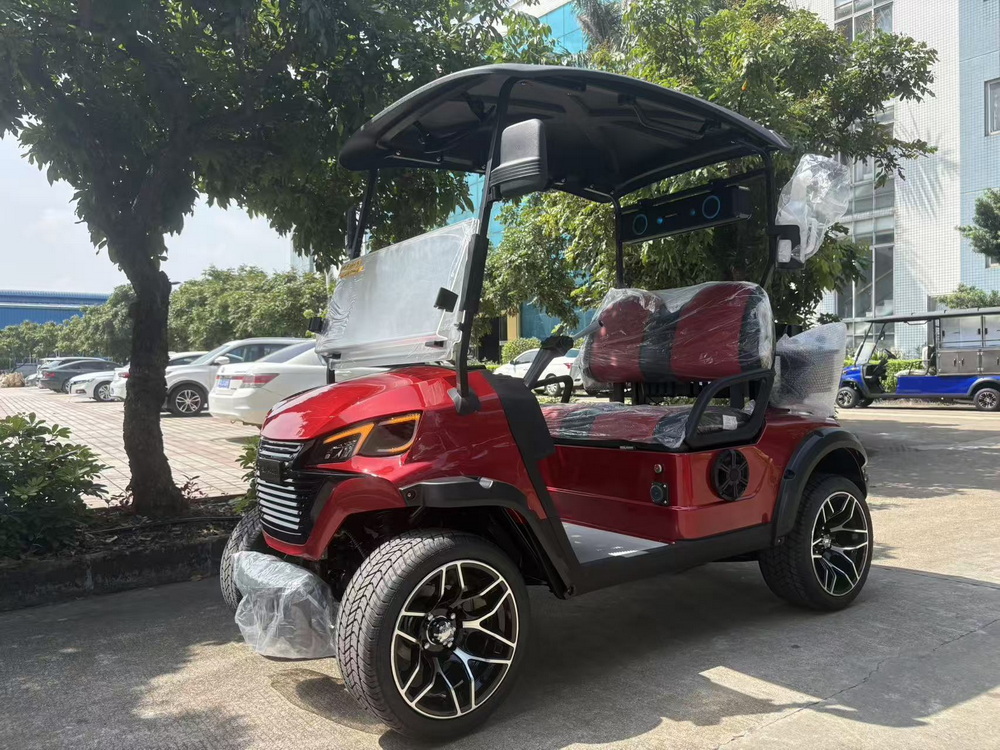
The strongest procurement decisions start with utilization data rather than vehicle appearance. Facility managers should examine how vehicles are actually used during a normal week.
Before selecting a multi-purpose EV or specialized maintenance cart, assess the following five areas.
Track how many hours each existing vehicle is in motion, parked, charging, loaded, or waiting for assignment.
Ask:
- How many trips does each vehicle complete per day?
- How far does it travel?
- How often does it carry passengers versus cargo?
- How much time does it remain unused?
- Does one department experience shortages while another has idle vehicles?
A multi-purpose EV is often the stronger choice when several departments have low-to-moderate demand that occurs at different times of day.
A specialized maintenance cart is often justified when a technical team uses the vehicle continuously and relies on a stable set of onboard tools or equipment.
Do not select a vehicle based only on passenger seating or body style. The actual working load matters.
Calculate the combined weight of:
- Technicians or passengers
- Toolboxes
- Spare parts
- Equipment
- Fluids or cleaning supplies
- Cargo containers
- Towed loads, if applicable
Then compare this with the manufacturer's rated payload and towing capacity. A vehicle that is overloaded on a daily basis may suffer reduced braking performance, accelerated tire wear, suspension issues, shorter range, and safety risks.
Commercial electric utility vehicles used in industrial settings may be designed for substantial cargo loads, with some work-oriented models able to carry between 1,000 and 3,000 pounds depending on the vehicle category and configuration. The correct specification must always be confirmed with the manufacturer for the intended use case.
The right vehicle for a smooth hotel pathway may not be suitable for a construction site, warehouse yard, hilly campus, or wet landscaping area.
Evaluate:
- Indoor or outdoor use
- Pavement quality
- Ramps and gradients
- Gravel, grass, or uneven surfaces
- Weather exposure
- Operating temperature
- Required turning radius
- Noise restrictions
- Indoor air-quality requirements
A multi-purpose EV may need all-terrain tires, reinforced suspension, weather enclosure, or upgraded batteries if it will perform across several site conditions. A specialized maintenance cart can be optimized for one environment, but that may limit its usefulness elsewhere.
Electric fleet performance depends on charging discipline. A facility should understand when vehicles return, how long they remain parked, and whether charging stations are available near those locations.
Important questions include:
- Can vehicles charge overnight?
- Is opportunity charging needed between shifts?
- How many chargers are required?
- Will several vehicles charge at the same time?
- Is the electrical infrastructure sufficient?
- Are battery systems standardized across the fleet?
Lithium battery systems can offer advantages in charging speed, maintenance requirements, and usable energy delivery, while lead-acid systems may remain appropriate for some price-sensitive or lower-utilization applications. The best battery choice depends on duty cycle, climate, budget, charging availability, and lifecycle expectations.
A consolidated fleet using compatible chargers and battery platforms can reduce operational complexity. However, centralizing the fleet only works if scheduling prevents vehicles from becoming unavailable during critical maintenance periods.
Low-speed electric vehicles still require structured safety management. Facilities should establish clear operating rules, route planning, speed limits, authorized driver lists, parking procedures, and daily inspection routines.
A daily pre-operation check should include brakes, steering, tires, lights, horn, battery condition, and safety restraints where fitted. These checks help identify issues before the vehicle enters service.
For a maintenance fleet, managers should also inspect:
- Cargo restraints
- Tool cabinet latches
- Ladder rack security
- Reverse alarms
- Mirrors and warning lights
- Charging cables and connectors
- Damage to body panels or cargo beds
- Tire condition and inflation
- Parking brake operation
The objective is not paperwork for its own sake. It is preventing downtime, injury, damaged tools, and avoidable repair costs.
The lowest-priced vehicle is not always the most economical fleet choice. Facility managers should evaluate total operating cost over the expected service life of the vehicle.
A practical total-cost review should include:
| Cost Category | Multi-purpose EV Consideration | Specialized Maintenance Cart Consideration |
|---|---|---|
| Initial purchase | May cost more with modular options, but can replace several basic carts | May cost more due to custom storage and task-specific accessories |
| Maintenance | Standardized platforms can simplify service and parts inventory | Specialized equipment may require additional repair or replacement parts |
| Charging | Shared battery and charger platform can simplify infrastructure | Similar benefits if the maintenance fleet uses a common platform |
| Labor efficiency | Reduces idle assets and improves cross-department availability | Reduces technician setup time and repeat trips to storage areas |
| Downtime | Backup vehicles can be reassigned more easily | A dedicated cart failure may disrupt one critical team |
| Resale or redeployment | Often easier to redeploy to another department | May have narrower resale or reassignment value |
The most important calculation is not "What does one cart cost?" It is "What does one productive hour of vehicle availability cost or save?"
For example, if a specialized maintenance cart reduces technician travel and loading time by 20 minutes per person per day, that benefit may justify its higher purchase price. But if the cart is used only a few times per week, a shared multi-purpose EV may provide better value.
Many facilities do not need to choose only one category. A hybrid fleet can balance flexibility with specialization.
A practical model may include:
- Multi-purpose EVs for supervisors, inspections, internal deliveries, guest transport, security, and shared maintenance tasks
- Specialized maintenance carts for high-frequency technical teams
- Cargo-focused utility EVs for materials movement
- Personnel carriers for larger employee or visitor groups
- Compact electric vehicles for indoor warehouses or narrow service corridors
This approach prevents over-specialization while ensuring that critical teams have the equipment they need.
For example, an industrial park may operate three multi-purpose electric utility vehicles shared by security, administration, and general maintenance. It may also deploy one specialized maintenance cart equipped with tool cabinets, ladder racks, and parts storage for the engineering team. The shared vehicles cover variable demand, while the dedicated cart supports urgent technical work without preparation delays.
For overseas brands, wholesalers, and vehicle distributors, OEM sourcing creates an opportunity to build a product line around real facility requirements rather than selling a generic cart.
A capable electric vehicle manufacturer can help adapt a multi-purpose EV or specialized maintenance cart through:
- Customized body colors and brand graphics
- Private-label logos and steering-wheel badges
- Different seat layouts
- Rear cargo bed options
- Foldable rear seats
- Lockable cargo boxes
- Tool cabinets and storage modules
- Enclosed cabins and weather curtains
- Lithium or lead-acid battery configurations
- Charger specifications for regional voltage requirements
- Headlights, turn signals, mirrors, horns, and warning lights
- Tires designed for pavement, turf, or mixed terrain
- Roof styles and windshield options
- Left-hand or right-hand steering configurations where required
The strongest OEM program begins with a defined customer profile. A resort buyer, warehouse operator, municipal maintenance contractor, and university campus manager do not need the same electric vehicle—even if the underlying chassis platform is similar.
For BorCart's overseas OEM partners, the opportunity is to develop a clear product ladder: a flexible multi-purpose EV for broad facility demand, plus specialized maintenance-cart variants for customers with more technical operations.
Choose a multi-purpose EV when your facility needs flexible transport, shared departmental access, adaptable cargo capacity, and simplified fleet management. It is especially suitable when vehicle demand changes throughout the day and when managers want to reduce the number of separate vehicle types in operation.
Choose a specialized maintenance cart when technicians perform frequent, repetitive tasks that require organized onboard tools, secured parts, dedicated racks, or a mobile-workstation layout. It is the stronger option when faster response time and technician productivity outweigh the benefits of cross-department sharing.
For many organizations, the most effective strategy is a balanced fleet: standardized multi-purpose electric vehicles for common tasks and purpose-built maintenance carts for critical technical teams.
Before placing your next fleet order, conduct a one-week utilization review, identify the highest-frequency work routes, measure average payloads, and map charging opportunities. Then select an electric vehicle configuration that supports actual work patterns—not just visual preference.
Looking for an OEM electric vehicle solution for your brand or facility market? Contact BorCart to discuss multi-purpose EV platforms, specialized maintenance cart configurations, battery options, cargo solutions, and private-label customization for your target customers.
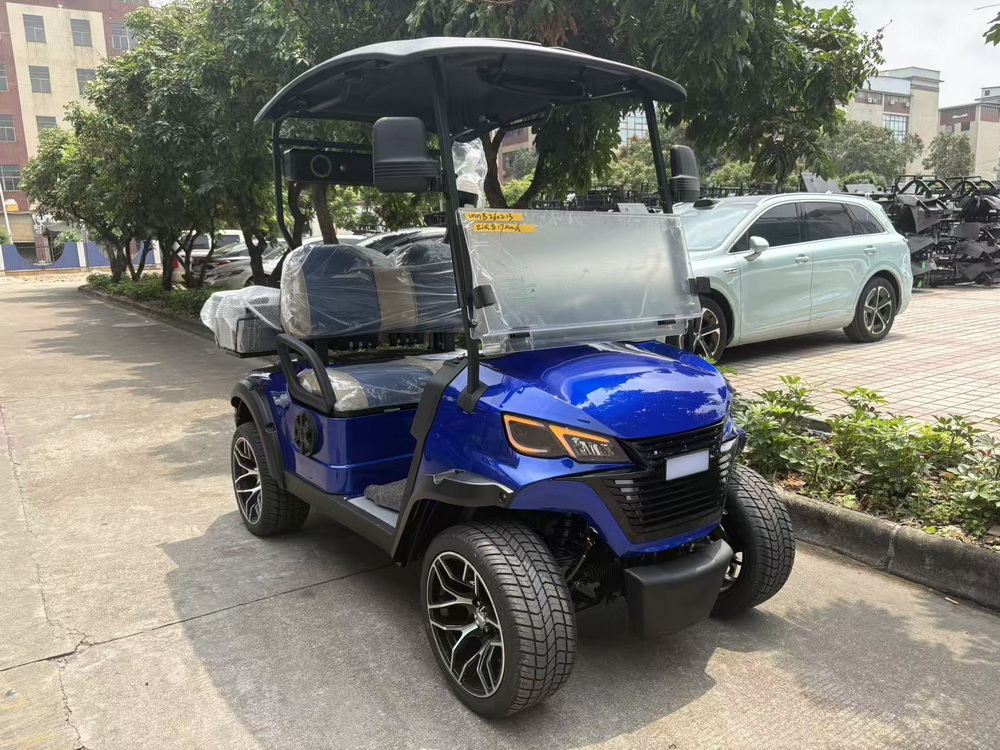
A multi-purpose EV can support employee transport, maintenance response, security patrols, internal deliveries, housekeeping, inspections, visitor movement, and light cargo handling. Its main value is flexibility across several departments.
A specialized maintenance cart improves technician efficiency by carrying tools, parts, ladders, equipment, and safety supplies in a structured layout. It reduces time spent loading vehicles and returning to storage areas.
It can replace a maintenance cart when the work is light, variable, and does not require dedicated tool storage or special equipment. For technical teams with frequent service calls, a specialized maintenance cart may still be more productive.
Lithium batteries may be suitable for intensive daily use, faster charging needs, and lower routine maintenance requirements. Lead-acid batteries may be appropriate for lower-utilization fleets or budget-driven applications. The correct option depends on the duty cycle, climate, charger access, and lifecycle target.
Managers can reduce downtime by standardizing key components, maintaining scheduled inspections, training drivers, monitoring battery charging habits, stocking common replacement parts, and using shared vehicles as backup units.
Operators should inspect the tires, brakes, steering, lights, horn, battery status, cargo security, parking brake, and visible damage. A short pre-operation inspection can help prevent failures during use.
Yes. OEM manufacturers can often customize body colors, logos, seating, cargo beds, storage compartments, tool cabinets, tires, roofs, batteries, chargers, lights, and other features based on regional market requirements and customer applications.
1. [Raymond West — Commercial Electric Utility Vehicles for Indoor Manufacturing]
2. [Weekly Safety — Golf Cart Safety Hazards When Used at Work Facilities]
3. [Solana EV — Top Electric Work Carts for Operations]
4. [Conger Industries — The Rise of Electric Industrial Utility Vehicles]
5. [Solana EV — Golf Cart Safety Training for Workplace Operations]
6. [Naveo EV — Benefits of Golf Carts for Campus Transportation]


