


Views: 229 Author: BorCart Publish Time: 2026-08-09 Origin: Site


Content Menu
● Why Delaware Businesses Need the Right Golf Cart Supply Partner
● BorCart OEM Golf Carts for Delaware Dealers and Brands
>> Golf Cart Customization Options
● Choosing the Right Golf Cart Configuration
>> Lead-Acid or Lithium Battery Systems?
● A Practical OEM Sourcing Process
>> Step 1: Define the Target Market
>> Step 2: Select the Vehicle Platform
>> Step 3: Confirm the Product Specification
>> Step 4: Review Samples and Product Details
>> Step 5: Plan Quality Control and Documentation
>> Step 6: Prepare for Delivery and Parts Support
● Delaware Low-Speed Vehicle Considerations
● How Dealers Can Build a Stronger Golf Cart Product Line
>> Accessories That Add Real Value
● Why Manufacturing Partnership Matters
● Build Your Delaware Golf Cart Product Line with BorCart
>> Does BorCart sell golf carts directly to individual buyers in Delaware?
>> Can I add my own brand to a BorCart golf cart?
>> Should I choose a lead-acid or lithium golf cart battery?
>> Can a regular golf cart be driven on Delaware public roads?
>> What should a dealer prepare before importing golf carts?
>> What information should I provide when requesting an OEM quote?
For dealers, wholesalers, fleet operators, resort buyers, and private-label brands, searching for golf carts for sale in Delaware is not simply a retail purchasing decision. It is a long-term product, supply-chain, quality-control, and after-sales planning decision.
BorCart is an OEM-focused electric vehicle manufacturer in China that works with overseas brands, wholesalers, and vehicle businesses seeking customized golf carts, utility vehicles, sightseeing vehicles, and related EV components. Rather than operating as a local Delaware retail dealership, BorCart supports businesses that want to build, expand, or differentiate their own golf cart product lines for Delaware and other U.S. markets.
Whether your target customers are golf courses, coastal communities, resorts, property-management companies, campuses, rental operators, or private owners, the right product starts with more than selecting a vehicle color or seating capacity. It requires matching configuration, battery technology, local-use requirements, product positioning, and service planning to the needs of your market.
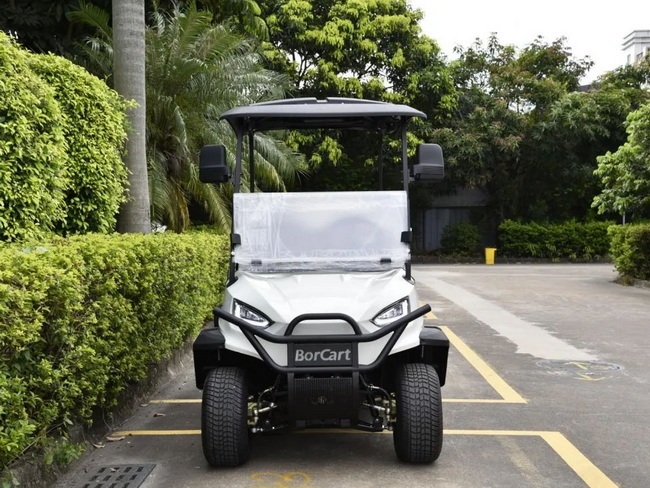
Delaware offers diverse use cases for electric golf carts. A dealer may serve residential communities, vacation properties, golf clubs, hospitality facilities, maintenance teams, warehouses, and local fleets. Each application requires a different balance of passenger capacity, cargo capability, range, battery type, ride comfort, and accessory options.
A two-seat golf cart may be suitable for a golf-course operation or personal use. A four-seat or six-seat vehicle may be more appropriate for resorts, residential communities, tour operations, and family-oriented buyers. Utility golf carts with cargo beds can support facility maintenance, landscaping, security patrols, warehouses, farms, and event operations.
A successful product line begins with use case clarity. Before importing or ordering a golf cart, businesses should define who will use it, where it will operate, what it must carry, and how the vehicle will be serviced after delivery.
For Delaware distributors and brands, choosing a manufacturing partner also means considering product consistency. Customers expect the second shipment to match the first in quality, configuration, finish, and key components. A supplier that can communicate clearly about specifications, sample approval, parts, packaging, and documentation can help reduce avoidable issues later.
BorCart supports OEM and customized electric golf cart projects for buyers that want to sell under their own brand, develop a targeted vehicle range, or source models for a defined commercial application. The goal is not simply to supply a generic vehicle. It is to help customers select a configuration that fits their business model and target users.
A practical OEM project can begin with a standard golf cart platform and evolve through selected upgrades, accessories, branding elements, battery solutions, seating choices, and packaging requirements. This approach gives dealers and wholesalers a more controlled way to create a recognizable product offering without developing a vehicle from the ground up.
Depending on the selected model and project requirements, businesses may evaluate options such as:
- Passenger capacity: Two-seat, four-seat, six-seat, and rear-facing seating layouts
- Battery system: Lead-acid or lithium battery configurations based on price point, charging expectations, and intended use
- Exterior finish: Body colors, two-tone combinations, decals, logos, and private-label branding
- Seating design: Seat colors, materials, rear-facing kits, armrests, and comfort upgrades
- Wheel and tire packages: Standard wheels, upgraded wheels, all-terrain tires, and lifted-cart configurations
- Lighting and signaling: Headlights, taillights, turn signals, mirrors, horns, and other equipment suitable for the intended application
- Cargo solutions: Rear cargo beds, utility boxes, storage compartments, and work-oriented accessories
- Weather protection: Windshields, enclosures, roofs, and seasonal-use accessories
- Packaging approach: Export packaging and loading plans aligned with the buyer's shipping and destination requirements
Customization should always serve a commercial purpose. For example, a dealer that sells primarily to beach communities may prioritize corrosion-conscious materials, comfortable seating, easy-clean surfaces, and weather protection. A commercial fleet supplier may focus on payload, storage, durable tires, lighting, and simplified maintenance access.
The best configuration depends on the intended customer and operating environment. Buyers should avoid selecting models solely based on appearance or a single feature. Instead, use a structured comparison to align the vehicle with its expected job.
| Golf Cart Type | Typical Application | Important Considerations |
|---|---|---|
| 2-seat electric golf cart | Golf courses, private owners, compact properties | Storage space, battery type, charging access, comfort, and turning radius |
| 4-seat electric golf cart | Families, resorts, rental businesses, residential communities | Passenger space, rear-seat layout, suspension, braking, and total weight |
| 6-seat electric golf cart | Hotels, sightseeing projects, guest transport, larger properties | Seating access, route distance, charging plan, vehicle dimensions, and fleet support |
| Utility golf cart | Maintenance, security, estates, facilities, warehouses | Cargo capacity, durable tires, storage, lighting, and worksite terrain |
| Lifted golf cart | Private properties, rougher surfaces, recreational users | Stability, tire selection, ride quality, steering, and intended terrain |
| Low-speed vehicle project | Approved local road-use programs | Vehicle classification, equipment, title documents, insurance, and route restrictions |
Battery selection affects performance, price, maintenance planning, and the ownership experience. BorCart offers golf-cart options with lead-acid and lithium battery systems, allowing buyers to align the battery choice with the needs of their target market.
Lead-acid systems may be considered by buyers seeking a familiar and cost-conscious option. They require an appropriate charging routine, regular inspection, and a clear maintenance plan. Dealers should educate end users about battery care, storage, water levels where applicable, cable condition, and charger use.
Lithium battery systems may appeal to customers seeking a modern battery solution with different weight, maintenance, and performance characteristics. However, buyers should still review battery capacity, charger compatibility, protection systems, charging conditions, warranty terms, and service procedures before finalizing a specification.
Battery choice should follow the customer profile. A value-driven market, a rental fleet, a golf facility, and a premium private-label brand may each require a different approach.
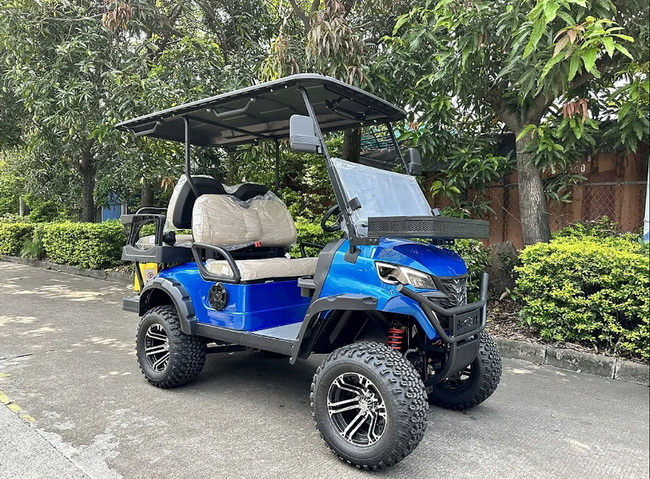
A structured sourcing process helps reduce ambiguity between the buyer and manufacturer. It also gives the buyer a better foundation for product planning, marketing, import coordination, and after-sales preparation.
Start by identifying the intended buyers and applications. Are you supplying private homeowners, golf courses, resorts, campus operators, fleet customers, or dealerships? Is the primary demand for personal transportation, commercial utility work, guest transport, or recreation?
This step determines the product range. It also helps clarify the appropriate seating capacity, battery type, accessory package, wheel and tire selection, and branding style.
Choose a base model that suits the application. A compact two-seat cart, a family-oriented four-seat cart, a six-seat shuttle-style vehicle, or a utility cart can each form the foundation of a different product category.
Buyers should consider vehicle size, passenger flow, cargo needs, expected terrain, charging infrastructure, storage space, and the service capability of their own organization or local partners.
Once the platform is selected, the buyer can confirm a detailed specification. This may include the battery system, motor-related configuration, paint color, seat design, wheels, tires, lights, mirrors, cargo accessories, logo placement, and packaging details.
A written specification is essential. It reduces the risk of misunderstandings and gives sales, procurement, quality, and logistics teams a shared reference point.
For a private-label or customized project, a sample review can help the buyer assess fit, finish, seating comfort, branding presentation, controls, accessory quality, and the suitability of the selected configuration for the intended market.
Use this stage to identify potential improvements before a larger order. It is far more efficient to refine a seat color, logo position, wheel option, or accessory package during the sample phase than after a shipment has been produced.
Quality expectations should be discussed before production, not after delivery. Buyers should clarify inspection standards, cosmetic expectations, operational checks, packaging requirements, parts allocation, identification labels, and documents needed for their destination market.
For road-capable or low-speed vehicle projects, documentation deserves special attention. Importers and dealers should verify all relevant requirements for the vehicle classification and the intended state or local market.
A golf cart purchase does not end when the container leaves the factory. Businesses should plan for spare parts, technical questions, customer support, storage, assembly where needed, and future service needs.
Dealers that prepare a basic parts inventory and train their teams on common maintenance questions can deliver a more reliable ownership experience. This preparation can also help strengthen customer confidence in a new private-label golf cart brand.
Businesses planning to sell or deploy golf carts in Delaware should understand that a golf cart is not automatically approved for public-road use. A standard golf cart, a modified cart, and a legally defined low-speed vehicle may be treated differently.
Delaware defines a low-speed vehicle as a four-wheeled motor vehicle, other than a truck, capable of traveling more than 20 mph but no more than 25 mph on a paved level surface. The vehicle is also subject to weight limitations and equipment requirements.
For a new low-speed vehicle in Delaware, registration may require a Manufacturer's Certificate or Statement of Origin identifying the vehicle as a low-speed vehicle, a low-speed vehicle self-inspection affidavit, vehicle identification number verification, title application materials, and proof of Delaware insurance.
Eligible low-speed vehicles may generally operate only on roads with posted speed limits of 35 mph or below, subject to additional state rules and restrictions. Operators must also hold a valid driver's license.
Do not make road-use claims without verification. A dealer, importer, or brand should confirm current state and local requirements before marketing a vehicle as street legal, road ready, or suitable for a specific route.
A successful golf cart range should not rely on a single model. Buyers often have different budgets, passenger requirements, and intended uses. A practical dealer portfolio may include several clear categories.
- An entry-level two-seat electric model for price-conscious users
- A four-seat model for residential and family buyers
- A six-seat model for hospitality, community, and guest-transport applications
- A utility model for commercial, maintenance, and worksite use
- A lithium-equipped model for customers seeking a premium battery option
- A customized private-label series that builds recognition for the dealer's own brand
Each category should have a clear target customer and a straightforward value proposition. Too many overlapping models can create confusion. A focused range, supported by product training and available parts, is often more effective than a broad but poorly defined inventory.
Accessories can improve the ownership experience, but only when they solve a genuine problem. Consider the practical value of each addition before making it part of a standard package.
- Rear-facing seat kits can expand passenger capacity for families, resorts, and rental use.
- Cargo beds can make a cart more useful for maintenance teams and facility operators.
- Enclosures and windshields can improve comfort in changing weather conditions.
- Storage solutions can help golfers, homeowners, security teams, and commercial users organize their equipment.
- Lighting and signaling packages may be appropriate where the vehicle's use and local requirements call for them.
- Upgraded wheels and tires can support specific terrain needs, but should be selected with handling and stability in mind.
The strongest accessory programs are built around real customer feedback and intended use—not simply visual upgrades.
For brands and wholesalers, a golf cart supplier is more than a source of vehicles. The supplier becomes part of the product experience that customers associate with the brand.
A capable manufacturing relationship can support product differentiation, clearer configuration control, more consistent branding, and better preparation for future orders. It can also help businesses respond to changes in customer preferences, such as greater interest in lithium batteries, passenger-focused models, utility applications, or customized exterior designs.
BorCart works with overseas brands, wholesalers, and vehicle businesses seeking OEM golf cart and EV component solutions. Its product range includes electric golf carts, utility vehicles, sightseeing vehicles, and lithium battery golf cart options.
The right partnership begins with a detailed conversation. Buyers should share their destination market, intended vehicle applications, preferred seating capacity, battery choice, expected order quantity, branding goals, and special configuration requirements.
If you are looking for a golf cart manufacturer for a Delaware-focused dealership, private-label brand, fleet project, wholesale program, or commercial application, BorCart can help you evaluate an OEM solution that fits your market.
Share your target customer, preferred vehicle type, seating capacity, battery requirements, customization needs, and estimated order quantity. BorCart can help you identify a practical electric golf cart configuration for your product line and prepare for the next stage of sourcing.
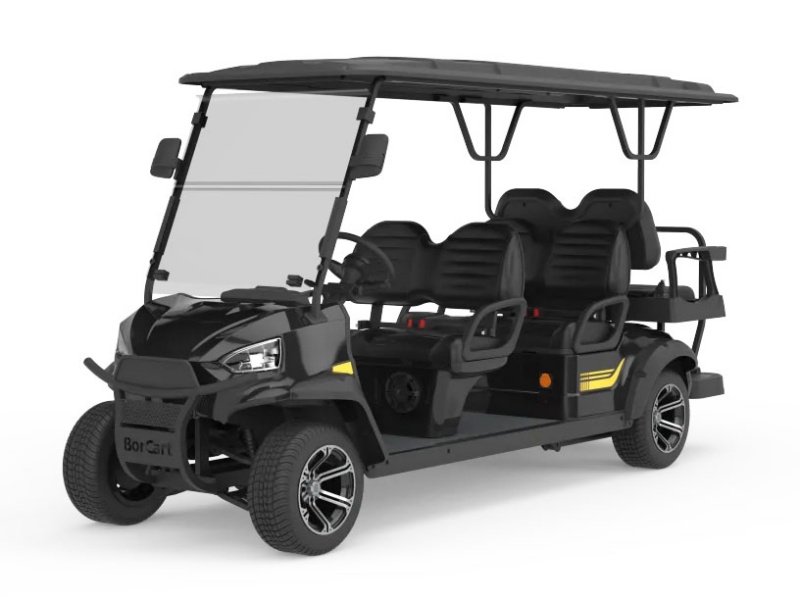
BorCart is focused on OEM and business-to-business electric vehicle projects. It works with overseas brands, wholesalers, dealers, and vehicle businesses that need golf carts, utility vehicles, sightseeing vehicles, or related EV components.
Private-label projects may include branding elements such as logos, decals, selected colors, seat styling, packaging, and configuration choices. The available options should be confirmed according to the selected model and order requirements.
The right battery depends on your target market, budget, customer expectations, charging plan, and intended vehicle use. Lead-acid and lithium systems have different ownership considerations, so buyers should review the full configuration before making a decision.
Not automatically. Public-road use depends on the vehicle's classification, equipment, registration, insurance, documentation, and the specific roads where it will operate. Confirm Delaware and local requirements before making road-use claims.
Dealers should prepare a clear product specification, quality expectations, shipping plan, destination-market documentation requirements, parts strategy, service process, and customer-support plan.
Provide the target market, product type, seating capacity, battery preference, desired colors or branding, accessory requirements, anticipated order quantity, and any special use conditions. This gives the manufacturer a stronger basis for recommending an appropriate solution.
1. [BorCart — OEM Golf Carts & EV Components Manufacturer in China] — BorCart's stated OEM focus, customer types, and product categories, including golf carts, utility vehicles, sightseeing vehicles, and EV components. [borcart]
2. [BorCart — Wholesale Golf Carts, China Golf Carts Manufacturer & Supplier] — Product-level information on BorCart golf carts and available lead-acid and lithium battery system options. [borcart]
3. [BorCart — 72V Lithium Battery Golf Carts] — BorCart lithium battery golf cart category and stated battery-capacity customization information. [borcart]
4. [Delaware Division of Motor Vehicles — Low-Speed Vehicles] — Delaware requirements covering low-speed vehicle definitions, documents, insurance, registration, and vehicle identification number procedures. [dmv.de]
5. [Delaware Code, Title 21, §2113A] — Delaware statutory provisions governing low-speed vehicle use, road restrictions, licensing, and restrictions concerning retrofitted golf carts.
6. [U.S. Department of Energy Alternative Fuels Data Center — Maintenance and Safety of Electric Vehicles] — General context on electric-vehicle battery maintenance and charging practices.


