


Views: 218 Author: BorCart Publish Time: 2026-08-21 Origin: Site


Content Menu
● Why Golf Cart Insurance Matters
● Golf Cart vs. Low-Speed Vehicle
>> Why Classification Changes Insurance Needs
● Core Golf Cart Insurance Coverage
>> Uninsured and Underinsured Motorist Coverage
● Protecting Accessories and Upgrades
>> Accessory Documentation Checklist
● How Much Does Golf Cart Insurance Cost?
>> Factors That Affect Premiums
● A Smarter Way to Choose Coverage
>> Step 2: Check Local and Community Rules
>> Step 3: Build the Coverage Around Your Exposure
>> Step 4: Compare Like for Like
● A Manufacturer's Perspective on Risk
● Build a Cart Program With Confidence
>> Is golf cart insurance legally required?
>> Does homeowners insurance cover a golf cart?
>> What does golf cart insurance usually cover?
>> Does comprehensive coverage include golf cart theft?
>> How can I insure custom golf cart parts?
>> Can a commercial golf cart fleet use a personal policy?
>> Do electric golf carts cost more to insure?
A golf cart can be a practical neighborhood vehicle, a resort shuttle, a workhorse for facilities, or a valuable part of a golf operation. Golf cart insurance helps protect the owner when an accident, theft, weather event, or liability claim turns a convenient ride into an expensive problem.
For personal owners, communities, fleet operators, and commercial buyers, the right policy depends less on the cart's appearance and more on where it operates, who drives it, how it is equipped, and whether it is treated as a conventional golf cart or a street-legal low-speed vehicle (LSV).

Many owners assume their home, auto, or business policy automatically protects a golf cart. That assumption can create a serious coverage gap.
A conventional cart used solely on private property may not be legally required to carry insurance. However, a cart used in a residential community, resort, golf course, warehouse campus, marina, or public-road environment can expose the owner to injury claims, property damage, theft, vandalism, battery-related losses, and repair bills.
The main question is not simply "Do I own a golf cart?" It is:
> "What could happen during the way I actually use it?"
For example, a cart may be used for a short trip to the clubhouse one day, then carry guests, tools, supplies, or children through a residential community the next. Each use changes the potential risk.
A dedicated policy can help address losses involving:
- Injuries to another person caused by the driver
- Damage to another vehicle, building, fence, or personal property
- Repairs after a collision
- Theft, vandalism, fire, flooding, wind, or falling objects
- Medical costs for the driver or passengers
- Incidents involving an uninsured or underinsured motorist
- Damage to eligible custom parts and accessories
Insurance terms, limits, exclusions, deductibles, and availability vary by insurer and jurisdiction. Owners should always confirm the actual policy wording before relying on coverage.
Understanding the vehicle's classification is one of the most important steps before buying a policy.
In the United States, a conventional golf cart and a low-speed vehicle are not necessarily the same thing. A traditional cart generally has a maximum speed of 20 mph or less and is typically designed for golf-course or limited private-property use. A federally defined LSV is a four-wheeled vehicle capable of traveling more than 20 mph but not more than 25 mph on a paved, level surface, subject to weight limits and certain equipment requirements.
An LSV generally needs safety features such as:
- Headlamps and tail lamps
- Turn signals
- Reflectors
- Exterior mirrors
- A windshield
- Seat belts
- A vehicle identification number
This distinction affects how the vehicle may be registered, operated, and insured. State, county, and municipal rules can impose additional conditions, including road-speed restrictions, licensing requirements, registration, and minimum liability coverage.
| Vehicle Use Scenario | Likely Risk Level | Coverage Priorities |
|---|---|---|
| Private land or golf course only | Lower | Liability, physical damage protection |
| Gated community or HOA roads | Moderate | Liability, medical payments, accessories |
| Resort, hotel, or rental operation | High | Commercial liability, fleet controls, physical damage |
| Street-legal LSV use | Higher | State-required liability, collision, comprehensive, uninsured motorist |
| Industrial or campus transport | High | Commercial policy review, driver rules, cargo or equipment considerations |
Do not assume a golf cart policy applies to every operating environment. A cart used for commercial transportation, rentals, deliveries, or employee movement may require business-specific protection rather than a personal recreational policy.
A well-designed golf cart insurance policy typically combines liability protection with optional protection for the cart itself.
Liability coverage is the foundation of most policies. It may help pay for injuries or property damage that the insured driver causes to others.
A low-speed collision can still result in substantial expenses. A passenger may fall from the cart. A driver may strike a parked vehicle, gate, landscaping feature, storefront, or pedestrian. Even when the cart's repair cost is limited, a third-party claim can be much larger.
Liability coverage is often divided into:
- Bodily injury liability: Helps pay for injuries to other people when the insured is legally responsible
- Property damage liability: Helps pay for damage to another person's vehicle or property
- Legal defense costs: May be included under the policy terms when a covered claim leads to legal action
For owners who drive in communities or share roads with cars, bicycles, and pedestrians, liability limits deserve more attention than the cart's purchase price alone.
Collision coverage may help repair or replace the golf cart after impact with another vehicle or object, subject to the deductible and policy terms.
It can be especially valuable when the cart has a higher replacement cost, lithium battery system, enclosed cabin, upgraded suspension, premium seating, or a fleet-specific configuration.
Consider collision coverage if:
- The cart is financed or leased
- Repair parts are expensive or specialized
- The cart is used frequently in busy areas
- The owner could not comfortably replace the vehicle after a total loss
- Multiple drivers use the cart
Comprehensive coverage generally addresses covered losses not caused by a collision. Depending on the policy, this may include theft, vandalism, fire, severe weather, flood damage, glass breakage, or damage caused by an animal.
This coverage matters because golf carts are often stored in open carports, garages, resort compounds, club facilities, or seasonal properties. Those locations can increase exposure to weather, unauthorized use, or theft.
For a customized cart, comprehensive coverage should be reviewed together with accessory coverage. The standard value assigned to a base-model cart may not reflect the actual investment in upgrades.
Medical payments coverage can help with eligible medical expenses for the driver and passengers injured in a covered incident, often regardless of fault.
This can be useful in family, resort, and community settings where passengers may include children, older adults, visitors, or customers. The available limit may be modest, so it should not be treated as a replacement for health insurance or broader liability protection.
This coverage may help when another driver causes an accident but has no insurance or insufficient coverage.
The exposure is particularly relevant when golf carts and LSVs operate near conventional road traffic. A cart's occupants have less physical protection than occupants of a passenger vehicle, making a collision with an uninsured driver financially and physically consequential.
Golf carts increasingly include features that resemble those of passenger vehicles: LED lighting, custom wheels, audio systems, rear-facing seats, windshields, lifted suspensions, weather enclosures, utility beds, premium upholstery, GPS, and lithium battery upgrades.
These modifications improve usability and customer appeal, but they also increase replacement value.
Some insurers include limited accessory protection when collision and comprehensive coverage are purchased. For instance, Progressive states that its policy automatically includes $3,000 in accessory coverage when both comprehensive and collision are selected, with higher limits potentially available. Owners should verify whether the limit applies to all additions, whether receipts are required, and whether depreciation applies.
Before requesting a quote or submitting a claim, create a simple vehicle record:
1. Record the VIN or serial number, model, model year, and purchase date.
2. Photograph the cart from all sides, including battery compartment and installed accessories.
3. Keep invoices for upgrades, labor, batteries, electronics, and safety equipment.
4. Note the estimated replacement cost of the cart and its modifications.
5. Update the record after major upgrades or repairs.
6. Store copies in cloud storage rather than only inside the cart or garage.
This process can make underwriting more accurate and reduce friction after a loss.
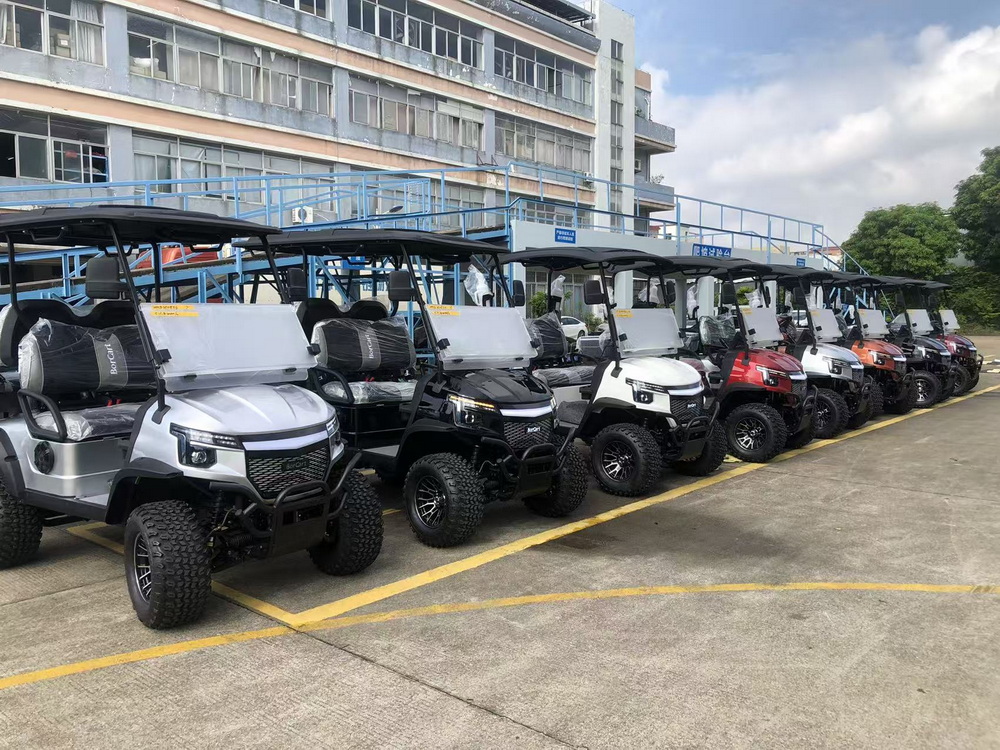
Golf cart insurance costs vary substantially. Basic liability coverage may be available from around $75 per year in some markets, but this is not a universal price or a guarantee. The actual premium depends on the owner, vehicle, location, intended use, coverage limits, deductibles, and claims history.
A practical budget should consider more than the annual premium. Owners should compare the premium with the deductible, liability limits, exclusions, and the insurer's approach to custom equipment.
| Pricing Factor | Why It Matters |
|---|---|
| Vehicle value | Higher-value carts can cost more to repair or replace |
| Vehicle classification | Street-legal LSVs may face different requirements and exposures |
| Where the cart operates | Public-road, community, and commercial use can raise risk |
| Driver profile | Age, driving record, and number of drivers may affect pricing |
| Coverage limits | Higher liability limits generally increase premiums |
| Deductible | A higher deductible can reduce premium but increases out-of-pocket cost |
| Accessories | Custom paint, audio, lighting, seating, and batteries may need added coverage |
| Storage and security | Locked storage and theft-prevention features may influence risk assessment |
The cheapest policy is not always the lowest-cost choice after an accident. A low premium with inadequate liability limits or no accessory protection may leave the owner responsible for a large uncovered balance.
Buying golf cart insurance should be a structured decision rather than a quick checkbox at checkout.
Write down every location where the cart may operate:
- Golf course
- Private residence
- HOA community
- Resort or campground
- Public street
- Warehouse or factory site
- School, hotel, or commercial campus
- Rental or guest-transport route
Then identify the typical passengers, average speed, storage location, annual mileage, and whether drivers are employees, family members, guests, or customers.
Review state and local requirements before using a cart beyond private property. Also check HOA covenants, golf-course agreements, resort rules, rental contracts, and commercial-site policies.
A community may require proof of liability coverage even when state law does not. Street-legal LSV use may bring separate registration, equipment, and insurance obligations.
For a basic privately used cart, liability plus comprehensive coverage may be a sensible starting point. For a valuable or highly customized vehicle, consider collision and sufficient accessory protection.
For commercial users, fleet operators, resorts, and dealers, ask whether the policy addresses:
- Permitted drivers and driver screening
- Employee use
- Customer or guest transportation
- Rental exposure
- Multiple vehicles under one policy
- Tools, cargo, or equipment carried on the cart
- Business interruption after a covered loss
- Storage and transport between facilities
When requesting quotes, give each insurer the same information and compare the same limits. A quote with lower liability limits, a much higher deductible, or excluded custom parts is not directly comparable with a broader policy.
Ask these questions:
- Is the cart covered only on private property, or also in my community?
- Does the policy cover street-legal LSV operation?
- What liability limits apply?
- Are passengers covered for medical payments?
- Are theft, weather, vandalism, and fire included?
- What is the accessory limit?
- Are lithium batteries and aftermarket components included?
- Is roadside support available?
- Does the policy exclude commercial, rental, or work use?
For manufacturers, distributors, fleet buyers, and OEM partners, insurance readiness begins before the vehicle reaches the end user.
A vehicle specification should clearly document its intended use, speed capability, seating capacity, lighting configuration, braking system, battery technology, cargo features, and applicable vehicle identification information. Clear documentation helps distributors communicate accurately with insurers, regulators, buyers, and community managers.
At BorCart, we understand that overseas buyers may need more than an attractive product configuration. They may need a golf cart platform tailored to their market, including utility layouts, passenger seating, lighting packages, enclosures, battery options, branding, and other OEM requirements.
The best insurance outcome starts with a properly specified vehicle and an honest description of how it will be used. Buyers should avoid representing a commercial, public-road, or rental operation as occasional private recreational use. Accurate disclosure supports a more reliable policy and a clearer claims process.
A successful golf cart program combines the right vehicle, a realistic use plan, clear safety procedures, and insurance that matches the actual operating environment.
Whether you are sourcing customized electric golf carts for a dealership, resort, community, rental business, or industrial fleet, BorCart can support your OEM requirements with vehicle configurations designed around your target market. Contact BorCart to discuss your product specifications, branding needs, and export-focused golf cart program.
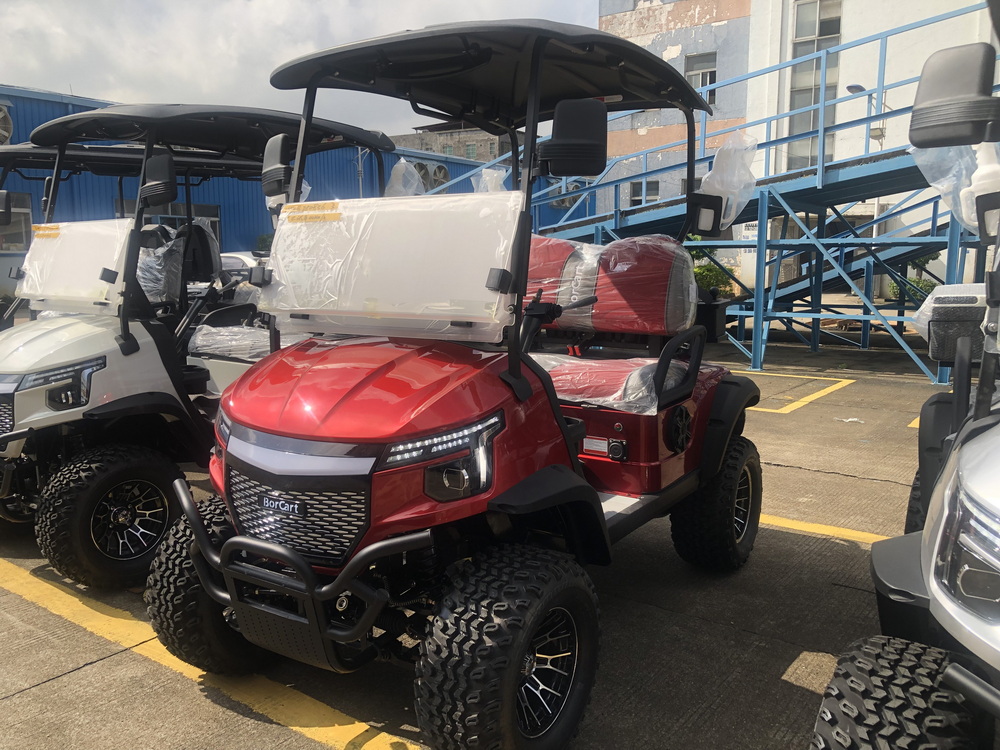
It depends on the jurisdiction and the cart's use. A conventional cart used only on private property may not require insurance, while street-legal LSVs and carts used on certain public roads, communities, golf courses, or resorts may face insurance requirements. Always check local regulations and property rules.
It may provide limited protection in specific situations, but coverage can be restricted by the cart's location, registration status, intended use, and policy exclusions. Review the policy and obtain written confirmation from the insurer rather than assuming coverage applies.
Common options include bodily injury liability, property damage liability, collision, comprehensive, medical payments, uninsured or underinsured motorist coverage, and coverage for approved custom accessories. Actual coverage depends on the policy.
Comprehensive coverage may cover theft, vandalism, fire, weather damage, and other non-collision losses, subject to exclusions, deductibles, and policy limits. Confirm whether the insurer covers the full vehicle value and installed accessories.
Keep photos, itemized invoices, serial numbers, and installation records. Ask the insurer whether custom parts are included automatically or require a separate endorsement, and verify the dollar limit for accessories.
Usually, a personal policy may not be suitable for carts used in rentals, guest transportation, employee operations, deliveries, or other business activities. Commercial users should disclose their operations and seek coverage designed for business or fleet exposure.
Not necessarily. Pricing depends on the vehicle value, battery system, use, location, driver profile, coverage choices, and repair costs. A premium electric cart with costly batteries and accessories may need higher physical-damage limits than a basic model.
2. [National Highway Traffic Safety Administration — Conventional Golf Carts and Low-Speed Vehicles]
3. [Insurance Information Institute — Homeowners Insurance Coverage Overview]
4. [Insurance Information Institute — Homeowners Policy Sample and Golf Cart Liability Provisions]
5. [Progressive — Golf Cart Insurance Coverage]
6. [Progressive — Golf Cart Insurance Cost]
7. [GEICO — Golf Cart Insurance Cost and Coverage Options]
8. [Progressive — Florida Golf Cart and Low-Speed Vehicle Insurance Requirements]


