


Views: 220 Author: BorCart Publish Time: 2026-08-20 Origin: Site


Content Menu
● Why Coastal Humidity Causes Battery Failure
● BMS-Protected Lithium Battery vs. Manual Maintenance
>> What a BMS Actually Protects
● Where Manual Maintenance Fails in Practice
● Coastal Zone Risk: Condensation Is Often the Hidden Problem
>> Practical Design Priorities for Coastal Fleets
● A Better Maintenance Model for Lithium Utility Carts
>> Seasonal Coastal Inspection
● Selecting the Right Battery for Your OEM Project
● Questions to Ask an OEM Battery Supplier
● Build a More Reliable Coastal Vehicle Fleet
● FAQ
>> Is a BMS-protected lithium battery completely maintenance-free?
>> Can lithium batteries be used in coastal utility carts?
>> Does high humidity reduce lithium battery life?
>> Why do lead-acid batteries need more maintenance?
>> What is the biggest advantage of lithium for utility-cart fleets?
>> Should OEM buyers choose lithium or lead-acid for a coastal market?
For utility carts, electric vehicles, and industrial mobile equipment operating near the sea, battery reliability is not only a capacity issue—it is an uptime, safety, and warranty issue. BMS-protected lithium batteries and manually maintained lead-acid batteries can both power a fleet, but their response to salt air, condensation, corrosion, and irregular maintenance is fundamentally different.
For overseas brands, wholesalers, and vehicle manufacturers sourcing OEM utility carts from China, the practical question is not simply "Which battery costs less?" It is: Which battery system can deliver predictable performance in high-humidity coastal zones while reducing service interruptions and field failures?
At BorCart, we see this distinction regularly when evaluating power systems for golf carts, utility carts, resort vehicles, campus transport, warehouse carts, and customized electric vehicles. A lithium battery with a properly specified Battery Management System (BMS) provides active protection and operational visibility. A conventional manually maintained battery depends heavily on daily discipline, correct charging, water-level checks, cleaning, and corrosion control.
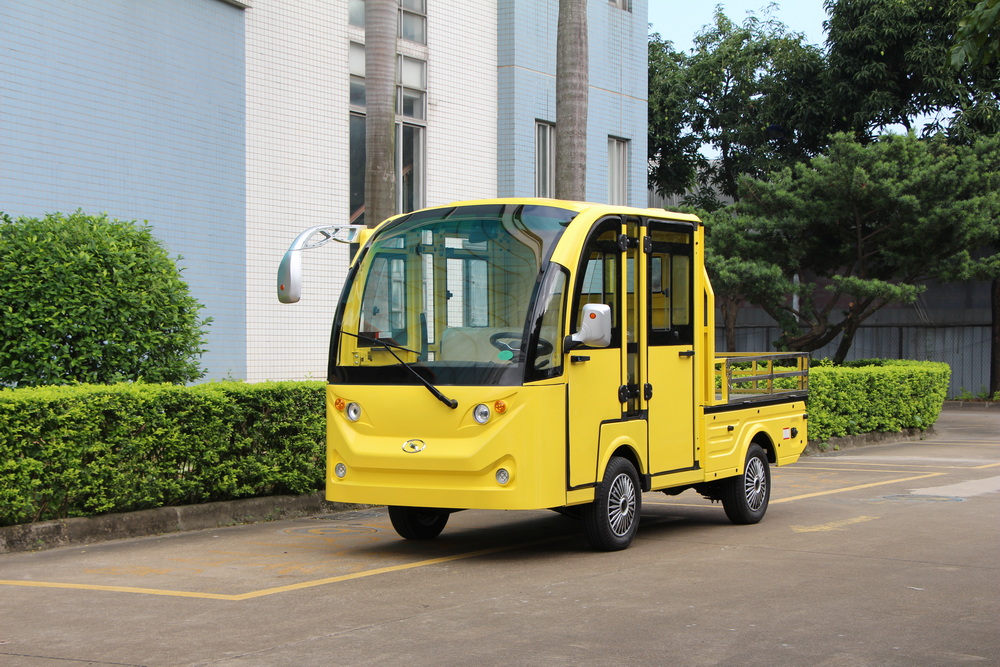
High-humidity coastal environments combine several battery stress factors:
- Moisture-rich air
- Salt aerosol and salt deposits
- Temperature swings between day and night
- Condensation inside enclosures
- Corrosion at terminals, busbars, connectors, and control boards
- Long idle periods followed by high-load operation
Humidity alone does not always cause immediate battery failure. The more serious threat is the combination of moisture, salt contamination, poor ventilation, and insufficient inspection. When condensation forms, it can lower insulation resistance, accelerate corrosion, create leakage paths, and damage electronic components.
For lithium systems, moisture and condensation can affect connectors, enclosure seals, wiring, sensors, and the BMS circuit board. Maritime battery-system guidance specifically identifies high humidity and condensation as conditions requiring humidity control to reduce electrical arcing risk, particularly in air-cooled systems. It also states that BMS functionality should remain active during storage and monitoring periods.
For lead-acid batteries, coastal conditions often create a more visible maintenance burden: terminal oxidation, acid residue, water loss, uneven charging, sulfation, and reduced capacity. In practice, a battery can appear operational until poor connections or cell imbalance create a sudden failure under load.
The central difference is simple:
- BMS-protected lithium batteries actively monitor and protect the pack
- Manual-maintenance batteries depend on people noticing problems early enough
A BMS is an electronic control system integrated into a lithium battery pack. It monitors operating conditions and can interrupt charging or discharging when values move outside configured limits.
| Evaluation Area | BMS-Protected Lithium Battery | Manual-Maintenance Battery |
|---|---|---|
| Daily maintenance | Low | High |
| Watering requirement | None | Regular checking and refilling may be required |
| Cell balancing | Automatic through BMS design | Typically manual or limited by charger behavior |
| Overcharge protection | Active electronic cutoff | Depends on charger quality and operator behavior |
| Deep-discharge protection | Active electronic cutoff | Often vulnerable to excessive discharge |
| Temperature monitoring | Usually integrated | Often absent or external |
| Fault visibility | Alerts, data output, status indicators | Visual inspection and voltage checks |
| Weight | Lower for comparable usable energy | Higher |
| Corrosion exposure | Reduced at battery chemistry level, but terminals and electronics still require protection | Higher maintenance demand due to terminals, vents, electrolyte and acid-related contamination |
| Coastal suitability | Strong when enclosure, connectors and BMS protection are correctly specified | Possible, but highly dependent on maintenance quality |
A well-designed BMS can monitor:
- Cell voltage
- Pack voltage
- Charge current
- Discharge current
- Cell and pack temperature
- State of charge
- Cell imbalance
- Short-circuit conditions
- Overcharge and over-discharge events
When thresholds are exceeded, the BMS can limit or disconnect current. For example, if an operator leaves a utility cart charger connected during unstable grid conditions, the BMS can provide an additional layer of pack-level control beyond the charger itself.
However, buyers should avoid a common misconception: a BMS is not a substitute for correct battery enclosure design. It cannot fully protect a poorly sealed pack from water ingress, salt corrosion, damaged cable glands, or standing water inside a battery compartment.
Manual maintenance is not inherently unreliable. Many lead-acid battery fleets operate successfully for years. The problem is that their performance is closely linked to maintenance consistency.
In a controlled indoor fleet, technicians may inspect every battery weekly. In a coastal resort, port facility, island community, or rental fleet, the maintenance routine may be interrupted by rain, staff turnover, seasonal demand, or limited technical training.
The most common field issues include:
- Low electrolyte levels caused by missed watering
- Overfilling, which can lead to electrolyte overflow
- Corroded terminals from salt air and acid residue
- Loose cables that create heat and voltage drop
- Uneven battery charge across a series string
- Deep discharge during peak operating hours
- Charging before batteries have cooled sufficiently
- Ignoring early signs such as slower acceleration or reduced range
A manually maintained battery bank can therefore fail through a chain of small oversights. One weak battery may force the whole pack to work harder. One corroded connection may cause voltage loss. One missed watering cycle may permanently reduce battery life.
For OEM buyers, the operational implication is important: the battery choice affects the service model you must build around the vehicle.
Salt spray is visible. Condensation is not.
A battery compartment may look dry during daytime inspections but develop condensation overnight when warm, humid air contacts cooler internal surfaces. This can occur in enclosed vehicle compartments, charging rooms, shipping containers, and parked utility carts near the shoreline.
High humidity and condensation can contribute to electrical arcing and moisture-related operational risks, which is why maritime guidance emphasizes controlled air exchange and humidity management.
For utility carts and electric vehicles intended for coastal markets, battery protection should be evaluated as a complete system:
1. Battery enclosure sealing
Use an enclosure suitable for splash, rain, dust, and environmental exposure expected in the destination market.
2. Cable-entry protection
Specify quality cable glands, strain relief, sealed connectors, and corrosion-resistant hardware.
3. Drainage and ventilation strategy
Avoid designs that trap water. Ventilation must reduce heat without inviting direct salt-water ingress.
4. Conformal coating for electronics
Where applicable, protective coating on BMS circuit boards can improve resistance to humidity, contamination, and salt-related corrosion.
5. Terminal protection
Apply compatible terminal protection and inspect cable lugs for oxidation, heat discoloration, and looseness.
6. Charging-area control
Keep chargers away from direct rain, seawater exposure, standing water, and high-condensation zones.
7. Routine inspection schedule
Lithium reduces manual work, but it does not eliminate inspection. Check seals, charging connectors, cable routing, pack status, and fault records.
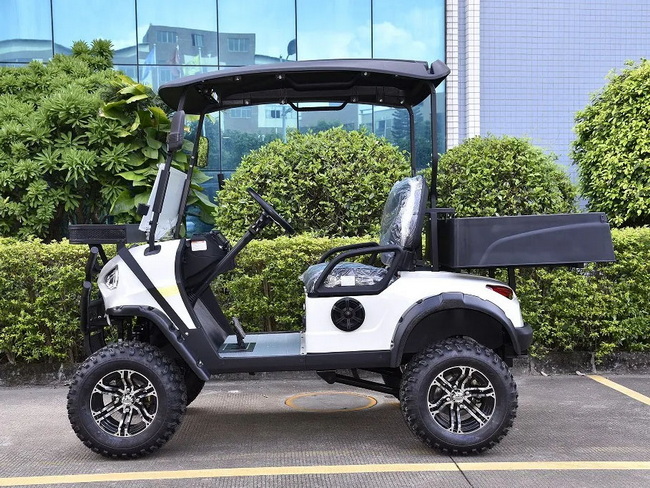
The best lithium strategy is not "install and forget." It is monitor, inspect, and intervene before failure occurs.
For a BMS-protected lithium fleet, we recommend a three-level maintenance routine.
Before operation, the driver or fleet supervisor should confirm:
- No visible damage to battery housing or cables
- No warning lights or abnormal dashboard messages
- Normal charging completion
- No unusual smell, heat, swelling, or moisture accumulation
- Battery compartment is dry and free from debris
This check should take only a few minutes but can identify early issues before the vehicle enters service.
A qualified technician should inspect:
- Battery enclosure fasteners and seals
- Main positive and negative connections
- Charger plug condition
- Cable insulation and routing
- BMS fault history, if accessible
- Battery mounting security
- Signs of corrosion around terminals and connectors
- Drainage paths in the battery compartment
Before and after periods of heavy rain, monsoon conditions, or peak tourist season, conduct a deeper review:
- Clean salt deposits from external surfaces
- Inspect enclosure gaskets and cable-entry points
- Test charging equipment and grounding
- Confirm no water is trapped in chassis cavities
- Review range complaints and unexpected shutdown incidents
- Replace damaged connectors before they become heat-related failures
A BMS-protected lithium battery is usually the stronger choice when the vehicle must operate under demanding conditions with limited maintenance resources. This is particularly relevant for:
- Resorts and hotels near the coast
- Island transportation fleets
- Port and marina utility vehicles
- Outdoor industrial sites
- Rental fleets
- Large campuses with decentralized vehicle use
- Export markets where trained battery technicians are not always available
Manual-maintenance batteries may still suit applications where:
- Initial purchase cost is the dominant decision factor
- The fleet operates indoors or in low-corrosion environments
- A trained maintenance team is consistently available
- Vehicle utilization is low
- Replacement batteries are easy to source locally
The key is to evaluate total operating cost, not only battery purchase price.
A less expensive battery may create higher lifetime costs through labor, downtime, reduced range, replacement frequency, warranty claims, and customer dissatisfaction. A lithium system usually carries a higher initial cost, but its lower maintenance burden, usable capacity, lighter weight, and active protection can improve fleet productivity.
When sourcing electric utility carts for high-humidity coastal zones, ask the manufacturer for clear answers to these questions:
- What battery chemistry is used: LiFePO4, NMC, lead-acid, AGM, or gel?
- What protection functions are built into the BMS?
- Does the BMS include temperature monitoring and cell balancing?
- What enclosure protection level is available?
- How are battery connectors protected from corrosion?
- Can the supplier provide battery wiring diagrams and maintenance instructions?
- Is charger compatibility validated with the battery pack?
- What battery storage conditions are recommended before vehicle delivery?
- What inspection points should distributors include in their pre-delivery checklist?
- Can the manufacturer customize battery capacity, voltage, enclosure, connector type, and communication protocol?
For lithium-ion battery storage, authoritative guidance consistently emphasizes a cool, dry environment, protection from moisture, and routine inspection. For stored battery equipment, non-condensing humidity limits and protection from moisture are also commonly specified by equipment manufacturers.
For brands, distributors, and vehicle manufacturers serving coastal markets, battery selection should be treated as a vehicle-engineering decision—not an afterthought. The right lithium battery, BMS configuration, enclosure protection, connector design, and maintenance plan can reduce avoidable downtime and protect your end-user experience.
Contact BorCart to discuss OEM utility carts with customized lithium battery systems, BMS protection, vehicle configuration, and coastal-environment durability requirements. Our engineering team can help match battery voltage, capacity, charging solution, vehicle range, and protection design to your target market.
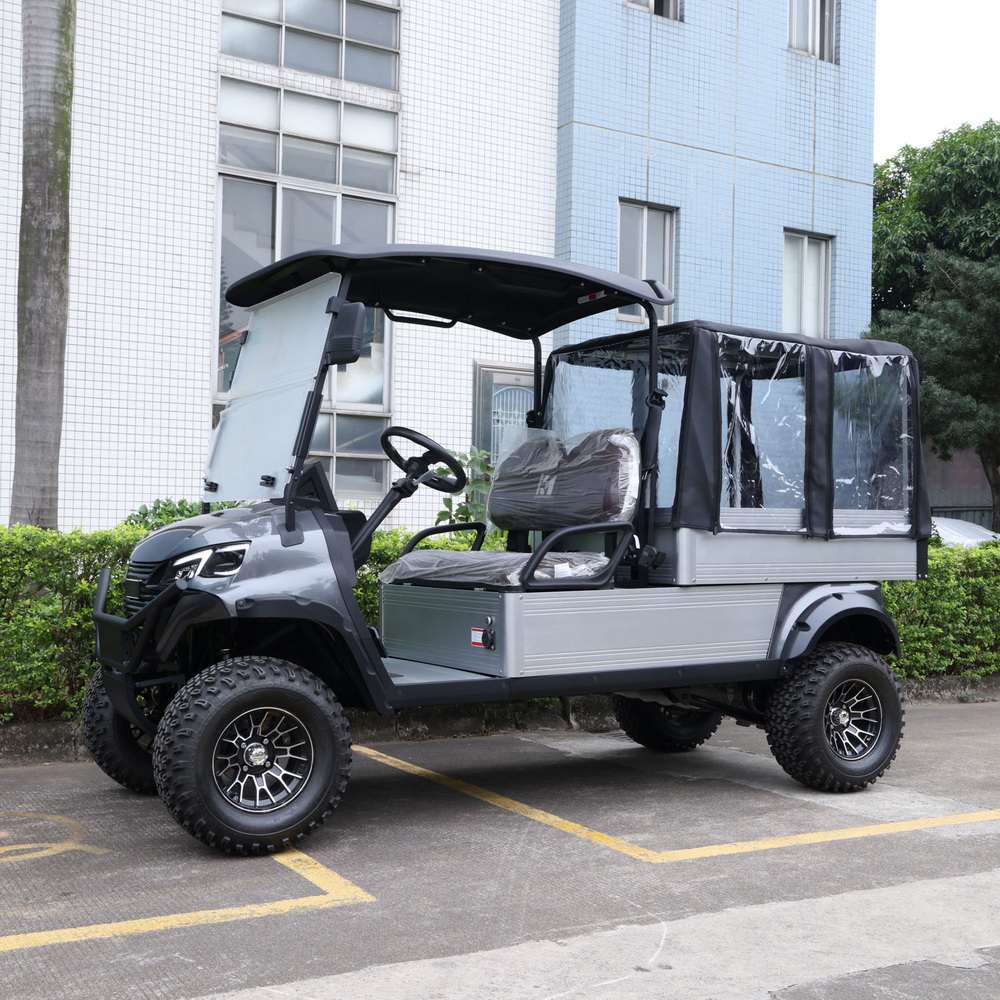
No. It eliminates watering and provides active electrical protection, but the vehicle still requires inspections of the enclosure, cables, connectors, charging equipment, seals, and battery status.
Yes, provided the battery pack, BMS, connectors, enclosure, and charging system are specified for humid and corrosive operating conditions. Good sealing and corrosion prevention remain essential.
High humidity can increase risk around external components, connectors, insulation, BMS electronics, and condensation-prone enclosures. Direct moisture exposure and condensation should be prevented.
Flooded lead-acid batteries may require electrolyte-level checks, distilled-water refilling, terminal cleaning, equalization practices, and close charging control. Poor maintenance can cause sulfation, corrosion, imbalance, and early failure.
The largest operational advantage is usually reduced maintenance combined with active protection. A BMS can help prevent damaging charge, discharge, temperature, and current conditions before they become major failures.
Choose based on fleet usage, budget, service capability, expected climate exposure, and lifecycle cost. For high-use fleets with limited maintenance capacity, BMS-protected lithium is generally the more dependable long-term option.
1. [Environmental Protection Agency Ireland — Guidance on the Safe Storage of Lithium-Ion Batteries]
3. [Schneider Electric — Galaxy Lithium-Ion Battery Cabinet Receiving and Unpacking]
4. [SAE International — SAE J3235 Best Practices for Storage of Lithium-Ion Batteries]
5. [University of Waterloo — Lithium Cell and Battery Standard]
6. [Exponential Power — Storing Lithium Batteries: Safety Needs and Regulatory Requirements]


