


Content Menu
● Main Places to Buy a Golf Buggy
>> Local Golf Courses and Pro Shops
>> Authorized Brand Dealers and Showrooms
>> Online Marketplaces and Classified Platforms
>> Direct From OEM Manufacturers (Ideal for B2B Buyers)
● Why Choose BorCart for Your Golf Buggy OEM Needs?
>> Professional Chinese Manufacturer of Golf Buggy and EVs
>> OEM Customization for Global Brands
>> Quality Assurance and International Standards
>> Wide Product Range: Beyond Golf Buggy
● How to Work With an OEM Golf Buggy Manufacturer
>> Define Your Golf Buggy Requirements
>> Request Technical Proposals and Quotations
>> Confirm Samples and Start Trial Orders
● What to Look for When Buying a Golf Buggy
>> Comfort, Safety, and Accessories
>> After‑Sales Support and Parts Availability
● Practical Buying Scenarios for a Golf Buggy
>> Individual Golfer Buying a Single Golf Buggy
>> Golf Course or Resort Purchasing a Fleet
>> International Brand or Wholesaler Building a Product Line
● FAQs About Buying a Golf Buggy
>> 1. What is the best place to buy a golf buggy for personal use?
>> 2. Why should a business buy golf buggy units directly from an OEM manufacturer?
>> 3. How do I choose between lead‑acid and lithium batteries for my golf buggy?
>> 4. Can BorCart customize a golf buggy to match my brand?
>> 5. What information should I prepare before contacting a golf buggy manufacturer?
Finding the right golf buggy is about more than price; you need the right place to buy, the right specifications, and a reliable manufacturer that can support your business long‑term. This guide explains where to buy a golf buggy, what to look for, and why partnering with a professional OEM manufacturer like BorCart can strengthen your brand in the global market.
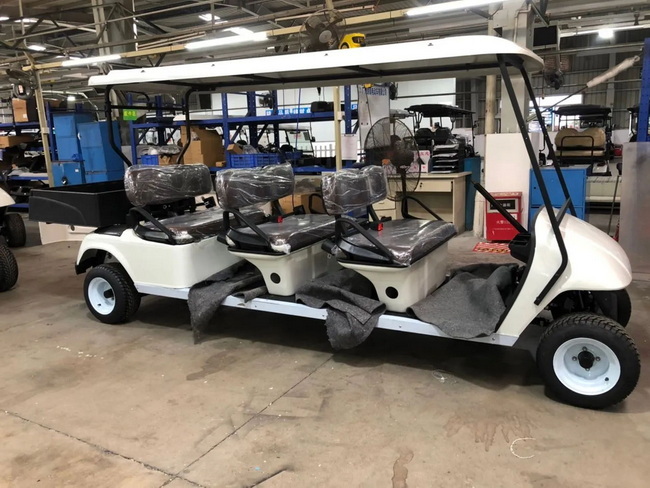
Golfers, resort managers, course owners, and international distributors all ask the same core question: where can I buy a golf buggy that is reliable, safe, and profitable to operate. The answer depends on whether you are a personal buyer, a fleet buyer for a golf course, or an overseas brand or wholesaler looking for OEM manufacturing support.
Many golfers first encounter a golf buggy at their local golf course, resort, or club pro shop, where fleets are usually purchased from established manufacturers and regularly maintained. Courses sometimes sell used golf buggy units when they upgrade fleets, giving budget‑sensitive buyers an affordable way to own a buggy that has been professionally serviced.
A local course or pro shop is also a practical place to test‑drive different golf buggy models, battery types, and seating configurations in real course conditions. Staff who manage dozens of golf buggy vehicles daily can share insights about durability, maintenance intervals, and which brands hold up best over time.
If you are a regular member, you may also be able to negotiate storage and charging for your own golf buggy at the club. This arrangement is convenient for golfers who do not have space at home, and it ensures the golf buggy is always close to the course where it will be used most.
Global brands operate through authorized dealers and showrooms that specialize in golf buggy and low‑speed vehicle sales. These dealers typically offer new and certified pre‑owned golf buggy models, with factory warranties, after‑sales service, and readily available spare parts.
If you want a specific brand identity, color scheme, or financing plan, an authorized dealer can be a strong choice because they follow standardized service procedures set by the original manufacturer. For resort or community fleets, dealers can help configure multiple golf buggy units with matching options such as canopies, windshields, and street‑legal lighting packages.
Many dealers also provide trade‑in programs, allowing you to upgrade your golf buggy after a few seasons. This can be useful if your usage intensity increases, if you move to a hillier course, or if you decide to transition from a basic golf buggy to a premium, high‑spec model with better comfort and performance.
For retail buyers, online marketplaces and classified platforms offer a wide variety of new and used golf buggy options at different price points. Listings often include personal golf buggy units, ex‑rental vehicles, and small fleets being sold by clubs or resorts.
However, buyers must evaluate each seller carefully, verify the battery age, check the chassis for rust or damage, and request maintenance records before committing to a purchase. While the upfront price of a used golf buggy can be attractive, poor battery condition or hidden wear may lead to higher total cost of ownership.
When buying through online channels, consider arranging an independent inspection or test drive before payment. Ask detailed questions about how often the golf buggy was charged, where it was stored, and whether it has ever been involved in accidents or major repairs. A few extra checks can save you significant costs later.
For brand owners, wholesalers, and manufacturers seeking private label production, the most strategic answer to “Where can I buy a golf buggy?” is to purchase directly from an experienced OEM manufacturer. This route allows you to specify colors, body styling, seats, accessories, logos, and performance parameters to match your market's needs while controlling cost and quality.
China has become a global hub for electric golf buggy manufacturing, supplying finished vehicles and customized models to brands worldwide. Professional factories with export experience provide technical support, certification documentation, and flexible configurations for golf buggy, sightseeing buses, utility vehicles, and other low‑speed EVs.
If you are building your own brand, working with the right OEM partner gives you more flexibility than simply reselling existing branded vehicles. You can design a differentiated golf buggy range that better fits the expectations, budgets, and regulations of your local market.
BorCart is a professional Chinese manufacturer focused on electric vehicles and automotive components. Its core portfolio includes golf buggy models, sightseeing buses, low‑speed vehicles, hunting vehicles, and multipurpose carts. The company supplies OEM golf buggy solutions to overseas brand owners, wholesalers, and manufacturers who want to build or expand their own product lines without running an in‑house factory.
From its base in China, BorCart integrates design, manufacturing, testing, and export logistics to support global customers in markets such as North America, Europe, the Middle East, and Asia‑Pacific. A dedicated product category for electric golf buggy models allows buyers to quickly identify suitable platforms and request tailored specifications.
BorCart focuses on electric drive technology and optimizes its golf buggy models for smooth acceleration, quiet operation, and good handling on grass and paved surfaces. This makes its products suitable not only for golf courses but also for resorts, communities, parks, and other low‑speed environments.
As an OEM partner, BorCart can configure a golf buggy to match your brand identity, usage scenario, and regulatory environment. Options typically include seating capacity, body color, roof design, windshield style, lighting kits, tire types, and accessories such as cargo boxes, rear seats, or bag holders for golf buggy applications.
For overseas brands and wholesalers, this means you can launch a dedicated golf buggy line under your own label while relying on BorCart's engineering, production, and quality assurance capabilities. The same platform can often be adapted for high‑end resort use, golf course fleets, community transport, or low‑speed utility scenarios by configuring the golf buggy with different functional modules.
BorCart can also support special requests such as lifted golf buggy designs for off‑road or hunting use, extended‑range models for large resorts, and multi‑row versions for transporting guests or equipment. This flexibility helps partners fine‑tune their offerings to niche customer segments.
Every BorCart golf buggy is manufactured to meet rigorous quality standards, with attention to safety, stability, and consistency. Compliance documentation and test reports can support customs clearance, registration, and local inspections in target markets, helping importers avoid delays and complications.
Long‑term performance of a golf buggy depends heavily on the quality of its electric drive system, including traction motors and controllers, which must deliver reliable torque and smooth acceleration across grass, sand, and paved surfaces. By integrating proven components and strict in‑house testing, BorCart aims to ensure each golf buggy offers stable performance and a comfortable driving experience for end users.
In addition, BorCart's experience in exporting to multiple regions means it understands different regulatory frameworks and can adjust golf buggy specifications such as maximum speed, lights, and safety features according to local requirements.
While golf buggy production is a core focus, BorCart's product portfolio extends to utility carts, sightseeing buses, and other low‑speed electric vehicles designed for campuses, resorts, industrial parks, airports, and tourism sites. This allows dealers and brand owners to build a complete low‑speed EV lineup using a single OEM partner, simplifying coordination and after‑sales support.
A customer might, for example, source a standard 2‑seater or 4‑seater golf buggy for course use, a lifted hunting‑style buggy for off‑road recreation, and an 8‑seat sightseeing bus for park transport, all sharing similar electrical and mechanical architecture. This platform approach can reduce training, spare parts inventory, and maintenance complexity across your fleet.
By working with one supplier for multiple categories, you also strengthen your supply chain resilience and can negotiate better terms as your total volume of golf buggy and related vehicles grows.
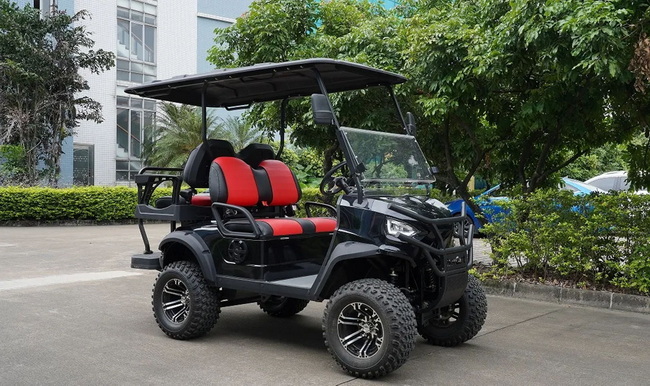
Before contacting an OEM factory, you should clearly define how your golf buggy will be used and what your target customers expect. For example, a fleet of golf course buggies may prioritize low noise, gentle acceleration, and bag storage, whereas a hunting vehicle might need higher ground clearance, more robust suspension, and extra load capacity.
Essential parameters to clarify include seating capacity, maximum speed (often limited for golf buggy applications), range per charge, battery type, charging voltage, and local regulatory requirements. For some regions, your golf buggy might need mirrors, turn signals, or specific lighting to operate on certain roads or within gated communities.
By preparing these details early, you can communicate effectively with BorCart's team and shorten the development and quotation process for your golf buggy project. Clear requirements also help avoid misunderstandings and reduce the need for later design changes.
Once your basic requirements are defined, you can contact BorCart via email, phone, or inquiry forms to request a technical proposal and quotation for the golf buggy models you need. The company's official site lists dedicated pages for golf buggy and electric golf buggy products, where you can review basic product information, then submit a detailed inquiry.
A professional proposal will typically cover the configuration of the golf buggy (motor power, battery capacity, dimensions, seating), projected performance, estimated lead time, and pricing based on your order volume. At this stage, you can also discuss branding options such as steering wheel logos, body decals, custom bodywork, or tailored color schemes for your golf buggy fleet.
You may also ask the manufacturer to advise on configurations depending on the climate and terrain of your target market. For example, a hot coastal area might call for specific corrosion protection and ventilation considerations for the golf buggy.
For new OEM cooperation, it is common to start with a sample or small batch of golf buggy units for testing in your target market. This allows you to evaluate real‑world performance, charging behavior, and customer feedback before scaling up to larger orders.
During this phase, you can refine the configuration, adjust accessories, or request minor structural changes based on user experience with the golf buggy in actual operation. Once the product meets your expectations, you can move to regular orders and expand your golf buggy offering under your own brand.
Many partners also use this sample phase to create marketing materials, including product brochures, demonstration videos, and online content that presents their customized golf buggy line to distributors and end users.
When assessing where to buy a golf buggy, always review the performance specifications such as rated power, maximum speed, and range per charge. For an 18‑hole course, the golf buggy must comfortably complete a full round plus reserve, while resort or community use may require longer daily driving distances.
High‑torque motors and optimized gear ratios help the golf buggy climb slopes and handle various terrains smoothly. Matching the motor, controller, and battery capacity ensures balanced performance and protects the longevity of key components in your golf buggy fleet.
If you operate in a hilly region, discuss hill‑climbing performance and braking systems with your supplier. A golf buggy that performs well on flat ground may need upgraded components to handle steep gradients safely and comfortably.
Battery choice is central to golf buggy operations, affecting weight, range, and lifecycle cost. Traditional lead‑acid batteries have lower upfront cost but higher maintenance and shorter lifespan, while lithium solutions offer longer cycle life, faster charging, and reduced weight for the golf buggy.
When buying a golf buggy, confirm the recommended charging time, compatible chargers, and expected cycle life of the battery pack. Clear charging guidelines help fleet operators schedule usage and avoid premature battery degradation in a busy golf buggy operation.
Also consider your charging infrastructure: how many chargers you will need, where they will be installed, and what electrical supply is available. Proper planning ensures your golf buggy fleet can be charged safely and efficiently during off‑peak hours.
A modern golf buggy is not just a utility vehicle; it is part of the user experience for golfers and passengers. Comfortable seats, ergonomic steering, stable suspension, and adequate legroom all contribute to satisfaction, especially if customers spend multiple hours riding the golf buggy.
Safety features such as reliable braking systems, lighting, mirrors, and seat belts (where required) are essential for resort, community, and low‑speed road applications. Additional accessories for the golf buggy—like rain covers, scorecard holders, coolers, and GPS mounts—can differentiate your offering in competitive markets.
You can also enhance accessibility by considering step height, grab handles, and easy entry for older users. These details are especially important when your golf buggy serves senior residents or guests who value stability and comfort.
Whether you purchase from a local dealer or an OEM manufacturer, you must consider how easily you can access spare parts, technical support, and warranty service for your golf buggy. For large fleets, downtime directly impacts revenue and customer satisfaction.
BorCart supports its golf buggy customers with technical documentation, remote assistance, and a structured spare‑parts supply chain to help keep fleets running efficiently. This combination of OEM expertise and export support makes it easier for international partners to manage their golf buggy operations over the long term.
Ask potential suppliers how long key components will be available, how quickly they can ship parts, and what kind of training or manuals they provide. A strong after‑sales system is a major advantage when choosing where to buy your golf buggy.
A private golfer who plays frequently may decide to purchase a personal golf buggy for convenience and comfort. In this case, the buyer might compare offers from local dealers, online listings, and regional distributors, looking for a balance of price, range, and warranty coverage.
Key questions include where the golf buggy will be stored, how it will be charged, and whether the home course permits privately owned vehicles on its fairways. A compact 2‑seater electric golf buggy with moderate range and low running cost usually fits this scenario well.
Some individual buyers also customize their golf buggy with personalized colors, upgraded seats, sound systems, or special wheels to reflect their style. If this appeals to you, check which dealers or manufacturers can support customization on a small scale.
A course or resort often acquires a large fleet of identical golf buggy units for consistent guest experience and simplified maintenance. Buyers in this segment typically work directly with brand dealers or OEM manufacturers to negotiate fleet pricing, service packages, and delivery schedules.
Besides evaluating the base golf buggy model, fleet managers must consider training, spare parts logistics, and long‑term battery replacement planning. In many cases, an OEM partner like BorCart can align production capacity and customization with the property's branding and operational needs.
When planning a fleet purchase, consider seasonal demand, expected lifespan, and potential future expansion. Designing your golf buggy fleet with these factors in mind helps you optimize investment and avoid shortages during peak periods.
For overseas brands and wholesalers, the question “Where can I buy a golf buggy?” is really “Which OEM manufacturer can support my brand for years?” By partnering with a specialized factory, you can bring a full lineup of golf buggy models to market under your own logo while controlling specification, appearance, and pricing.
BorCart's experience as a Chinese OEM supplier of golf buggy, utility carts, and sightseeing vehicles gives international partners access to modern designs, flexible customization, and reliable production volumes. This approach is ideal for companies that need a scalable, private‑label golf buggy solution for multiple regions.
Over time, you can create a structured product family that includes entry‑level, mid‑range, and premium golf buggy models. This layered approach helps you target different customer segments and price points more effectively.
You can buy a golf buggy from several channels, including local courses, authorized brand dealers, online marketplaces, and—most strategically for B2B buyers—directly from OEM manufacturers. Each option has its own advantages in terms of price, convenience, customization, and after‑sales service, so the best choice depends on whether you are an individual golfer, a fleet operator, or a brand owner.
For overseas brands, wholesalers, and manufacturers, working with a professional Chinese OEM like BorCart provides a powerful combination of customization, quality assurance, and export support across golf buggy, sightseeing, and utility applications. By clearly defining your requirements, evaluating performance and battery options, and ensuring strong after‑sales support, you can build a profitable and reliable golf buggy fleet for your market.
Whether you need a single vehicle or a full private‑label range, choosing the right supplier is the key step in answering the question: where can I buy a golf buggy that truly meets my needs and supports long‑term business growth.
Contact us to get more information!
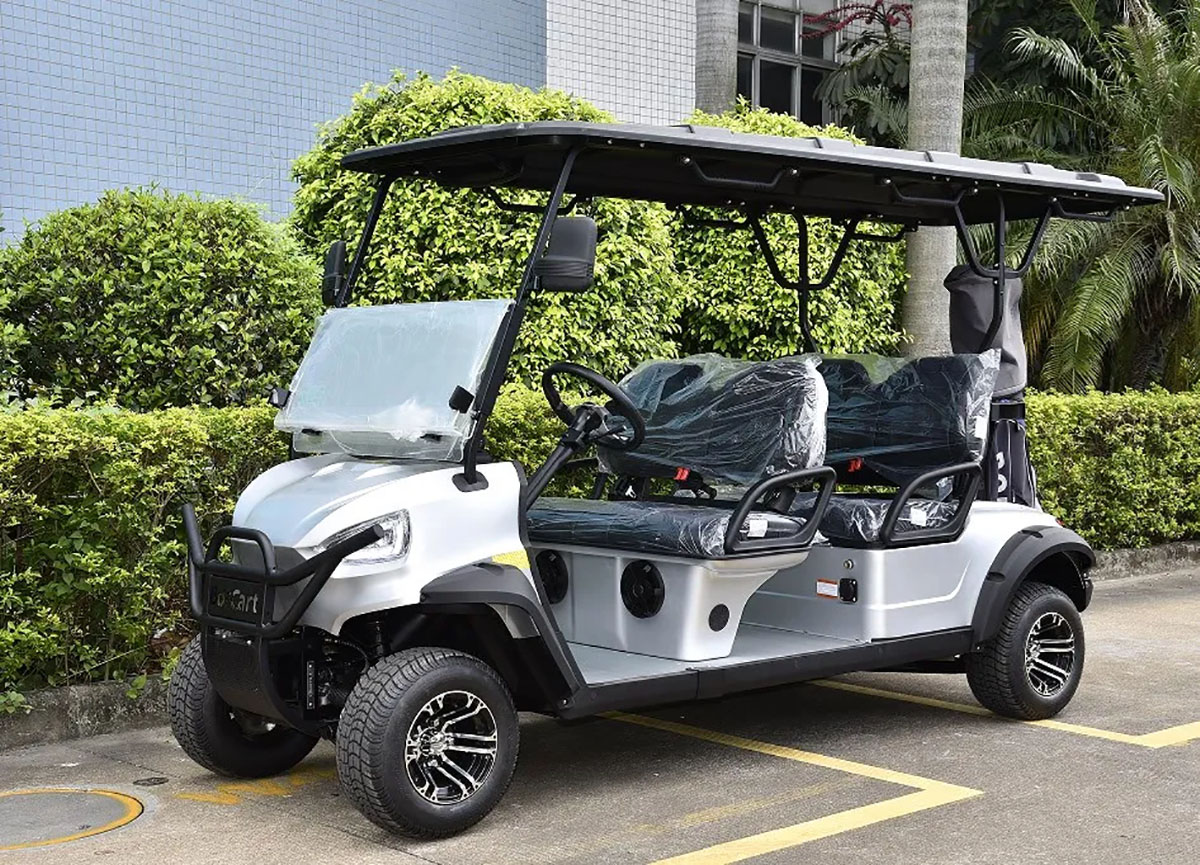
For personal use, many buyers start with local brand dealers or reputable online listings where they can compare new and used golf buggy options. Local dealers often provide warranties, service, and test drives, while online platforms offer wider price ranges if you are willing to inspect the golf buggy carefully before purchase. If you are a member of a club, ask whether they sell retired fleet golf buggy units, as these may be well maintained and cost‑effective.
Buying directly from an OEM manufacturer allows businesses to customize specifications, colors, and branding of their golf buggy models while benefiting from factory pricing and technical support. This is especially valuable for overseas brands and wholesalers who want to offer a differentiated golf buggy line without investing in their own production facilities. With an OEM partner like BorCart, you can scale orders over time and keep product design consistent with your market positioning.
Lead‑acid batteries have lower upfront cost but require more maintenance, regular watering, and careful charging to achieve a reasonable life. Lithium batteries are lighter, charge faster, and typically last more cycles, which can reduce downtime and long‑term costs for your golf buggy fleet. If your usage is intense or you want a premium golf buggy experience with better acceleration and longer range, lithium is usually the better choice, even though the initial investment is higher.
Yes, BorCart can provide OEM customization for golf buggy models, including colors, seating layouts, accessories, and branding elements such as logos and emblems. You can specify the overall style, body shape, and functional features so the golf buggy reflects your brand image and meets local regulations. By coordinating closely with BorCart's engineering and sales teams, you can create a unique product lineup that stands out from generic models in the market.
Before contacting a manufacturer, define the intended application, seating capacity, speed limits, range requirements, and any regulatory constraints for your golf buggy. You should also estimate your order quantity, preferred delivery time, and whether you need spare parts packages or training support. Providing this information upfront helps the supplier prepare a precise proposal, recommend suitable golf buggy configurations, and offer accurate pricing that aligns with your business plan.
1. https://www.borcart.com/products/Electric-Golf-Buggy.html
2. https://www.borcart.com/products/Golf-Buggy.html
3. http://zh.borcartev.com/eagle/
4. https://ecoplaneta.com/top-10-golf-cart-brands-and-manufacturers/
5. https://www.thebuggyman.com.au/golf-buggy-manufacturers-brands
6. https://www.parmaker.com
7. https://golfcartsupplier.en.made-in-china.com
8. https://www.edacarev.com/zh/
9. https://www.parvalux.com/applications/transport-and-logistics/golf-buggies/
10. http://zh.borcartev.com/news/the-electric-vehicle-exhibition-showing/


