


Views: 222 Author: Leah Publish Time: 2026-01-22 Origin: Site


Content Menu
● Understanding Your Golf Buggy
● First Steps After Losing Your Key
>> 2. Try Other Keys from the Same Brand (With Care)
>> 3. Record Your Golf Buggy Details
● When Keyless Systems Can Help
● Emergency Methods for Starting an Electric Golf Buggy
>> Bypassing the Ignition Switch
>> Screwdriver Method on Very Basic Switches
● Why Hotwiring a Golf Buggy Is a Bad Idea
>> Replacing the Ignition Switch
● Security Upgrades to Protect Your Golf Buggy
● Maintenance Habits That Prevent Key‑Related Problems
● FAQ
>> 1. Can I legally start a golf buggy without a key?
>> 2. Are golf buggy keys universal?
>> 3. Will hotwiring damage my golf buggy?
>> 4. How do I get a replacement key for my golf buggy?
>> 5. What should I do if an emergency bypass does not work?
Losing the key to your golf buggy is frustrating, especially if you are far from home or in the middle of a round. However, there are safe, legal and practical ways to deal with the situation without putting yourself, others or your vehicle at risk. In most cases, the smartest approach is to secure the golf buggy and arrange a proper replacement key or ignition switch rather than trying to hotwire it.

Before touching any wiring, it helps to understand the basics of how a golf buggy is built and started.
A modern golf buggy, whether used on a golf course, in a resort, or in a community, is a low‑speed vehicle built around a few core systems:
- A power source: either a battery pack (electric golf buggy) or a small gasoline engine (gas golf buggy).
- A control system: key switch or power button, direction selector, accelerator, and controller/solenoid to manage power flow.
- Safety circuits: interlocks, fuses, breakers and limit switches that keep the golf buggy from moving unexpectedly.
Although many electric golf buggies share similar layouts, there are variations in wiring colors, safety lockouts and ignition designs between brands and even between model years. Some newer golf buggies use digital keypads, key fobs or push‑button start instead of a traditional metal key, which changes how you troubleshoot a “no key” situation.
Knowing the make, model and approximate year of your golf buggy is extremely helpful when you need parts, diagrams, or professional help.
Starting a golf buggy without a key is not just a technical issue; it is also a safety and legal question. Always think about the following points before you attempt any bypass:
- Ownership and permission: You should never try to start a golf buggy that you do not own or have explicit permission to use. Bypassing the ignition on someone else's golf buggy is typically treated as theft or attempted theft.
- Electrical danger: Golf buggy batteries can deliver very high current. Accidental short circuits can cause burns, melted insulation, fire, or permanent damage to the controller and wiring harness.
- Loss of safety functions: Many emergency methods bypass safety features. Once you bypass the ignition, the golf buggy may become “live” as soon as the batteries are connected or the pedal is pressed.
Good general practices when working around a golf buggy electrical system include:
- Parking the golf buggy on level ground and setting the parking brake before starting any work.
- Wearing gloves and eye protection and avoiding metallic jewelry or tools bridging battery terminals.
- Disconnecting the main battery pack (or turning a factory disconnect to OFF) before stripping or joining any wires.
If you are uncertain about the wiring or the condition of your golf buggy, it is safer to call a technician than to guess.
When you discover that the key for your golf buggy is missing, resist the temptation to go straight to the wires. Start with simple, low‑risk actions that many owners overlook.
Most new golf buggies are supplied with at least two keys. Check:
- Home key hooks, drawers, and toolboxes.
- Golf bags, carts, and vehicle glove boxes.
- Any place where you usually store spares for your golf buggy or other vehicles.
If the buggy belongs to a club or resort, ask staff if they maintain a central set of spare keys.
Some fleet golf buggies from the same manufacturer share similar keys. If you own more than one golf buggy from the same brand, another key might operate the ignition. However, keys are not truly universal and forcing a wrong key can damage the lock cylinder. Always insert gently; if it does not turn smoothly, do not force it.
Before you contact anyone for help, note the following information from your golf buggy:
- Brand and model.
- Serial number or VIN plate (often under the seat, on the frame, or near the pedal area).
- Whether it is gas or electric, and approximate year of manufacture.
These details make it much easier and faster to get a correct replacement key or switch.
Until the issue is solved:
- Move the golf buggy to a secure, well‑lit area.
- Engage the parking brake, use wheel chocks if on a slope, and remove any valuables.
- Switch the run/tow or maintenance switch to “tow/maintenance” if your buggy has one, so it is harder for anyone else to move it.
If the buggy is used on a resort or in a neighborhood, you may also want to use a steering lock or chain through the wheels while you wait for replacement parts.
Some modern golf buggies come with keyless entry or start systems, such as keypads, RFID fobs or remote controls. If you have such a system:
- Check your owner's manual to see whether the keypad or fob can start the golf buggy even when the traditional key is missing.
- Look for any “emergency start” or “valet” mode built into the system.
In these cases, you may simply need to re‑sync or reprogram a fob, or enter a code, instead of bypassing the wiring. If you purchased the golf buggy used, ask the previous owner or dealer whether any security codes were changed.
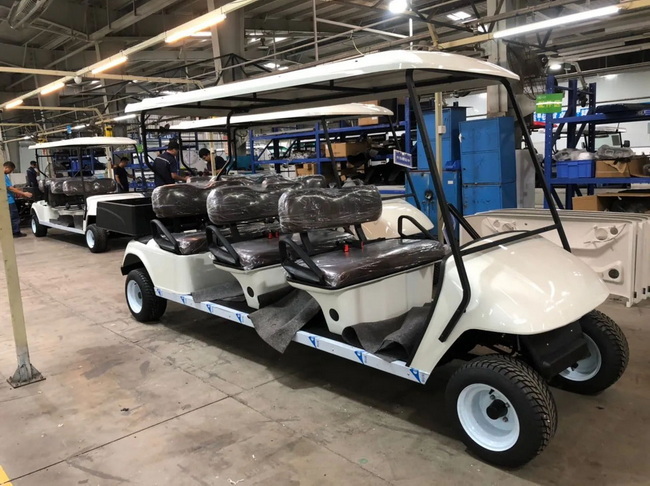
If you own the golf buggy, have confirmed that you cannot quickly obtain a spare or replacement key, and absolutely must move the vehicle a short distance (for example, to get it off the course and into storage), some owners and technicians use temporary bypass methods on electric golf buggies. These methods should be considered last‑resort, short‑term solutions.
Many electric golf buggies use a simple key switch that connects a battery feed wire to a solenoid control wire. When the key is turned to ON, these wires are joined, allowing the controller to power the buggy.
A typical emergency bypass process (conceptual summary, not a step‑by‑step instruction) is:
1. Disconnect the main battery pack to make the golf buggy safe to work on.
2. Remove the panel under the dash or around the steering column to access the back of the key switch.
3. Identify the main power wire from the battery and the wire that runs to the solenoid or controller (colors vary with brand).
4. Disconnect these wires from the switch and temporarily join them with a proper insulated connector or jumper.
5. Reconnect the battery, set the golf buggy to forward, and press the accelerator to see if the system activates.
6. After moving the buggy to a safe location, remove the jumper and restore the original wiring before installing a new switch.
Risks of this approach include:
- Leaving the golf buggy effectively “hot” whenever the battery is connected.
- Overheating or burning wires if the connection is poor or if the wires are undersized.
- Voiding warranties on new or leased golf buggies and potentially damaging sensitive controllers.
This method is best left to experienced technicians and should never be treated as a permanent solution.
Some older or heavily worn golf buggies have simple ignition switches where the key mostly serves as a mechanical handle. In these cases, the shaft inside can sometimes be turned with a flathead screwdriver in place of the key.
This approach carries obvious drawbacks:
- It can strip or break the internal parts of the switch, leaving the golf buggy unable to start even with a proper key later.
- It offers almost no security; once damaged, any tool may operate the switch.
If you ever resort to this on your own golf buggy, plan to replace the ignition switch soon after.
“Hotwiring” usually refers to more aggressive methods of sending power directly to the golf buggy's systems, often by cutting into the wiring harness or bypassing multiple components. Even aside from the legal issues when done on someone else's property, there are strong practical reasons to avoid it.
Problems caused by hotwiring a golf buggy can include:
- Removal of key safety layers such as interlocks, neutral detection and proper sequencing, making sudden or unintended movement more likely.
- Increased risk of overheated wires, damaged connectors and failed controllers due to uncontrolled current paths.
- Complicated diagnostics later, since non‑standard wiring changes are hard for technicians to trace and repair.
In short, hotwiring is not a smart “hack”; it is a quick way to turn a reliable golf buggy into an unreliable and potentially dangerous machine.
Rather than relying on temporary tricks, the best way to handle a lost key on a golf buggy is to restore normal, secure operation with the correct parts.
In many cases, replacing a lost key is fast and relatively inexpensive.
Common options include:
- Dealer or manufacturer: Contact the brand's dealer or customer service with the model and serial number of your golf buggy. Many keep key codes on file and can supply a matching key. Proof of ownership is often required.
- Local locksmith: Some locksmiths specialize in small vehicles and can cut a new key to match your ignition cylinder. For certain golf buggies, they may need to inspect or remove the cylinder to do this.
- Online retailers: There are online vendors that sell replacement keys for popular golf buggy brands. You will usually need a key code, part number or model reference to ensure compatibility.
Once you have a working key, make at least one labeled spare and store it separately from your everyday key ring so a single loss does not immobilize your golf buggy again.
If the ignition switch is damaged, excessively worn, or you want better security for your golf buggy, replacing the entire switch is a solid upgrade.
Useful points to consider:
- Many aftermarket switches come with a fresh lock cylinder and unique keys that are less likely to match other golf buggies.
- Some owners choose automotive‑style ignition locks that feel more solid and resist casual tampering.
- A professional installation ensures that your golf buggy wiring is properly crimped, insulated and routed.
This approach not only solves the immediate problem but can also improve the long‑term reliability of your golf buggy.
Instead of learning how to start a golf buggy without a key, it is usually better to make sure others cannot start your golf buggy without a key.
Popular anti‑theft measures include:
- Unique key switches: Swapping a common factory key switch for a uniquely keyed switch makes it harder for someone with a generic key to drive away in your golf buggy.
- Hidden kill switches: A small, hidden toggle or rocker switch in the key circuit or controller feed can prevent the golf buggy from powering up, even if someone manages to operate the ignition.
- Steering or wheel locks: Mechanical locks prevent the wheels from turning or the buggy from rolling far, acting as a strong visual and physical deterrent.
- Battery disconnect switches: A hidden master disconnect can cut power to the entire golf buggy, making it impossible to start quickly.
- GPS tracking and alarms: These systems help you locate a stolen golf buggy and can sound an alarm if it is moved without authorization.
Combining two or more of these measures is often enough to make thieves look for easier targets.
Good daily habits make it less likely that you will lose the key or need to bypass the ignition on your golf buggy.
Helpful routines include:
- Always using the same designated storage spot for your golf buggy keys at home.
- Attaching a bright, easy‑to‑see fob so the key is harder to misplace on the course or in a workshop.
- Checking that the key and ignition of the golf buggy are not worn or loose; replace a key that is badly bent, cracked or difficult to turn.
- Keeping the area around the key switch clean and dry to reduce corrosion and avoid sticking.
These simple steps keep your golf buggy ready for use without drama.
There are situations where the safest and most cost‑effective option is to call a qualified technician or golf buggy dealer rather than experimenting on your own.
You should strongly consider professional help if:
- The golf buggy is new, under warranty, or part of a fleet with specific maintenance rules.
- You are not comfortable reading diagrams, testing circuits, or working with electrical systems.
- The buggy shows additional problems, such as burning smells, flickering power, or intermittent operation.
Professionals have the tools, parts and experience to restore your golf buggy quickly and safely, often preventing more expensive damage that DIY attempts can cause.
Starting a golf buggy without a key is sometimes possible, but it comes with serious safety, reliability and legal considerations. Temporary bypass methods may help move your own golf buggy a short distance in an emergency, but they should never replace a proper ignition system. The safest, smartest approach is to treat any bypass as a short‑term fix and prioritize a correct replacement key or ignition switch as soon as possible.
By focusing on good habits—such as keeping spare keys, upgrading to a unique key switch, using security devices and maintaining clean, healthy wiring—you can greatly reduce the chances of being stranded or tempted to hotwire your golf buggy. When in doubt, involving a professional technician is the best way to get your golf buggy moving again without risking damage, invalidating a warranty, or getting into legal trouble.
Contact us to get more information!
You may only start a golf buggy without a key if you own it or have clear permission from the owner. Doing this on someone else's buggy is typically treated as unauthorized use or theft. Laws vary by region, but fines, criminal charges and civil liability are all possible consequences if you bypass the ignition on a golf buggy you do not have the right to use.
Golf buggy keys are not truly universal. Some fleet keys are shared among buggies from the same manufacturer or series, which is why one key may work on several similar vehicles, but you cannot rely on a random key to operate every golf buggy. When you need a replacement, always match the key or switch to the exact brand, model and key code of your own golf buggy.
Hotwiring can easily damage a golf buggy. Bypassing the designed circuits can lead to overheated wires, burnt connectors, shorted controllers and malfunctioning safety systems. Even if the buggy seems to work at first, hidden damage may show up later as intermittent failures or complete breakdowns. The cost to repair such damage often exceeds the cost of a proper replacement key or ignition switch.
To get a replacement key for your golf buggy, start by identifying the brand, model and serial number of the vehicle. Then contact the manufacturer's dealer network, a specialized locksmith or an online parts supplier that handles golf buggy keys. They may ask for proof of ownership or photos of the serial number plate before supplying a key. Once you receive a new key, have at least one spare made and store it separately from your main key.
If you attempt a temporary bypass and the golf buggy still does not start—or behaves strangely, such as clicking, surging or losing power—stop immediately. Continuing to experiment can make the problem worse or create new faults. At that point, the best step is to disconnect the batteries, restore any wiring you changed, and contact a qualified golf buggy technician or dealer so the electrical system can be inspected and repaired correctly.
1. https://taraelectricvehicles.com/blog/2025/06/10/how-to-start-a-golf-cart-without-a-key-step-by-step-guide/
2. https://carts-and-parts.com/how-to-hotwire-a-golf-cart/
3. https://www.langqinggolfcart.com/how-to-start-an-electric-golf-cart-without-a-key.html
4. https://diamondgolfcars.com/are-golf-cart-keys-universal/
5. https://diamondgolfcars.com/golf-cart-theft-prevention/
6. https://guildgolfcarts.com/how-to-start-an-electric-golf-cart-without-a-key/
7. https://taraelectricvehicles.com/blog/2025/08/10/how-to-get-a-replacement-golf-cart-key/
8. https://vovexgolf.com/blogs/golf/are-golf-cart-keys-universal
9. https://buggiesgonewild.com/showthread.php?t=123679
10. https://www.youtube.com/watch?v=uETKHIXzGH0
11. https://www.youtube.com/watch?v=OmdFIppIH_E
12. https://www.youtube.com/shorts/gi5Fu1LzxJ0
13. https://www.youtube.com/watch?v=RQr-hFnvEaE


