


Views: 222 Author: Leah Publish Time: 2025-12-24 Origin: Site


Content Menu
● Understanding Speed Limiters on Electric Golf Carts
● Why Owners Want to Remove or Raise the Limiter
● Common Speed Limiting Technologies
● Legal and Regulatory Considerations
● Safety Risks of Removing the Speed Limiter
● Preparing to Work on the Speed Limiter
● Method 1: Adjusting a Mechanical Speed Limiter
● Method 2: Reprogramming the Controller
● Method 3: Using Speed Chips, Magnets, or Plug‑In Modules
● Method 4: Supporting Performance Upgrades
● Step‑by‑Step Conceptual Workflow
● Maintenance After Speed Limiter Changes
● When You Should Not Remove the Limiter
● FAQ
>> 1. Is removing the speed limiter on an electric golf cart legal?
>> 2. How fast can an electric golf cart go after limiter changes?
>> 3. Will removing the limiter damage my electric golf cart?
>> 4. Is it better to reprogram the controller than remove hardware?
>> 5. Do I need upgrades if I only want a small speed increase?
Removing or bypassing the speed limiter on an electric golf cart can significantly change how the vehicle accelerates, climbs, and cruises over long distances. The modification may sound simple, but it affects safety, reliability, and even the legal status of the cart in many regions. Treat the speed limiter as a critical part of the system rather than a simple obstacle to higher speed, and always plan carefully before changing factory settings.[1][2]

A speed limiter on an electric golf cart is a control mechanism designed to restrict maximum speed to a safe, predefined level. In modern models, this is usually done through the electronic speed controller, which regulates the power supplied from the batteries to the motor based on programmed limits.[3][1]
- Many electric golf cart platforms incorporate the limiter in software, making it part of the controller firmware rather than a separate physical device.[2]
- Some older or simpler systems may still rely on mechanical linkages or throttle restrictions that physically limit how far the throttle can be applied on the electric golf cart.[4]
Speed limiters protect passengers, reduce component wear, and ensure the electric golf cart complies with golf course policies, resort rules, and local traffic regulations.[1]
Electric golf cart owners look at speed limiter removal or adjustment for a variety of reasons, ranging from convenience to performance. Understanding the motivation helps decide whether a full removal or a controlled increase is the smarter path.[5]
- Some use an electric golf cart on private land, farms, or large industrial sites where extra speed shortens travel time and improves productivity.[5]
- Others want a more responsive electric golf cart for hilly neighborhoods, gated communities, or large resorts, where climbing ability and higher cruising speeds can feel more comfortable.[6]
In every case, improving speed also increases momentum and energy, meaning any mistake or failure on a faster electric golf cart will be more serious than at standard golf course speeds.[1]
Different electric golf cart brands achieve speed control in slightly different ways, even if they share the same general principles. Learning which system your cart uses is essential before attempting any change.[3]
- Controller‑based limiters: Software parameters in the controller define maximum motor rpm, current, and sometimes torque curves, which collectively determine top speed on the electric golf cart.[7]
- Sensor‑based systems: The controller uses wheel speed sensors, motor rpm sensors, or differential magnets to track speed, then cuts or reduces power once the electric golf cart reaches a preset threshold.[6]
- Mechanical limiters: A smaller share of electric golf cart designs still rely on throttle cable stops, springs, or arms on or near the motor or axle to restrict throttle movement.[4]
Many contemporary electric golf cart models combine software limits with sensor feedback to keep speeds consistent regardless of load or terrain.[2]
Before attempting to remove or bypass the limiter on an electric golf cart, it is essential to understand how local laws define and regulate low‑speed vehicles. Speed thresholds often determine whether a cart can be used on certain roads or requires registration, insurance, and safety features.[1]
- In many jurisdictions, a golf cart or low‑speed electric golf cart is allowed on specific roads only if its maximum speed stays within a certain range, often around 15–25 mph.[2]
- Exceeding the specified range by altering the limiter can make the vehicle non‑compliant, which can lead to fines, loss of street‑use privileges, or insurance problems if an accident occurs.[1]
Always check local statutes, HOA rules, resort regulations, or golf club policies before altering the speed limiter on an electric golf cart used outside private land.[5]
The speed limiter is a safety tool as much as a performance control, and removing it changes how the entire electric golf cart behaves. A faster cart demands more from brakes, steering, tires, and the driver.[1]
- Higher speed on an electric golf cart increases stopping distance, makes sharp turns riskier, and raises the chance of rollovers on uneven ground or steep slopes.[1]
- Components such as the motor, controller, wiring, and batteries must handle larger currents and higher temperatures, accelerating wear or triggering thermal shutdowns on the electric golf cart.[7]
For family carts, rental fleets, and resort vehicles, leaving the limiter mostly intact and focusing on moderate tuning or upgrades is usually a wiser and safer approach.[8]
Proper preparation reduces the risk of electric shock, accidental movement, or wiring mistakes when working on an electric golf cart.[2]
- Always park the electric golf cart on level ground, engage the parking brake, turn off the key, and disconnect the main battery pack before removing covers or touching wires.[2]
- Use insulated tools and safety gear such as gloves and eye protection, and keep metal jewelry or loose tools away from battery terminals and exposed bus bars on the electric golf cart.[3]
Labeling connectors, taking notes, and documenting factory settings will make it much easier to restore the electric golf cart to stock condition if needed.[2]
On electric golf cart models that still rely on a mechanical limiter or cable‑based governor, minor adjustments can yield noticeable speed changes without deep electronics work.[4]
- The limiter assembly is often found near the motor or differential, where a linkage or spring restricts throttle cable movement, effectively capping speed on the electric golf cart.[4]
- By loosening the mounting screws or adjusting the cable tension, you can allow the throttle to open further, which can increase motor rpm and raise top speed in small steps.[4]
Over‑adjustment may push the electric golf cart far beyond its intended limits, and aggressive mechanical changes can cause cable binding or premature failure, so small incremental tweaks are recommended.[1]
Most modern electric golf cart systems integrate speed limiting in the controller software, making reprogramming the cleanest way to adjust top speed. This is usually the preferred method for newer vehicles.[2]
- Many manufacturers offer official “speed codes” or parameter sets that authorized dealers can load into the controller to raise the maximum speed within predefined safety margins for the electric golf cart.[9]
- Specialized handheld programmers or software tools connect to the controller and allow technicians to adjust values such as max rpm, current limit, throttle curves, and acceleration rates, tailoring how the electric golf cart responds.[3]
Using authorized programming methods preserves protective features and reduces the risk of damaging the controller or motor on the electric golf cart.[8]

For some platforms, aftermarket manufacturers sell plug‑in devices that influence how the controller interprets speed data. These offer a middle ground between no modification and full custom programming.[6]
- Speed chips or modules plug into the controller harness or diagnostic port, altering speed thresholds or spoofing signals so the electric golf cart operates above the stock limit.[6]
- Some systems use magnets or different sensor modules at the motor or axle to adjust feedback signals, allowing the electric golf cart to spin at higher rpm before the controller intervenes.[8]
Because these devices are highly model‑specific, choosing the wrong chip or module can lead to poor performance or error codes on the electric golf cart.[3]
If the goal is a significantly faster electric golf cart, simply bypassing the limiter is not enough; the supporting hardware must be able to handle the extra performance.[5]
- Upgrades may include a higher‑output motor, a more capable controller, heavy‑gauge cables, and improved connectors that can carry higher current safely in the electric golf cart.[5]
- Lithium battery packs with better power delivery and management, as well as brakes and suspension tuned for higher speeds, help keep the electric golf cart stable and reliable at its new performance level.[6]
A balanced upgrade path reduces the risk of overheating and helps the electric golf cart deliver more speed without sacrificing durability.[5]
Although the exact steps differ between brands, a high‑level process can guide safe modification planning for an electric golf cart.[10]
- Identify the system: Confirm whether your electric golf cart uses mechanical, software, or sensor‑based speed limiting—or a combination.[3]
- Decide on desired speed: Determine a realistic top speed target that suits your terrain, driving style, and regulatory environment, instead of chasing the maximum possible number on the electric golf cart.[1]
- Choose a method: Match the method (mechanical adjustment, programming, or plug‑in modules) to your skills, budget, and the age of the electric golf cart, aiming for reversible changes where possible.[2]
- Upgrade supporting parts if needed: For larger speed gains, plan motor, controller, brake, and battery improvements so the electric golf cart can handle more load safely.[5]
- Test cautiously: Perform short tests on private property, gradually build speed, and monitor heat, noise, and handling behavior after each change to the electric golf cart.[1]
Avoid introducing multiple aggressive changes at once, since that makes troubleshooting much harder if the electric golf cart develops problems.[7]
A faster electric golf cart requires more attentive maintenance to stay safe and dependable.[5]
- Check tires regularly for wear and correct pressure, as higher speed and cornering forces place extra load on the tread and sidewalls of the electric golf cart.[5]
- Inspect brakes, suspension bushings, and steering joints more often, listening for new noises or vibrations that may appear as the electric golf cart operates at higher speeds.[1]
Battery management is also critical, since higher sustained current draw reduces pack life and may require more frequent charging or capacity monitoring on the electric golf cart.[7]
There are clear scenarios where removing or heavily bypassing the limiter is not advisable for an electric golf cart.[8]
- Carts used for guests, children, rentals, or seniors on shared paths or crowded facilities are safer with conservative settings that keep the electric golf cart predictable.[1]
- Commercial fleets operating under strict liability or insurance frameworks often must keep factory limits to comply with policies and reduce legal exposure if accidents happen with the electric golf cart.[8]
In these cases, focus on smooth acceleration, reliable braking, and good ride quality rather than maximizing speed on the electric golf cart.[5]
Removing or raising the speed limiter on an electric golf cart can make the vehicle more exciting and versatile, but it also introduces new responsibilities. Choosing the right method—mechanical adjustment, controller programming, or plug‑in modules—depends on the cart's design, local regulations, and how much extra speed is truly necessary for the electric golf cart. With thoughtful planning, proper upgrades, and cautious testing, it is possible to enjoy better performance while still maintaining safety and reliability in an electric golf cart used for leisure, work, or transport.[2][5][1]
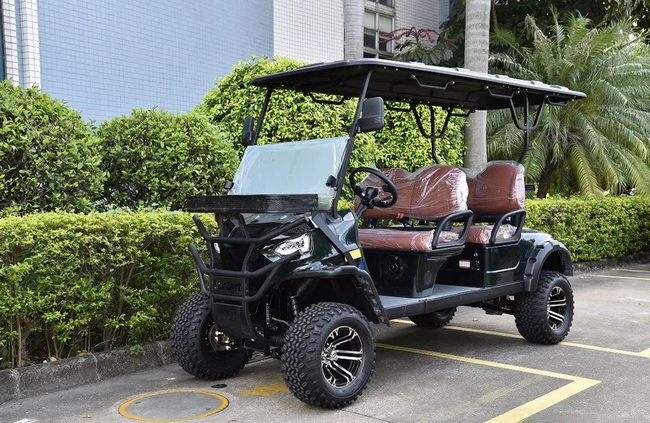
Legality varies by region, but once an electric golf cart exceeds certain speed thresholds it may no longer qualify as a basic golf cart or low‑speed vehicle under local laws. This change can affect where it may be driven, what safety equipment is required, and whether registration or insurance is mandatory for the electric golf cart.[2][1]
Many stock electric golf cart models are limited to around 12–15 mph, with manufacturer speed codes sometimes raising that to about 20 mph. With performance motors, upgraded controllers, and advanced batteries, some custom electric golf cart builds can reach much higher speeds, though this greatly increases mechanical stress and safety risk.[2][5]
Running past the original speed design can overheat the motor, strain the controller, and drain batteries faster on an electric golf cart. Brakes, tires, and suspension also face greater loads, which can cause faster wear or failures if the electric golf cart is not upgraded and maintained properly.[7][1]
For most modern platforms, adjusting controller parameters or using official speed codes is usually safer and more reversible than physically removing or defeating limiter components on an electric golf cart. Software‑based changes preserve protective logic and allow technicians to stay within engineered limits while still improving performance on the electric golf cart.[9][8]
A modest increase—such as a few miles per hour—often does not require major hardware changes on an electric golf cart, especially if factory speed codes or mild programming are used. However, routine checks on temperature, braking distance, and component condition remain important to ensure the electric golf cart continues to operate safely.[6][5]
[1](https://carts-and-parts.com/how-to-remove-speed-limiter-on-electric-golf-cart/)
[2](https://vovexgolf.com/blogs/golf/how-to-remove-speed-limiter-on-electric-golf-cart)
[3](https://caddiewheel.com/blogs/golf-content/a-guide-to-electric-golf-cart-speed-control)
[4](https://guildgolfcarts.com/how-to-remove-governor-on-electric-golf-cart/)
[5](https://www.kandiamerica.com/electric-golf-cart-speed-tips/)
[6](https://www.vatrerpower.com/blogs/news/enhancing-the-speed-of-golf-carts)
[7](https://golfcarts.org/golf-cart-speed-controllers-a-beginners-guide/)
[8](https://www.aykinland.com/remove-electric-golf-cart-speed-limiter/)
[9](https://www.golfcartgarage.com/blog/understanding-your-club-car-speed-controller/)
[10](https://golfutures.com/how-to-remove-speed-limiter-on-electric-golf-cart/)


