


Views: 222 Author: Leah Publish Time: 2025-12-27 Origin: Site


Content Menu
● Understanding Battery Lifespan in an Electric Golf Cart
● Lead-Acid vs Lithium Batteries in Electric Golf Carts
>> Performance Characteristics
● How Usage Patterns Affect Electric Golf Cart Battery Life
>> Daily Driving and Depth of Discharge
>> Terrain, Load, and Driving Style
● Real-World Range and Runtime on a Single Charge
● Key Factors That Shorten or Extend Battery Life
>> Charging Habits and Equipment
>> Temperature and Storage Conditions
● Practical Maintenance Tips for Electric Golf Cart Owners
● Signs Your Electric Golf Cart Batteries Need Replacement
● Choosing the Right Replacement Batteries for an Electric Golf Cart
>> Cost Versus Long-Term Value
>> Matching Voltage and Capacity
● Why Battery Quality Matters for OEM and Fleet Buyers
● FAQ
>> 1. How many years should electric golf cart batteries last?
>> 2. How many miles can an electric golf cart go on one charge?
>> 3. Is it worth upgrading an electric golf cart from lead-acid to lithium?
>> 4. How do I know when my electric golf cart batteries are bad?
>> 5. What is the best way to charge an electric golf cart battery?
Electric golf cart batteries can last anywhere from 3 to 12 years depending on battery type, usage patterns, and how well they are maintained. Lead-acid packs commonly offer about 3-5 years of service, while quality lithium packs in an electric golf cart often run 8-12 years in regular use. With proper charging habits, correct storage, and routine care, many owners significantly extend the real-world lifespan of their electric golf cart batteries.[1][2][3][4]
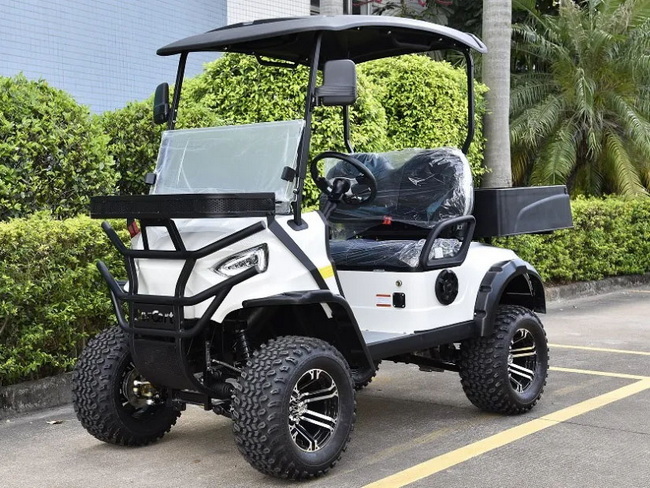
For any electric golf cart, battery life is measured both in calendar years and in charge cycles. A cycle means one full discharge and recharge, and manufacturers usually rate batteries for a certain number of these cycles before capacity falls to about 70-80 percent of original.[1]
- Lead-acid packs in an electric golf cart often deliver 300-1,200 cycles under typical conditions.[2][5]
- Lithium iron phosphate (LiFePO₄) packs can usually provide 3,000-5,000 cycles or more in an electric golf cart application.[6][1]
In practical terms, light-duty, occasional use in a private electric golf cart tends to stretch these numbers, while heavy use in rental fleets or resorts consumes cycles much faster.[7][8]
The choice between lead-acid and lithium chemistry has the biggest single impact on how long batteries last in an electric golf cart.[5][9]
Flooded lead-acid packs have been the traditional choice for many electric golf cart models, especially in cost-sensitive markets. Under normal use, these batteries commonly last 3-5 years before range and power drop to the point where replacement is needed in the electric golf cart.[10][5][1]
Lithium packs designed specifically for electric golf carts, especially LiFePO₄ systems with an integrated battery management system (BMS), typically last 8-12 years. Even after thousands of cycles, they often retain a large portion of their original capacity in an electric golf cart.[2][6][1]
Lead-acid batteries lose voltage and power as they discharge, so an electric golf cart can feel sluggish at the end of a round or during hill climbing when the pack is low. Lithium packs hold voltage more consistently, which keeps acceleration and hill performance much more stable until the battery is nearly empty in the electric golf cart.[9][1]
Weight is another major factor: lead-acid packs are heavy and can reduce efficiency and payload, especially in multi-row electric golf cart or shuttle designs. By contrast, lithium packs are much lighter, so the electric golf cart feels more responsive and can carry passengers or cargo more efficiently.[11][5][9][1]
Even with the same battery chemistry, usage patterns can make two seemingly identical electric golf carts age at very different speeds.[8][7]
Depth of discharge (DoD) refers to how much of the battery's capacity is used before recharging the electric golf cart. Deeply discharging lead-acid batteries to very low states of charge on a regular basis dramatically shortens their life, because the active material and plates degrade faster.[7][1][2]
- Light use, shallow discharges, and frequent recharging typically help batteries in an electric golf cart last longer.[4][12]
- Repeatedly running the electric golf cart until it slows down or stops places high stress on both lead-acid and lithium packs.[3][7]
Fleet and rental operations often run an electric golf cart all day, every day, which quickly uses up the available cycle life, especially for lead-acid packs. Private owners who only use their electric golf cart for a few rounds per week usually see much longer battery life.[8][7]
Real-world range and battery stress in an electric golf cart also depend on external conditions.[13][10]
- Hilly terrain, soft fairways, and frequent stop-and-go driving increase current draw and heat inside the battery pack of an electric golf cart.[10]
- Heavy loads such as additional passengers, cargo boxes, or towing attachments make the electric golf cart work harder and shorten effective range and lifespan.[9][13]
Gentle acceleration, moderate speeds, and avoiding unnecessary full-throttle operation can noticeably reduce stress on the battery system in an electric golf cart.[4][7]
From the driver's viewpoint, range per charge is almost as important as total years of life in an electric golf cart.[13][10]
Well-maintained lead-acid powered electric golf carts often deliver 20-40 miles per charge, depending on battery capacity, terrain, and load. As packs age, that range gradually shrinks, and the electric golf cart may be unable to complete a full day's use without recharging.[14][15][10][13]
Lithium systems commonly extend the single-charge range to 40-60 miles while maintaining stronger performance throughout the discharge cycle. For commercial users, this means an electric golf cart can handle more trips with less downtime, especially when combined with faster charging.[6][1][9][10]
Several controllable factors determine whether an electric golf cart battery pack dies early or reaches the upper end of its expected lifespan.[3][4][7]
Charging behavior is one of the most important elements of long-term battery health in an electric golf cart.[12][3]
- Using a charger matched to the battery type and voltage reduces the risk of chronic overcharging or undercharging in an electric golf cart.[12][4]
- Leaving the pack at a very low state of charge for long periods causes sulfation in lead-acid batteries and accelerates degradation in any electric golf cart system.[3][7]
A smart charger that automatically terminates charging and can maintain the pack during storage is strongly recommended for both lead-acid and lithium powered electric golf carts.[4][12]
Batteries are sensitive to temperature, and environmental conditions have a substantial effect on electric golf cart lifespan.[3][4]
- High temperatures speed up chemical reactions and aging, causing faster capacity loss in batteries used in an electric golf cart.[7][3]
- Very cold temperatures temporarily reduce available capacity and power, making the electric golf cart feel weak and limiting range.[4][3]
Storing the electric golf cart in a covered, ventilated space and avoiding charging in direct sun help keep temperature in a more favorable range for the battery pack.[3][4]
Flooded lead-acid batteries need regular hands-on care to reach their maximum service life in an electric golf cart.[16][12][3]
- Water levels should be checked periodically and topped up with distilled water, keeping plates fully covered to prevent damage.[12][3]
- Terminals and connections in the electric golf cart should be kept tight, clean, and free of corrosion to prevent voltage drops and heat.[16][3]
Lithium packs are usually maintenance-free, but periodic visual checks and ensuring the BMS indicators are normal helps keep the electric golf cart reliable.[1][9]
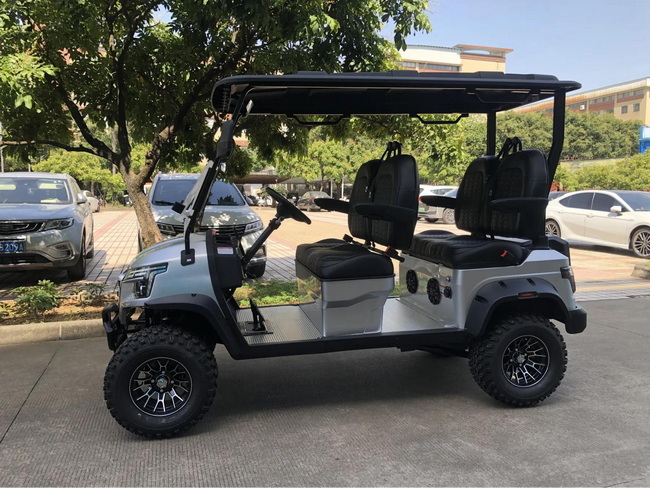
Owners and fleet managers can implement a few straightforward practices to maximize the life of batteries in their electric golf cart.[12][4][3]
1. Recharge promptly after use
Do not let an electric golf cart sit for days or weeks at a low state of charge, since this encourages sulfation and imbalance in the pack.[12][3]
2. Avoid frequent deep discharges
Try to keep routine use between about 30-80 percent of capacity, especially for lead-acid batteries in an electric golf cart, to reduce wear per cycle.[2][7]
3. Keep battery tops and trays clean
Dirt and moisture on the battery surface can create small leakage currents, waste energy, and cause corrosion in the electric golf cart.[16][3]
4. Inspect cables and hardware regularly
Loose or corroded connections raise resistance, create heat, and reduce performance, so routine inspection is vital in any electric golf cart.[16][3]
5. Prepare properly for seasonal storage
Before long storage, fully charge the pack, clean it, and, for lead-acid, check water levels so the electric golf cart is ready when the season resumes.[3][12]
Even the best cared-for battery pack eventually wears out, and recognizing the warning signs helps avoid breakdowns with the electric golf cart.[15][17][14]
Common indicators include:
- Significant loss of range, where the electric golf cart cannot complete a routine route or 18-36 holes on a single charge.[14][15]
- Noticeable drop in acceleration and top speed, especially under load or on hills in the electric golf cart.[17][14]
Physical symptoms such as swelling, cracked cases, leaking electrolyte, or heavy terminal corrosion are strong signs that the pack has reached end of life in the electric golf cart. If multiple batteries in the series string test weak, replacing the full set is usually recommended to keep the electric golf cart running safely and consistently.[15][17][14][4]
When the time comes to replace the pack, selecting the right technology and configuration can shape the next decade of operation for an electric golf cart.[18][5]
Lead-acid packs cost less initially, which makes them attractive for budget-focused buyers of an electric golf cart. However, they usually require more frequent replacement and ongoing maintenance, so the long-term cost per year can be higher.[5][18][2]
Lithium packs demand more upfront investment but often last two to four times as long, reduce maintenance costs, and improve uptime for the electric golf cart. For intensive commercial use, the long-run savings and productivity gains often outweigh the higher purchase price.[18][6][9]
Any replacement must match the required system voltage of the electric golf cart, such as 36 V, 48 V, or higher for specialized models. Capacity should be chosen based on typical daily usage and required range, balancing driving needs with weight and cost in the electric golf cart.[9][10][13]
Working with an experienced supplier or OEM partner helps ensure the battery pack is properly integrated and safely installed in the electric golf cart.[11][15]
For overseas brands, wholesalers, and manufacturers sourcing electric golf cart solutions, battery quality and integration are central to product reliability and customer satisfaction.[5][9]
A well-engineered electric golf cart platform optimized around the chosen battery chemistry can deliver consistent performance, predictable range, and lower lifetime operating costs. High-cycle, properly managed packs reduce warranty claims and downtime, especially in applications such as resort shuttles, sightseeing buses, hunting vehicles, and multi-purpose low-speed electric golf cart fleets.[10][11][13][9]
Partnering with an OEM that understands both drive systems and battery technologies enables custom configurations for different markets and regulations while maintaining robust safety and reliability in each electric golf cart.[11][15]
In everyday use, most lead-acid batteries in an electric golf cart provide about 3-5 years of service and a modest cycle life, while modern lithium packs often deliver 8-12 years and several thousand cycles with stable performance. Charging discipline, environmental control, and regular inspections help owners and fleet operators push their electric golf cart batteries toward the upper end of these ranges and avoid premature failures. By selecting the right chemistry, sizing, and supplier, and by adopting smart operating practices, it is possible to achieve reliable range, predictable costs, and long, trouble-free service from any electric golf cart battery system.[6][18][1][2][5][7][9][10][4][12][3]
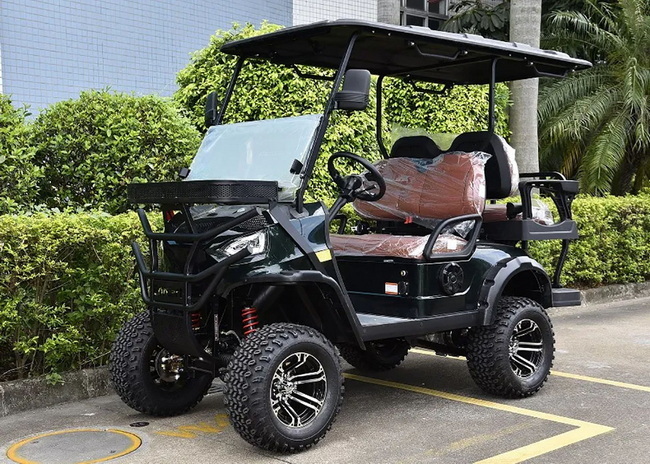
In a typical recreational electric golf cart, lead-acid batteries generally last around 3-5 years if they are properly charged, watered, and stored. Lithium packs in the same electric golf cart often last 8-12 years thanks to higher cycle life and more stable chemistry.[13][1][2][6][10]
A well-maintained lead-acid powered electric golf cart usually covers about 20-40 miles per charge, depending on terrain, load, and battery age. Lithium-equipped electric golf carts can often reach 40-60 miles or more per charge while maintaining stronger acceleration and hill performance.[6][10][13]
Upgrading an electric golf cart to lithium brings longer lifespan, lighter weight, faster charging, and more consistent power output. Although the initial cost is higher, many users find the total cost of ownership lower because the pack lasts longer and requires virtually no routine maintenance in the electric golf cart.[18][1][2][9][6]
Warning signs include reduced range, slower acceleration, difficulty climbing hills, and the electric golf cart needing frequent recharging. Visual problems such as bulging cases, leaks, or heavy terminal corrosion also show that the pack has reached the end of its useful life in the electric golf cart.[17][14][15][4]
The best approach is to use a compatible smart charger, fully recharge the electric golf cart after each use, and avoid repeatedly running the batteries to very low charge levels. Do not leave the pack discharged for long periods or continuously overcharge it, since both habits shorten the lifespan of batteries in an electric golf cart.[7][4][16][12][3]
[1](https://www.propowenergy.com/news/how-long-do-lithium-batteries-last-in-a-golf-cart-lifespan-guide/)
[2](https://bslbatt.com/blogs/lithium-ion-vs-lead-acid-golf-cart-batteries-2025/)
[3](https://leochlithium.us/golf-cart-battery-life-what-impacts-it-and-how-to-make-it-last-longer/)
[4](https://diamondgolfcars.com/maximize-golf-cart-battery-lifespan/)
[5](https://powerurus.com/blogs/news/nbsp-leadacid-vs-lithium-batteries-for-golf-carts-a-comprehensive-comparison-nbsp)
[6](https://leochlithium.us/how-long-do-lithium-batteries-last-in-a-golf-cart-lifespan-factors-and-cost-benefits-explained/)
[7](https://www.olelonenergy.com/how-long-do-golf-cart-batteries-last-understanding-lifespan-and-factors-affecting-it/)
[8](https://islegolfcars.com/golf-cart-service/how-long-do-golf-cart-batteries-last/)
[9](https://intermountaingolfcars.com/lithium-ion-vs-lead-acid-batteries-for-golf-carts-which-is-best/)
[10](https://www.vatrerpower.com/blogs/news/understanding-the-lifespan-and-runtime-of-e-z-go-golf-cart-batteries)
[11](https://gorillaridesev.com/blogs/news/navigating-golf-cart-batteries-lead-acid-vs-lithium-options)
[12](https://evtitan.com/how-to-extend-the-life-of-your-golf-cart-battery/)
[13](https://www.kandiamerica.com/golf-cart-battery-lifespan-guide/)
[14](https://www.continentalbattery.com/blog/what-is-the-lifespan-of-a-golf-cart-battery-and-5-signs-yours-needs-to-be-replaced)
[15](https://battlebornbatteries.com/how-long-do-golf-cart-batteries-last/)
[16](https://www.golfcartgarage.com/blog/7-common-golf-cart-battery-maintenance-mistakes-and-how-to-avoid-them/)
[17](https://www.continentalbattery.com/blog/golf-cart-batteries-3-signs-it-s-time-for-a-replacement-and-how-to-do-it-yourself)
[18](https://powerurus.com/blogs/news/lithium-vs-lead-acid-batteries-which-golf-cart-battery-saves-more-over-5-years)


