


Views: 222 Author: Leah Publish Time: 2026-01-13 Origin: Site


Content Menu
● Why Identification Matters For Your Club Car Golf Car
● Where To Find The Serial Number On A Club Car Golf Car
● How To Read A Club Car Serial Number
● Common Club Car Golf Car Models And Visual Differences
● Step‑By‑Step: Identify Your Club Car Golf Car
>> Step 1: Locate The Serial Number Plate Or Decal
>> Step 2: Record The Entire Serial Number Accurately
>> Step 3: Decode The Model From The Serial Prefix
>> Step 4: Decode The Model Year And Production Week
>> Step 5: Use The Remaining Digits As The Unique Sequence
>> Step 6: Cross‑Check With Visual Features And Trim
● Using Identification For OEM Parts And Custom Builds
● Practical Tips For Owners Of Club Car Golf Cars
● FAQ
>> Q1: Where is the serial number on my Club Car golf car?
>> Q2: How can I tell what year my Club Car golf car was built?
>> Q3: Can I identify a Club Car golf car if the serial number plate is missing?
>> Q4: Why does my parts supplier insist on the serial number for my golf car?
>> Q5: Do Club Car golf cars have VIN numbers like passenger cars?
Knowing how to identify your Club Car golf car is essential for ordering the right parts, scheduling accurate service, and confirming OEM compatibility. A properly identified golf car also helps you understand its true value and history when buying, selling, or upgrading.
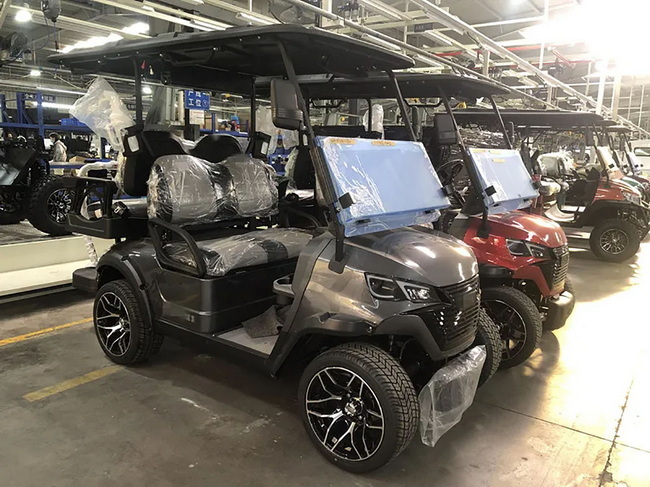
A clearly identified Club Car golf car allows you to match the correct batteries, motors, controllers, and body panels, reducing the risk of returns and installation errors. It also gives dealers and OEM manufacturers the precise data they need to recommend suitable upgrades, accessories, and maintenance plans for your golf car.[1][2][3][4]
- Accurate model and year information increases the resale value of your golf car because buyers can verify age and configuration.[1]
- Serial number decoding helps you avoid counterfeit or misrepresented golf cars in the used market.[1]
- Service centers rely on the correct model year to apply technical bulletins or recall actions to your Club Car golf car.[3][1]
The serial number plate or barcode decal is the most reliable way to identify a Club Car golf car. This code is permanently attached to the vehicle's frame or dash area and follows a defined format that reveals model and build information.[2][3]
Common serial number locations on Club Car golf cars include:[4][5][2]
- A barcode decal mounted on the frame directly above the accelerator pedal on many DS, Carryall, and LSV golf cars.
- A plate or decal located just under the passenger side glove box on post‑1981 Club Car golf cars.
- A barcode sticker below or behind the passenger cup holder area on newer Precedent, Tempo, and Onward golf cars.
These locations are designed so that the serial number can be seen without special tools, making it easy for owners, technicians, and OEM partners to identify the golf car quickly.
Most modern Club Car golf cars use a 12‑character serial number that usually contains one or two letters followed by numbers and a hyphen. An example format is PH0901-123456, which includes the model, model year, production week, and unique sequence.[6][2][3]
Here is how this pattern typically breaks down for your golf car:[2][3][6]
- The first 1–2 letters identify the specific model of your Club Car golf car. For example, “PH” is associated with a Precedent electric golf car model.[4][2]
- The next four digits show the model year and production week; in “0901,” “09” means 2009 and “01” means the first production week of that year.[3][6]
- The six digits after the hyphen represent the unique sequential number assigned to that particular golf car during the model year.[6][2]
By teaching owners to decode each part of this serial number, you give them a powerful tool to understand exactly what Club Car golf car they have and how it fits into the broader product family.
Serial numbers provide definitive data, but physical appearance offers quick clues, especially when buying or inspecting a used golf car. The most common Club Car golf cars in the market include DS, Precedent, Tempo, and Onward, and each has distinctive styling.[7][8]
The DS and Precedent models are often confused, yet they have clear visual differences that help identify a golf car:
- The DS usually has a more rounded front cowl and a slightly curved windshield, giving the golf car a traditional look.[7]
- The Precedent features a more angular, modern front cowl and a squared front profile, making the golf car look more contemporary.[7]
- DS headlights are commonly round or oval and integrated into the cowl, while Precedent headlights are more rectangular.[7]
- At the rear, DS golf cars often have smoother curves and a rounded bumper, whereas Precedent golf cars use a squared‑off rear with a vertical bumper.[7]
- DS frames use an all‑aluminum box design focused on durability and simplicity, while Precedent golf cars incorporate an AlumiCore frame with impact‑resistant body panels for improved everyday durability.[8]
Encouraging readers to inspect the front cowl shape, headlight design, and rear body profile gives them quick confirmation about which Club Car golf car they own, even before looking at the serial number.
A simple, consistent procedure makes Club Car golf car identification easy for both beginners and experienced owners. By following these steps, anyone can determine the exact model and year of a golf car with confidence.[2][3][6]
The first step is to find the identification label on the golf car. Ask the reader to look in the most common areas:
- Inspect the lower dash area and the frame just above the accelerator pedal for a small barcode decal on many DS, Carryall, and some LSV golf cars.[2]
- Look under the passenger side glove box on a wide range of Club Car golf cars built after about 1981; the plate may be set into the lower dash or frame.[5]
- On more modern Precedent, Tempo, and Onward golf cars, check under the passenger cup holder or near the passenger side inner dash where a vertical barcode decal is often mounted.[3][4]
This step ensures that the owner is working with the official factory serial number for their golf car, rather than relying on external stickers or aftermarket labels.
Once the label is found, the owner should carefully copy the entire code from the golf car serial plate. Even a small mistake can lead to the wrong parts being ordered.
- Encourage readers to take a clear, close‑up photo of the serial label on the golf car to avoid reading errors later.
- Remind them to include all letters, digits, and the hyphen when recording the serial number so the golf car can be properly identified by dealers and OEM suppliers.
- Note that some pre‑1981 golf cars may not follow the modern 12‑character system or may have incomplete documentation, so these may require additional help from a professional.[1]
With the serial number recorded, the next task is decoding the model of the golf car from the prefix. The first one or two letters of the serial number map to specific Club Car golf car models and variants.[9][10]
- Owners can compare these letters to official Club Car prefix charts, which list which combinations represent DS electric golf cars, DS gas golf cars, Precedent golf cars, and more.[10][9]
- For example, certain prefixes such as “A”, “AA”, “AB”, “AQ” are associated with DS electric golf car variations, while others identify gas models and different series.[10][1]
- Suppliers and OEM manufacturers use this prefix to ensure the frame, drive system, and body layout of the golf car match the parts being specified.[2]
This identification gives a high‑level view of the golf car's architecture before digging into year‑specific details.
The next four digits after the prefix reveal when the golf car was produced. This section is critical because even within the same model family, parts can change between years.
- The first two digits of this segment indicate the model year of the golf car; “09” means the golf car is a 2009 model.[4][6]
- The next two digits show the production week within that model year, so “01” means the golf car was built in the first week of that year.[6][3]
- Knowing the exact year helps with selecting compatible electronics, body components, and safety items that may differ between early and late production runs of the same golf car.[8]
Once the year and week are known, the owner has a precise timestamp on when the golf car rolled off the production line.
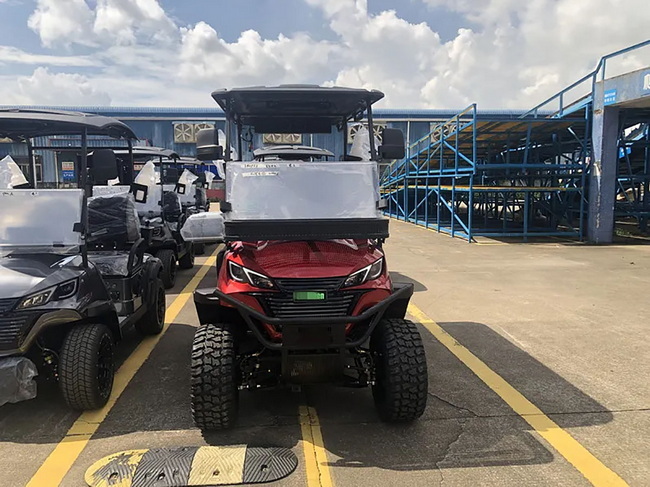
After the hyphen, the final six digits of the serial number act as a unique sequence number for that specific golf car within the model year.[6][2]
- This unique code helps the manufacturer, dealer, or OEM partner trace the exact golf car in internal systems and service records.[1]
- It also supports tracking maintenance history, warranty claims, and any campaign work done on that specific golf car.[1]
While this sequence does not normally affect which parts fit the golf car, it is critical for record‑keeping and quality tracking.
Finally, once the serial number has been decoded, it is wise to confirm the golf car's identity by inspecting its physical features. Over time, some golf cars may have received body swaps, frame repairs, or custom modifications.
- Compare the front body style, headlight shape, and windshield style to known DS, Precedent, Tempo, and Onward golf car designs.[8][7]
- Check the dash layout, cup holder designs, and roof mounting style, which also vary between Club Car golf car models.[11][8][7]
- If the physical appearance of the golf car does not match the decoded model, consult a dealer or experienced technician to check for frame swaps or customized builds.[4][1]
By combining serial number data with visual inspection, owners can be extremely confident in the identity of their Club Car golf car.
Once a Club Car golf car is properly identified, the information becomes highly valuable for OEM and aftermarket projects. For example, when an overseas OEM manufacturer such as BorCart designs compatible bodies, seats, or roofs, precise model and year data ensure perfect fitment.
- Correct identification of DS, Precedent, Tempo, or utility golf car variants allows design teams to create mounting points that match existing frames and body attachment locations.[8][2]
- Knowing whether a golf car is electric or gas, and which voltage or drive system it uses, helps in specifying controllers, wiring harnesses, motors, and battery configurations that integrate cleanly with the original platform.[8][1]
- Fleet operators using multiple Club Car golf cars can standardize upgrades and service routines by organizing vehicles according to their serial number ranges and production years.[3][1]
Accurate golf car identification benefits everyone in the supply chain—from owners and dealers to manufacturers building OEM solutions for global customers.
Many owners only think about model and year when something breaks, but keeping this information documented from the beginning makes life easier later. A few simple habits can protect the value and usability of your golf car.
- Save a photo of the serial number decal from your golf car in cloud storage or on your phone so it is always accessible when purchasing parts or scheduling service.
- Keep a written record or digital note that includes model, year, voltage, and any major upgrades made to your Club Car golf car over time.
- When you sell your golf car, share the serial number details and decoded information with the buyer to build trust and justify your asking price.[1]
By treating the serial number as a key document, you make it easier for OEM suppliers and service professionals to keep your golf car performing reliably for many years.
Identifying your Club Car golf car begins with finding the official serial number decal and recording it accurately. By decoding the model prefix, model year, and production week, and then cross‑checking with visual features such as the front cowl, headlights, and dash layout, any owner can determine exactly which Club Car golf car they own. This clear identification unlocks the ability to order correct parts, plan upgrades, and work effectively with OEM manufacturers that supply golf car bodies, accessories, and components for international customers.
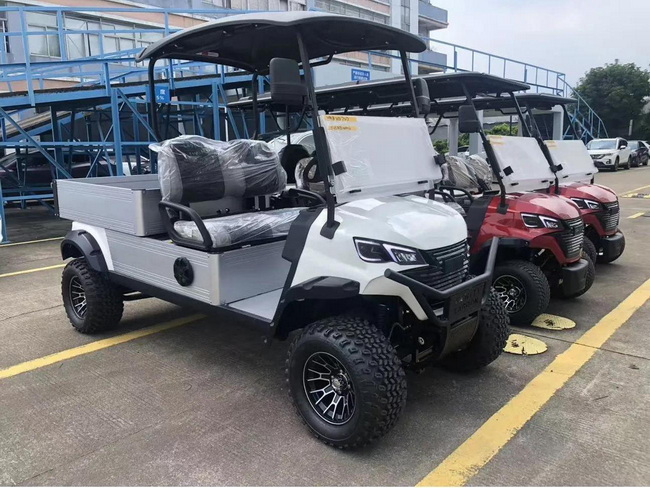
On most Club Car golf cars, the serial number is printed on a barcode decal mounted above the accelerator pedal, under the passenger glove box, or below the passenger side cup holder, depending on the model and production year.[5][3][2]
Look at the four digits after the letter prefix in the serial number: the first two digits indicate the model year and the next two digits show the production week of your golf car.[3][6]
If the plate is missing, you can still compare the body style, headlights, dash design, and roof supports to known DS, Precedent, Tempo, or Onward golf car designs, then confirm with a dealer using frame details or other markings.[11][7][8]
Suppliers request the serial number so they can match the exact model and year, which ensures that motors, controllers, body panels, and accessories are compatible with your specific Club Car golf car.[2][8][1]
Most non‑LSV Club Car golf cars do not use a traditional vehicle identification number; instead, they rely on the proprietary serial number format as the primary official identifier.[3]
[1](https://jsgolfcarts.com/blog/club-car-serial-number/)
[2](https://golfcartpartsdirect.com/Form/serialnumber)
[3](https://www.clubcar.com/en/resources/faq)
[4](https://jeffreyalleninc.com/club-car-serial-number-location-owners-manuals/)
[5](https://roykaw-direct.com/blogs/news/can-a-side-by-side-be-street-legal)
[6](https://www.electrickmotorsports.com/fckimages/pdf/clubcar-whatsmyyear.pdf)
[7](https://10l0l.com/blogs/blog/how-to-tell-the-difference-between-a-club-car-ds-and-precedent)
[8](https://apacheelectricvehicles.com/blog/club-car-ds-vs-precedent-which-golf-cart-is-right-for-you/)
[9](https://www.clubcar.com/en/resources/club-car-model-serial-prefix)
[10](https://fabbritek.it/identifica-golfcart/serial-number-chart.pdf%3Fsrsltid=AfmBOoohyKMRbmkv3Q-qU2rrshYBwpb-hR556pX90sVL-To9BeTOdpdW)
[11](https://cartaholics.com/threads/club-car-model-year-changes-precedent-tempo-onward.21091/)


