


Views: 222 Author: BorCart Publish Time: 2026-06-08 Origin: Site


Content Menu
● Why Your EVOLUTION Roof Choice Really Matters
● Core EVOLUTION Roof Styles by Series
>> Classic & Personal Series Roofs
>> Carrier Series Roofs (Fleet & Shuttle Use)
>> Forester & Turfmán Series Roofs (Utility & Off‑Road)
● Material & Design: What's Inside an EVOLUTION Roof
● How Roof Options Change Day‑to‑Day Experience
● Roof Accessories: Lighting, Solar, Racks, and More
● How to Choose the Right EVOLUTION Roof for Your Use Case
>> 1. Define Your Primary Application
>> 2. Consider Climate and Weather
>> 3. Plan for Accessories From Day One
>> 4. Factor in Service and Replacement
● OEM & Private‑Label Roof Solutions (BorCart Perspective)
● Installation and Maintenance Best Practices
● User Feedback: What Owners Actually Care About
● Call to Action: OEM Roof Solutions for Global EV Brands
● FAQs About EVOLUTION Golf Cart Roof Options
EVOLUTION golf cart roof options can dramatically change how comfortable, safe, and versatile your cart feels—whether you're a course golfer, a resort operator, or a fleet manager. In this guide, I'll walk you through roof types, real‑world use cases, upgrade paths, and OEM sourcing tips from the perspective of an electric vehicle manufacturer and long‑time golf cart industry partner. [builtrightdigital]
Choosing the right EVOLUTION golf cart roof is not just an aesthetic decision—it affects passenger comfort, weather protection, accessory compatibility, and long‑term maintenance costs. EVOLUTION offers a portfolio of roof solutions tailored to different series (Classic, D5 Maverick, Carrier, Forester, Turfmán), each optimized for specific use scenarios from private communities to commercial fleets. [iodigital]
From a manufacturing standpoint, modern golf cart roofs combine UV‑resistant composite materials, reinforced mounting systems, and accessory‑ready designs to support lights, racks, fans, or even solar charging panels. As an OEM supplier, we see more buyers asking for extended canopies and integrated accessory mounting points rather than basic "shade only" roofs. [adroll]
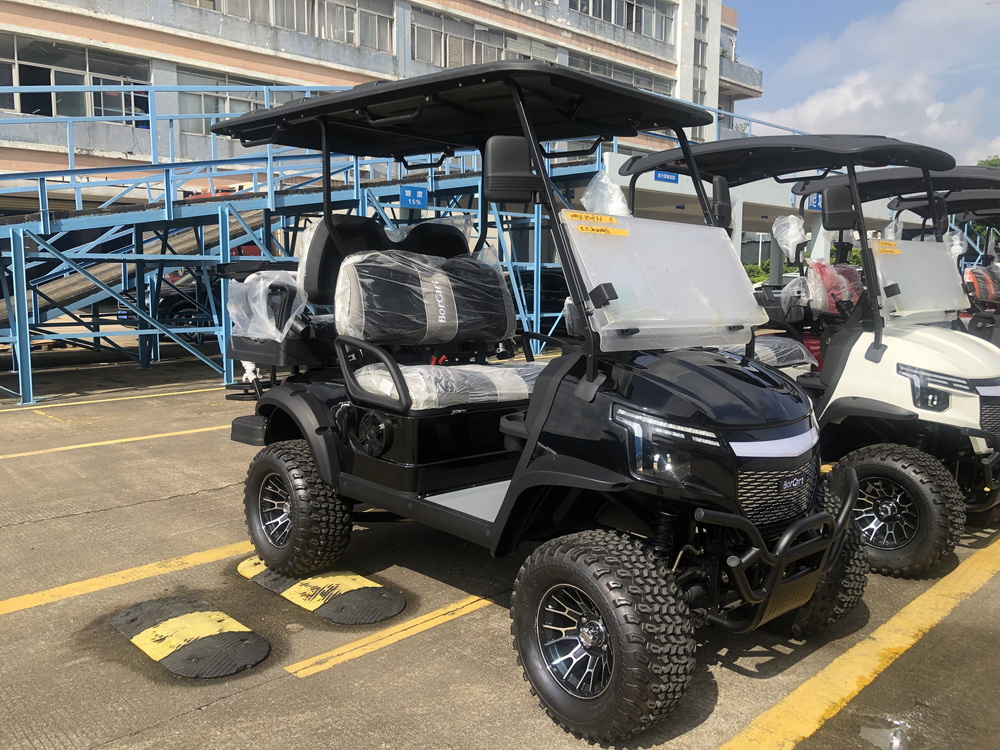
A golf cart roof works like a mobile micro‑shelter: it controls shade, rain protection, air flow, and even perceived vehicle quality. For EVOLUTION carts, roof choice directly influences passenger satisfaction scores in resorts, residential communities, and commercial applications. [builtrightdigital]
Key impacts of roof selection:
- Comfort: Longer roofs and deeper overhangs reduce sun exposure and wind shear on rear seats. [builtrightdigital]
- Safety: Rigid mounting and proper drainage reduce water dripping on controls and improve driver visibility in rain. [builtrightdigital]
- Brand perception: A well‑designed roof with integrated lights or speakers makes a fleet look modern and premium. [iodigital]
- TCO (Total Cost of Ownership): Durable materials and OEM‑grade hardware reduce cracking, fading, and replacement frequency. [builtrightdigital]
As a manufacturer supplying global brands, we often see that roof failures (cracks near mounting points or UV fading) are among the top after‑sales complaints—preventable by choosing higher‑grade materials and reinforced structures from the start. [builtrightdigital]
EVOLUTION® organizes its carts into distinct series, and the factory roof designs are engineered around those use cases. [iodigital]
The EVOLUTION Classic Series and D3 Lifted carts target personal users in golf communities and neighborhoods. [builtrightdigital]
Typical roof characteristics:
- Sleek, low‑profile single‑piece roofs for 2–4 seaters. [builtrightdigital]
- UV‑resistant thermoplastic or composite materials to resist fading and cracking. [builtrightdigital]
- Balanced weight distribution to keep the center of gravity low. [builtrightdigital]
These roofs are ideal if your main goal is daily shade and light rain protection without adding unnecessary weight or height that could interfere with garage doors or enclosed trailers. [builtrightdigital]
The D5 Maverick range is built for style‑oriented and social users who often carry passengers in rear‑facing seats. [builtrightdigital]
Roof features you can expect:
- Extended roof length to cover all rows, including rear seats. [builtrightdigital]
- Aerodynamic contours that reduce wind noise and upgrade the visual profile. [builtrightdigital]
- High compatibility with roof‑mounted options like LED light bars, Bluetooth speakers, or solar panels. [builtrightdigital]
If you run resort shuttles, vacation rentals, or community security carts, a D5‑style extended roof helps maintain comfort on longer rides and supports the entertainment or utility accessories guests expect. [builtrightdigital]
The EVOLUTION Carrier 6 Plus and Carrier 8 Plus series are designed as people movers for hotels, campuses, and large facilities. [builtrightdigital]
Key roof traits:
- Full‑length canopy spanning 6–8 seats with multiple support pillars. [builtrightdigital]
- Integrated drip channels and angled designs that direct rain away from passengers. [builtrightdigital]
- Reinforced frames for stability when fully loaded or operating on uneven paths. [builtrightdigital]
For operators, a properly engineered Carrier roof reduces wet seat complaints, water pooling, and structural flex—issues that can shorten the life of cheaper aftermarket roofs. [builtrightdigital]
The Forester and Turfman lines are built for outdoor work, hunting, or off‑road recreation. [builtrightdigital]
Their roof systems prioritize:
- Thickness and impact resistance to handle branches and debris. [builtrightdigital]
- Pre‑engineered mounting points for utility racks, work lights, or hunting gear. [builtrightdigital]
- Extended overhangs for better coverage in harsh sun or rain. [builtrightdigital]
For grounds crews, farms, or hunting properties, these roofs act as both protection and a structural base for tools and cargo, lowering the need for separate rack systems. [iodigital]
From an OEM manufacturing perspective, the difference between a good and a great golf cart roof often comes down to material science and structural design. [builtrightdigital]
Common material choices in modern EV roofs:
- UV‑stabilized thermoplastic (ABS/PP blends): Lightweight, formable, and resistant to fading when properly stabilized. [builtrightdigital]
- Composite blends: Increased stiffness and crack resistance for longer spans, ideal for 6–8 seat Carrier roofs. [builtrightdigital]
- Metal reinforcement rails: Integrated into the roof or frame for added strength and load‑bearing capacity. [builtrightdigital]
Design details that matter in real‑world use:
- Gutters and drip edges to route rain away from seat edges and control panels. [builtrightdigital]
- Curved, aerodynamic profiles to reduce drag and wind noise at higher neighborhood speeds. [iodigital]
- Accessory‑ready molds with flat mounting pads or internal channels for wiring lights and speakers. [builtrightdigital]
Manufacturers like us (BorCart) can customize material thickness, UV packages, and reinforcement layouts based on the buyer's climate, expected load, and branding requirements. [chinese.alibaba]
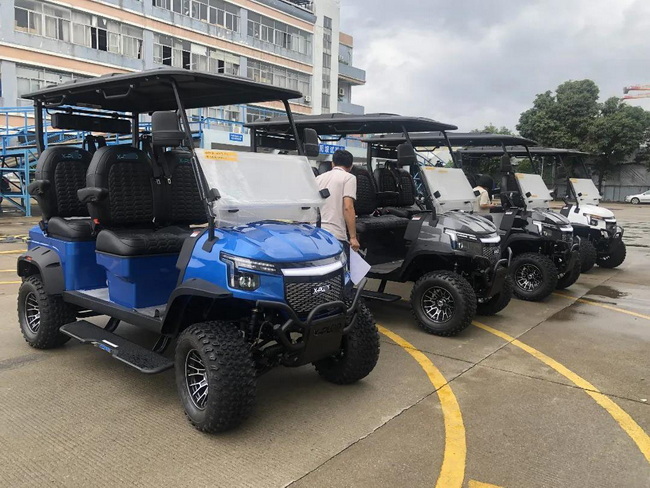
To understand why roof choice deserves attention, consider three everyday scenarios. [builtrightdigital]
1. Midday summer round on the course
A standard Classic roof may shade the front passengers well, but rear passengers on a 4‑seater with a short canopy can still be exposed to direct sun. Extended roofs with deeper overhangs reduce that exposure, leading to better guest satisfaction scores in courses or resorts. [builtrightdigital]
2. Rainy campus shuttle run
Carrier series roofs with integrated drip channels and extended coverage keep passengers and seat cushions drier, reducing cleanup and mildew issues after storms. For operators, this translates to fewer complaints and higher cart utilization throughout the season. [iodigital]
3. Evening neighborhood ride
Roofs pre‑designed to accept LED strips or light bars improve visibility and safety on low‑speed roads (NEV/LSV use), especially when paired with EVOLUTION's street‑legal configurations. The roof becomes a convenient mounting plane for safer lighting rather than an afterthought. [iodigital]
Modern EVOLUTION roofs are increasingly platforms for accessories, not just covers. [builtrightdigital]
Popular roof‑mounted upgrades include:
- LED light bars / courtesy lights: For safer night driving in communities and resorts. [iodigital]
- Bluetooth speakers or soundbars: Enhancing guest experience on rental carts or personal vehicles. [builtrightdigital]
- Solar panels: Trickle‑charging systems to extend range or support auxiliary loads (fans, lighting). [builtrightdigital]
- Utility racks: For tools, hunting equipment, or luggage on Forester and Turfmán models. [builtrightdigital]
From an OEM perspective, it's much safer and more durable to design accessory‑ready roofs from the beginning than to allow random drilling and DIY mounting that can compromise waterproofing and structural integrity. This is exactly why many EVOLUTION roof options now ship with predefined mounting points and internal cable routes. [builtrightdigital]
If you're selecting a new EVOLUTION golf cart—or upgrading an existing one—use the following framework that we apply in OEM and fleet consulting projects. [iodigital]
- Personal & community use: Prioritize aesthetics, low profile, and compatibility with neighborhood garages. Classic Series roofs are typically enough. [builtrightdigital]
- Resort & rental fleets: Look for extended roofs, integrated drip channels, and easy cleaning for high turnover use. Carrier and D5 roofs often work best. [builtrightdigital]
- Industrial, farm, or campus operations: Seek heavy‑duty roofs with rack/lighting support (Forester, Turfmán). [builtrightdigital]
- High UV areas: Invest in UV‑stabilized materials and lighter exterior colors to reduce heat absorption. [builtrightdigital]
- Rainy climates: Emphasize gutter design, drainage, and extended overhangs to keep seats and floors dry. [builtrightdigital]
- Windy/coastal regions: Look for robust mounting hardware and reinforced structures to withstand gusts and salt exposure. [builtrightdigital]
List all possible accessories now and in the next 2–3 years (lights, speakers, solar, racks). Then select an EVOLUTION roof option that is rated and pre‑engineered to support that accessory load. [builtrightdigital]
Ask your dealer or OEM partner about:
- Lead times for replacement roofs and parts. [iodigital]
- Availability of color‑matched replacements. [builtrightdigital]
- Compatibility between older chassis and newer roof designs. [builtrightdigital]
For fleet operators, standardizing on 1–2 roof types across multiple cart models simplifies inventory and reduces downtime. [builtrightdigital]
As a Chinese electric vehicle and components manufacturer, BorCart serves overseas brands, wholesalers, and assemblers with OEM and private‑label solutions for golf carts and low‑speed EVs. [chinese.alibaba]
When we design or produce roof systems for clients targeting EVOLUTION‑compatible or similar platforms, we typically focus on:
- Custom molds and branding: Embossed logos, unique contours, and color schemes matching the client's brand. [chinese.alibaba]
- Region‑specific specs: Thicker UV packages for high‑sun markets, corrosion‑resistant hardware for coastal regions. [builtrightdigital]
- Integration support: Roofs engineered to accept the client's lights, speakers, or solar modules without extra drilling. [builtrightdigital]
- Cost‑to‑performance optimization: Balancing material thickness, reinforcement, and production volume to hit the customer's target price and warranty objectives. [chinese.alibaba]
For global buyers looking to build their own line of EVOLUTION‑style carts or accessories, working directly with an OEM like BorCart ensures:
- Shorter development cycles from prototype to mass production. [chinese.alibaba]
- Better quality control at the component level. [chinese.alibaba]
- Flexible order quantities and packaging tailored to their distribution model. [chinese.alibaba]
Even the best roof will underperform if installed or maintained poorly. [builtrightdigital]
Installation tips:
1. Always use OEM‑specified mounting hardware and torque settings to avoid stress cracks around bolt holes. [builtrightdigital]
2. Align support struts and check for chassis twist before tightening to prevent roof tension. [builtrightdigital]
3. When adding accessories, use pre‑defined mounting points instead of drilling random holes that can cause leaks. [builtrightdigital]
Maintenance checklist:
- Wash the roof regularly with mild detergent to remove acidic bird droppings and debris. [builtrightdigital]
- Inspect mounting points and seals every season for signs of fatigue, corrosion, or loosening. [builtrightdigital]
- In high‑UV regions, consider applying approved protectants to extend color retention. [builtrightdigital]
For fleet owners, documenting a simple roof inspection routine inside your operations manual reduces unexpected failures and warranty claims. [builtrightdigital]
Owner reviews and field feedback on EVOLUTION‑style carts tend to focus on a few recurring roof‑related themes. [iodigital]
Most mentioned positives:
- "All‑row coverage" on extended roofs, especially on 6–8 seaters. [builtrightdigital]
- How quiet and solid the roof feels at speed when properly reinforced. [builtrightdigital]
- Convenience of factory‑ready mounts for lights or speakers. [builtrightdigital]
Most common complaints when roofs are underspecified or poorly installed:
- Rear passengers still getting wet in light rain or sprayed by runoff from poorly designed drip edges. [builtrightdigital]
- Roof rattling over bumps due to loose hardware or thin support structures. [builtrightdigital]
- Fading and chalking on low‑quality plastics after 1–2 seasons in strong sunlight. [builtrightdigital]
By choosing the right EVOLUTION roof option upfront—and working with a qualified OEM supplier—you can address most of these issues before they ever reach your customers. [adroll]
If you're a brand owner, wholesaler, or assembler looking to expand your EVOLUTION‑compatible golf cart line or upgrade your existing carts, partnering with an experienced OEM manufacturer can transform your roof system from a cost center into a competitive advantage. [chinese.alibaba]
BorCart can support you with:
- Custom‑designed golf cart roofs aligned with EVOLUTION‑style platforms and your brand identity. [chinese.alibaba]
- Scalable production for private‑label carts, replacement parts, and accessory‑ready roof kits. [chinese.alibaba]
- Engineering consultation on materials, load requirements, and integration with your lighting, sound, or solar systems. [chinese.alibaba]
Contact our team to discuss your specifications, target markets, and annual volumes—and let's build a roof solution that keeps your passengers comfortable and your brand ahead of the competition. [chinese.alibaba]
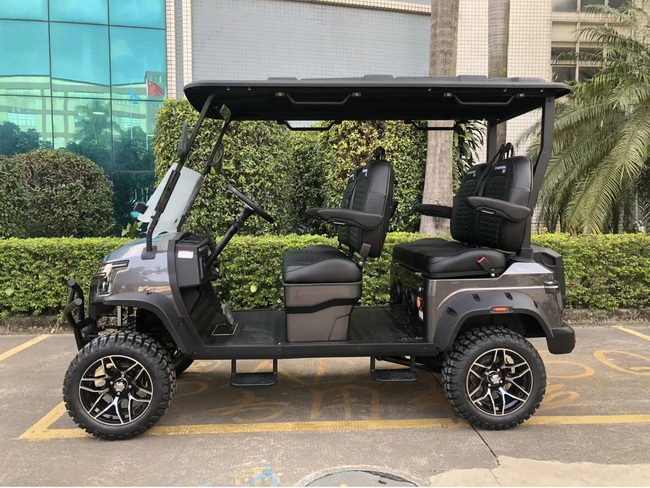
1. Can I upgrade from a standard EVOLUTION roof to an extended one later?
In many cases, yes—provided the chassis supports the longer roof and additional struts, but you should confirm compatibility with your dealer or OEM supplier before ordering. [builtrightdigital]
2. Are solar roofs for EVOLUTION golf carts worth it?
Solar panels cannot fully replace plug‑in charging, but they can meaningfully extend range, support auxiliary loads, and reduce battery stress in sunny climates when properly engineered. [builtrightdigital]
3. How long does a high‑quality golf cart roof typically last?
With UV‑stabilized materials, correct installation, and basic maintenance, an OEM‑grade roof can often last the full life of the cart, typically many seasons of regular use. [builtrightdigital]
4. Do roof‑mounted accessories void my warranty?
If accessories are mounted using factory‑designed locations and load limits, they usually do not, but drilling new holes or overloading the roof can affect warranty coverage—always check your supplier's policy. [adroll]
5. What's the best roof option for resort fleets with frequent passenger turnover?
Extended, full‑length roofs with strong drip channels and easy‑to‑clean surfaces on Carrier or D5‑type models usually perform best for resorts and hotels. [iodigital]
1. Tigon Golf Carts – EVOLUTION Golf Cart Roof Options & Feature Overview
<https://tigongolfcarts.com/evolution-golf-cart-roof-options-best-deals-services-options-available/> [builtrightdigital]
2. Tigon Golf Carts – EVOLUTION Golf Carts, Sales, Parts & Service
<https://tigongolfcarts.com/evolution/> [iodigital]
3. AdRoll – Product Page SEO: How to Boost Rankings For Your Product Content
<https://www.adroll.com/blog/product-page-seo-how-to-boost-rankings-for-your-product-content> [adroll]
4. iO Digital – Google E‑E‑A‑T: Creating Content That Puts People First
<https://www.iodigital.com/en/insights/blogs/google-e-e-a-t-creating-content-that-puts-people-first> [iodigital]
5. Eleven Writing – How To Use Google's Guidelines To Improve Your Website's E‑E‑A‑T
<https://www.elevenwriting.com/blog/how-to-use-googles-guidelines-to-improve-your-websites-e-e-a-t> [elevenwriting]
6. Michigan Tech – Six Ways to Improve Your Site's Ranking (SEO)
<https://www.mtu.edu/umc/services/websites/seo/> [mtu]
7. Alibaba – China Golf Cart Factory Listing (BorCart Product Context)
<https://chinese.alibaba.com/product-detail/Best-Selling-China-Golf-Cart-Factory-1601649295029.html> [chinese.alibaba]


