


Views: 222 Author: Leah Publish Time: 2025-12-29 Origin: Site


Content Menu
● Understanding Competition Rules for Golf Buggies
● Global Guidelines and Governing Bodies
● When You Can Use a Golf Buggy
● When Golf Buggies Are Not Allowed
● Medical Exemptions and Disability Accommodation
● Typical Local Policies on Golf Buggies
● Safety, Etiquette, and Course Protection
● Pace of Play and Fairness Considerations
● How to Check If You Can Use a Golf Buggy
● Practical Tips for Using a Golf Buggy in Competition
● How Tournament Organizers View Golf Buggies
● Choosing the Right Golf Buggy for Competition Use
● Customizing a Golf Buggy for Competitive Play
● Operational Considerations for Clubs Managing Golf Buggies
● Environmental and Sustainability Aspects
● Future Trends in Golf Buggy Use in Competition
● FAQ
>> 1. Do most club competitions allow a golf buggy?
>> 2. Can I use a golf buggy in national or elite events?
>> 3. What medical proof do I need to use a golf buggy?
>> 4. Can the committee ban all golf buggies because of bad weather?
>> 5. Are there penalties for misusing a golf buggy in competition?
Using a golf buggy in a competition is sometimes allowed and sometimes strictly forbidden, depending on the level of event, the committee's terms of competition, and any medical or disability exemptions you may have. Most club events are relatively flexible, while elite tournaments such as many USGA or national championships expect players to walk unless an approved accommodation applies.[1][2]
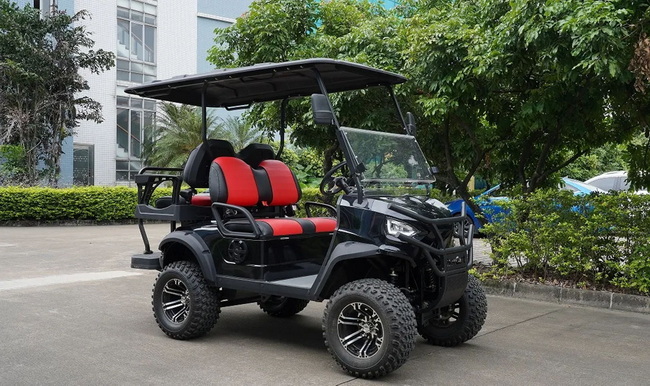
At most golf clubs, the basic principle is that a golf buggy is allowed in competition unless the committee specifically bans it in the terms or conditions of the event. Many clubs publish a dedicated buggy or transportation policy that explains when you may ride, when you must walk, and what restrictions apply during competitive rounds.[3][1]
In higher-profile events, walking is often treated as part of the challenge, so a golf buggy is not allowed for players or caddies unless a disability-based exemption has been approved. This approach preserves the traditional physical test of golf while still leaving room to accommodate players who cannot reasonably walk a full round.[2][4]
The major governing bodies treat a golf buggy as a means of transportation that the organizing committee can regulate through local rules and competition terms. Their guidance encourages organizers to write clear policies that are fair, practical, and consistent with equality and disability legislation.[5][3]
Some national organizations publish detailed buggy and transportation guidance so that clubs and tournament organizers can follow a consistent model. These materials cover when a golf buggy should be allowed, what medical evidence can be requested, and how to balance player inclusion with course protection and safety.[6][5]
In many club competitions, especially routine medals, stablefords, and fun days, using a golf buggy is generally allowed as long as you follow the local buggy rules. These events focus more on enjoyment and participation, so committees often take a flexible view of on-course transportation.[1][3]
For players with injuries, chronic conditions, or disabilities, the committee may allow a golf buggy even in more serious events where other players are expected to walk. In such cases, the buggy is treated as a reasonable adjustment that enables the player to compete on roughly equal terms rather than an unfair advantage.[5][6]
Major championships and many national or regional events usually specify that players and caddies must walk for all practice and competition rounds. These rules often reflect the belief that stamina and physical endurance are integral parts of the competitive test at that level.[4][2]
Committees may also temporarily ban every golf buggy on safety grounds when the course is waterlogged, frosty, extremely steep, or otherwise hazardous. Even in generally buggy-friendly environments, such bans apply to all golfers to avoid accidents and prevent serious damage to the playing surfaces.[7][1]
Many buggy policies distinguish between casual convenience and genuine medical need, giving priority to golfers who require a golf buggy to participate at all. Players may be asked to provide a medical certificate or similar documentation confirming that walking 18 holes would be unreasonably difficult.[6][1]
At top-tier events, some organizers use formal disability or ADA-based procedures to review cart requests, particularly where laws require reasonable accommodation. These processes usually involve forms, deadlines, and independent review, but when approved they allow a player to use a golf buggy even if others must walk.[2][4]
A common club approach is to declare that golf buggies are permitted unless competition terms or course conditions state otherwise, and then list specific exceptions. For example, the policy might restrict buggies in club championships, certain match-play finals, or long multi-round events unless a medical exemption applies.[3][1]
Many policies also clarify who may drive a golf buggy, whether passengers are allowed, and whether caddies can ride. Some clubs insist that anyone operating a buggy must be an adult with a valid driving licence, while others simply require the user to accept a written safety code before play.[7][1]
Where golf buggies are allowed, safety rules are usually very specific, and players are expected to drive with care at all times. Typical instructions include obeying posted signs, keeping hands and feet inside while moving, avoiding steep banks, and never driving under the influence of alcohol or drugs.[8][1]
To protect the course, a golf buggy is commonly restricted from tees, greens, collars, bunkers, and clearly marked sensitive areas. Many clubs also require buggies to stick to paths where possible and to use 90-degree crossing methods on fairways to reduce turf compaction and scarring.[1][7]
One concern committees sometimes raise is whether using a golf buggy creates an unfair advantage in endurance or pace during a long competition. Over 36 holes or in hot, hilly conditions, riders may feel fresher than walkers, which is one reason higher-level events often restrict or ban buggies.[2][3]
On the other hand, allowing a golf buggy can help keep play moving when players would otherwise struggle to keep up due to age or mobility limitations. Tournament policies increasingly try to reconcile these two factors by allowing carts where essential while still preserving the traditional character of championship golf.[5][1]
Before the event, read the terms of competition, noticeboard announcements, or entry form carefully to see how transportation is handled. Cart restrictions are often listed right alongside information about tees, formats, and local rules.[9][10]
If anything is unclear, ask the competition secretary, head professional, or tournament office directly whether you may use a golf buggy. Players who anticipate needing a buggy because of a medical condition should raise the issue early so there is time to supply certificates or complete any formal request procedures.[11][1]
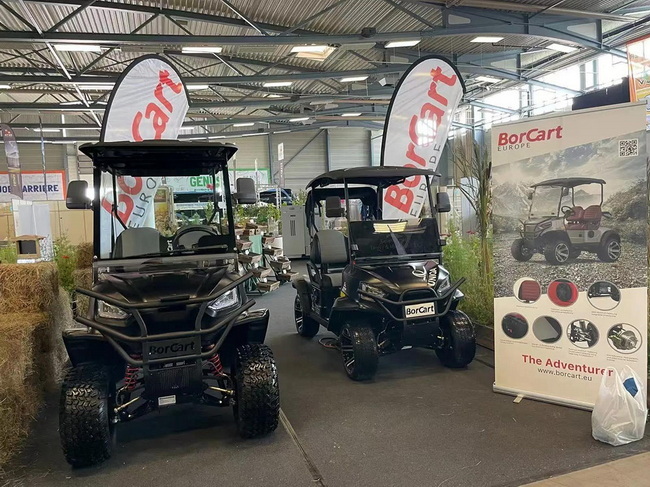
If you plan to use a golf buggy, arrive early to secure your vehicle, check the brakes and steering, and make sure the battery is fully charged or the tank is adequately fueled. Knowing how far a buggy can reliably go on one charge or tank is essential in 18- or 36-hole competitions.[12][1]
During the round, use the buggy thoughtfully: drive directly between shots rather than zigzagging, respect restricted zones, and stay clear of other players while they are playing. Good etiquette also includes parking on the correct side of greens to exit quickly and avoiding sudden stops or noise while other competitors are over the ball.[8][1]
From an organizer's perspective, golf buggies are both a benefit and a logistical challenge. They can improve accessibility and pace of play, but they also introduce safety risks, insurance issues, and potential disputes about fairness.[3][5]
To manage these factors, many clubs and associations now publish clearly structured buggy policies that are reviewed regularly. This helps committees respond consistently to requests, communicate expectations to players in advance, and adjust rules sensibly when weather or course conditions change.[6][5]
For players or clubs sourcing their own vehicles, choosing the right golf buggy can make competition days smoother, safer, and more enjoyable. Electric buggies are popular for their low noise, low emissions, and smooth acceleration, which help maintain a calm competitive environment. They also suit clubs that want to present a modern, eco-friendly image while keeping running costs predictable.[1][5]
Manufacturers that specialize in electric vehicles for golf and utility applications design buggies with tournament conditions in mind, focusing on reliability, hill-climbing performance, and strong braking. Features like long-life batteries, smart charging systems, comfortable seating, and ample storage space for golf bags and accessories all contribute to consistent performance throughout a full competitive round.[12][1]
Many brands offer customization options so that clubs, wholesalers, or OEM partners can tailor a golf buggy to specific competition needs. Typical upgrades include weather enclosures, windshields, premium seating, and dedicated holders for scorecards, rangefinders, and refreshments. These additions help keep players focused on scoring while ensuring comfort in a wide range of climates.[5][1]
For clubs hosting large events, fleet customization can also include branding and color schemes that match the club's identity or sponsor requirements. OEM-oriented manufacturers often support such projects by integrating logos, color palettes, and accessory packages directly into production, making the golf buggy fleet both functional and visually coherent during televised or high-profile competitions.[12][1]
Clubs that operate a substantial buggy fleet for competitions must consider charging infrastructure, maintenance routines, and booking systems. Establishing dedicated charging bays, clear charging schedules, and routine battery checks helps ensure that every golf buggy is ready for back-to-back events. Regular inspections of tires, brakes, and steering components are also critical for safety and to minimize breakdowns during competitive rounds.[8][1]
Some clubs implement online or app-based booking so players can reserve a golf buggy at the same time they enter a competition, which improves planning and reduces last-minute disputes. When integrated with competition management software, these systems help staff allocate buggies fairly, prioritize medical users where necessary, and track utilization data for future fleet decisions.[9][5]
The choice between fuel and electric power for a golf buggy has environmental implications that many modern clubs and resorts consider carefully. Electric buggies produce no tailpipe emissions during use and are generally quieter, which protects the course's natural ambience and reduces disturbance to neighboring properties. This makes them particularly attractive for environmentally conscious venues and residential golf communities.[1][5]
Efficient charging protocols and battery management can further reduce the overall carbon footprint of a buggy fleet, especially where clubs source electricity from renewable providers. Some facilities also explore multi-purpose use of their golf buggy fleets for maintenance support and internal staff transportation, which maximizes the value of each vehicle while limiting the need for additional fuel-powered machines.[7][1]
Technology and regulation are continually reshaping how golf buggies are used in competition settings. More advanced control systems, GPS integration, and geofencing allow clubs to restrict buggy access automatically in sensitive zones, reducing the risk of accidental damage. These systems can guide players along optimal paths that protect turf and help maintain consistent pace of play.[5][1]
Policy trends also lean toward more structured accommodation for players with disabilities, with clearer pathways for requesting a golf buggy and more transparent criteria for approval. As awareness grows, there is likely to be more emphasis on inclusive competitive formats in which a properly regulated golf buggy is seen not as an unfair advantage but as an enabling tool for broader participation.[6][5]
Whether you can use a golf buggy in a competition depends on the event's terms, the level of play, and any disability or medical exemptions that may apply. Club events are often more permissive, while national and international championships tend to restrict or ban buggies for players except where laws or disability policies demand reasonable accommodation. To stay compliant and protect both safety and course conditions, always check the competition conditions, consult the committee in advance if you need special permission, and follow all operational and etiquette guidelines whenever a golf buggy is allowed.[4][2][3][1][5]
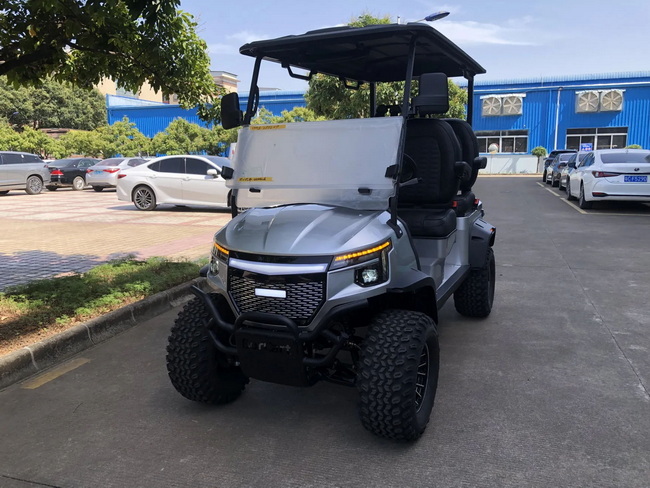
Many routine club competitions do allow a golf buggy, provided its use is not specifically prohibited in the competition's terms or local rules. Some clubs tighten restrictions for major championships or long multi-round events, sometimes requiring a medical certificate before allowing buggy use.[3][1]
In many national or elite events, players and caddies must walk and are not allowed to use a golf buggy during official practice or championship rounds. Exceptions are usually limited to formally approved disability or medical accommodations processed through detailed request procedures.[4][2]
Clubs and federations often require a medical certificate from a qualified clinician explaining why you need a golf buggy to participate. At higher levels, such as large championships or qualifiers, there may be specific forms, submission deadlines, and independent assessment processes to verify that a buggy is a necessary adjustment.[6][1]
Yes, committees or course managers can suspend all golf buggy use if conditions make riding unsafe or risk serious damage to the course, such as heavy rain, waterlogging, frost, or high winds. These temporary bans typically apply to every player and visitor until conditions improve, even if buggies are normally permitted.[7][1]
Serious misuse of a golf buggy, such as driving into prohibited areas, ignoring safety instructions, or endangering other players, can result in penalties or even disqualification for serious misconduct in events that adopt specific cart policies. Committees may also withdraw buggy privileges in future competitions if a player repeatedly breaks the rules.[8][1]
[1](https://howdidido.blob.core.windows.net/clubsitespublic/file_fee9e917-93c8-4fe0-a8b7-b82977c0927d.pdf)
[2](https://www.usga.org/content/dam/usga/pdf/host-sites/Golf%20Carts.pdf)
[3](https://www.ashtonleagolfclub.co.uk/buggy_policy)
[4](https://nysga.org/_media/USGA/ADA_USGA_Cart_Request_Procedures.pdf)
[5](https://www.golfireland.ie/club-hub-detail/buggy-guidelines)
[6](https://www.englandgolf.org/resource-detail/buggies-and-transportation)
[7](https://assets.randa.org/c42c7bf4-dca7-00ea-4f2e-373223f80f76/f8767384-011c-42b4-befb-b0b6af8a3d0a/Buggy%20Policy%202025.pdf)
[8](https://www.nebgolf.org/wp-content/uploads/2022/07/Cart-Policy-U.S.-Senior-Amateur-Q-2022.pdf)
[9](https://swga.net/conditions-of-competition)
[10](https://www.nhgolf.com/rules/)
[11](https://forums.golfmonthly.com/threads/buggy-in-a-casual-round.110852/)
[12](https://tournaments.uskidsgolf.com/tournaments/info/tournament-policies/cart-policy)


