


Content Menu
● Understanding the Golf Buggy Shape
● Planning the View and Proportions
● Step‑by‑Step: Drawing a Simple Golf Buggy
>> Step 2: Add the Body Volume
>> Step 4: Draw the Roof Supports and Roof
>> Step 6: Add the Steering Wheel and Dashboard
>> Step 7: Draw the Rear Golf Bag Area
>> Step 8: Refine Lines and Clean Up
>> Step 9: Add Details and Shading
● Taking Your Golf Buggy Drawing to the Next Level
>> Perspective and Dynamic Angles
>> Backgrounds and Environments
● Customizing the Design of Your Golf Buggy
● Common Mistakes When Drawing a Golf Buggy
● Practicing and Building Confidence
● FAQ
>> 1. How long does it take to learn to draw a golf buggy?
>> 2. Is a side view or three‑quarter view easier for a golf buggy?
>> 3. What level of detail is best for a beginner's golf buggy?
>> 4. Can children draw a golf buggy successfully?
>> 5. Which references are most useful for improving golf buggy drawings?
Drawing a golf buggy is an enjoyable way to explore vehicle illustration while practicing perspective, proportions, and clean line work. With a few clear steps and regular practice, you can sketch a convincing golf buggy from scratch that looks stylish, functional, and ready for the course.
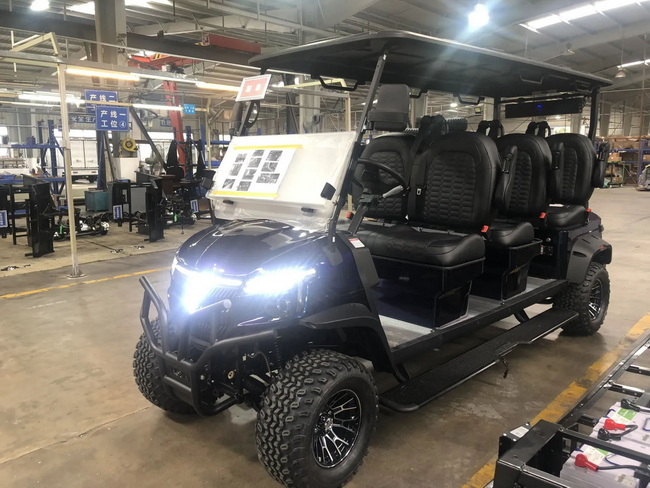
A golf buggy has a compact, boxy body, open sides, a light roof, and relatively large wheels compared with its frame. Focusing on these proportions keeps the golf buggy recognizable and prevents it from looking like a generic road car.
Key visual features of a golf buggy include:
- Low, elongated chassis with a flat underside
- Two main seats with a simple backrest
- Upright supports holding a thin roof
- Two visible wheels in side view, or four in a three‑quarter view
- A steering wheel, dashboard, and rear rack for golf bags
Before you start drawing, decide whether you want a side view or a three‑quarter view of your golf buggy. A side view is easier for beginners, while a three‑quarter view makes the golf buggy look more dynamic and three‑dimensional.
You do not need expensive tools to draw a golf buggy. Simple sketching materials are more than enough to create a clear, attractive golf buggy drawing.
Useful materials for a clean golf buggy sketch:
- HB or 2B pencil for light construction lines
- Smooth drawing paper or sketchbook page
- Eraser for refining the golf buggy outline
- Ruler for long straight edges under the chassis and roof
- Fine liner or black pen for final line art
- Colored pencils or markers for coloring and shading
Choose a comfortable workspace with good lighting so you can see the subtle lines of your golf buggy as you build up its structure. If you prefer digital drawing, any basic drawing software with layers and a simple brush will work well for a golf buggy illustration.
Good planning makes the golf buggy easier to draw and keeps the design consistent. Think about the overall length, height, and placement of major elements before you add details.
When planning your golf buggy:
- Keep the body low and slightly longer than it is tall
- Make the roof thin and light instead of thick and heavy
- Ensure the wheels are large enough to look sturdy but still approachable
- Place the seat area slightly behind the center of the golf buggy
- Reserve some space at the rear for the golf bag rack or utility platform
You can lightly divide your page into halves or thirds with guidelines to help place the golf buggy in a balanced position. This prevents the golf buggy from feeling cramped or too close to one edge of the paper.
This section breaks the process into clear phases so you can draw a golf buggy from the ground up. Work slowly at first, and keep your lines light so you can adjust as needed.
Start by drawing a long, slightly rounded rectangle to represent the base of the golf buggy. Keep it low and horizontal, because a golf buggy rides close to the ground.
- Sketch a light horizontal guideline for where the wheels will sit
- Draw the base just above that line to represent the chassis
- Make the front and rear edges slightly curved if you want a softer, modern look
This base defines the length and attitude of your golf buggy, so take time to get it right.
Above the base, draw the main body shape that will hold the seats and driver area. In a side view, this can be a simple, low rectangle with a slightly curved front edge.
- Start the body rectangle a little behind the very front of the base
- End it a bit before the rear edge to leave room for the golf bag platform
- Curve the front upper corner slightly to soften the overall golf buggy profile
At this stage you have a basic block that suggests where passengers sit in the golf buggy.
Wheels give the golf buggy a clear sense of scale and stability. Two properly placed circles can instantly make your golf buggy look more believable.
- On the ground guideline, sketch a circle for the front wheel, leaving a small gap from the front of the base
- Sketch a second circle for the rear wheel, closer to the back of the base
- Make sure both wheels are the same size and sit on the same line
Inside each wheel, draw a smaller circle to suggest the rim or hub. A well‑aligned wheel pair goes a long way toward making the golf buggy look solid and well built.
Most golf buggy designs have supports rising from the body to hold a thin roof over the seats. These vertical or slightly angled lines form a unique golf buggy silhouette.
- Draw a vertical or slightly angled line near the front part of the seat area
- Draw another support near the rear of the seat area
- Connect the tops of these supports with a long, thin rectangle for the roof
The roof should stretch over the whole seating area of the golf buggy. Try to keep the roof thickness slim so it looks light and functional, not heavy.
Seats are the core of the passenger area and can be simplified into soft rectangular shapes. Even simple shapes can still look comfortable and inviting.
- Draw a long, horizontal rectangle on top of the body to represent the seat cushion
- Add a taller, thinner rectangle behind it for the backrest
- Round the corners slightly to suggest padded seating
You can divide the seat horizontally to show two separate seats if you want a more detailed and modern golf buggy style.
The steering wheel and dashboard define the front of the golf buggy as the driver zone. Without them, the golf buggy may look like a trailer or utility platform.
- Sketch a short diagonal line rising from the front part of the body for the steering column
- At the top of the column, draw a flattened circle or rounded rectangle for the steering wheel
- Behind or below the steering wheel, add a small angled panel to represent the dashboard
Add a simple pedal shape at the floor if you like, but keep details basic until the main golf buggy structure is in place.
The rear golf bag platform gives the golf buggy its clear connection to the sport. This small area can be drawn with a few simple shapes.
- Extend a short rectangle from the rear of the body above the base level
- Add a vertical edge or simple frame at the back of this platform
- Sketch a tall, narrow, slightly leaning shape to represent a golf bag resting on the platform
You can add a few narrow shapes at the top of the bag to suggest club shafts and heads. This instantly tells viewers your drawing is a golf buggy, not just a random small vehicle.
Once all components of the golf buggy are in place, refine your drawing with clearer, stronger lines. This stage moves the drawing from rough concept to clean design.
- Go over the final outline of the golf buggy with a darker pencil or ink pen
- Clarify the shapes of the roof, supports, seats, wheels, and bag rack
- Erase unwanted construction lines, guidelines, and overlapping shapes
Try to keep your strokes confident and continuous where possible. A clean outer contour helps the golf buggy stand out clearly on the page.
Details and shading give the golf buggy depth and personality. Even simple, stylized shading can make the vehicle feel more three‑dimensional.
Ideas for detail on your golf buggy:
- Headlights at the front and a small rear light at the back
- Horizontal body strips or panels near the base
- Seat seams or padded sections
- A small logo or number on the front or side of the golf buggy
- Simple hubcaps or spoke lines inside the wheels
For shading, imagine a light source from above and slightly in front. Darken the underside of the golf buggy, the bottom of the wheels, the inner sides of the supports, and areas under the roof. A soft cast shadow on the ground beneath the golf buggy helps anchor it to the environment.
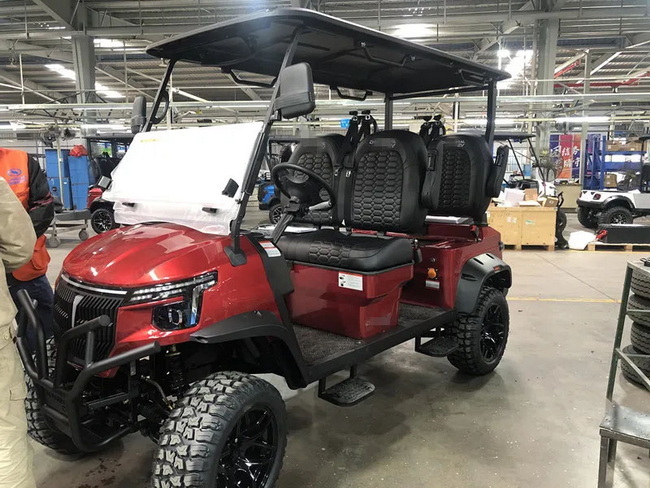
Once you are comfortable drawing a basic golf buggy, you can start exploring more advanced techniques. Two powerful ways to improve are working with perspective and adding backgrounds.
Most golf buggies on real courses are seen at slight angles rather than straight profiles. Drawing a golf buggy in perspective adds realism and drama.
To move from a side view to a three‑quarter view:
- Begin with a box in two‑point perspective as the base of the golf buggy
- Carve out the body, roof, and seat shapes from that box
- Use ellipses instead of perfect circles for wheels in perspective
- Keep all major lines, such as roof edges and chassis lines, aligned with the vanishing points
This takes more practice, but once the method clicks, you can draw a golf buggy from almost any angle.
A golf buggy looks even better when placed in a simple environment. You do not need a detailed landscape; a few carefully chosen elements are enough.
Try adding:
- A gently curved fairway under the golf buggy, using smooth lines to suggest the grass
- A simple horizon line with a distant tree or flag
- Light cloud shapes in the sky for atmosphere
- A path or track that the golf buggy appears to be following
Background elements should support the focus on the golf buggy rather than overshadow it. Keep shapes simple and lines lighter than those of the golf buggy itself.
Once you can draw a standard golf buggy, it becomes fun to customize your design. Small changes in shape, color, and accessories can dramatically change the personality of the golf buggy.
You can give your golf buggy a sporty, luxurious, or rugged look simply by adjusting certain features.
Consider customizing:
- Roof shape: A flatter roof looks sporty, while a gently curved roof feels relaxed and friendly
- Wheel size: Slightly larger, thicker wheels can make the golf buggy look ready for uneven paths
- Bumpers and side panels: Extra bars or fenders can suggest protection and off‑road capability
- Seat design: Sleek, divided seats look modern, while a long bench seat feels classic
Experiment with drawing several golf buggy variations on one page. This lets you compare how different roofs, wheels, and seats change the character of each golf buggy.
Color is an easy way to give each golf buggy its own identity. Strong, clean colors help the design stand out and can be used to match different environments or brand identities.
Color ideas for your golf buggy:
- Bright blue, green, or red for a playful resort style
- White and silver for a professional, clean fleet appearance
- Deep green or brown tones for a course buggy that blends into nature
- Bold accent stripes for a sporty, fast‑looking golf buggy
You can also add small logos, numbers, or text on the body and roof to match a club, resort, or fictional brand. This makes your golf buggy drawing feel like part of a real world.
Avoiding typical mistakes can instantly improve your golf buggy drawings. Checking for these issues before final inking will save time and give you a more polished result.
Frequent problems include:
- Misaligned wheels: The wheels do not sit on a shared ground line, making the golf buggy look unstable
- Inconsistent roof supports: Supports lean at random angles or are spaced irregularly
- Body too tall: The golf buggy begins to look like a tall car instead of a low vehicle
- Roof too short: It does not cover the entire seat area, which feels unrealistic
- Missing steering or rear rack: Without these, the vehicle loses its identity as a golf buggy
Make a quick checklist and compare each new golf buggy drawing to it. This simple habit will steadily improve your accuracy and confidence.
Drawing a golf buggy well comes down to repetition and mindful practice. The more often you sketch the same structure, the more natural it becomes.
Helpful practice strategies:
- Fill a page with small, quick golf buggy thumbnails in different poses
- Practice only wheels and bases on one sheet to master proportions and alignment
- On another sheet, focus just on roofs, supports, and seat shapes
- Gradually increase the complexity by adding perspective, backgrounds, and extra accessories
You can also time yourself occasionally, drawing a golf buggy in five or ten minutes. This exercise forces you to simplify the process, focus on the essentials, and develop a fluent, efficient drawing rhythm.
Learning how to draw a golf buggy is an accessible project that strengthens your understanding of vehicle structure, perspective, and design. By starting with basic shapes, refining proportions, and gradually adding details like seats, roof supports, wheels, and a rear golf bag rack, you can turn a rough sketch into a clean, appealing golf buggy illustration.
As you grow more confident, experiment with new angles, bold colors, and unique accessories to create custom golf buggy designs that match different courses, resorts, or fictional brands. With consistent practice, a clear step‑by‑step approach, and occasional help from guided lessons, your golf buggy drawings will become smoother, more dynamic, and more professional over time.
Contact us to get more information!

Most beginners can complete a simple side‑view golf buggy drawing in about 20–30 minutes once they understand the basic steps. With regular practice over a few weeks, drawing a clean, well‑proportioned golf buggy becomes much faster and more natural.
A pure side view is usually easier for a first golf buggy because it avoids complex perspective and overlapping wheels. After you feel comfortable with the side view, moving to a three‑quarter view makes the golf buggy look more dynamic and allows you to show more of the body, roof, and interior.
Beginners should focus on the main shapes: base, body, roof, wheels, seat, steering wheel, and rear bag rack. Once this core golf buggy structure looks solid, you can slowly add headlights, trim lines, hubcaps, seat stitching, and subtle shading without overwhelming the drawing.
Yes, children can absolutely learn to draw a golf buggy using simple, step‑by‑step instructions. Short lessons that break the golf buggy into basic rectangles, circles, and simple curves work very well for younger artists and help them build confidence quickly.
Clear step‑by‑step tutorials, simplified diagrams, and real‑world photos of golf buggies are all helpful references. Combining structured drawing lessons with quick observation sketches from photos gives you a strong visual foundation and helps you develop your own way of drawing a golf buggy.
1. https://www.youtube.com/watch?v=IiOILwnj_5k
2. https://www.youtube.com/watch?v=NtJMs4aZRZc
3. https://www.youtube.com/watch?v=ZvSMyLpMXCk
4. https://www.youtube.com/watch?v=5vb9890wrJ4
5. https://www.youtube.com/watch?v=1GUy7TMPOHA
6. https://www.youtube.com/watch?v=thDe-8eD6Uk
7. https://artforkidshub.com/draw-golf-cart/
8. https://helloartsy.com/draw-a-golf-cart/
9. https://www.drawinghowtodraw.com/drawing-lessons/transportations-tutorial-lessons/howtodraw-transportations-golf-carts-tutorials
10. https://gvaat.com/blog/how-to-draw-vehicles-in-perspective-step-by-step/
11. https://reports.independent.ie/drawing/how-to-draw-a-golf-cart.html


