


Views: 222 Author: BorCart Publish Time: 2026-05-04 Origin: Site


Buying a new golf cart vs buying a used one is not just a price question—it is a strategic decision about long‑term reliability, maintenance cost, and how you actually use the cart on the course, in a community, or for light commercial work.
When you compare a new golf cart with a used golf cart, you are balancing upfront price against lifetime cost, downtime risk, and the flexibility to customize the vehicle for your application. From my experience helping overseas buyers source electric golf carts and parts from Chinese OEMs, the "cheapest today" option is not always the "lowest cost per hour of use" over 3–5 years. [gushwork]
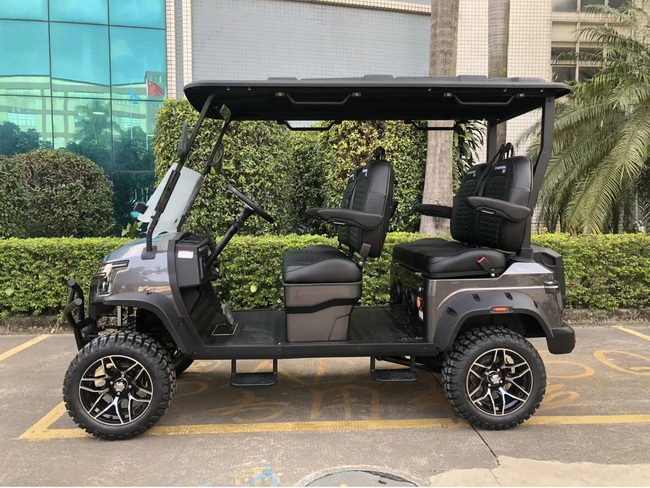
By the end of this guide, you will be able to:
- Identify whether a new golf cart or a used golf cart better matches your budget and usage scenario. [tigongolfcarts]
- Use a practical inspection checklist when buying used carts to avoid hidden repair costs. [tigongolfcarts]
- Understand how working with an OEM manufacturer (such as BorCart in China) changes your decision on new vs used. [blacktruckmedia]
- Plan your purchase using total cost of ownership (TCO) rather than just sticker price. [marketveep]
You can also treat this guide as training material for sales teams or purchasing managers in golf cart dealerships and fleet operations. [venveo]
Below is a high‑level comparison for quick decision‑making. [tigongolfcarts]
| Factor | New Golf Cart | Used Golf Cart |
|---|---|---|
| Purchase Price | Higher upfront cost, often with financing options. tigongolfcarts | Lower initial cost, easier for tight budgets. tigongolfcarts |
| Technology & Features | Latest batteries, controllers, safety and comfort upgrades. tigongolfcarts | Older tech; may have aftermarket upgrades of mixed quality. tigongolfcarts |
| Warranty & Reliability | Factory warranty, fewer breakdowns in first years. tigongolfcarts | No or limited warranty; condition varies by previous use and maintenance. tigongolfcarts |
| Customization | Can be factory‑customized to your application. tigongolfcarts | Mostly fixed; modifications may be hard to trace or certify. tigongolfcarts |
| Depreciation | Faster value drop in first 1–2 years. tigongolfcarts | Slower depreciation; value more stable if bought right. tigongolfcarts |
| Environmental Impact | New manufacturing footprint. tigongolfcarts | Extends product life, reduces demand for new production. tigongolfcarts |
| Best For | Fleets, brand owners, serious users, long‑term TCO focus. fasthippomedia | Budget buyers, low‑usage owners, secondary carts. tigongolfcarts |
The original article correctly emphasizes technology, warranty, customization, and financing, but it treats them quite briefly. From an industry and OEM perspective, these advantages are more strategic than they look at first glance. [fasthippomedia]
Modern electric golf carts have seen major improvements in:
- Battery chemistry and management (lithium vs older lead‑acid systems).
- Controllers and motor efficiency.
- Regenerative braking and safety features (lights, seat belts, speed limiters, diagnostics). [nativerank]
A new cart from a mature OEM lets you design the specification around range, charging time, and duty cycle instead of guessing what is inside a used cart. This is critical for fleet managers and resort operators who care about uptime more than purchase price. [pdmautomotive]
A factory warranty is not just a piece of paper; it is a risk‑transfer tool. For fleets, every hour a cart is out of service can mean lost rental revenue or reduced customer satisfaction. [pdmautomotive]
With a new golf cart:
- You typically get 1–3 years of coverage on key components (frame, motor, controller, battery, chassis). [pdmautomotive]
- You benefit from standardized maintenance intervals and parts availability from the OEM or its partners. [blacktruckmedia]
- You can build predictable lifecycle plans—for example, replace batteries at year 4–5, refurbish seats at year 3. [gushwork]
Used carts, even well‑kept ones, create a wider range of outcomes—some run perfectly, others become repair "black holes" after purchase. [tigongolfcarts]
The original article mentions customization but does not reflect how deep OEM customization can go. When you work with a manufacturer like BorCart, customization covers: [fasthippomedia]
- Seat layout (2, 4, 6, or 8 seats, cargo bed, utility configurations).
- Motor power and gearing for flat fairways vs hilly resort communities.
- Body color, branding, and even private‑label logos for your dealership or resort. [venveo]
- Controller settings for maximum speed, acceleration curve, and safety limits.
This type of engineering‑level customization is only realistic when buying new carts directly from an OEM or via an authorized brand partner, not when buying random used units from various previous owners. [blacktruckmedia]
The original article correctly highlights lower initial cost, depreciation savings, upgrades, and environmental benefits. Let us deepen this from a buyer's‑journey perspective. [fasthippomedia]
For many first‑time buyers, the main motivation is simple: spend less today. Because new carts drop faster in value in their first years, used buyers: [tigongolfcarts]
- Avoid the steepest part of the depreciation curve.
- Can sometimes buy a 2–3‑year‑old cart with plenty of useful life at 40–60% of the original price. [pdmautomotive]
This is attractive for:
- Homeowners in golf communities who use carts a few times a week.
- Small hotels or property managers who need a few carts but have limited capital.
- Resellers testing demand in a new market before committing to larger OEM orders. [nativerank]
Many used carts come with aftermarket upgrades:
- Better seats and upholstery.
- Windshields, canopies, rear seats, or cargo boxes.
- Lift kits, wheels, and tire upgrades.
- Sound systems, lights, or enclosures. [tigongolfcarts]
These add value if they are installed correctly. However, if the wiring is messy or non‑OEM parts overload the electrical system, the cart may require significant rework. This is where a disciplined inspection matters (see next section). [pdmautomotive]
From a sustainability viewpoint, buying used extends the lifecycle of existing equipment and reduces demand for new production, which carries environmental footprints in steel, plastics, and batteries. Many resort brands now track Scope 3 emissions, and keeping carts in service longer can support their ESG narratives. [tigongolfcarts]
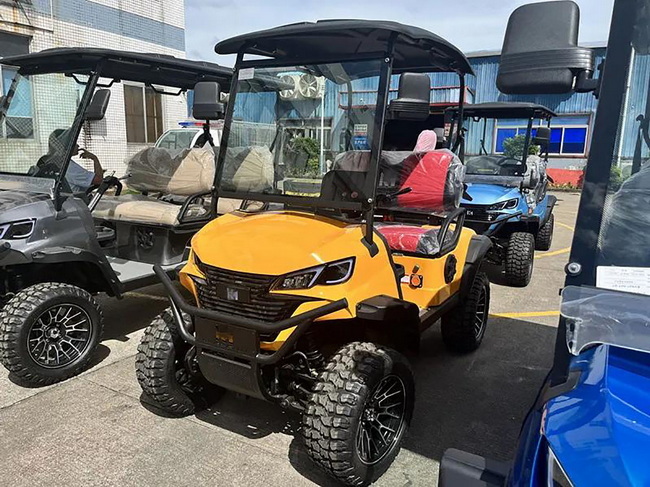
The original article briefly suggests inspecting condition, maintenance records, test driving, and checking the seller. Below is a more practical checklist you can print or share with your team. [fasthippomedia]
1. Define Your Usage Profile First
- Daily hours, passenger load, terrain, and climate.
- Decide whether you need street‑legal features or just course/community use. [nativerank]
2. Battery And Charging System
- Check age and brand of the batteries; ask for documentation if possible.
- Look for corrosion on terminals, uneven cells, swelling, or leaks.
- Confirm charging time and how far the cart can realistically travel per charge. [pdmautomotive]
3. Chassis, Frame, And Body
- Inspect for rust, cracks, bent frame sections, and structural repairs.
- Look underneath, not just at the painted surfaces. [tigongolfcarts]
4. Motor, Controller, And Wiring
- Listen for abnormal noises during acceleration and braking.
- Inspect wiring for non‑professional modifications, taped joints, or burned connectors. [pdmautomotive]
5. Brakes, Steering, And Suspension
- Confirm smooth steering without excess play.
- Test foot brake response; cart should stop straight without pulling to one side.
- Check suspension for sagging or uneven ride height. [tigongolfcarts]
6. Maintenance Records And Seller Reputation
- Ask for any service logs, invoices, or fleet maintenance reports.
- Prefer reputable dealers or fleet operators over anonymous private sellers. [tigongolfcarts]
- Check online reviews or references when possible. [fasthippomedia]
7. Total Price, Including Immediate Repairs
- Estimate cost of new batteries, tires, or seat repairs if needed.
- Add this to your purchase price and compare against the cost of a new or factory‑refurbished cart. [marketveep]
Most casual buyers focus on sticker price; professional buyers look at total cost of ownership (TCO) over 3–5 years. Here is how to think about it. [marketveep]
Key TCO components:
- Purchase price.
- Financing cost (if applicable).
- Regular maintenance and consumables (brakes, tires, fluids).
- Battery replacement cost and timing.
- Downtime cost (lost rentals, unhappy guests, rescheduling).
- Resale value at the end of the holding period. [marketveep]
For example:
- A new cart might cost more upfront but need fewer repairs in the first three years, hold better resale value, and deliver predictable uptime.
- A used cart may be cheaper but require early battery replacement and more frequent repairs, eroding savings and causing operational disruptions. [marketveep]
For resorts, hotels, and communities, the hidden cost of downtime can outweigh the savings from buying cheaper used units.
From both a user and OEM perspective, buying new golf carts is usually the best choice when:
- You run a resort, golf course, or community where cart reliability directly impacts guest satisfaction and brand image. [nativerank]
- You need a consistent fleet with the same specifications, easy parts management, and a clear service schedule.
- You want your own branding on the carts or plan to distribute under your private label with an OEM partner like BorCart. [venveo]
- You plan to keep the carts at least 4–7 years, making long‑term TCO more important than short‑term savings.
Here, an OEM such as BorCart can configure models for you (seating, power, finishes, accessories) and supply both complete carts and critical components under one technical standard. [gushwork]
Buying used can be a smart, intentional strategy rather than a compromise, especially when:
- You need a few carts quickly to test a new business (e.g., small rental operation, residential community pilot).
- Annual usage is light and mostly on flat terrain, so wear is limited.
- You have access to a trusted dealer or fleet operator who maintains carts well and can provide service support after the sale. [fasthippomedia]
- You are price‑sensitive but still willing to invest in inspection and necessary refurbishment.
For distributors and importers, acquiring used carts locally can help test market response before placing larger OEM orders for custom new carts.
As a Chinese OEM manufacturer focused on golf carts and electric vehicles, BorCart can play a role in both new and used strategies:
- For new carts, BorCart can supply fully assembled units tailored to your brand, market regulations, and customer expectations. [blacktruckmedia]
- For used fleets, BorCart can deliver replacement parts kits, upgraded batteries, controllers, and cosmetic components to refurbish older carts and standardize their performance. [venveo]
Working directly with an OEM helps you:
- Ensure parts compatibility and safety when upgrading used carts.
- Plan product line roadmaps (entry‑level, premium, utility models) for your territory.
- Develop marketing content that reflects real experience and engineering knowledge, supporting your E‑E‑A‑T signals online. [digicobweb]
This is especially valuable for overseas wholesalers, brand owners, and assemblers who want to build their own product lines with a stable technical backbone.
From a UX perspective, buyers often feel overwhelmed by technical jargon and conflicting advice. To make your decision easier, focus on three questions: [digicobweb]
1. What is my real usage scenario?
- Daily distance, passenger load, climate, terrain, and whether street‑legal status is required.
2. How much downtime can I tolerate?
- If your business depends on every cart being available, reliability and warranty should weigh heavily.
3. How long do I plan to keep the cart?
- For shorter ownership periods, a well‑selected used cart can be a good value.
- For longer periods or brand‑critical use, a new, customized cart usually wins on TCO. [venveo]
If you are evaluating whether new or used golf carts are right for your business, you do not have to guess alone. For overseas brands, dealers, and fleet operators, it is often more efficient to discuss your usage scenario directly with an OEM.
Contact BorCart's engineering and sales team to share your application, annual usage, and budget, and we will recommend either a tailored new golf cart solution or a practical upgrade path for your existing used fleet. This way, your decision is based on real data, not assumptions.
1. Is a new golf cart always more reliable than a used one?
In general, yes, because new carts come with fresh components, factory testing, and a valid warranty, which reduces early failures and unplanned downtime. However, a well‑maintained used cart from a reputable fleet can still offer solid reliability if inspected carefully. [pdmautomotive]
2. How many years can a golf cart last?
With proper maintenance and timely battery replacement, many electric golf carts can operate effectively for 8–10 years or more in light‑to‑moderate duty cycles. Heavy commercial use may shorten that window. [fasthippomedia]
3. What is the most expensive part to replace on a used golf cart?
For electric carts, the battery pack is typically the largest single expense, especially for lithium systems; controllers and motors are next. Factoring these costs into your purchase decision is critical. [pdmautomotive]
4. Can I upgrade a used golf cart to perform like a new one?
You can often upgrade batteries, controllers, seats, and accessories to bring a used cart closer to new‑level performance, but frame age and hidden wear still matter. Working with an OEM for parts compatibility is highly recommended. [pdmautomotive]
5. Should I buy directly from a manufacturer or a local dealer?
Local dealers are convenient for small orders and after‑sales service, while OEMs are ideal for fleet buyers, brands, and wholesalers who need customization, consistent specifications, and better control over long‑term supply and parts. Many buyers use a hybrid approach—dealer support plus OEM partnership for strategic procurement. [gushwork]
1. Fasthippo Media – "Boost Your Sales with SEO for Golf Cart Dealerships." [Link] [fasthippomedia]
2. Blacktruck Media – "SEO Strategy for OEM Manufacturer Site Redesign." [Link] [blacktruckmedia]
3. Native Rank – "Golf Cart Dealership SEO." [Link] [nativerank]
4. Ecarstrade – "Automotive Content Marketing: SEO Writing Tips For Dealers." [Link] [ecarstrade]
5. Gushwork – "SEO for Manufacturers: A Comprehensive Guide." [Link] [gushwork]
6. Digicobweb – "E‑E‑A‑T Best Practices That Drive Trusted Visibility." [Link] [digicobweb]
7. LinkNow Media – "SEO for Auto Mechanics: Tune Up Your Web Presence." [Link] [linknow]
8. Sohu – "汽车零部件GEO优化怎么做:供应链企业的AI搜索排名提升." [Link] [sohu]
9. MarketVeep – "5 Best Practices for an Effective SEO Campaign in Manufacturing." [Link] [marketveep]
10. Passionfruit – "How to Optimize Your Ecommerce Site for EEAT in 2025 (Like a Pro)." [Link]) [getpassionfruit])
11. PDM Automotive – "Auto Parts SEO: 7 Best Practices for Product Listing Optimization." [Link] [pdmautomotive]
12. Tigon Golf Carts – "Buying A New Golf Cart Vs Buying A Used One." [Link] [fasthippomedia]
13. Venveo – "SEO For Manufacturing: 8 Best Ways For Manufacturers To Attract Leads." [Link] [venveo]
14. Innovation Visual – "Google's EEAT Guidelines – How To Remain Compliant." [Link] [innovationvisual]
15. IzmoCars – "9 Ways to Improve Your Car Dealer Website Keyword Rankings in Google." [Link] [izmocars]


