


Views: 222 Author: Leah Publish Time: 2026-02-18 Origin: Site


Content Menu
● Understanding the Electric Golf Cart Basics
>> Core Components of an Electric Golf Cart
>> Typical Use Cases for Electric Golf Carts
● Planning Your Electric Golf Cart Build
>> Choose Voltage and Motor Type
● Step‑by‑Step: How to Build an Electric Golf Cart
>> Step 1 – Prepare the Frame and Chassis
>> Step 2 – Install Suspension, Axles, and Steering
>> Step 3 – Mount the Electric Motor and Drivetrain
>> Step 4 – Design and Install the Battery Pack
>> Step 5 – Wire the Motor Controller and Electrical System
>> Step 6 – Mount the Body, Seats, and Roof
>> Step 7 – Install Brakes, Wheels, and Tires
>> Step 8 – Add Instruments, Safety Features, and Accessories
>> Step 9 – Testing, Tuning, and Safety Checks
● Basic Safety Guidelines for Electric Golf Cart Operation
● Essential Maintenance Tips for an Electric Golf Cart
>> Battery Care
>> Mechanical and Cosmetic Maintenance
● FAQ – Electric Golf Cart Build
>> 1. How long does it take to build an electric golf cart?
>> 2. What voltage is best for an electric golf cart?
>> 3. Should I choose lead‑acid or lithium batteries?
>> 4. Do I need a special charger for my electric golf cart?
>> 5. Is it safe to drive a DIY electric golf cart on public roads?
Building an electric golf cart is a rewarding project that helps you understand the heart of modern low‑speed electric vehicles while giving you a practical, customizable cart for golf courses, resorts, or private communities. This guide walks you step by step through planning, sourcing parts, assembly, safety, and testing so you can create a reliable electric golf cart from the frame up.
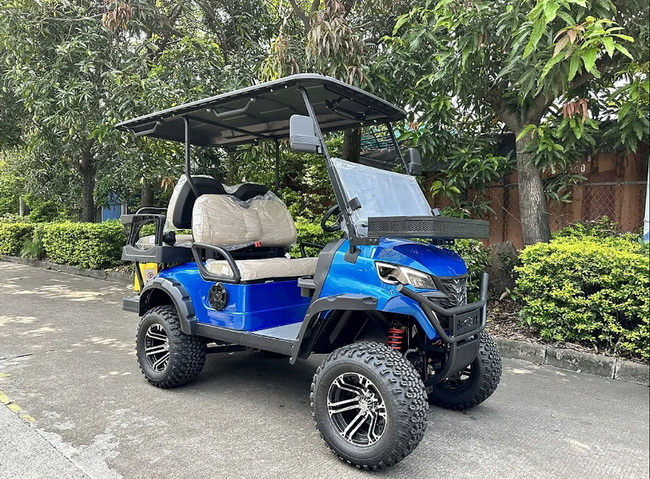
An electric golf cart is a compact low‑speed vehicle powered by a battery pack and electric motor, controlled by an electronic controller and built on a strong chassis. Before you build an electric golf cart, you need a clear understanding of its main systems and how they work together.
Every electric golf cart, whether for golf courses or multi‑purpose use, relies on several key components working in harmony:
- Chassis and frame: Usually steel or aluminum, supporting the body, seats, suspension, and roof, and bearing all loads in the electric golf cart.
- Electric motor: DC or AC motor converting electrical energy from the batteries into mechanical motion for the electric golf cart's wheels.
- Battery pack: Deep‑cycle lead‑acid or lithium‑ion batteries wired in series to deliver 36–48 V for the electric golf cart.
- Motor controller: Regulates voltage and current from the battery pack to the motor, controlling speed and torque of the electric golf cart.
- Charger: Dedicated charger designed to safely recharge the battery pack with minimal user intervention.
- Steering and suspension: Ensure safe handling, ride comfort, and stability of the electric golf cart under different loads.
- Braking system: Mechanical or hydraulic brakes (and sometimes regenerative braking) to safely slow and stop the electric golf cart.
Electric golf carts are no longer limited to golf courses; they appear in many applications today:
- Golf courses and resorts for quiet, low‑emission transport on fairways and paths.
- Tourist sightseeing and campus shuttle operations using multi‑row electric golf cart configurations.
- Industrial parks, warehouses, and factories where low‑speed electric golf carts move people and light cargo.
- Residential communities and holiday parks for local, short‑range mobility with street‑legal electric golf cart variants in some regions.
A successful electric golf cart project starts with clear goals, proper specifications, and a realistic budget.
Before buying any parts, define how your electric golf cart will be used:
- Terrain: Flat golf course, hilly resort, or mixed off‑road will affect motor power, gear ratio, and tire choice for your electric golf cart.
- Payload: Number of passengers, golf bags, or cargo weight influences frame strength and suspension needs.
- Range: Estimate daily distance to determine battery capacity for the electric golf cart.
- Speed: Most electric golf carts operate around 15–25 km/h as low‑speed vehicles; higher speeds require stronger components and local compliance.
The voltage and motor type define the performance profile of your electric golf cart:
- Voltage: 36 V and 48 V systems are most common in electric golf carts; 48 V typically offers better efficiency and performance.
- Motor options:
- DC motors: Simple, cost‑effective, with excellent low‑speed torque, widely used in many electric golf carts.
- AC motors: More efficient, smoother, and capable of higher speeds, but with higher upfront cost.
If your electric golf cart will carry heavy loads or climb hills frequently, a higher‑power motor with robust torque is advisable.
For safety and durability, use OEM‑grade components from established electric golf cart manufacturers or suppliers:
- Pre‑welded frames and chassis designed for electric golf carts.
- Complete motor and controller kits matched for voltage and current levels.
- Battery packs and chargers specifically rated for electric golf carts to ensure safe charging and long life.
Professional OEM suppliers that specialize in electric golf carts and low‑speed vehicles can also provide engineering guidance, custom body design, and batch production if you are building carts for commercial projects.
This section outlines the practical steps to assemble an electric golf cart from the frame up.
Start with a solid chassis designed for an electric golf cart, preferably steel for strength or aluminum for light weight and corrosion resistance.
- Inspect all welds and mounting points for seats, suspension, and roof structure.
- Apply anti‑corrosion coating or paint if you use steel, especially in humid or coastal environments.
- Verify that the frame geometry matches your planned wheelbase, track width, and body style for the electric golf cart.
At this stage, many builders choose a pre‑engineered electric golf cart chassis from an OEM manufacturer to ensure safety and consistent quality.
A comfortable and controllable electric golf cart depends on the suspension and steering layout.
- Fit front suspension components (leaf springs, independent arms, or double‑wishbone, depending on your design).
- Install rear axle assembly that houses the differential or direct‑drive interface for the electric motor.
- Mount steering column, steering rack, and tie rods, then check steering angle and turning radius for the electric golf cart.
Make sure all fasteners are torqued to specification and use locking hardware, as loose suspension parts can compromise safety in any electric golf cart.
With the chassis rolling, you can mount the driving system for the electric golf cart.
- Attach the motor to the rear axle or differential using a suitable mount or adapter plate.
- Align the motor shaft with the gear or input coupling to avoid vibrations and premature wear.
- Ensure the motor's power rating and torque curve match the gearing and intended top speed for the electric golf cart.
Many off‑the‑shelf electric golf cart motor kits provide matched components with recommended mounting positions, which simplifies installation and tuning.
The battery pack is the energy reservoir of the electric golf cart, so design and mounting must be precise.
1- Choose chemistry:
- Lead‑acid deep‑cycle batteries: Lower cost but heavier, require maintenance.
- Lithium‑ion batteries: Higher upfront cost, lighter, longer cycle life, fast charging for electric golf carts.
2- Configure total voltage: For example, 6 V, 8 V, or 12 V batteries connected in series to achieve 36 V or 48 V for the electric golf cart.
3- Design secure battery trays with proper ventilation, drainage, and protection from debris.
4- Install isolation switches and appropriate fuses to protect the electric golf cart from short circuits and overloads.
Proper cable sizing and crimping are critical to minimize resistance and heat buildup in the electric golf cart's high‑current paths.
The controller acts as the “brain” of the electric golf cart's power system, so wiring must follow the manufacturer's diagram exactly.
- Connect the battery pack to the controller with heavy‑gauge cables rated for the maximum current draw.
- Wire the controller to the motor, ensuring correct polarity and phase connections for AC motors.
- Integrate throttle input (pedal or hand control) to send speed commands to the controller in the electric golf cart.
- Add auxiliary circuits for lights, horn, display, and accessories, typically powered by a DC‑DC converter stepping down from the main pack.
Always include an accessible emergency stop or main disconnect switch so you can quickly power down the electric golf cart during testing.
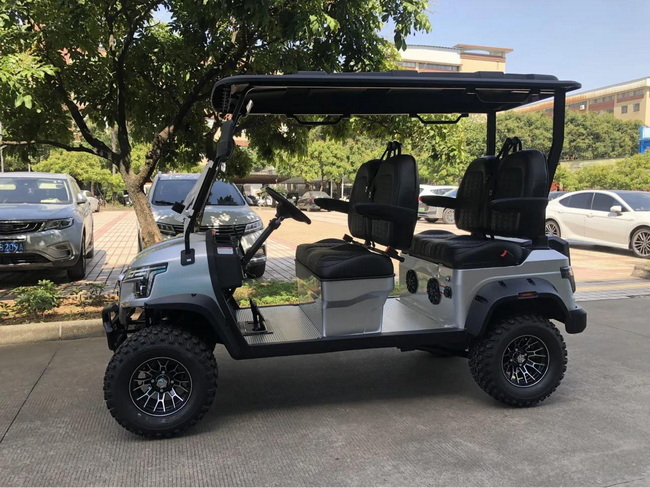
Once your electric golf cart platform rolls and powers on, you can focus on ergonomics and appearance.
- Install floorboard, side panels, and front cowl designed for golf or multi‑purpose use.
- Mount seats and backrests to pre‑welded anchors; confirm comfortable driving posture and safe passenger positions in the electric golf cart.
- Add roof supports and canopy to protect passengers from sun and rain.
Body panels are often made from fiberglass or high‑impact plastic to reduce weight and improve durability for the electric golf cart. At this stage you can also start integrating branded elements, color schemes, and trim details that align with your golf course, resort, or corporate identity so the electric golf cart becomes part of a coherent visual fleet.
Safe stopping power is essential in any electric golf cart, especially on slopes or wet surfaces.
- Fit front and rear brake assemblies (drum or disc) and connect mechanical or hydraulic linkages.
- Bleed hydraulic systems if used, then test braking force and balance.
- Install wheels and choose tires based on intended use: turf‑friendly for golf courses, all‑terrain for mixed use with the electric golf cart.
Check wheel alignment and tire pressure to maximize range, handling, and ride comfort in the electric golf cart. Properly matched wheels and tires also protect turf, reduce rolling resistance, and help the electric golf cart remain stable under emergency maneuvers.
Modern electric golf carts often include convenience and safety upgrades for a better user experience.
- Fit speedometer, battery state‑of‑charge indicator, and fault lights so drivers can monitor the electric golf cart's status.
- Add headlights, tail lights, turn signals, mirrors, and seat belts where regulation or use case demands.
- Install optional accessories such as storage boxes, golf bag holders, USB chargers, and weather enclosures on the electric golf cart.
For fleets or commercial use, consider telematics, GPS tracking, and remote diagnostics to manage your electric golf cart assets more efficiently. These solutions help you schedule preventive maintenance, monitor battery health, and optimize routes across golf courses, tourist attractions, and industrial sites.
Before regular use, thoroughly test the electric golf cart to ensure it performs reliably under real‑world conditions.
- Perform static checks: Verify all bolts, wiring connections, and fluid levels.
- Run low‑speed tests in a safe area, checking acceleration, steering response, and braking behavior of the electric golf cart.
- Monitor motor and controller temperatures under sustained load and confirm that current draw stays within rated limits.
- Inspect the battery pack for secure mounting and temperature rise during charging and discharging.
Adjust controller parameters (such as acceleration ramp, regenerative braking level, and maximum speed) to match comfort and safety targets for your electric golf cart. Document your settings and test results so future troubleshooting and upgrades are easier.
Even a perfectly built electric golf cart can be dangerous if used incorrectly, so it is important to define clear safety rules for operators and passengers.
Before using the electric golf cart each day, operators should:
- Check tire condition and pressure and look for visible damage.
- Inspect for fluid leaks, unusual smells, or loose cables around the battery pack and motor area.
- Test the brakes, horn, lights, and direction indicators.
- Confirm that seats are secure and that any cargo on the electric golf cart is properly restrained.
These quick checks reduce the risk of incidents and prolong the life of the electric golf cart.
Safe driving habits are just as important as mechanical condition:
- Keep all passengers seated while the electric golf cart is moving.
- Avoid sudden turns at high speed and slow down on slopes or wet terrain.
- Never switch between forward and reverse while the electric golf cart is in motion.
- Obey local rules for speed limits, designated routes, and pedestrian right‑of‑way.
By combining good driving practices with sound engineering, you protect both people and your electric golf cart investment.
Long‑term performance of your electric golf cart depends on regular maintenance, especially of the batteries and running gear.
Batteries are usually the single most expensive consumable in an electric golf cart, so focused care pays off:
- Charge the electric golf cart after each day of use and avoid deep discharges.
- For lead‑acid packs, check electrolyte levels regularly and top up with distilled water when required.
- Keep terminals clean and tight to prevent voltage drop and overheating.
- Store the electric golf cart in a cool, dry space during long idle periods and maintain a partial charge.
Proper battery maintenance improves range, reliability, and total cost of ownership for your electric golf cart.
Beyond the power system, the rest of the electric golf cart also needs scheduled attention:
- Inspect brake components, cables, and hydraulic systems periodically, replacing worn parts.
- Check steering joints and suspension bushings for play and lubricate pivot points where specified.
- Wash the electric golf cart with mild soap, rinse the undercarriage, and protect plastic and vinyl from UV damage.
- Verify that fasteners on seats, roof structures, and accessories remain tight after repeated use on rough paths.
A clean, well‑maintained electric golf cart not only lasts longer but also supports a professional brand image in front of your customers and guests.
Building an electric golf cart from scratch demands careful planning, quality components, and methodical assembly, but the result is a quiet, efficient vehicle tailored to your specific application. By choosing the right voltage system, motor type, and battery chemistry, and by following a structured build process from frame preparation through testing, you can create an electric golf cart that delivers reliable performance, safe operation, and long service life in golf, tourism, industrial, or residential settings. With thoughtful documentation, media support, and a clear maintenance plan, your electric golf cart project can also become a powerful demonstration of engineering capability and manufacturing quality.
Contact us to get more information!
A first‑time builder usually needs several weekends to complete an electric golf cart, depending on experience, tools, and whether pre‑assembled kits are used. Professional OEM manufacturers can build and test an electric golf cart in a much shorter, standardized production cycle thanks to specialized tooling, jigs, and quality‑control procedures.
Most modern electric golf carts use either 36 V or 48 V systems, with 48 V being increasingly popular for better efficiency and hill‑climbing performance. For heavier loads, longer range, or more demanding terrain, a 48 V electric golf cart with an appropriately rated controller and motor is generally the best choice.
Lead‑acid batteries are more affordable upfront and widely available for electric golf carts, but they are heavier and require regular maintenance like fluid checks and terminal cleaning. Lithium‑ion batteries cost more initially but offer higher energy density, longer cycle life, faster charging, and reduced weight, making them increasingly attractive for new electric golf cart projects and high‑end fleets.
Yes, you should use a charger designed for the specific battery type and voltage of your electric golf cart to ensure safe and efficient charging. Dedicated golf cart chargers manage charge profiles, balance cells in lithium packs where required, and control cut‑off points correctly, protecting the battery pack and extending its service life.
Whether you can drive a DIY electric golf cart on public roads depends on local regulations, which may require lights, mirrors, seat belts, reflectors, and registration as a low‑speed vehicle. Always check local laws and, if needed, have your electric golf cart inspected or certified to ensure it meets safety and equipment standards before any road use.
1. https://www.taragolfcart.com/news/what-are-the-components-of-an-electric-golf-cart/
2. https://dailymoving.com.au/pages/what-are-the-components-of-an-electric-golf-cart
3. https://golfcarts.com/how-do-electric-golf-carts-work/
4. https://evtitan.com/electric-golf-carts-understanding-motor-power-and-performance/
5. https://golfcarts.com/what-type-of-motor-is-in-electric-golf-carts/
6. https://au.litime.com/blogs/knowledge/lithium-ion-golf-cart-batteries
7. https://www.powerstridebattery.com/the-battery-genuis/golf-cart-battery-basics/
8. https://www.hnxunhu.com/electric-golf-cart-chassis/
9. https://www.motoelectricvehicles.com/vehicles/vehicles_list/vehicle-parts/
10. https://caddiewheel.com/blogs/golf-content/do-it-yourself-golf-carts
11. https://www.langqinggolfcart.com/how-to-build-electric-golf-cart.html
12. https://bighorngolfer.com/blogs/a/diy-electric-golf-push-cart-conversion
13. https://www.golfcartgarage.com/blog/golf-cart-maintenance-guide/
14. https://evtitan.com/the-ultimate-guide-to-golf-cart-maintenance/


