


Views: 222 Author: Leah Publish Time: 2026-01-16 Origin: Site


Content Menu
● Is It Safe to Drive an Electric Golf Cart in the Rain?
● How Much Rain Can an Electric Golf Cart Handle?
● Key Risks of Rain for an Electric Golf Cart
● How Rain Affects Electric Golf Cart Components
● Can Electric Golf Cart Batteries Get Wet?
● Safe Driving Tips for Using an Electric Golf Cart in the Rain
● Waterproofing and Protection Upgrades
● Best Practices Before, During, and After Rain
● Long‑Term Storage and Charging in Rainy Seasons
● Comfort and User Experience in Wet Weather
● Commercial and Fleet Considerations
● Why BorCart Electric Golf Carts Perform Reliably in Wet Conditions
● FAQ
>> 1. Will rain ruin my electric golf cart?
>> 2. Can I leave my electric golf cart outside in the rain?
>> 3. Is it safe to charge an electric golf cart in the rain?
>> 4. How do I protect the batteries of my electric golf cart from water?
>> 5. What accessories help an electric golf cart handle rain better?
Driving an electric golf cart in the rain is usually safe in light showers if the cart is used correctly, well maintained, and kept away from deep water and long‑term soaking. However, heavy rain, standing water, and poor visibility can damage key components and increase accident risk if you do not follow proper precautions.
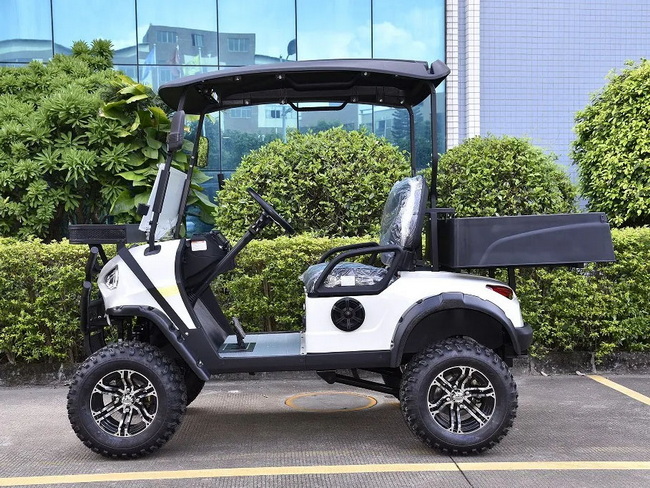
Most modern electric golf cart models are designed to tolerate light rain and normal outdoor moisture, especially for short trips on golf courses and within communities. The roof, optional windshield, and basic sealing around the electronics offer limited protection, but an electric golf cart is not fully waterproof and cannot be treated like a sealed car.
In moderate or heavy rain, water can reach the electric golf cart motor, controller, wiring, and batteries, leading to corrosion, short circuits, and long‑term performance loss. For this reason, an electric golf cart should not be driven through deep puddles or flooded areas, and it should never be intentionally operated in standing water.
Light to moderate showers are typically acceptable when using an electric golf cart on paved paths or well‑drained fairways, as long as you avoid standing water and return to shelter when rain intensifies. Short‑term exposure—finishing a round of golf or driving home from a resort in a brief shower—rarely causes immediate damage if the electric golf cart is maintained correctly.
Prolonged exposure, such as leaving an electric golf cart outside in days of continuous rain, can allow water to reach sensitive electronics and cause rust on metal parts. Over time, this can damage the electric golf cart frame, braking system, and electrical harness, resulting in expensive repairs or permanent failure.
The main risks of driving an electric golf cart in wet weather involve both safety and long‑term reliability.
- Water entering the motor, controller, or connectors, causing short circuits and corrosion in the electric golf cart.
- Reduced tire grip and longer braking distances on wet surfaces when using an electric golf cart on slopes or curves.
- Poor visibility for the driver and other road users, especially at dusk or night when an electric golf cart shares roads with cars.
- Battery damage if rain or puddles reach unprotected cases or terminals of the electric golf cart power system.
- Rust on the electric golf cart frame, suspension, and fasteners after repeated soaking and poor drying.
Electrical components in an electric golf cart—such as wiring, connectors, and control units—can be damaged when moisture penetrates seals or sits on metal surfaces over time. Water can create conductive paths between terminals, causing faults, error codes, or intermittent operation of the electric golf cart.
Batteries used in an electric golf cart may handle splashes if they are reasonably sealed, but standing water around terminals is still dangerous and accelerates corrosion. Lead‑acid batteries are especially vulnerable because exposed terminals can corrode quickly and trapped moisture accelerates capacity loss in the electric golf cart battery pack.
Some modern lithium batteries for an electric golf cart feature improved sealing and higher protection levels, making them more resistant to rain, splashes, and wet grass conditions. This can give fleet owners and resort operators greater confidence when using an electric golf cart in humid coastal or tropical climates.
However, even with improved housings, electric golf cart batteries are not meant for regular immersion or long‑term soaking in standing water around the pack. If the electric golf cart battery compartment fills with water or remains damp for a long period, corrosion of cables, busbars, and terminals is still likely and can eventually lead to failure.
Operating an electric golf cart safely in wet weather requires a combination of defensive driving and basic waterproofing habits.
- Drive slowly and avoid sudden acceleration or hard braking on wet paths with the electric golf cart.
- Avoid deep puddles, mud holes, and flooded low spots, because even a shallow pool can reach the electric golf cart undercarriage.
- Keep both hands on the steering wheel and anticipate longer stopping distances when driving an electric golf cart downhill.
- Turn on lights if available so your electric golf cart is clearly visible to vehicles and pedestrians.
- If rain becomes heavy, move the electric golf cart to the nearest shelter and wait until visibility improves.
There are practical accessories and upgrades that can make an electric golf cart safer and more comfortable during rainy conditions.
- Full rain enclosures or curtains to cover the sides of the electric golf cart and keep passengers dry in showers.
- Windshield wipers on the front windshield to maintain forward visibility in the electric golf cart during rain.
- Weather‑resistant seat covers and floor mats to prevent water from soaking cushions and flooring in the electric golf cart.
- All‑weather or turf‑friendly tires that offer better traction for the electric golf cart on wet grass or pavement.
- Protective sprays and sealants applied to exposed wiring and connectors under the electric golf cart chassis.
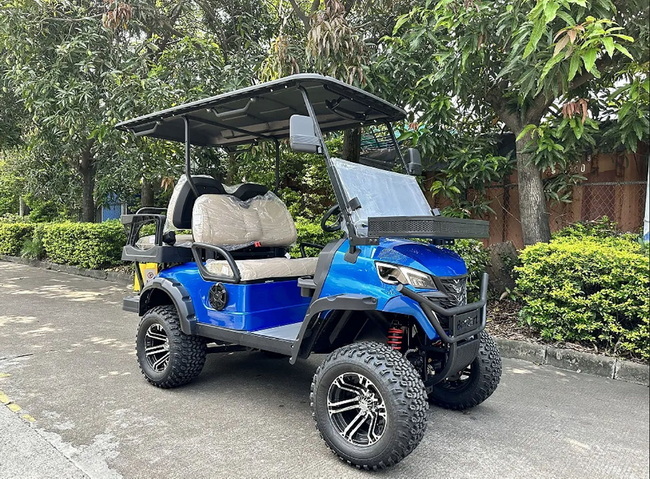
Following a simple routine before, during, and after rain dramatically extends the life of an electric golf cart used in coastal or rainy regions.
Before rain:
- Inspect the electric golf cart tires, brakes, and lights for proper operation and tread depth.
- Check battery cables for tight, clean connections and ensure the compartment drain paths under the electric golf cart are open.
- Install rain covers or side curtains on the electric golf cart if frequently operating in wet seasons or near the coast.
During rain:
- Keep the electric golf cart on designated paths and avoid low‑lying, muddy zones where water collects.
- Reduce speed when turning or descending slopes and give extra space for stopping the electric golf cart.
- If rain intensifies or visibility drops, park the electric golf cart under a shelter or covered bay until conditions improve.
After rain:
- Wipe down the electric golf cart body, seat bases, and steering area to remove standing water and dirt.
- Inspect the underside of the electric golf cart for accumulated mud or debris and clean gently to prevent corrosion.
- Allow the electric golf cart battery compartment and electrical area to dry before charging, especially if splashed.
Proper storage is essential for any electric golf cart that will regularly encounter wet weather or long rainy seasons. Whenever possible, park the electric golf cart in a garage, carport, or under a roof to keep direct rain off the body and electrical system.
Leaving an electric golf cart outdoors in constant rain, even with a basic cover, increases the risk of water entering underbody electronics, steering components, and the battery tray. Chargers and charging ports for the electric golf cart also need dry, protected conditions; plugging in or operating a charger in heavy rain is not recommended unless the equipment is clearly designed for wet locations.
When the electric golf cart will be stored for weeks during a rainy off‑season, ensure the batteries are fully charged, terminals are clean, and cables are tightened and protected. Use a smart charger or maintenance charger in a dry indoor environment so the electric golf cart remains ready for service without moisture problems.
Rain does not just affect mechanical parts; it also changes how comfortable and practical an electric golf cart feels for passengers. Without enclosures, windshields, or side covers, passengers may experience wind, spray, and lower temperatures when the electric golf cart moves at speed.
Adding soft enclosures, transparent vinyl curtains, and high‑back seats can make the electric golf cart feel more like a small shuttle during wet days at resorts or communities. For commercial users, this improves guest satisfaction and encourages year‑round use of the electric golf cart fleet even in unstable weather.
Golf courses, hotels, resorts, and residential communities often operate a large number of electric golf cart units that must remain available in all seasons. For these fleets, rain‑related downtime is costly, so waterproofing and regular inspections of each electric golf cart are especially important.
Fleet managers should schedule periodic checks of motors, controllers, battery compartments, and brake systems, especially after storms or flooding around paths used by an electric golf cart. Replacing worn seals, cracked boots, and corroded terminals early can prevent failures that take the electric golf cart out of service at busy times.
As a specialized Chinese manufacturer, BorCart focuses on electric golf cart design for global brands, wholesalers, and OEM partners who demand outdoor reliability in diverse climates. BorCart's electric golf cart platforms can be configured with enhanced sealing of electrical components, optimized drainage layouts, and optional higher‑protection battery systems suitable for rainy golf courses and resort environments.
In addition to standard electric golf cart models for golf courses, BorCart also produces sightseeing buses, low‑speed vehicles, hunting vehicles, and multi‑purpose vehicles that can share similar weather‑protection packages for fleet buyers. OEM clients can customize body styling, enclosures, and component specifications to align each electric golf cart with local regulations and weather patterns in their target markets.
An electric golf cart can be driven in the rain, but only within sensible limits that respect both electrical safety and road conditions. Light showers and damp courses are manageable for a well‑maintained electric golf cart, whereas deep puddles, heavy storms, and long‑term outdoor storage in the rain significantly increase the chance of damage to motors, controllers, batteries, and structural parts.
By following conservative driving habits, avoiding standing water, upgrading with rain covers and all‑weather tires, and storing the electric golf cart under a roof whenever possible, owners can enjoy reliable service in rainy seasons for many years. For fleet operators and international OEM customers, choosing electric golf cart platforms with better sealing, quality components, and professional support—such as BorCart's OEM solutions—delivers higher uptime and lower lifetime maintenance costs in wet climates.
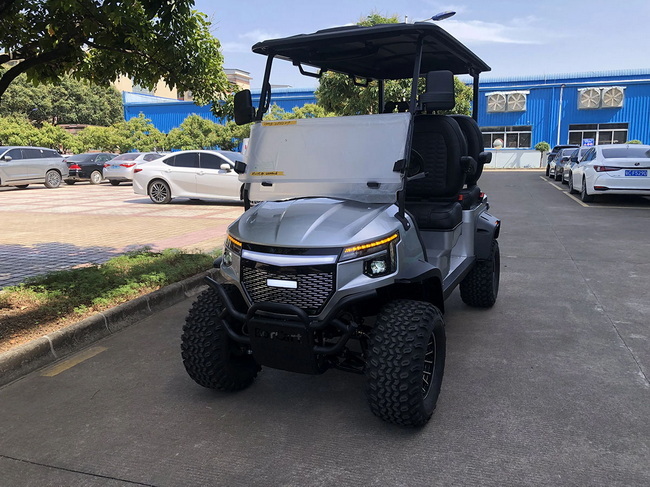
Light rain will not usually ruin a modern electric golf cart if the vehicle is driven carefully and dried afterwards. The real danger is repeated exposure to heavy rain, leaving the electric golf cart outdoors for days, or driving through deep puddles that allow water into the motor, controller, or battery compartment.
Occasional short‑term exposure is usually fine, but leaving an electric golf cart outside in constant rain or storms is not recommended. Long‑term outdoor storage allows water and moisture to attack electrical connectors, the frame, and the battery area, which can shorten the life of the electric golf cart and increase repair costs.
Charging equipment and power outlets must remain dry, so an electric golf cart should be charged in a sheltered area or inside a garage. Unless specifically designed and rated for outdoor, wet‑location use, chargers and cables used for an electric golf cart should not be exposed to direct rain or standing water around the plug.
Keep the battery compartment of your electric golf cart clean, dry, and covered, and inspect terminals regularly for corrosion. When operating in rainy areas, consider better‑sealed battery solutions and make sure that the electric golf cart tray has proper drainage so water cannot pool under the pack.
Useful upgrades for a rain‑ready electric golf cart include full rain enclosures, clear windshields with wipers, all‑weather tires, and waterproof seat covers. Additional sealing of connectors, protective sprays for electrical parts, and anti‑rust coatings on the frame will further improve the durability of the electric golf cart in wet climates.


