


Content Menu
● Understanding a modern golf buggy
● Why “hotwiring” a golf buggy is a bad idea
>> Safety risks around high‑current systems
>> Warranty and long‑term damage
● Safe alternatives when a golf buggy will not start
>> Step 1: Perform basic checks
>> Step 2: Inspect the key switch and controls
>> Step 3: Call a qualified technician
● Golf buggy maintenance best practices
>> Battery care
>> Mechanical and safety checks
● Golf buggy theft prevention without hotwiring
>> Access control and key management
>> GPS and electronic tracking
● BorCart as your OEM golf buggy partner
>> OEM and customization capabilities
>> Production capacity and product range
● Content ideas: presenting golf buggy safety and security
>> Educational guides and tutorials
>> Fleet management and best practices
>> Branded storytelling and case studies
● FAQ
>> 1. Is it ever legal to hotwire my own golf buggy?
>> 2. Can hotwiring damage an electric golf buggy?
>> 3. How can I keep my golf buggy from being stolen without hotwiring tricks?
>> 4. Why do OEM manufacturers strongly warn against golf buggy hotwiring?
>> 5. What advantages does BorCart offer to foreign brands that need a golf buggy line?
How to hotwire a golf buggy is a question that attracts attention, but any attempt to bypass the ignition on a modern electric golf buggy is unsafe, often illegal, and unnecessary for responsible owners. Instead of learning how to hotwire a golf buggy, owners, wholesalers, and fleet operators should focus on proper maintenance, security, and professional support so that every golf buggy remains safe, reliable, and profitable for the long term.
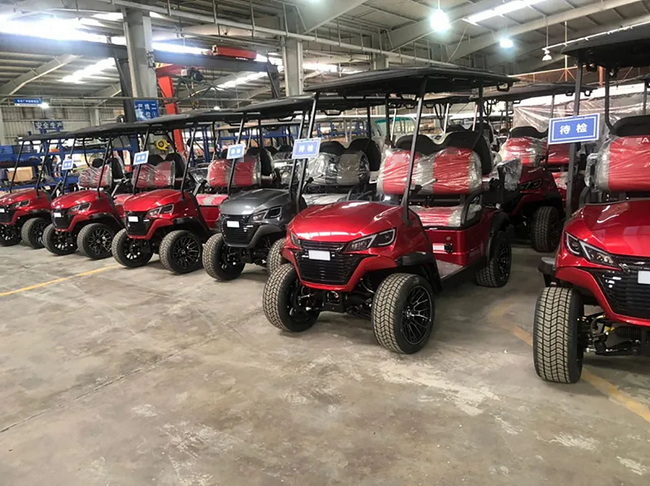
A modern golf buggy is a compact low‑speed vehicle designed to carry golfers, guests, workers, or equipment over short distances in controlled environments such as golf courses, resorts, communities, campuses, and industrial parks. Electric drive systems dominate in the golf buggy segment because they are quiet, clean, and easy to maintain.
Most electric golf buggy designs share several core components:
- A battery pack, usually 36 V or 48 V, built from deep‑cycle lead‑acid or lithium batteries
- A controller that regulates power from the batteries to the motor
- A DC or AC motor connected to the rear axle
- A key switch that wakes the control system
- A forward/reverse selector and accelerator pedal
- A braking system, lights, and safety interlocks
When the key switch is turned to the “on” position, low‑voltage control circuits enable the controller so that pressing the accelerator pedal sends current to the motor. When the key is off, the controller is disabled and the golf buggy should not move, even if the batteries are fully charged.
In addition to golf courses, the same basic structure appears in sightseeing buggies, hunting buggies, utility buggies, and other multi‑purpose vehicles that share the golf buggy platform.
Even if some people are curious about how to hotwire a golf buggy, bypassing the ignition switch is filled with legal, safety, and financial risks. Understanding these risks can help fleet managers and owners explain to users why hotwiring a golf buggy is never the smart choice.
From a legal standpoint, tampering with a vehicle's ignition system is often treated as attempted theft or unauthorized use when the person does not have clear ownership or permission. Even on private property, moving a golf buggy without authorization can violate local laws, insurance conditions, or workplace rules.
If an accident happens with a modified or hotwired golf buggy, the operator, the property owner, and possibly the employer may face serious liability. Investigators and insurers can argue that the vehicle was operated in an unsafe, altered condition. That can translate into denied insurance claims, fines, or legal action.
Electric golf buggy systems can deliver very high current at low voltage. A casual attempt to connect wires without proper training can cause:
- Electric shock or burns
- Short circuits and arc flashes
- Melted conductors and damaged components
- Fires in the wiring harness or battery compartment
A hotwired golf buggy may move the moment the pedal is touched, without the usual control of a key switch or safety interlock. That sudden movement can surprise the operator or bystanders, which is particularly dangerous on slopes, near obstacles, or in busy resort or course environments.
Most manufacturers and dealers reject warranty claims when they discover unofficial modifications in the control system. A short‑term “shortcut” to move a stuck golf buggy can lead to long‑term costs:
- Damaged controllers
- Burned harnesses
- Premature battery failure
- Replacement of entire electrical assemblies
In commercial fleets, that means more downtime, higher repair bills, and lost revenue. Over time, this damage can cost far more than simply repairing the ignition or replacing a faulty key switch in the golf buggy.
Instead of learning how to hotwire a golf buggy, owners and technicians can follow a structured troubleshooting process that respects both safety and manufacturer recommendations.
When a golf buggy refuses to start, the most common causes are simple and easy to correct:
- Verify the battery charge level and that the charger is functioning correctly
- Inspect battery terminals for corrosion, looseness, or broken cables
- Check main fuses or breakers and reset if necessary
- Confirm that the direction selector is in a recognized position (for example, “Forward”)
- Make sure the parking brake is released if the model uses interlocks
Many “dead” golf buggy incidents turn out to be minor issues such as loose battery lugs, tripped breakers, or discharged packs after long storage.
If the batteries and main wiring appear healthy, the next step is to examine the key switch and control circuit:
- Check whether the key turns smoothly and whether the panel shows any indicator lights when the golf buggy is switched on
- Listen for the click of solenoids or contactors engaging when the key is turned
- Inspect the area behind the dashboard for obvious loose connectors or moisture
If the key switch is obviously damaged or intermittent, replacing it with the correct part is more reliable than trying to bypass it temporarily. A proper replacement restores the original safety logic the manufacturer designed into the golf buggy.
For fleets, resorts, or serious private owners, having access to an experienced technician is as essential as having spare chargers. A trained technician can:
- Use a multimeter and manufacturer wiring diagrams
- Test continuity across the switch and control wires
- Isolate a faulty solenoid, controller, or sensor
- Replace only the components that are actually defective
Instead of improvising connections that effectively hotwire the golf buggy, a technician restores the system to normal operation, keeping the vehicle safe and preserving warranty coverage where possible.
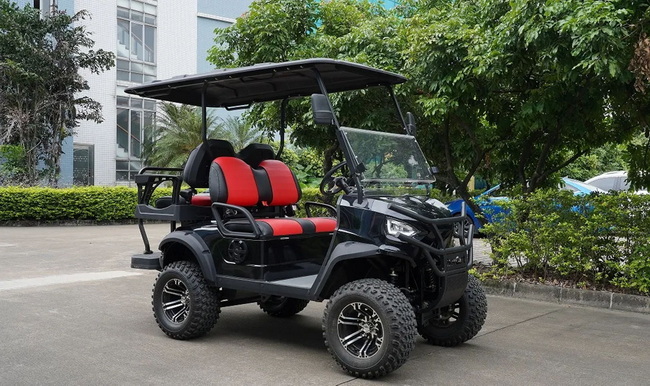
Keeping a golf buggy in good health dramatically reduces the temptation to bypass its ignition. Regular maintenance extends service life, enhances safety, and keeps the vehicle ready for daily use.
For electric golf buggy fleets, batteries are the most important and expensive consumable. Good practices include:
- Charging after every round or duty cycle instead of deep discharging
- Regularly checking electrolyte levels in lead‑acid batteries and topping up with distilled water when needed
- Cleaning terminals to remove corrosion and ensuring tight connections
- Storing the golf buggy with batteries adequately charged, not fully depleted
Healthy batteries provide consistent performance and avoid mysterious “no start” symptoms that might tempt someone to disturb the wiring.
Beyond the electrical system, a golf buggy needs routine checks similar to other light vehicles:
- Inspect tire tread and pressure to keep handling predictable and energy use efficient
- Test brakes regularly, especially before busy seasons or after long storage
- Check steering components, suspension points, and frame mounting bolts
- Inspect lights, horns, and other safety indicators
A well‑maintained golf buggy inspires confidence and reduces surprise failures at the start line or during a round.
Many people who search for ways to hotwire a golf buggy worry about theft or unauthorized use. A better strategy is to harden the golf buggy against theft rather than compromising its ignition system.
Physical devices are visible deterrents that can make a golf buggy much less attractive to thieves:
- Steering wheel locks that prevent easy steering
- Wheel clamps that stop the golf buggy from being rolled away
- Pedal or brake locks that prevent the buggy from moving under power
- Heavy‑duty chains and anchors in storage areas
Using these devices around clubhouses, resorts, and communities sends a clear message that each golf buggy is protected and monitored.
The ignition key remains a simple, effective control method when managed thoughtfully:
- Replace widely‑shared generic keys with unique key codes wherever possible
- Maintain a key‑control locker or sign‑out board for staff and members
- Assign each golf buggy to a numbered key set to make tracking easier
- Change or re‑key locks if keys are lost or staff turnover is high
By strengthening legitimate access control, there is less reason for anyone to learn about hotwiring a golf buggy.
Modern GPS technology makes it easier than ever to protect a golf buggy fleet:
- Compact GPS trackers can be hidden under seats or body panels
- Geofencing can trigger alerts if a golf buggy leaves a defined area
- Owners can share live location data with law enforcement if theft occurs
- Historical route logs help confirm how and where a stolen golf buggy was moved
With these tools, even if a thief does manage to move a golf buggy, recovery chances increase significantly.
For overseas brand owners, wholesalers, and producers, choosing the right OEM partner is vital when building a golf buggy product line. BorCart focuses on professional, safe, and customizable electric vehicles rather than any kind of hotwire or shortcut approach.
Guangzhou BorCart Electric Vehicle Co., Ltd. is a professional Chinese manufacturer of electric vehicles, with electric golf buggies at the center of its business. The company also produces sightseeing buses, low‑speed vehicles, hunting buggies, and multi‑purpose utility buggies, serving customers worldwide through OEM and ODM projects.
BorCart emphasizes:
- Integrated research and development
- Multiple production lines in Guangzhou
- Dedicated export and documentation support for overseas markets
This makes BorCart well suited to overseas brand owners looking to launch or expand a golf buggy series under their own brand.
As an OEM producer, BorCart helps transform a customer's idea into a branded golf buggy model ready for mass production. Typical customization options include:
- Custom body designs, colors, and roof styles that match the buyer's brand identity
- Seat layouts from two‑seat golf buggy models to larger sightseeing or shuttle buggies
- Choice of windshields, canopies, enclosures, and optional accessories for different climates
- Branding elements such as logos, badges, decals, and personalized dashboards
BorCart can also provide localized user manuals, labels, and packaging in different languages so that each golf buggy is ready for retail or fleet deployment in the target country.
By operating multiple production lines, BorCart can handle both small trial orders and large recurring shipments. This flexibility helps:
- New brands test a golf buggy concept with limited initial volumes
- Established distributors secure stable supply for growing markets
- Project owners coordinate color, configuration, and delivery timing across entire golf buggy fleets
The product lineup covers:
- Classic two‑seat and four‑seat golf buggy models
- Sightseeing buggies for resorts and scenic attractions
- Hunting and off‑road‑style buggies with enhanced ground clearance
- Multi‑purpose utility buggies for maintenance and logistics tasks
Every model shares the core principles of safety, durability, and ease of service, reducing the temptation for end users to attempt unsafe modifications.
If you manage a website, blog, or brand page, you can educate readers about safe golf buggy use and reinforce your brand by presenting high‑value content instead of hotwiring instructions. Here are some practical ideas for shaping your editorial strategy around the golf buggy theme.
Write step‑by‑step guides that help owners and operators:
- Understand basic golf buggy components and electrical layouts
- Perform daily or weekly safety checks before using a golf buggy
- Charge and store electric golf buggies correctly through different seasons
- Implement key control and GPS tracking programs for a golf buggy fleet
These guides encourage responsible behavior and show that your brand cares about safety and professionalism.
For B2B readers such as golf clubs, hotels, and property managers, consider articles that cover:
- How to design routes and charging schedules for a golf buggy fleet
- How to train staff on safe driving and parking procedures
- How to plan replacement cycles for batteries and high‑wear parts
- How to select the right golf buggy configurations for specific use cases
By focusing on high‑quality operations, you can position your brand or company as a long‑term partner rather than a one‑time vendor.
Another effective approach is storytelling that highlights successful deployments of golf buggy fleets:
- Case studies of resorts that upgraded from old carts to modern electric golf buggy models
- Stories from hunting lodges or industrial parks that rely on multi‑purpose buggies for daily work
- Interviews with course managers about how reliable golf buggy fleets improve customer satisfaction
These stories subtly reinforce the idea that a reliable golf buggy starts with proper design, manufacturing, and service support, not quick wiring hacks.
Curiosity about how to hotwire a golf buggy is understandable, but any attempt to bypass the ignition system on a modern electric golf buggy introduces serious safety, legal, and financial risks. High‑current electrical circuits, safety interlocks, and liability issues mean that hotwiring is never a responsible solution, whether the golf buggy is used on a golf course, in a resort, or in a residential community.
Instead of focusing on hotwiring a golf buggy, owners and fleet operators should invest in regular maintenance, correct battery care, and trained technicians who can diagnose and repair control systems properly. Strong theft‑prevention measures such as physical locks, controlled keys, and GPS tracking further protect every golf buggy without compromising safety.
For overseas brand owners and wholesalers, partnering with a professional OEM manufacturer such as BorCart creates additional advantages. By working with a specialized producer of electric golf buggies and related vehicles, brands can offer safe, high‑quality, customized golf buggy models under their own names, supported by solid engineering, documentation, and service structures.
When safety, maintenance, and professional OEM support work together, the result is a reliable golf buggy fleet that serves golfers, guests, and workers every day—no hotwiring required.
Contact us to get more information!
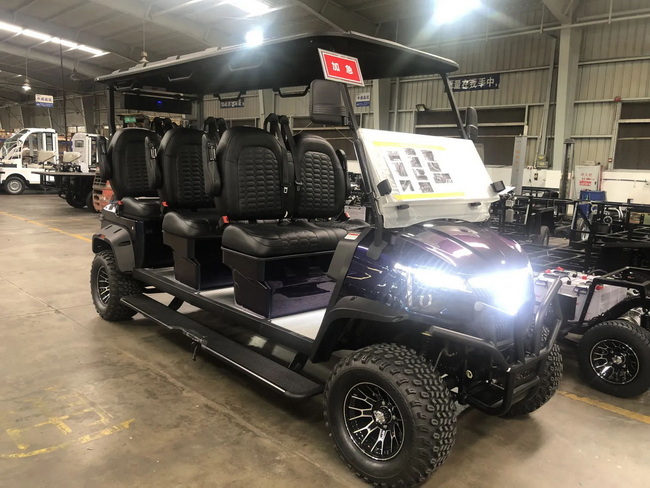
Laws vary by region, but bypassing the ignition of a golf buggy you own can still create legal and insurance problems, especially if an accident occurs. Even on private property, altering safety systems may violate local regulations or void coverage. The safer approach is always to repair or replace faulty components in the golf buggy instead of trying to hotwire it.
Yes. Improper connections can short‑circuit high‑current lines, overheat cables, burn out controllers, and even trigger fires in the battery compartment of a golf buggy. Even if the golf buggy moves temporarily, the long‑term damage can be expensive and may require replacement of the controller, harness, and other key parts. Hotwiring also makes future troubleshooting more complicated because the wiring no longer follows factory diagrams.
You can combine several theft‑prevention measures to protect a golf buggy: use steering locks or wheel clamps, install pedal or brake locks, park in well‑lit monitored areas, and control access to keys. Adding a discreet GPS tracker allows you to monitor the golf buggy in real time and improves the chances of recovery if it is ever taken. Together, these steps make the golf buggy a much less attractive target.
OEM manufacturers design every golf buggy around safety standards, performance targets, and warranty obligations. The ignition system and control circuits are engineered to protect both users and equipment. When someone hotwires a golf buggy, these protections may be bypassed, increasing the risk of failure or injury and creating liability concerns. That is why serious OEMs emphasize proper repair procedures and discourage any hotwiring attempts.
BorCart specializes in OEM and ODM production of electric golf buggies and related low‑speed vehicles for overseas customers. Foreign brands can benefit from custom body designs, branded colors, flexible seating layouts, and localized documentation, all built on proven electric drive platforms. With multiple production lines and export experience, BorCart can support both trial orders and large‑scale fleets, helping partners quickly launch a high‑quality golf buggy range without building their own factory.
1. https://www.borcart.com/top-10-electric-golf-buggy-manufacturers-in-china.html
2. https://www.borcart.com
3. https://www.borcart.com/golf-carts.html
4. https://www.borcartev.com/golf-cart/
5. https://dte.golf/golf-cart-maintenance-tips-for-reliable-course-operations/
6. https://www.lakeeriegolfcars.com/blog/-5-maintenance-tips-to-extend-the-life-of-your-golf-cart--95268
7. https://www.gowithgarretts.com/top-7-golf-cart-maintenance-mistakes-and-how-to-avoid-them/
8. https://landairsea.com/blogs/consumers/gps-and-golf-cart-theft-golf-cart-gps-trackers
9. https://taraelectricvehicles.com/blog/2025/06/09/best-golf-cart-locking-device-how-to-protect-your-golf-cart-from-theft/
10. https://www.hdkexpress.com/news/how-to-prevent-golf-cart-theft-hdk-electric-vehicle/
11. https://www.tdi.texas.gov/tips/safety/golf-carts.html
12. https://m.made-in-china.com/product/Borcart-OEM-ODM-Manufacturer-Electric-Golf-Car-Newly-Golf-Cart-2088633095.html
13. https://www.alibaba.com/product-detail/Borcart-Oem-Odm-Golf-Cart-Manufacturer_1601088980741.html


