


Content Menu
● Step 1: Clarify Your Main Use
● Step 2: Decide on Power – Electric vs Petrol
● Step 3: Battery, Range, and Charging (Electric Golf Buggies)
● Step 4: Terrain and Course Conditions
● Step 5: Seating, Space, and Capacity
● Step 6: Comfort, Ergonomics, and Design
● Step 7: Safety and Local Regulations
● Step 8: Budget, Value, and Ownership Costs
● Step 9: New vs Used Golf Buggy
● Step 10: Customization and Accessories
● FAQ
>> 1. How many seats should my golf buggy have?
>> 2. Is an electric golf buggy better than a petrol model?
>> 3. What range do I need from an electric golf buggy?
>> 4. Do I need a street‑legal golf buggy?
>> 5. Should I buy a new or used golf buggy?
Choosing the right golf buggy can transform your time on the course from tiring and inconvenient to relaxed, efficient, and enjoyable. Before buying, focus on how and where you will use your golf buggy, what power system you prefer, and which safety and comfort features matter most to you.[1][2]
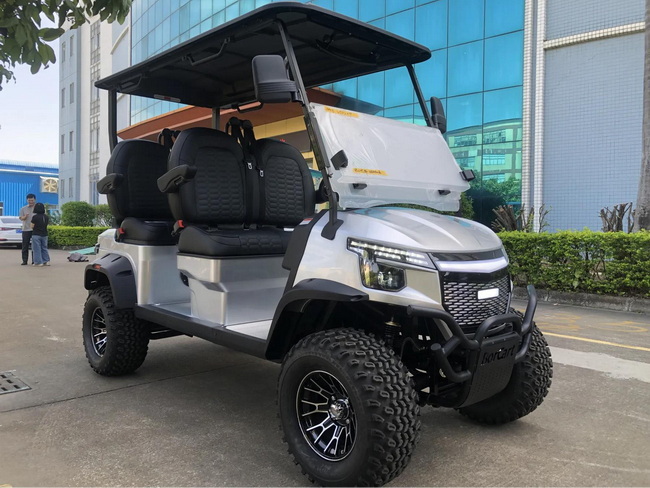
A golf buggy is a small motorized or electric vehicle designed to carry golfers and their gear around the course, and it is also widely used in resorts, gated communities, farms, and private estates. Modern golf buggies range from compact two‑seaters for personal use to large multi‑passenger and utility models with cargo beds, towing capability, and a wide range of accessories.[2][3]
- Typical golf buggy designs protect turf, offer smooth handling, and allow easy access to tees and greens without damaging fairways or paths.[2]
- Many golf buggy models now double as neighborhood vehicles, with lighting, mirrors, and street‑legal packages that comply with local traffic rules in some regions.[2]
The first decision when choosing a golf buggy is to define your primary use scenario instead of starting from price or looks. Your ideal golf buggy for 18‑hole play may be very different from a golf buggy used for estate maintenance, hunting, or resort transport.[4][2]
- For pure golf‑course use, look for a golf buggy with turf‑friendly tires, compact turning radius, quiet operation, and comfortable seating for two or four players.[2]
- For mixed use in communities or on farms, choose a golf buggy that offers lights, turn signals, seat belts, and possibly a cargo box for tools, groceries, or luggage.[2]
- For rugged off‑road use, prioritize a golf buggy with raised suspension, higher ground clearance, and reinforced frame construction to handle roots, rocks, and ruts.[3]
Clearly defining your main use will also help you communicate with your dealer or OEM supplier so they can configure a golf buggy that fits your requirements instead of a generic model. If you are buying several golf buggies for a club or resort, segmenting use cases (course, shuttle, utility) makes your fleet more efficient and easier to manage.[5][2]
Powertrain is one of the most important choices when selecting a golf buggy because it affects running costs, maintenance, noise, and driving feel. Golf buggies are typically available in electric or petrol versions, and many platforms let buyers choose either option on the same chassis.[6][5]
- Electric golf buggy models are quiet, emission‑free at the point of use, and increasingly popular for courses and communities, especially with advanced lithium‑ion batteries.[6]
- Petrol golf buggy models usually run longer per refuel, can handle heavier loads, and may suit users driving long distances or in remote areas without easy charging.[5]
- Hybrid‑style approaches are rare in standard golf buggies but some high‑end personal transportation vehicles integrate sophisticated battery management and multiple drive modes.[6]
When choosing between an electric and a petrol golf buggy, consider how far you typically drive in a day, how often you can recharge or refuel, and how sensitive your environment is to noise and exhaust. Golf clubs and resorts often prefer electric golf buggies because they create a calmer environment and can be charged overnight in centralized facilities.[7][2]
If you decide on an electric golf buggy, battery performance becomes critical for a reliable and stress‑free experience. A well‑matched battery and charger will allow your golf buggy to complete your typical route without anxiety and with reasonable charging downtime.[8]
- Check how many holes or miles the golf buggy can travel per charge; many electric golf buggy models are rated for 18–36 holes or roughly 25–40 miles.[8]
- Understand whether the golf buggy uses lead‑acid or lithium‑ion batteries; lithium‑ion is lighter, charges faster, and is typically maintenance‑free but costs more.[6]
- Evaluate the charging time and whether your golf buggy can be plugged into a standard outlet or requires dedicated charging infrastructure at home or in your facility.[8]
Battery care also influences the lifetime cost of an electric golf buggy, because replacing a full pack is one of the most expensive service items. Following recommended charging routines, avoiding deep discharges, and keeping the golf buggy stored at appropriate temperatures can extend battery life and maintain consistent range.[7][8]
The terrain you drive on will strongly influence what type of golf buggy you need. A golf buggy designed for flat, well‑maintained fairways may struggle on hilly courses, gravel paths, or muddy ground.[4][7]
- For flat parkland courses, a standard golf buggy with modest motor power, regular turf tires, and basic suspension is usually sufficient.[7]
- For hilly or uneven courses, consider a golf buggy with higher wattage motor, better torque, all‑terrain tires, and possibly a lifted suspension to reduce under‑body contact.[3]
- For resorts, farms, hunting grounds, or large estates, choose an off‑road golf buggy with reinforced chassis, heavy‑duty suspension, and durable tires to handle rough tracks and soft surfaces.[4]
Some regions also require specific tire types to protect environmentally sensitive turf, so verify which tire patterns are permitted for your golf buggy on your home course. Matching the golf buggy's suspension and power to the terrain not only protects the course but also improves comfort and safety for passengers.[3][2]
A golf buggy must comfortably carry the number of passengers and the amount of equipment you plan to transport. Thinking ahead about seating and storage helps avoid outgrowing your golf buggy too quickly.[8][2]
- Standard golf buggies often provide 2–4 seats, while larger models or shuttle‑style buggies can carry 6 or more passengers.[6]
- Make sure your golf buggy has adequate space for golf bags, coolers, rain gear, and any added accessories that are typical in your playing conditions.[2]
- Check the maximum load rating so your golf buggy can safely handle passengers, clubs, and optional gear without over‑stressing the chassis, suspension, or brakes.[8]
If you use your golf buggy in a resort, hotel, or airport setting, flexible seating and fold‑down rear benches can be valuable because they let one golf buggy switch between passenger and cargo duties. For industrial or agricultural environments, a utility golf buggy with a dedicated cargo bed and towing capability will likely outperform a passenger‑oriented configuration.[4][2]
Comfort matters more than many buyers expect, especially if you spend several hours in your golf buggy during each round or workday. A comfortable golf buggy encourages good posture, reduces fatigue, and creates a more enjoyable day on the course or around your facility.[3][8]
- Look for supportive seats with proper cushioning and easy entry height, especially if older players or guests with limited mobility use the golf buggy.[1]
- Evaluate steering effort, pedal placement, and dashboard layout so the golf buggy feels intuitive, safe, and relaxing to drive.[1]
- Exterior styling may not affect performance, but a well‑designed golf buggy with neat bodywork, durable finishes, and color options can reinforce your club or brand identity.[3]
Higher‑end golf buggies may offer additional comfort features such as suspension improvements, weather enclosures, sun canopies, and fans or heaters that extend the usable season. Choosing a golf buggy with the right ergonomic details can be particularly important for commercial operations where drivers spend many hours per day on board.[9][8]
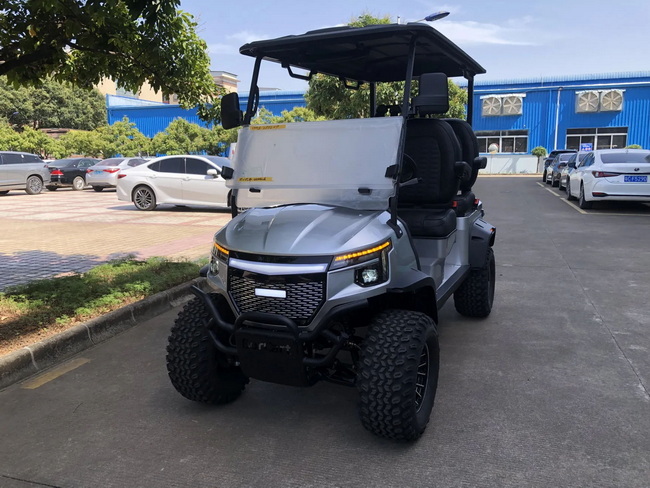
Even at moderate speeds, any golf buggy should meet essential safety standards and comply with local rules. Safety features protect passengers while regulations influence where and how your golf buggy can legally operate.[5][2]
- Key safety equipment for a golf buggy can include seat belts, lights, mirrors, turn signals, windscreen, horn, and reliable braking systems.[2]
- Many municipalities have rules about maximum speed, lighting, and registration for street‑legal golf buggies used on public roads or in mixed traffic.[5]
- If you plan commercial use in a resort, industry park, or residential community, check internal safety policies and maintenance intervals that apply to every golf buggy in your fleet.[2]
Some modern golf buggies also incorporate safety‑oriented technology such as regenerative braking, automatic parking brakes, speed limiters, and stability‑oriented suspension setups. Understanding these features and confirming compliance with local codes before purchase will reduce liability and ensure your golf buggy can be used where you intend.[7][5]
A realistic budget will keep your golf buggy shopping focused and prevent overspending on features you do not actually need. Total ownership cost includes not only the purchase price but also maintenance, energy or fuel, and replacement parts over several years.[10][8]
- Budget‑oriented golf buggy models may offer simple seating, modest motors, and basic controls, which can still be perfectly adequate for light, occasional use.[10]
- Mid‑range golf buggies balance comfort, durability, and performance, often providing stronger batteries or engines, better seats, and useful convenience features.[8]
- Premium golf buggy lines can include advanced suspension, infotainment screens, smart connectivity, and upscale interiors for buyers who value luxury and technology.[9]
When comparing quotes, consider warranty length, availability of local service, and the expected lifespan of critical components like motor, controller, and batteries in an electric golf buggy. For commercial users, calculating total cost per operating hour or per round can help identify which golf buggy configuration truly offers the best value.[8][2]
Both new and used golf buggies can be smart purchases if evaluated carefully. The choice depends on your budget, tolerance for wear, and desire for the latest technology in your golf buggy.[5]
- A new golf buggy usually includes full warranty coverage, up‑to‑date safety standards, and the latest battery or engine technology.[5]
- A used golf buggy can save money but demands inspection of batteries, frame rust, tire wear, and maintenance history to avoid costly surprises.[5]
- For fleets, mixing new and gently used golf buggy units can keep costs under control while maintaining reliability and consistent user experience.[2]
If you buy used, ask for service records and pay close attention to the age and condition of the battery pack in an electric golf buggy, because replacement can significantly change the true cost. In many cases, working with a reputable dealer or OEM that refurbishes golf buggies and offers some warranty may be safer than purchasing older units privately.[5][8]
One advantage of modern golf buggies is the wide range of customization options that can tailor the vehicle to your exact needs. Accessories can improve comfort, utility, branding, and even resale value for your golf buggy.[9][2]
- Popular accessories include upgraded seats, premium wheels, weather enclosures, windshields, coolers, ball washers, and additional storage for gear and personal items.[2]
- Utility‑focused golf buggies may add cargo boxes, tool racks, towing hitches, and work lights for early‑morning or evening tasks.[4]
- Technology‑oriented upgrades such as infotainment screens, Bluetooth speakers, GPS integration, and USB charging can enhance the driving experience in a personal golf buggy.[9]
When planning customization, confirm how accessories affect the total weight, balance, and power requirements of your golf buggy so that performance and safety remain within specifications. For business users, coordinated colors, logos, and consistent accessory packages on every golf buggy in a fleet can reinforce a professional image and simplify maintenance.[8][2]
Whenever possible, arrange a test drive before finalizing a golf buggy purchase. A short drive reveals details that spec sheets cannot show and quickly exposes a golf buggy that feels underpowered or uncomfortable.[1][7]
- Drive the golf buggy on slopes, turns, and rough patches similar to the conditions in your course or property to judge power, braking, and stability.[7]
- Listen for unusual noises, feel for vibrations, and check whether the golf buggy controls respond smoothly at low and moderate speeds.[1]
- If buying multiple units for a club or resort, include feedback from different users so the selected golf buggy model suits a wide range of drivers.[2]
During testing, pay attention to visibility from the driver's seat, ease of getting in and out, and how passengers feel in the rear seats of the golf buggy. A brief evaluation with real‑world loads and typical routes will greatly increase the chance that your chosen golf buggy remains satisfying for many seasons.[3][7]
Choosing the right golf buggy starts with understanding your main use, then matching terrain, capacity, and comfort to your real habits on and off the course. By balancing powertrain type, safety features, customization options, and long‑term ownership costs, you can select a golf buggy that delivers reliable performance, high value, and a more enjoyable experience for players and passengers. Whether you decide on a compact electric golf buggy for solo rounds or a larger multi‑purpose golf buggy fleet for a resort or community, careful evaluation before purchase will reward you with years of dependable service.[5][8][2]
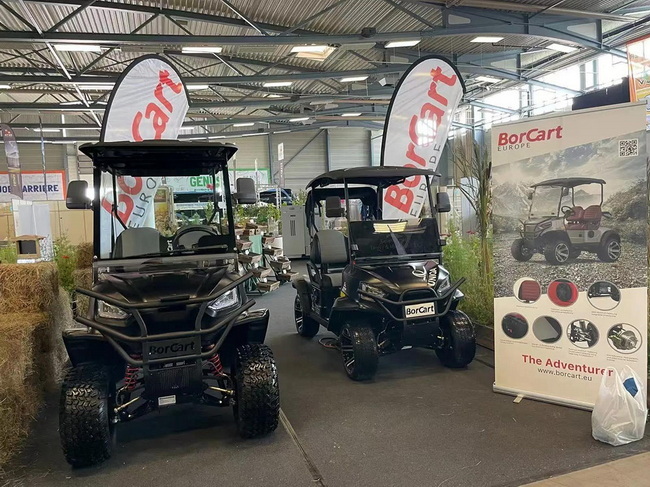
A two‑seat golf buggy is ideal for solo players or pairs who mainly use the buggy on the course. Four‑ and six‑seat golf buggies are better suited for families, guest transport, or resort and community operations where more passengers ride together.[6][2]
An electric golf buggy is usually quieter, more efficient for short trips, and easier to maintain, which makes it very popular on modern courses and in residential communities. Petrol golf buggy models may be a better choice if you need longer range, frequent hill climbing, or operation in remote areas where charging infrastructure is limited.[6][5]
Most recreational golfers need an electric golf buggy that can comfortably complete at least 18 holes, with many models offering 25–40 miles per charge. If you plan multiple rounds per day, use the golf buggy in a community, or run commercial operations, choose extended‑range battery options or fast‑charging solutions.[6][8]
You only need a street‑legal golf buggy if you intend to drive on public roads or in communities that treat these vehicles as low‑speed road users. In that case, ensure the golf buggy includes lights, mirrors, turn signals, seat belts, proper registration, and any other equipment required by local regulations.[5][2]
A new golf buggy offers the latest technology, full warranty, and predictable maintenance, which reduces risk for many buyers. A carefully inspected used golf buggy can save money, especially if the battery health, frame condition, and service history are all verified in advance.[5]
[1](https://www.parmaker.com/parmaker-blog/the-beginners-guide-to-buying-a-golf-buggy/)
[2](https://www.nationwidegolfcar.com/9-key-factors-to-consider-before-buying-a-golf-cart)
[3](https://www.taragolfcart.com/news/golf-buggy-guide-choosing-the-right-one-for-performance-comfort-and-terrain/)
[4](https://www.kandiamerica.com/category/lifted-golf-carts/)
[5](https://www.golfcartgarage.com/golf-cart-buyers-guide-how-to-buy-the-right-golf-cart/)
[6](https://www.clubcar.com/en/personal/golf-carts/onward-6-passenger)
[7](https://www.electriccartwatersound.com/blog/discover-the-key-factors-for-choosing-your-electric-golf-cart--98461)
[8](https://www.gobgolfcarts.com/5-crucial-factors-to-consider-when-buying-an-electric-golf-cart/)
[9](https://www.bintelli.com/golf-carts/bintelli-nexus-gen2-4-seater-lifted/)
[10](https://sportssurge.alibaba.com/guides/single-seat-golf-buggy)


