


Views: 272 Author: BorCart Publish Time: 2026-06-30 Origin: Site


Content Menu
● Why Gas Golf Carts Fail – A Technician's View
● Key Engine Components You Must Monitor
>> Core Engine and Fuel Components
>> Powertrain and Support Systems
● Gas Golf Cart Engine Troubleshooting Table (Updated & Expanded)
>> Golf Cart Gas Engine Troubleshooting Table
● Step‑By‑Step Troubleshooting Workflow (Pro Checklist)
>> 1. Verify Battery and Cranking
>> 3. Verify Airflow and Filtration
>> 5. Evaluate Mechanical and Safety Systems
● Preventative Maintenance Schedule for Gas Golf Carts
>> Routine Checks and Intervals
● Storage, Seasonal Use, and Fleet Reliability
>> Best Practices for Long-Term Storage
● OEM Insight – Why High-Quality Parts Matter
● When to Call a Professional Technician
● Action Steps for Owners and Fleet Managers
● FAQs: Gas Golf Cart Engine Troubleshooting
If you run gas-powered golf carts for your course, community, or rental fleet, engine reliability isn't a nice-to-have—it's core to your business. Drawing on hands‑on troubleshooting experience and industry best practices, this guide combines a detailed gas engine troubleshooting table with practical step‑by‑step checks that any mechanically minded owner or technician can follow. [taraelectricvehicles]
This article is written from an expert operator's perspective: someone who has spent years keeping gas carts running for golfers, resort guests, and industrial sites—and who knows exactly which issues cost time and money if you ignore them. Use it as a training resource for your staff and a benchmark for your maintenance process. [youtube]
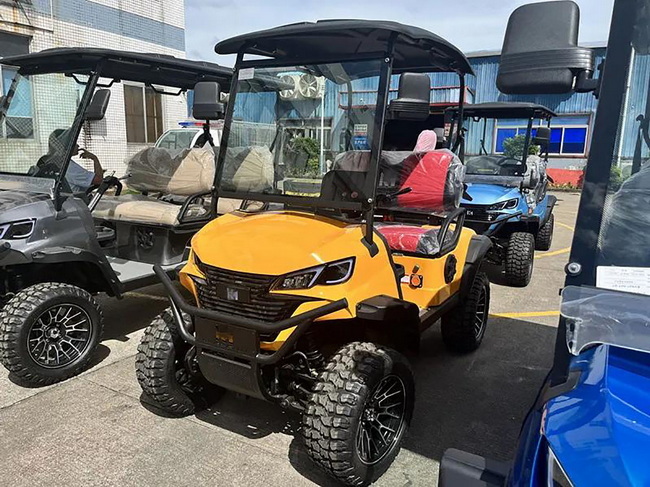
Gas golf carts usually fail for simple reasons: lost power, bad fuel, restricted air, or weak spark. In practice, that means dead batteries, clogged filters, worn belts, and neglected oil changes far more often than "mysterious" engine failures. [ezgogolfcartguide]
From an operator's viewpoint, three patterns show up again and again:
- Carts that won't start after sitting for weeks or months. [taraelectricvehicles]
- Carts that start but run poorly—stalling, sputtering, or losing power on hills. [golfcartsearch]
- Carts that overheat or smoke, often after hard use or improper maintenance. [powerequipmentsolutions]
Understanding these patterns helps you move from guesswork to systematic diagnosis.
Before troubleshooting symptoms, you need a clear picture of the main systems involved in a gas golf cart engine. [powerequipmentsolutions]
- Carburetor – Mixes fuel and air; dirt and varnish here are a leading cause of poor running and no‑start issues. [ezgogolfcartguide]
- Fuel pump & fuel filter – Move and clean fuel; weak pumps or clogged filters starve the engine under load. [golfcartsearch]
- Air filter & intake – Restricting airflow leads to rich mixtures, smoke, and power loss. [ezgogolfcartguide]
- Spark plug & ignition – Provide spark; worn plugs or weak ignition cause misfires and backfiring. [taraelectricvehicles]
- Battery and starter/solenoid – Even gas carts rely on a healthy battery to crank the engine. [youtube]
- Drive belt and clutch – Transfer engine power to the wheels; wear shows up first on hills and heavy loads. [powerequipmentsolutions]
- Oil and cooling system – Keep temperatures under control; low oil or blocked cooling fins accelerate engine wear. [gtcarts]
For fleet owners and OEM buyers, having these systems mapped clearly in training materials and manuals significantly improves first‑time fix rates. [golfcartsearch]
The table below builds on the original Tigon Golf Carts troubleshooting matrix and integrates additional field‑tested causes and fixes used by experienced golf cart technicians. [golfcartsearch]
| Symptom | Likely Cause | Expert Recommended Fix |
|---|---|---|
| Cart won't start | Dead or weak battery | Charge fully or replace battery; check voltage while cranking to confirm health. (golfcartsearch) |
| Loose/corroded battery cables | Clean to bright metal, tighten clamps, and confirm good engine/frame ground. (golfcartsearch) | |
| Faulty starter solenoid | Listen for click; test solenoid and replace if non‑functional. (golfcartsearch) | |
| Glazed or loose starter belt | Inspect belt; adjust tension or replace if slipping. (taraelectricvehicles) | |
| Engine starts but dies quickly | Clogged fuel filter | Replace fuel filter and inspect tank for contamination. (golfcartsearch) |
| Dirty or varnished carburetor | Drain bowl, clean jets and passages, or rebuild carb. (golfcartsearch) | |
| Old or poor‑quality fuel | Flush tank and lines; refill with fresh fuel. (ezgogolfcartguide) | |
| Cart loses power uphill | Worn drive belt | Replace belt; check clutch alignment and operation. (golfcartsearch) |
| Weak fuel pump | Test pump flow; replace if pressure or volume is low. (golfcartsearch) | |
| Dirty air filter | Clean or replace filter; ensure intake is not blocked. (golfcartsearch) | |
| Engine runs rough / misfires | Worn or fouled spark plug | Install new plug to spec and set proper gap. (golfcartsearch) |
| Damaged ignition wire or boot | Inspect and replace cracked wires/boots. (taraelectricvehicles) | |
| Air leak at gaskets | Check intake gaskets; retorque or replace as needed. (ezgogolfcartguide) | |
| Engine backfiring | Incorrect plug gap or timing | Reset plug gap; inspect timing/ignitor if problem persists. (golfcartsearch) |
| Restricted exhaust | Inspect muffler; replace if baffles are collapsed or blocked. (golfcartsearch) | |
| Excessive exhaust smoke | Too much oil in crankcase | Verify level; drain excess oil to spec. (golfcartsearch) |
| Worn piston rings | Confirm via compression test; plan professional rebuild. (golfcartsearch) | |
| Engine overheating | Low oil level | Top up with correct grade; investigate leaks or consumption. (golfcartsearch) |
| Blocked cooling fins | Clean debris from fins and shrouds. (golfcartsearch) | |
| Heavy load, poor airflow | Reduce load; check for blocked intake and engine bay airflow. (powerequipmentsolutions) | |
| Cart is loud / rattling | Loose engine mounts | Tighten mounting hardware; replace worn bushings. (golfcartsearch) |
| Damaged muffler or brackets | Repair or replace muffler and hangers. (golfcartsearch) | |
| Intermittent no‑start after storage | Stale fuel and gummed carb | Drain fuel, clean carb thoroughly, and replace filters. (taraelectricvehicles) |
| Battery self‑discharge | Use a low‑amp battery maintainer during long storage. (youtube) |
Adapt this table into your shop manuals or course maintenance SOP to standardize diagnostics and reduce training time. [golfcartsearch]
A table is powerful, but technicians need a practical sequence they can follow under pressure—whether a cart has failed on the 14th hole or in front of a resort guest. Below is a proven workflow. [golfcartsearch]
1. Turn key ON and press the pedal; note whether you hear nothing, clicking, or cranking. [youtube]
2. Measure battery voltage at rest and while cranking; a healthy 12V battery should stay above ~10.5V when cranking. [taraelectricvehicles]
3. Clean corrosion and tighten terminals; confirm engine ground strap is intact. [gtcarts]
1. Confirm there is fresh fuel in the tank and the fuel shutoff (if equipped) is open. [powerequipmentsolutions]
2. Inspect the in‑line fuel filter; replace if brown or dirty. [ezgogolfcartguide]
3. Look for fuel movement in clear lines while cranking; no movement suggests a weak pump or vacuum line issue. [taraelectricvehicles]
1. Remove and inspect the air filter; tap out dust or replace if soaked or collapsed. [golfcartsearch]
2. Check intake ducts for leaves, plastic bags, or other blockages. [ezgogolfcartguide]
1. Pull the spark plug, reconnect the wire, and ground the plug shell to the engine. [powerequipmentsolutions]
2. Crank the engine and look for a strong blue spark over a small gap; weak or no spark points to plug, coil, or kill‑wire issues. [taraelectricvehicles]
3. Replace the plug, inspect the boot, and check ignition wiring for unwanted grounds. [powerequipmentsolutions]
1. Inspect throttle and governor linkage for binding or mis‑adjustment. [golfcartsearch]
2. Check belts and clutches for wear, glazing, or misalignment. [golfcartsearch]
3. If fuses repeatedly blow, wiring melts, or strong spark and good fuel still produce zero combustion, escalate to a trained technician. [taraelectricvehicles]
These checks mirror how experienced "golf cart whisperers" diagnose issues in the field and help prevent unnecessary part replacement. [youtube]
From an operational standpoint, the most cost‑effective repair is the one you never need to make. A simple, consistent maintenance schedule extends engine life and protects your brand reputation. [gtcarts]
- Oil changes – Every 100–200 operating hours or once per year, depending on usage intensity. [gtcarts]
- Air filter service – Inspect monthly in peak season; clean or replace as required. [ezgogolfcartguide]
- Fuel filter and fuel quality – Replace filters annually and avoid stale or contaminated fuel. [ezgogolfcartguide]
- Spark plugs – Inspect annually; replace at the first sign of fouling or misfire. [golfcartsearch]
- Belts and clutches – Inspect drive and starter belts for glazing, cracking, or slack; service clutches as recommended by the manufacturer. [gtcarts]
- Battery care – Clean terminals, check electrolyte levels (if applicable), and use maintainers for long storage. [youtube]
For courses and resorts, formalizing this schedule in a central maintenance system is one of the highest‑ROI operational decisions you can make. [golfcartsearch]
Gas golf carts often sit unused for months, especially in colder climates or seasonal resorts, and that's when many problems begin. [gtcarts]
- Fuel management – Either drain the tank and lines or add a quality fuel stabilizer before storage. [gtcarts]
- Battery protection – Use a 2–3 amp battery maintainer for longer periods; this prevents deep discharge and extends battery life. [youtube]
- Environment and cleanliness – Store carts in a dry area, keep them clean, and monitor tire pressure to avoid flat spots. [golfcartreport]
These practices reduce springtime no‑start complaints and help keep fleet availability high when demand returns. [golfcartsearch]
From an OEM manufacturing perspective, high‑quality components and clear documentation are the foundation of gas golf cart reliability. When carts use robust fuel pumps, durable belts, and well‑engineered ignition systems, common troubleshooting issues occur less frequently and are easier to resolve. [powerequipmentsolutions]
Manufacturers that support their customers with:
- Detailed troubleshooting tables like the one above. [golfcartsearch]
- Application‑specific maintenance guides for fleets and rental operations. [golfcartsearch]
- Responsive parts and service support for critical components. [powerequipmentsolutions]
tend to build stronger long‑term relationships with golf courses, resorts, and industrial buyers.
Even experienced owners should recognize the limits of DIY troubleshooting. Certain symptoms involve safety or complex diagnostics and warrant immediate professional support: [taraelectricvehicles]
- Repeated fuse failures or visible wiring damage. [taraelectricvehicles]
- Strong spark and good fuel but no combustion, pointing to deeper ignition or timing issues. [powerequipmentsolutions]
- Confirmed low compression, significant oil consumption, or piston ring wear. [golfcartsearch]
- Structural issues with engine mounts or frame components. [golfcartsearch]
Partnering with a specialist shop or OEM‑approved service center improves repair quality and ensures parts compatibility. [golfcartsearch]
If you manage gas golf carts today, you can start improving reliability immediately with three practical steps. [golfcartsearch]
1. Adopt the troubleshooting table in this guide as your standard diagnostic reference. [ezgogolfcartguide]
2. Implement a written maintenance schedule covering oil, filters, belts, and batteries. [gtcarts]
3. Train staff using the step‑by‑step workflow, emphasizing battery, fuel, air, and spark fundamentals. [taraelectricvehicles]
For large fleets or new OEM projects, consider working with a manufacturer that can supply both high‑quality parts and tailored technical support to match your usage patterns. [powerequipmentsolutions]
Q1: How often should I change oil in a gas golf cart used daily on a golf course?
A: Most manufacturers and service shops recommend changing oil every 100–200 operating hours, which for daily use usually works out to about once per year. [gtcarts]
Q2: My gas golf cart turns over but won't start—what should I check first?
A: Start with battery voltage and connections, then verify fuel flow, air filter condition, and spark quality; these basic checks resolve most no‑start situations. [ezgogolfcartguide]
Q3: Why does my cart lose power on hills even though it runs fine on flat ground?
A: Hill power loss often points to a worn drive belt, weak fuel delivery, or restricted airflow; inspect belts, pump, filter, and air intake. [ezgogolfcartguide]
Q4: Is regular gasoline with ethanol safe for gas golf carts?
A: While many carts can run on standard pump fuel, using non‑ethanol or quality fuel and avoiding long‑term storage with ethanol blends reduces varnish and moisture problems. [gtcarts]
Q5: What's the best way to store a gas golf cart over winter?
A: Stabilize or drain fuel, use a low‑amp battery maintainer, keep tires properly inflated, and store the cart clean and dry to prevent corrosion and no‑start issues in spring. [youtube]


