


Views: 222 Author: Leah Publish Time: 2026-01-20 Origin: Site


Content Menu
● How Electric Golf Carts Get Their Power
● What an Alternator Actually Does
● Why Electric Golf Carts Don't Use Alternators
● Is It Possible to Add an Alternator to an Electric Golf Cart?
● Practical Drawbacks of Alternator Conversions
>> Voltage and Current Mismatch
>> Safety and Reliability Concerns
>> Noise, Emissions, and Vibration
>> Warranty and Compliance Issues
● Better Ways to Extend Electric Golf Cart Range
>> Upgrade to Lithium Batteries
>> Optimize Driving Habits and Load
>> Upgrade Controller and Motor (When Appropriate)
● Best Use Cases for Hybrid or Alternator‑Based Systems
>> Remote or Off‑Grid Locations
>> Experimental Prototypes and R&D
>> Heavy‑Duty Industrial Applications
● FAQ
>> 1. Does an electric golf cart come with an alternator from the factory?
>> 2. Can an alternator charge a 36 V or 48 V electric golf cart battery pack?
>> 3. Will adding an alternator void the warranty on my electric golf cart?
>> 4. Is a small gasoline “range extender” better than a bigger battery for an electric golf cart?
>> 5. What is the best upgrade to improve my electric golf cart range?
Electric golf carts are steadily replacing small gasoline vehicles in resorts, golf courses, industrial campuses, and residential communities. As range expectations increase, more owners and fleet managers ask a very specific question: can you put an alternator on an electric golf cart to extend its range or keep it charged while driving?
From a purely technical standpoint, it is possible to build a hybrid system that uses an alternator to power or support an electric golf cart. In practice, however, this approach is complex, inefficient, and risky compared with modern solutions such as lithium battery upgrades, high‑efficiency controllers, and smart chargers. For almost all users, adding an alternator to an electric golf cart is not recommended.
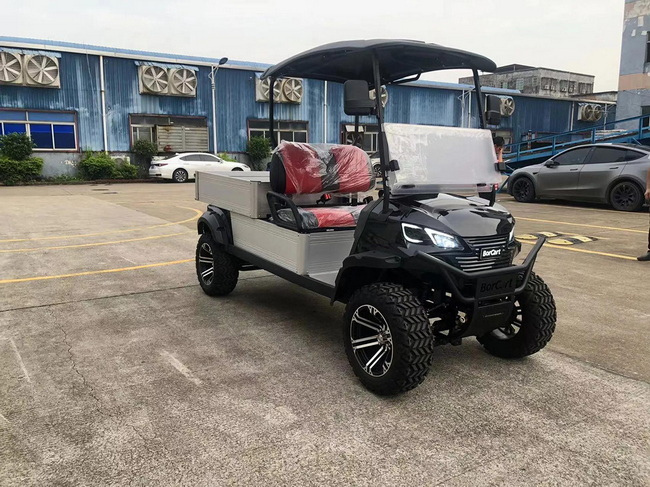
Before deciding whether to add an alternator, it helps to understand how a modern electric golf cart is designed to work.
A typical electric golf cart uses a high‑capacity battery pack, an electronic controller, and an electric motor as its core drive system. The battery pack is usually 36 V or 48 V, made up of multiple deep‑cycle batteries connected in series. This pack supplies all the energy used by the electric golf cart for traction, lighting, and accessories.
When charging, an external charger is plugged into the electric golf cart. This charger connects to a wall outlet and converts alternating current (AC) from the grid into direct current (DC) at the correct voltage and current for the cart's battery pack. Many modern chargers are “smart” devices that monitor the pack's voltage and charge level, adjusting current as the batteries approach full capacity.
Some advanced electric golf carts use regenerative braking technology. When the cart slows down or travels downhill, the motor briefly acts as a generator, sending a small amount of energy back into the battery pack. While useful, regenerative braking is not a full replacement for plugging the electric golf cart into a proper charger.
An alternator is a familiar component in gasoline and diesel vehicles. It is bolted to the engine block and driven by a belt connected to the crankshaft. When the engine runs, the crankshaft spins the alternator, which converts mechanical energy into electrical energy.
In most road cars, the alternator is designed for a 12 V automotive electrical system. It typically charges the starting battery at around 13.5–14.5 V and powers accessories such as headlights, the radio, and engine management electronics. The alternator includes built‑in or external voltage regulation to prevent overcharging the 12 V battery.
Crucially, the alternator is engineered around the presence of a running engine. Without a combustion engine providing steady rotational power, the alternator cannot generate electricity. On an electric golf cart there is no gasoline engine, so there is no natural way to spin an alternator using the cart's existing design.
The absence of an alternator on an electric golf cart is not a design mistake; it is an intentional and logical decision. The core reasons are system architecture, voltage compatibility, and efficiency.
First, the architecture of an electric golf cart is battery‑centric. Power flows from the battery pack to the controller, then to the motor. There is no engine and no rotating crankshaft to drive an alternator. Adding a mechanical drive just to power an alternator would mean introducing a new engine, generator, or similar device, which defeats the purpose of a pure electric vehicle.
Second, the voltage and current demands of an electric golf cart are very different from those of a typical 12 V vehicle. A 36 V or 48 V golf cart under heavy acceleration can draw hundreds of amps. A standard automotive alternator is not designed to handle this voltage or current profile. While some industrial and custom alternators can be configured for higher voltages, they still require precise regulation and heavy‑duty wiring.
Finally, from an efficiency standpoint, using an engine to drive an alternator, then sending that electricity to an electric golf cart motor, adds layers of energy conversion. Each conversion stage introduces losses. In contrast, a straightforward plug‑in electric golf cart simply charges from the grid and uses that energy directly in the motor with minimal intermediate steps.
From a custom engineering perspective, yes, it is possible to integrate an alternator into an electric golf cart system. However, this almost always involves turning the cart into some form of hybrid vehicle.
Some hobbyists and engineers have built experimental hybrid carts by mounting a small gasoline engine (for example, a 200–250 cc engine) on the frame of an old electric golf cart. A belt or chain connects the engine to an alternator or generator, which produces DC power used to drive the electric motor or charge the battery pack. In a few creative builds, the alternator output is passed through a custom controller that adjusts rotor current and output voltage to regulate motor speed.
These projects demonstrate technical feasibility but also highlight the complexity of such conversions. Brackets must be fabricated, pulleys aligned, belts tensioned, and cooling managed. Custom wiring and safety fusing must be installed. The electric golf cart's original wiring harness is rarely designed for an additional engine‑alternator subsystem, so extensive modification is required.
In short, while adding an alternator to an electric golf cart is possible in a workshop setting with fabrication tools and electrical expertise, it is not a plug‑and‑play upgrade for everyday owners, nor is it normally supported by manufacturers.
For most commercial users, fleet operators, and homeowners, the drawbacks of installing an alternator on an electric golf cart outweigh the benefits. The main problems include voltage mismatch, safety risks, cost, noise, and warranty concerns.
Most alternators on the market are designed for 12 V systems. A standard electric golf cart pack, by contrast, is 36 V or 48 V. To charge such a pack, you would need:
- A custom alternator capable of producing higher voltage at suitable current, or
- Multiple alternators wired in series or a DC‑DC conversion stage, plus smart control.
Either approach adds hardware and complexity, and still requires careful design to avoid overcharging or unbalanced cells. The high currents common in an electric golf cart under load also demand heavy cables, robust connectors, and well‑designed protective devices.
An electric golf cart is often driven by inexperienced users in public spaces such as resorts or residential communities. Any major electrical modification must therefore prioritize safety. Poorly designed alternator conversions can lead to:
- Overheating of wires, connectors, and the alternator itself
- Short circuits, blown fuses, or even fires
- Overcharging or undercharging batteries, leading to premature failure or outgassing
Regulatory and inspection requirements may also apply in some regions, particularly for vehicles used on public roads or in commercial fleets.
One of the biggest advantages of an electric golf cart is quiet, clean operation. Adding a gasoline or diesel engine just to spin an alternator undermines this benefit.
- The engine introduces engine noise that may annoy residents, golfers, or hotel guests.
- Exhaust emissions conflict with the green image that electric golf carts are meant to project.
- Engine vibration and maintenance requirements (oil changes, filters, fuel) add operating overhead.
For businesses that selected an electric golf cart to provide a quiet, eco‑friendly experience for passengers, these disadvantages are significant.
Manufacturers design and test electric golf carts around specific battery and charging systems. Extensive modifications—especially adding unapproved power sources—can void warranties on the motor, controller, wiring, or the entire vehicle.
Fleet managers and dealers must consider liability exposure if an alternator conversion causes damage or injury. In many cases, warranty terms specifically list major electrical modifications as grounds for denial of claims. That makes alternator conversions a risky choice for new or leased electric golf carts.
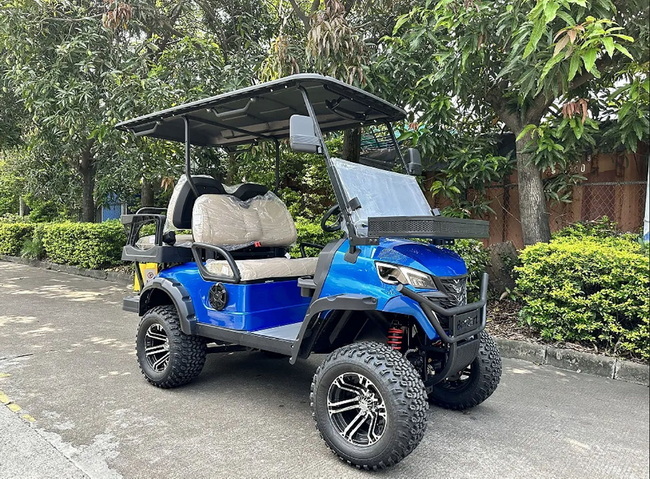
Instead of installing an alternator, there are several proven methods to extend the range and usability of an electric golf cart. These upgrades maintain the clean, quiet nature of the vehicle while boosting performance and reliability.
One of the most impactful improvements is replacing traditional lead‑acid batteries with modern lithium‑iron‑phosphate (LiFePO₄) packs designed for golf carts.
Key advantages include:
- Higher usable capacity: Lithium batteries can typically be discharged deeper than lead‑acid without damage, increasing the effective range of the electric golf cart.
- Lower weight: A lithium pack weighs significantly less than an equivalent lead‑acid pack, improving acceleration, hill‑climbing, and energy efficiency.
- Longer cycle life: Properly managed lithium batteries can last for thousands of cycles, lowering long‑term operating costs.
- Reduced maintenance: There is no need to top up water or clean corrosion as with flooded lead‑acid batteries.
Many suppliers offer complete lithium conversion kits for 36 V and 48 V golf carts, including batteries, a compatible charger, and sometimes a new meter or state‑of‑charge display.
A modern smart charger is a key component of any high‑performance electric golf cart. These chargers:
- Monitor pack voltage and charging current in real time
- Apply multi‑stage charge profiles tailored to the battery chemistry
- Reduce current as the pack nears full charge to prevent overcharging
- Often include temperature compensation and fault indication
For fleets, using high‑quality chargers reduces battery replacement frequency and improves daily range consistency across the electric golf cart lineup.
Small changes in how an electric golf cart is used can significantly affect range:
- Avoid full‑throttle acceleration whenever possible; smoother starts draw less peak current.
- Keep tires at the recommended pressure to reduce rolling resistance.
- Remove unnecessary cargo or accessories that add weight to the electric golf cart.
- Plan routes that minimize steep hills or stop‑and‑go traffic.
Teaching drivers and staff a few best practices can extend operating time without any hardware changes.
For some older electric golf carts, upgrading to a more efficient controller or motor can provide better performance and range. Advanced controllers can:
- Provide smoother acceleration curves
- Improve regenerative braking behavior
- Offer programmable settings matched to specific operating environments
High‑efficiency motors can reduce heat losses and improve torque at lower current levels, supporting longer range for the same battery capacity.
While alternator‑based solutions are not ideal for standard consumer use, there are a few narrow situations where a hybrid configuration might make sense, usually in experimental, industrial, or off‑grid contexts.
In very remote areas where grid power is unreliable or nonexistent, operators sometimes look for ways to keep utility vehicles running without frequent trips to a central charging station. In theory, an engine‑driven alternator could keep an electric golf cart pack topped up or directly drive a traction motor.
However, in such situations, a fully gasoline‑powered utility vehicle or a purpose‑built hybrid platform is usually more practical. Alternatively, solar charging stations with battery buffers can top up electric golf carts during the day without adding combustion engines to the carts themselves.
Engineering teams and advanced hobbyists may use alternators in prototype hybrid electric golf carts to study control strategies, energy management algorithms, or emergency backup systems. These projects are valuable for research but are not intended for regular commercial fleets.
A limited number of industrial vehicles combine large battery packs with onboard generators or alternators, sometimes referred to as “genset hybrids.” These platforms are carefully designed with robust safety systems, thermal management, and certified components.
If your company manufactures specialized electric vehicles beyond standard electric golf carts—for example, heavy‑duty utility carriers—it may be worth exploring such architectures with professional engineering resources and compliance testing.
It is technically possible to put an alternator on an electric golf cart, but doing so almost always means adding a combustion engine or generator, turning the vehicle into a complex hybrid system rather than a simple, clean electric cart. For everyday owners, resort operators, and fleet managers, alternator conversions introduce voltage compatibility issues, safety risks, higher noise levels, emissions, and potential warranty problems.
Instead of modifying the electric golf cart with an alternator, the most effective ways to improve range and reliability are upgrading to modern lithium batteries, using quality smart chargers, optimizing driving habits, and, where appropriate, updating controllers and motors. These solutions preserve the key benefits of an electric golf cart—quiet operation, low emissions, and straightforward maintenance—while delivering measurable performance gains.
From an OEM perspective, investing in better integrated electric systems makes far more sense than adapting automotive alternators to a platform they were never designed to support. A well‑engineered electric golf cart that uses the right batteries, chargers, and controllers will always outperform an improvised alternator hybrid in safety, comfort, and long‑term operating cost.
Contact us to get more information!
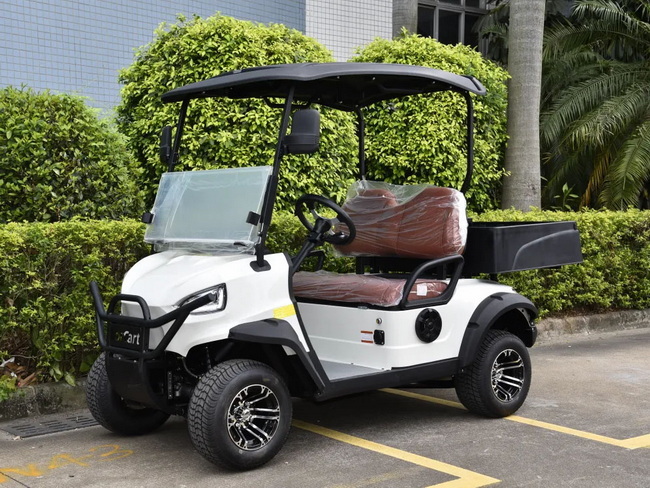
No. A standard electric golf cart does not include an alternator because it has no combustion engine to drive one. The cart is designed around a battery pack, an electronic controller, and an electric motor. Instead of an alternator, an external charger is used to refill the battery pack when the cart is plugged into a power source.
A conventional automotive alternator is designed for 12 V systems and cannot directly charge a 36 V or 48 V electric golf cart pack. To make this work, you would need a custom high‑voltage alternator or additional conversion electronics, along with careful control of current and voltage to avoid damaging the batteries. Even with extra hardware, this setup is far less straightforward and efficient than using a dedicated golf cart charger.
In many cases, yes. Manufacturers typically specify that major electrical modifications—especially those affecting the charging system, wiring, or battery pack—can void warranties. Adding an alternator or engine‑driven generator to an electric golf cart can be considered a substantial modification. Owners should check the written warranty and consult their dealer before changing the power or charging system.
A small gasoline engine and alternator acting as a range extender can keep an electric golf cart running longer, but this solution adds noise, vibration, emissions, and maintenance. For most users, upgrading to a higher‑capacity lithium battery pack is a better choice. A larger or more efficient battery pack keeps the electric golf cart quiet and clean while offering larger usable range gains without the complexity of a hybrid system.
The single most effective upgrade for many electric golf carts is replacing aging lead‑acid batteries with a properly matched lithium‑ion (often LiFePO₄) system. When combined with a compatible smart charger and sensible driving practices, a lithium upgrade can significantly increase range, reduce weight, and extend battery life. Additional improvements—such as maintaining tire pressure, reducing unnecessary weight, and ensuring that the motor and controller are in good condition—further help the electric golf cart travel longer on each charge.
1. https://www.youtube.com/watch?v=IgWIx3PyBiw
2. https://www.thedrive.com/news/diy-harbor-freight-hybrid-powertrain-saves-electric-golf-carts-with-gas
3. https://www.buggiesgonewild.com/showthread.php?t=42879
4. https://www.facebook.com/groups/GolfCartsModified/posts/4145351752404515/
5. https://www.theautopian.com/some-genius-turned-a-golf-cart-into-a-diy-hybrid-with-a-petroleum-battery/
6. https://www.youtube.com/watch?v=l-VdaCpxCdk
7. https://www.reddit.com/r/golfcarts/comments/1axax2j/help_please_does_my_cart_have_an_alternator_to/
8. https://www.epochbatteries.com/collections/golf-cart-module-kits
9. https://www.golfcartgarage.com/blog/7-modifications-that-will-void-your-golf-cart-warranty/
10. https://www.reddit.com/r/golfcarts/comments/1k7r8hu/convert_electric_to_ac_motor/
11. https://golfcarts.com/how-do-electric-golfcarts-work/
12. https://www.speedwaymotors.com/the-toolbox/alternator-vs-generator-pros-and-cons-conversion-tips-for-your-car/145793
13. https://golfcartstuff.com/products/allied-lithium-48v-160ah-square-golf-cart-battery-kit
14. https://www.facebook.com/groups/715258245854749/posts/1594888874558344/
15. https://plumquick.com


