


Views: 222 Author: Leah Publish Time: 2026-01-16 Origin: Site


Content Menu
● What Counts as an “Electric Golf Cart” Legally?
● Can You Really Get a DUI on an Electric Golf Cart?
● Typical DUI Elements Applied to an Electric Golf Cart
● Where People Commonly Get Electric Golf Cart DUIs
● Penalties for DUI on an Electric Golf Cart
● Electric Golf Cart DUI vs. Car DUI
● Electric Golf Cart Safety and Liability
● Impact on Fleet Owners, Resorts, and OEM Partners
● Design Features That Improve Electric Golf Cart Safety
● Best Practices for Drivers of Electric Golf Carts
● Role of OEM Manufacturers in Supporting Safe Electric Golf Cart Use
● FAQ
>> 1. Can I get a DUI on an electric golf cart inside a gated community?
>> 2. Do I need a driver's license to be charged with DUI on an electric golf cart?
>> 3. Are the penalties lighter for DUI on an electric golf cart than for a car?
>> 4. Does it matter if my electric golf cart never leaves the golf course?
>> 5. What can businesses do to reduce DUI risk with electric golf carts?
Yes, in many countries and U.S. states you can get a DUI (or DWI/OVI) while driving an electric golf cart, and the penalties are often very similar to a drunk‑driving conviction in a regular car. Electric golf cart owners, renters, and fleet operators need to treat these vehicles as motor vehicles in the eyes of the law, especially when they operate on public roads or in communities that allow street‑legal carts.[1][2][3]
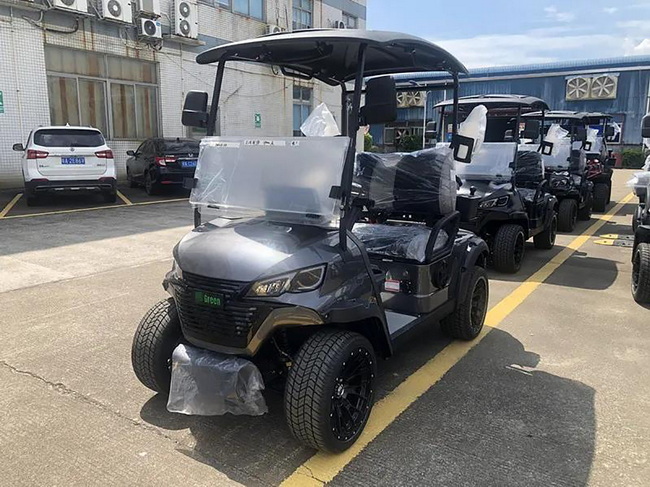
Electric golf carts sit in a grey area between traditional cars and recreational vehicles, but most DUI statutes focus on “any motor vehicle,” not just full‑size automobiles. In practice, this means that if an electric golf cart has a motor and can transport people on public roads or in traffic areas, it is usually treated as a vehicle for DUI purposes.[2][3]
- Many jurisdictions define a motor vehicle as any motorized device that can transport people or property on a highway, excluding only vehicles on rails.[3]
- Some states distinguish between low‑speed vehicles (LSVs) and golf carts, but DUI laws typically apply to both categories when they are motorized and driven in public spaces.[4][5]
Yes, DUI on an electric golf cart is not a theoretical risk; people are charged every year for impaired operation of golf carts in residential communities, resort areas, and even private courses that allow public access. Courts have repeatedly held that when the law says “any vehicle,” an electric golf cart is included unless the statute clearly excludes it.[1][2][3]
- In Florida, DUI laws apply to any motor vehicle, and prosecutors regularly pursue DUI cases against operators of golf carts in gated communities and on golf courses.[6][7][1]
- In Ohio, golf carts explicitly meet the legal definition of a vehicle, and penalties for operating an electric golf cart while impaired mirror those for a normal car.[2]
- In Texas, motorized golf carts qualify as motor vehicles for DWI purposes if driven in a public place, including certain private lands open to the public.[3]
The legal test for DUI on an electric golf cart usually mirrors the standard rules for cars. Authorities focus on whether the driver was impaired and whether the vehicle was operated in a location that the drunk‑driving statute covers.[7][6][1]
- Impairment: Enforcement focuses on “normal faculties,” such as judgment, vision, balance, and reaction time, not just on numbers from a breath test.[6][1]
- Blood Alcohol Concentration (BAC): A BAC of 0.08% or higher for adults is a common threshold, while under‑21 drivers usually face much stricter limits such as 0.02%.[7][1][6]
- Location: Operation of an electric golf cart in a public place or on a public road is usually enough to trigger DUI laws, and some states extend coverage to private property that is accessible to the public.[1][3]
- Control of the vehicle: In many regions, simply being in “actual physical control” of an electric golf cart while impaired—such as sitting behind the wheel with the key in—can satisfy part of the DUI test.[7][1]
Electric golf cart use has expanded beyond the course, and many of these environments carry full DUI exposure. The relaxed atmosphere often leads people to underestimate their legal responsibilities.[8][9][1]
- Master‑planned communities and resort neighborhoods where residents use an electric golf cart for short trips between homes, pools, and clubhouses.
- Tourist attractions, beach towns, and vacation rentals that provide an electric golf cart for guests to move around local streets.
- College campuses, parks, and private venues that allow motorized carts on roads or paths open to general traffic.
- Golf courses and gated communities that are technically private but still fall under DUI statutes in some states, especially when open to members and guests.[6][1]
Penalties for DUI on an electric golf cart are often just as serious as those for a standard automobile. Legislators design these consequences to discourage all forms of impaired driving, not just drunk driving in full‑size cars.[2][1]
- First‑time offenders can face fines, possible jail time, probation, and mandatory DUI education programs in several U.S. states.[10][1][2][6]
- License suspension is common, even if the driver was only operating an electric golf cart and not a car, and losing a license can affect work and family life.[1][2][6]
- Repeat offenses or aggravating factors—such as a very high BAC, minors in the vehicle, property damage, or injuries—can lead to extended license suspensions, higher fines, and longer jail sentences.[6][7][1]
- Insurance rates often rise sharply after a DUI conviction, regardless of whether the offense involved an electric golf cart or a passenger car, and some insurers may cancel coverage entirely.[11][2][1]
In many jurisdictions, the law makes no meaningful distinction between a DUI on an electric golf cart and a DUI in a full‑size vehicle. Authorities focus on the risk to public safety and other road users.[3][2][1]
- The same BAC thresholds and impairment standards that apply to car drivers usually apply to operators of an electric golf cart.[1][6]
- Courts often impose the same categories of penalties—fines, jail exposure, probation terms, and mandatory treatment—on both car and electric golf cart DUI cases.[2][1]
- Both types of convictions can appear on a person's driving record and criminal history, affecting future employment, travel, and licensing opportunities.[2][1]
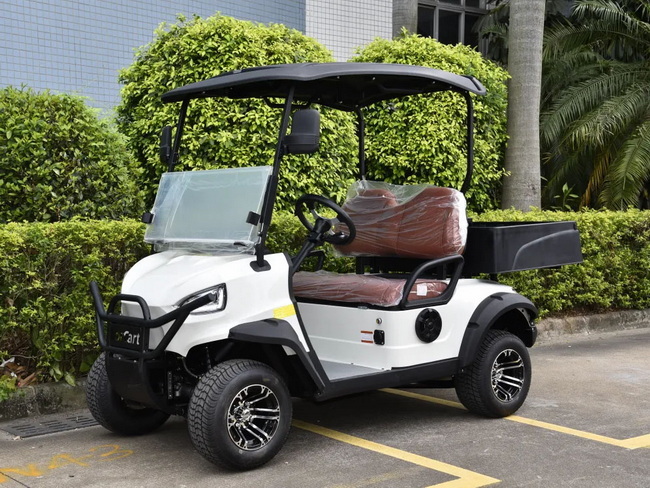
Even at modest speeds, an electric golf cart can cause serious injuries or property damage when operated by an impaired driver. The open design and lighter construction of many cart platforms increase vulnerability in a crash.[9][8]
- Impaired coordination and delayed reaction make it easier to overturn an electric golf cart on uneven surfaces, curbs, bunkers, and steep cart paths.[8]
- Passengers riding unrestrained or standing on the back of an electric golf cart are vulnerable to ejection during sudden turns, braking, or collisions.[8]
- In some regions, dram shop or social host liability can extend responsibility to bars, clubs, or individuals that serve an obviously intoxicated driver who later crashes an electric golf cart.[9]
- Personal injury claims from electric golf cart accidents can involve medical costs, lost wages, and long‑term rehabilitation, putting additional financial pressure on drivers and fleet owners.[9][8]
For businesses that buy, lease, or brand electric golf cart fleets—such as resorts, gated communities, and overseas distributors—DUI exposure creates both legal and reputational risk. Clear policies and robust safety features on electric golf cart models can reduce accidents and protect brand value.[8][1]
- Commercial buyers should ensure their electric golf cart supplier provides models with stable chassis design, reliable braking, lighting, and optional safety equipment that support safe operation in mixed‑traffic environments.[8]
- Partners that source electric golf cart products on an OEM basis can specify warning labels, manuals, and user guidelines that highlight DUI laws and safe‑driving rules in the target market.
- Resort and community operators should adopt written policies covering alcohol use, electric golf cart access control, and consequences for unsafe operation, and they should communicate these rules to guests and residents before key handover.[1]
- Corporate customers can integrate electric golf cart safety into broader occupational health and safety programs to ensure that staff understand DUI rules and internal disciplinary procedures.
Modern electric golf cart platforms allow manufacturers and OEM buyers to integrate safety‑oriented design features that work hand‑in‑hand with DUI prevention policies. By combining engineering with education, brands can reduce accidents and claims.[8]
- Speed management: Programmable controllers can cap the top speed of an electric golf cart to match local regulations for golf course, residential, or low‑speed road use, which reduces stopping distances and impact energy.
- Lighting and signaling: LED headlights, tail lights, and turn indicators increase visibility when an electric golf cart shares space with larger vehicles or operates in twilight conditions.
- Braking and stability: Disc or enhanced drum brakes, wider track, and a low center of gravity help an electric golf cart remain controllable during emergency maneuvers and steep descents.
- Driver information: Clear instrument panels, warning chimes, and status indicators encourage responsible operation of the electric golf cart in changing weather, terrain, and traffic environments.
- Optional safety equipment: Grab handles, seat belts where permitted, and robust handrails give passengers more stability and may reduce injury severity if an electric golf cart stops suddenly.
Responsible operation remains the most effective protection against DUI charges and accidents involving an electric golf cart. Simple habits can dramatically lower risk for drivers, passengers, and pedestrians.[9][1][8]
- Never operate an electric golf cart after drinking alcohol or using drugs that impair judgment, reaction, or coordination, even if the distance seems very short.
- Learn the local definition of “vehicle” and confirm whether DUI laws explicitly cover an electric golf cart in your state or country, especially in resort destinations.[3][2][1]
- Follow posted speed limits, lane rules, and crossing rules whenever an electric golf cart enters public streets or shared‑traffic zones.
- Limit passenger numbers to the rated capacity of the electric golf cart and require everyone to remain seated while the vehicle is moving.
- Use lights and signals at dusk, night, and in low‑visibility conditions to make your electric golf cart more visible to other road users.
- Do not allow children to drive an electric golf cart in areas where traffic laws apply, and supervise teenage drivers carefully even in private communities.[6][1]
Professional OEM manufacturers of electric golf carts play a vital role in helping overseas brand owners reduce DUI‑related risks and improve the overall safety profile of their fleets. By aligning engineering, documentation, and after‑sales support, they help business customers protect end users.[8]
- By offering stable, low‑noise electric golf cart platforms with high‑quality braking systems, steering components, and suspension, suppliers help distributors deliver safer vehicles to resorts, courses, and communities.
- OEMs can customize electric golf cart configurations for different markets—such as golf course, resort shuttle, low‑speed urban transport, hunting, or utility use—while aligning with relevant standards and local regulations.
- Manufacturers that provide comprehensive manuals and training materials support dealers, rental companies, and fleet managers in educating drivers about DUI rules and safe electric golf cart operation.
- Through long‑term cooperation with wholesalers and brand owners, OEM electric golf cart producers can continuously upgrade safety options and telematics, helping clients monitor usage patterns and improve risk management.
In many jurisdictions, operating an electric golf cart while impaired by alcohol or drugs can result in a full DUI or equivalent charge, with penalties that closely resemble those imposed on car drivers. Because an electric golf cart is often treated as a motor vehicle when driven in public spaces or accessible private areas, drivers, fleet owners, and OEM partners must treat legal compliance and safety design as core responsibilities. By combining responsible driving behavior, safety‑focused electric golf cart engineering, clear operating rules, and engaging educational content, communities and businesses can reduce accidents, protect people, and preserve the long‑term value of their electric golf cart fleets.[3][2][1]
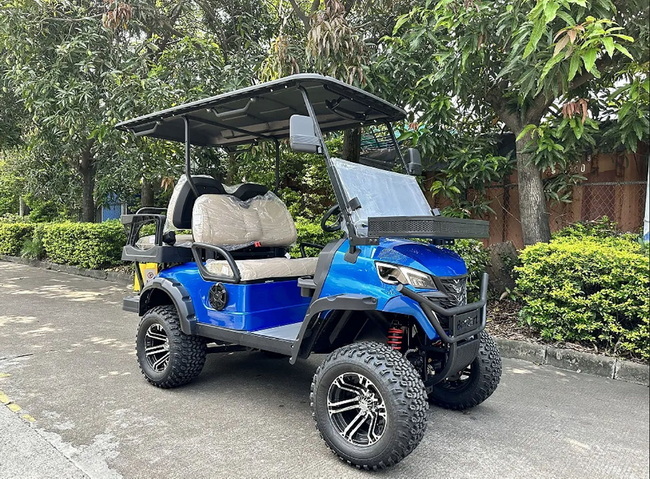
Yes, in some states DUI statutes apply even on private property if the area is open to residents, guests, or the general public, which can include a gated community where people drive an electric golf cart on shared roads. Local law determines whether the paths and roads in a particular community fall under DUI jurisdiction, so electric golf cart users should check regional rules before drinking and driving.[6][1]
A driver's license might not be required to operate an electric golf cart in every situation, but DUI laws can still apply when a person operates a motor vehicle while impaired in a public place. As a result, even unlicensed drivers can face criminal charges and future license consequences after a DUI on an electric golf cart, especially when courts link the offense to later licensing decisions.[3][2][1]
In many jurisdictions, penalties for a DUI on an electric golf cart are essentially the same as for a regular car, including fines, possible jail time, license suspension, and mandatory treatment. Lawmakers and courts generally focus on the danger created by impaired driving, not the size or luxury level of the vehicle, so an electric golf cart offers no automatic leniency.[2][1]
Some states apply DUI laws broadly to any motor vehicle, even on private courses or club property, while others focus on public roads and areas open to general traffic. Because of these differences, golf clubs and operators of electric golf cart fleets should seek local legal guidance and educate drivers on how DUI rules apply to their specific course and surrounding roads.[3][6][1]
Businesses that deploy electric golf cart fleets can lower DUI risk by combining clear policies, staff training, and appropriate technical features such as speed limits, lighting, and stability‑oriented design. OEM partners and fleet owners should also provide safety instructions that explain local DUI laws, promote responsible use, and encourage guests and staff to treat every electric golf cart as a true vehicle, not a toy.[1][8]
[1](https://www.defendyourvolusiacase.com/criminal-defense-blog/2025/march/can-you-get-a-dui-on-a-golf-cart/)
[2](https://www.brianjsmithesq.com/blog/2025/5/26/duis-on-golf-carts-in-ohio-yes-its-a-real-thing)
[3](https://www.dougmurphylaw.com/texas-dwi-while-operating-a-golf-cart)
[4](https://law.lis.virginia.gov/vacode/title46.2/chapter8/section46.2-100/)
[5](https://www.ncdd.com/maryland-dui-laws)
[6](https://www.muscalaw.com/blog/can-you-get-dui-driving-golf-cart-gated-community-florida)
[7](https://dplawfl.com/can-you-get-a-dui-on-a-golf-cart/)
[8](https://evolutionelectricvehicle.com/why-golf-cart-dui-laws-matter-more-than-you-think/)
[9](https://www.thestanleylawgroup.com/dui-is-for-low-speed-vehicles-too/)
[10](https://www.lmorganmartin.com/blog/can-you-get-a-dui-on-a-golf-cart/)
[11](https://sieronlaw.com/posts/can-you-get-charged-with-dui-on-a-golf-cart/)


