


Content Menu
● Understanding What a Golf Buggy Is
● Can Golf Buggies Drive on Fairways?
● The Science Behind Fairway Damage
● Benefits of Allowing Golf Buggies on Fairways
● Importance of Weather Conditions
● Electric vs. Gas Buggies: Which Are Better for Fairways?
● Driving Responsibly on Fairways
● Innovation in Golf Buggy Technology
● From the Course Manager's Perspective
● Golf Etiquette and Fairway Conduct
● The Role of Manufacturers Like BorCart
● Common Myths About Golf Buggies on Fairways
● The Future of Golf Buggy Design
● FAQ
>> 1. Can I drive my golf buggy everywhere on the course?
>> 2. Why are electric golf buggies more suitable for fairways?
>> 3. How can golf courses reduce fairway wear from buggies?
>> 4. Are golf buggies safe to use on steep or hilly courses?
>> 5. What maintenance is required for electric golf buggies?
Golf is a game of strategy, precision, and respect for the terrain. The lush fairways are central to the sport's visual appeal and playability, which is why one question often sparks debate among golfers and course managers alike: Can a golf buggy go on the fairway?
This question may sound simple, but the answer depends on multiple factors—course regulations, grass maintenance, soil moisture, buggy design, and even player etiquette. As electric golf buggies become increasingly popular for their eco‑friendly and quiet performance, understanding how to use them responsibly is essential for preserving course quality.
At BorCart, a professional Chinese manufacturer of electric golf buggies and other specialty vehicles, we focus on developing machines engineered to be fairway‑friendly. From low‑pressure tires to lightweight composite frames, our innovations allow golfers to enjoy modern convenience while keeping the playing surface in excellent condition.
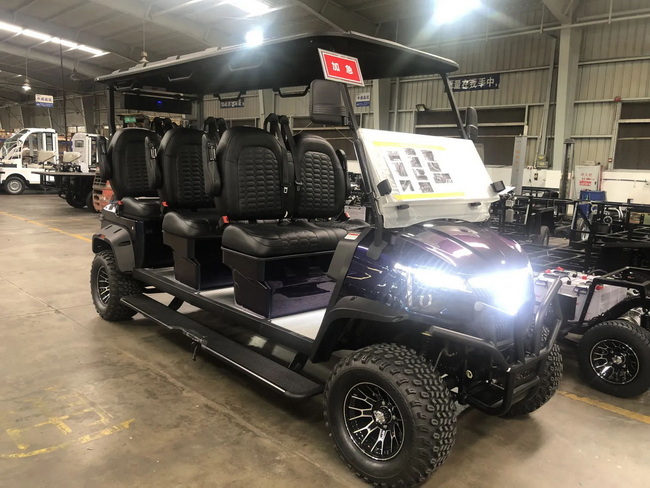
A golf buggy (sometimes called a golf cart or electric golf trolley) is a small motorized vehicle designed to transport golfers and their equipment around the course efficiently. What started as a luxury feature has now become a standard component of golf across the world, offering comfort and time efficiency—especially on larger or hillier courses.
Modern electric golf buggies feature enhanced design elements that go beyond simple mobility:
- Electric drive systems powered by advanced lithium batteries.
- Ergonomic seating, suspension systems, and noise‑reduction technology.
- Smart controllers for smooth acceleration and automatic braking.
- Energy efficiency that reduces operational cost and environmental impact.
These advances have made electric buggies far more sustainable and fairway‑compatible than older gas‑powered models.
The short answer: it depends.
Every golf club sets its own policy for buggy access. Some provide full access to fairways when conditions are dry and firm, while others limit buggies to rough paths or cart‑only tracks to protect the grass.
The primary factor behind these rules is turf health. Driving a heavy vehicle repeatedly over the same patch of grass can compact the soil and restrict airflow to the roots. Over time, this can cause turf stress, patchy discoloration, or even permanent wear.
1. Fairway Access Allowed: Golfers can drive across most fairways when weather and soil conditions are favorable.
2. Restricted Access: Buggies must stay on designated cart paths or roughs.
3. Conditional Rules: Access depends on daily course assessments—some fairways open, others restricted.
By adhering to these guidelines, courses strike a balance between player convenience and turf preservation.
Fairways are not only the most played areas on a golf course—they're also the most fragile. Maintaining their optimum firmness and grass density requires careful watering, mowing, and fertilization. When golf buggies are used properly, they help streamline course operations without causing harm. However, overuse or careless driving can reverse years of maintenance work almost overnight.
Electric golf buggies minimize such risks. Their lower weight, soft‑tread tires, and efficient suspension distribute pressure evenly over the ground. High‑quality models like those manufactured by BorCart incorporate turf‑friendly geometry and electronic traction control to limit wheel spin. These features make them ideal for fairway conditions when used conscientiously.
Driving a golf buggy over a fairway may look harmless, but from a turf‑maintenance perspective, several hidden mechanical effects occur beneath the surface.
- Soil Compaction: When turf experiences continuous pressure from tires, the soil beneath becomes tightly packed. This restricts root growth and reduces oxygen absorption.
- Reduced Water Absorption: Compacted soil can cause rain and irrigation water to pool on the surface instead of soaking in evenly.
- Surface Stress: Abrupt acceleration or braking may tear turf at the crown, especially in damp areas.
Modern golf buggies mitigate these problems with advanced tire technology. Wide, low‑pressure tires increase the contact surface area, spreading the load more gently across the ground.
Allowing properly managed golf buggies on fairways can actually enhance the golfing experience in several ways:
- Accessibility: Seniors, injured players, or those with mobility challenges can fully enjoy the game.
- Time Efficiency: Quicker travel between shots helps maintain course flow and reduce round times.
- Revenue Generation: Buggy rentals constitute a valuable additional income stream for clubs and resorts.
- Enhanced Comfort: High‑quality electric golf buggies offer smooth, quiet rides, air‑cooled cabins, and convenient storage options.
With the right user discipline, these benefits far outweigh the risks. It's proof that innovation and sustainability can coexist in modern golf.
In turf management, weather is the decisive factor when determining whether buggies can drive on fairways. Following rainfall or heavy dew, grass surfaces become soft and prone to rutting. As a result, many golf clubs enforce “cart path only” restrictions under specific conditions to prevent tire marks and erosion.
On dry days, with firm soil and short‑cut fairways, buggies are often permitted more freedom. Smart course operators now use real‑time moisture and compaction sensors to adjust access policies dynamically.
By integrating telematics into electric golf buggies, managers can even monitor buggy routes digitally to ensure sensitive zones remain untouched.
Though both serve the same purpose, electric golf buggies have grown to dominate modern courses—and for good reason. They offer quieter operation, require less maintenance, and are significantly gentler on fairways.
Feature | Electric Golf Buggy | Gas Golf Buggy |
Power Source | Rechargeable battery | Gasoline engine |
Noise Level | Almost silent | Noticeably loud |
Maintenance | Low (fewer moving parts) | High (oil, fuel, filters) |
Weight Impact | Lighter frame | Heavier on turf |
Emission | Zero | Produces exhaust gases |
Not only do electric models align with environmental standards, but their design inherently supports fairway preservation. That's why manufacturers like BorCart specialize in electric platforms to meet global market demand.
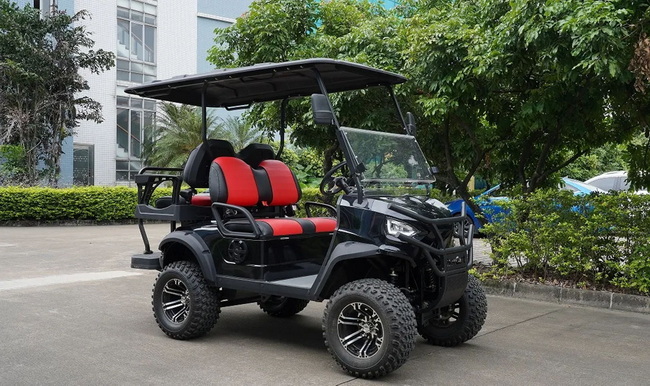
Having golf buggies on the fairway is a privilege that depends heavily on driver behavior. To ensure turf integrity and compliance with course rules, follow these professional driving practices:
1. Check the course policy before your round—rules may vary daily.
2. Avoid wet or damaged areas, particularly around greens and bunkers.
3. Drive straight lines where possible, avoiding tight or repeated turns.
4. Restrict group traffic—spread movement to minimize repeated wear.
5. Stay alert to signage directing you to exit or rejoin the path.
Responsible use keeps courses in pristine condition and helps preserve open fairway access for everyone.
The shift from mechanical to intelligent design has revolutionized the golf buggy industry. Electric golf buggies today offer features that make them more efficient and respectful toward the golf course ecosystem:
- Lithium‑ion battery systems with extended life and shorter charge times.
- Digital dashboards displaying speed, distance, and diagnostics.
- GPS navigation integration, enabling optimized routing and shot tracking.
- Regenerative braking to recapture kinetic energy and enhance range.
- AI‑assisted steering that stabilizes buggy motion on sloped fairways.
At BorCart, continuous R&D invests in vehicular control software, ensuring each buggy model provides precision handling and low vibration for turf protection.
Allowing or restricting golf buggies on fairways is one of the daily decisions for course superintendents. The decision involves evaluating turf moisture, grass health, root depth, and weather forecasts. Managed correctly, controlled access improves golfer satisfaction without increasing maintenance costs.
Clubs that switch to electric golf buggies typically experience reduced fuel expenses and fewer ground complaints. Because these vehicles emit no exhaust fumes and produce minimal vibration, they are a perfect fit for environmentally sensitive courses.
Furthermore, BorCart offers flexible OEM customization, allowing global partners to adjust speed limits, torque output, or even battery capacity based on local climate and course type. This adaptability ensures optimum performance in diverse markets—from desert resorts to humid tropical greens.
Golf etiquette extends far beyond polite conversation—it governs how golfers interact with the environment. Appropriate golf buggy etiquette plays a critical role in maintaining course quality and camaraderie among players.
Golfers should:
- Avoid blocking another player's line of view or approach.
- Stop the buggy at a safe distance from putting surfaces.
- Avoid spinning tires or abrupt acceleration.
- Refrain from driving through bunkers or rough transitions.
Following these courtesies preserves both turf integrity and the spirit of the game.
As a leading Chinese manufacturer, BorCart stands at the forefront of the electric golf buggy industry, offering OEM and ODM services to international brand owners and wholesale distributors.
Our production values combine quality materials, precision engineering, and sustainable practices. With a portfolio covering golf buggies, sightseeing shuttles, low‑speed utility vehicles, hunting carts, and multi‑purpose transporters, BorCart adapts designs for both recreational use and corporate fleets.
When it comes to fairway capability, each BorCart buggy is optimized for:
- Ultra‑light architecture, minimizing ground compaction.
- Weather‑resistant systems, suited for year‑round operation.
- Silent drive performance, eliminating noise disruption on the course.
- Enhanced stability control, ideal for complex fairway topography.
By combining advanced design with respect for tradition, BorCart supports the evolution of golf into a greener, more inclusive sport.
Despite clear data, misconceptions persist about golf buggy impact on the environment and playability.
- Myth 1: All buggies damage fairways.
Fact: Lightweight electric models distribute their load widely, causing minimal pressure per square inch.
- Myth 2: Gas buggies are more reliable.
Fact: Electric systems now exceed gas counterparts in reliability, requiring less upkeep and offering smoother starts.
- Myth 3: Electric buggies lack torque for hills.
Fact: High‑end brushless motors supply ample torque instantly, outperforming small petrol engines on gradients.
- Myth 4: Maintenance is complicated for electric buggies.
Fact: Battery systems are modular, plug‑and‑play, and require little more than regular cleaning and inspection.
Understanding these realities promotes informed adoption of eco‑friendly vehicles throughout the golfing industry.
Looking ahead, golf buggy manufacturers are embracing sustainability, automation, and connectivity. The next generation of golf buggies may feature:
- Solar charging roofs, extending battery range.
- Autonomous fleet movement, navigating predetermined fairway paths.
- Data tracking tools, recording pace of play and vehicle performance.
- Recyclable body materials, contributing to circular production systems.
These trends align perfectly with golfers' growing environmental awareness and global efforts toward carbon neutrality. BorCart's R&D division is heavily invested in these innovations, ensuring that tomorrow's fairway vehicles meet both performance and ecological benchmarks.
So, can a golf buggy go on the fairway? The answer is yes—under the right conditions.
With mindful use, clear regulations, and the advantages of electric technology, golf buggies can operate on fairways without threatening their health. Manufacturers like BorCart continue to refine their products to meet this goal: balancing comfort, performance, and sustainability.
Ultimately, responsible driving habits, modern design, and smart course management are the foundation of harmonious coexistence between the golfer, the buggy, and the fairway.
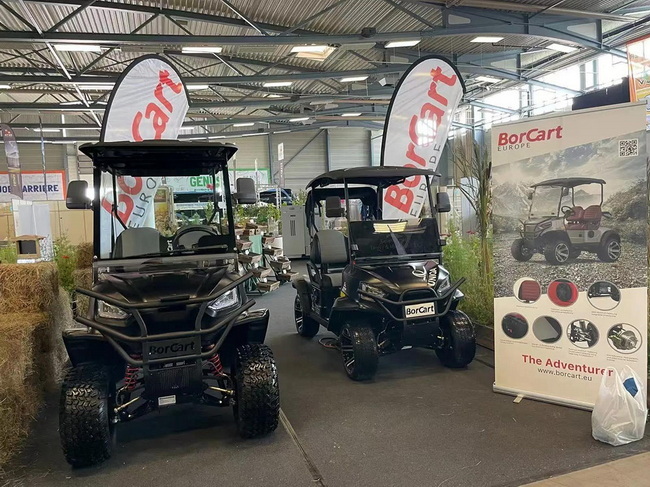
Not always. Many golf clubs restrict buggy movement depending on weather and turf conditions. Always check the local rules before setting off.
Electric buggies weigh less, operate quietly, and cause minimal soil compaction. Their absence of emissions also supports sustainable course maintenance.
By rotating routes daily, enforcing “cart path only” rules during wet weather, and using lightweight electric models that reduce ground pressure.
Yes—modern designs feature automatic braking, low‑center balance, and traction control. Always avoid exceeding slope gradients recommended by the manufacturer.
Keep batteries charged, tires inflated, and check electrical connections regularly. Routine inspection ensures performance and extends vehicle lifespan.


