


Views: 202 Author: BorCart Publish Time: 2026-07-18 Origin: Site


Content Menu
● Introduction: Why This Fleet Decision Matters
● 8-Seater Electric Cart vs Two 4-Seaters: The Core Economics
● Labor ROI: Where the Savings Add Up
>> Step 1: Define the duty cycle
>> Step 3: Estimate energy use
>> Step 4: Add maintenance and downtime
>> Step 5: Compare payback period
● Guest Experience and Brand Value
● Conclusion: Which Option Usually Delivers Better ROI?
● FAQ
>> 1. Is one 8-seater cheaper to operate than two 4-seaters?
>> 2. When are two 4-seaters a better choice?
>> 3. Does charging cost change a lot between the two setups?
>> 4. Why does labor matter so much in this ROI model?
>> 5. Can the 8-seater improve guest satisfaction?
>> 6. Should resorts use managed charging?
For resort operators, choosing between one 8-seater electric cart and two 4-seaters is not only a vehicle decision. It is a business decision that affects labor efficiency, charging cost, guest service, and daily operating flow.
In real resort environments, the best choice is rarely determined by seat count alone. It depends on how often the vehicle runs, how far it travels, whether routes overlap, and how much downtime the property can tolerate.
BorCart, as a Chinese manufacturer focused on sightseeing buses, electric vehicles, and automotive parts, understands that international buyers need more than a product brochure. They need a fleet solution that can support service quality while improving operating returns.
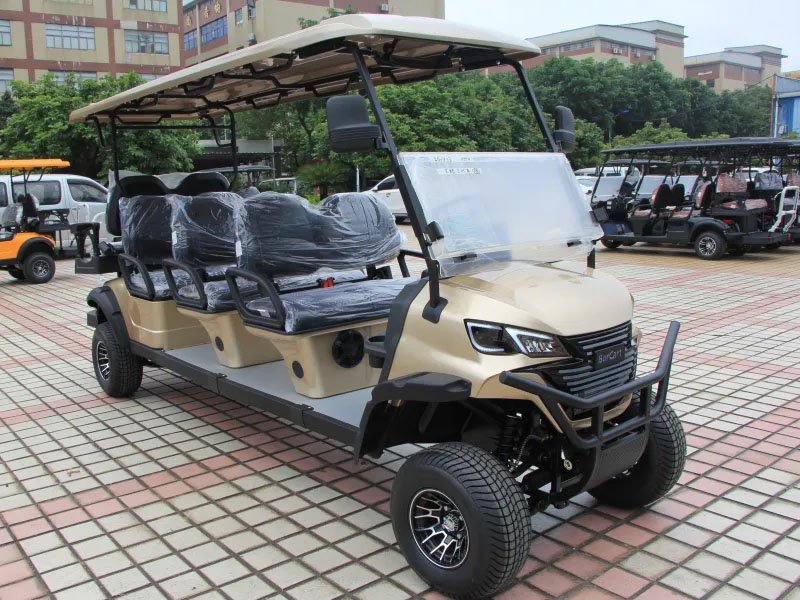
At first glance, two 4-seaters may seem more flexible than one 8-seater. In practice, flexibility does not always mean lower cost.
The true question is whether the resort needs one vehicle to move larger groups efficiently, or two vehicles to serve different guests at the same time.
| Factor | 1 x 8-Seater Electric Cart | 2 x 4-Seater Electric Carts |
|---|---|---|
| Passenger capacity | Higher per trip | Same total capacity, split across two units |
| Dispatch flexibility | Moderate | Higher |
| Driver labor efficiency | Strong when one trip covers one group | Better when two routes run in parallel |
| Charging overhead | Lower in most cases | Higher because two batteries must be managed |
| Maintenance touchpoints | Fewer | More |
| Backup availability | Lower if one unit is down | Better redundancy |
| Best use case | Group transport, luggage runs, shuttle loops | Multi-point service, split routes, parallel calls |
For many resort fleets, the 8-seater becomes attractive because it combines transport capacity with operating simplicity. For properties with scattered service points or frequent simultaneous requests, two 4-seaters may perform better.
Driver labor is often the largest recurring expense in resort shuttle operations. Shuttle drivers and chauffeurs are paid on an ongoing basis, and that makes every saved minute meaningful.
A single 8-seater can reduce labor cost when one driver can transport a group that would otherwise need two vehicles or multiple trips. The benefit is not only wage savings. It also includes scheduling simplicity, fewer handoffs, less supervision, and lower pressure on staffing.
A practical labor ROI model should ask:
1. How many guest transfers happen per day?
2. How many trips does the 8-seater need compared with two 4-seaters?
3. How much driver time is saved or added?
4. What is the fully loaded cost of that labor hour?
Even small time savings can become significant across a busy season. In resort operations, repeated efficiency gains often have a larger financial effect than the purchase price difference.
Charging economics usually favor the simpler fleet. Managed charging can reduce electricity cost by shifting charging away from peak pricing and avoiding demand spikes.
This matters because two 4-seaters often create more charging events, more plug-in cycles, and more charging coordination than one 8-seater. A fleet with fewer charging sessions is usually easier to manage and less likely to create avoidable electricity waste.
The 8-seater often has an advantage because:
- It usually needs one charging session instead of two.
- It reduces charger congestion at busy properties.
- It may lower demand pressure on the electrical system.
- It simplifies battery monitoring and daily planning.
Commercial charging cost is not just the electricity rate on paper. It also includes the timing of charging, the size of the load, and the way the fleet is scheduled. In a resort setting, charging strategy is part of the total operating model.
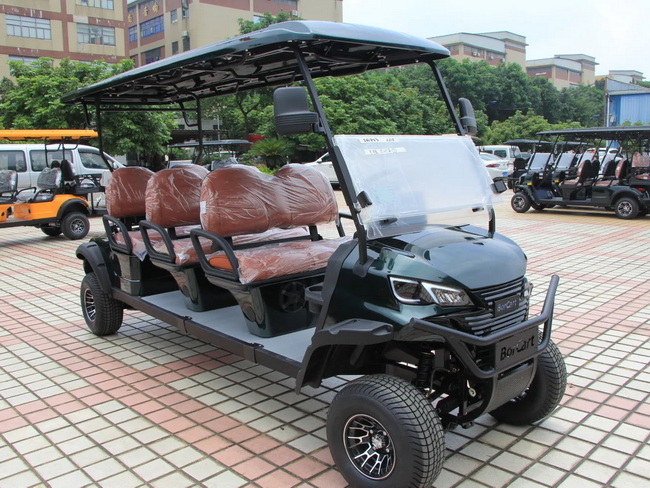
One 8-seater is not always the best answer. Two 4-seaters can be better when the resort needs to serve separate zones at the same time.
For example, one vehicle may handle lobby-to-room transfers while the other handles beach or restaurant service. In this case, the two-cart setup improves response speed and route coverage.
Two 4-seaters are usually better when:
- Guest demand is spread across multiple zones.
- The resort has narrow paths or tight turning areas.
- Dispatches need to happen in parallel.
- Management wants built-in backup capacity.
This is why fleet planning should focus on actual use patterns rather than vehicle size alone. The right fleet is the one that fits the daily service rhythm.
A strong ROI model should include more than purchase cost. The best calculation combines labor, charging, maintenance, and downtime into one practical view.
Measure average trips per day, average passengers per trip, route length, and peak-hour overlap.
Estimate how much driver time the 8-seater saves versus two 4-seaters.
Use the local electricity rate and compare normal charging with off-peak charging.
Two vehicles usually mean more tires, more inspections, more wear items, and more chances of service interruption.
The better option is the one that returns its cost faster under real operating conditions.
This method is more reliable than a simple purchase-price comparison because it reflects the full operating picture.
Resort transportation is part of the guest experience. A quiet electric cart can improve the feeling of comfort, cleanliness, and premium service.
An 8-seater also helps keep groups together, which is especially useful for families, wedding parties, VIP guests, and event transport. That creates a smoother and more organized guest journey.
Two 4-seaters may work better for operations, but the larger cart often feels more coordinated from the guest perspective. In high-end hospitality, that experience value can be important.
From an OEM perspective, the best vehicle choice starts with route design, not catalog size. Many buyers focus on seat count first, but the real cost driver is how the fleet behaves every day.
Before choosing a configuration, buyers should review:
- Route map and guest flow.
- Average trip length.
- Charging window.
- Driver staffing level.
- Maintenance access and spare-unit planning.
A fleet that looks more flexible on paper can become more expensive in practice if it creates extra labor or charging complexity. The smartest decision is based on usage, not assumption.
Before placing an order, resort operators should confirm these points:
1. Peak passenger demand by hour.
2. Average mileage per vehicle per day.
3. Available charger capacity and charging schedule.
4. Labor cost per shift.
5. Maintenance access and spare parts support.
6. Whether routes need to run at the same time.
If the resort has one central service corridor, the 8-seater often wins. If it has multiple service points, two 4-seaters may provide better coverage.
For many resort fleets, the 8-seater electric cart delivers stronger ROI because it reduces labor intensity, simplifies charging, and lowers maintenance touchpoints.
However, two 4-seaters can be the better operational choice when the resort needs parallel dispatch, route separation, or extra redundancy. The correct answer depends on how the property actually runs, not just how many seats are available.
For buyers seeking OEM supply, the best next step is to request a fleet proposal based on real duty cycle, labor assumptions, and charging conditions.
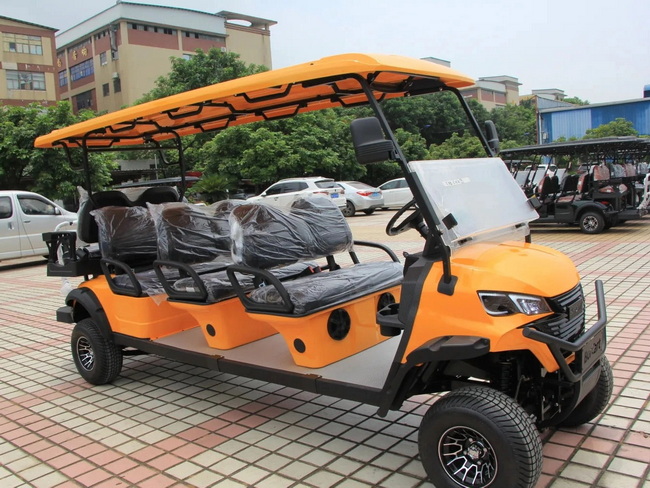
Usually yes, because it often requires fewer drivers, fewer charging sessions, and fewer maintenance touchpoints.
They are better when the resort needs simultaneous dispatch, route separation, or backup capacity.
Yes. Two smaller carts can create more charging sessions and more coordination, while smarter charging control can improve efficiency.
Because shuttle labor is a major ongoing expense, and even small savings in driver time add up over a season.
Yes. It can keep groups together, reduce waiting, and create a quieter and more comfortable guest experience.
Yes. Managed charging helps avoid peak pricing and reduces electrical load pressure, which improves operating economics.
1. [Managed EV Charging for Federal Fleets]
2. [Decision Support for EV Charging Cost Analysis]
3. [Taxi Drivers, Shuttle Drivers, and Chauffeurs]
4. [Fleet Depot Charging Costs: All-In Cost per kWh]
5. [Electric vs Gas Hotel Shuttles: The Real Cost Comparison]


