


Views: 222 Author: Leah Publish Time: 2026-01-08 Origin: Site


Content Menu
● Step‑by‑Step Winterization Checklist
>> Deep Cleaning and Pre‑Storage Inspection
>> Battery Care Basics for Winter
>> Cleaning Terminals and Checking Electrolyte
>> Storage Mode, Charging Strategy and Monitoring
● Protecting Tires, Brakes and Moving Parts
>> Tires, Suspension and Parking Technique
>> Lubrication and Corrosion Protection
● Choosing the Right Storage Environment
>> Using a Proper Protective Cover
● Special Tips for Different Electric Golf Cart Uses
>> Golf Course, Resort and Community Fleets
>> Hunting, Multi‑Purpose and Utility Vehicles
● Safety Considerations During Winterization
>> Electrical and Charging Safety
>> Ventilation and Fire Safety
>> Bringing an Electric Golf Cart Out of Storage
>> Early‑Season Performance Checks
● BorCart OEM Electric Golf Cart Solutions
● FAQ About Winterizing an Electric Golf Cart
>> 1. Should an electric golf cart stay plugged in all winter?
>> 2. Can an electric golf cart be stored outside in winter?
>> 3. How often should electric golf cart batteries be checked in winter?
>> 4. Do lithium electric golf cart batteries need different winter care?
>> 5. What is the best temperature to store an electric golf cart?
Preparing an electric golf cart correctly for winter protects the batteries, electronics and body, and ensures it runs smoothly again when spring arrives. A clear winterization routine also reduces repair costs and extends the overall lifespan of the electric golf cart for both private users and fleet operators.[1][2]
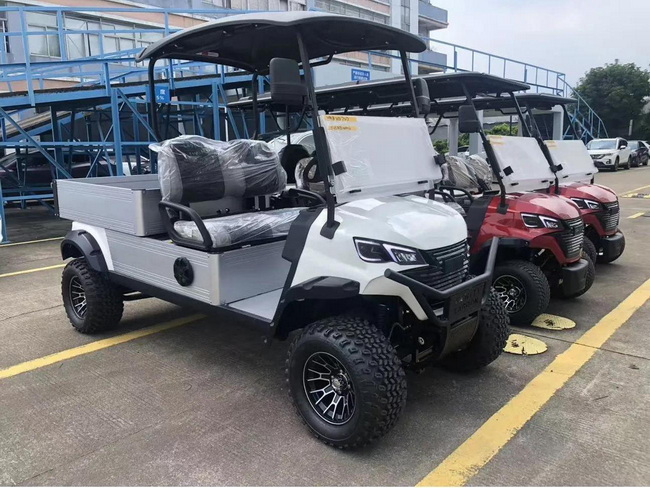
Cold temperatures slow chemical reactions in batteries and can damage components if moisture, ice and corrosion are allowed to build up on an electric golf cart. Proper winter storage keeps voltage stable and prevents rust, cracked plastic and flat‑spotted tires on the electric golf cart.[2][3]
- An electric golf cart battery loses capacity faster in low temperatures, especially if stored partially discharged.[3]
- Moisture and road salt can corrode frames, terminals and wiring if the electric golf cart is put away dirty.[1]
- Good winterization means your electric golf cart is almost “turn‑key” ready when warm weather returns, avoiding long workshops visits.[2]
You can also enrich the content by embedding maintenance tutorial videos that show step‑by‑step winter checks on electric golf cart batteries, brakes and controllers, making the process easier for beginners and fleet staff.[4]
Before storage, give the entire electric golf cart a thorough wash and inspection to stop rust and deterioration during winter months. Focus on the chassis, suspension, wheel wells and underbody, where mud and salt accumulate on the electric golf cart during regular operation.[1][2]
- Wash the body, roof, floor and undercarriage with mild soap and water, then dry the electric golf cart completely to avoid trapped moisture in seams and cavities.[1]
- Inspect the frame, hardware and brackets for existing rust or cracks and repair or coat them before storing the electric golf cart.[2]
- Clean seats, dash and storage compartments to discourage mold, odors and pests inside the electric golf cart during long‑term storage.[5]
For fleets, consider adding a simple visual checklist that technicians can follow while working around each electric golf cart so no inspection point is missed.[1]
Battery protection is the core of winterizing an electric golf cart because cold weather and long idle periods are hard on both lead‑acid and lithium packs. Correct voltage, temperature and storage setup will dramatically extend the service life of your electric golf cart batteries and reduce replacement frequency.[6][3]
- Fully charge AGM or flooded lead‑acid batteries before storing the electric golf cart to reduce sulfation and lower the freezing risk.[3]
- For lithium batteries, store the electric golf cart with the pack at about 50–80% state of charge rather than 100% for healthier long‑term storage.[3]
- Disconnect the main positive and negative cables to prevent parasitic drain from controllers and accessories on the electric golf cart.[6]
A short training sequence can demonstrate how to disconnect the negative terminal first, how to label cables, and how to re‑connect everything safely on an electric golf cart pack.[7]
Clean, corrosion‑free terminals help the electric golf cart deliver full current when spring comes and reduce heat at connection points. For flooded batteries, correct water level is also vital before winter storage of an electric golf cart.[7][3]
- Neutralize corrosion on battery posts of the electric golf cart with a baking soda and water solution, then rinse and dry thoroughly.[3]
- Apply a light coat of dielectric grease or terminal protectant to slow oxidation on the electric golf cart battery connections.[6]
- On flooded lead‑acid packs, adjust electrolyte with distilled water to the indicated level, avoiding overfilling before storing the electric golf cart.[3]
This kind of preventive maintenance ensures that the electric golf cart charges more efficiently and suffers fewer voltage drops under load in the next season.[6]
How the electric golf cart is left in storage matters just as much as the initial preparation, especially for long winter periods. Overcharging or leaving the charger connected for months can damage batteries, while undercharging makes them more likely to freeze or suffer deep discharge damage in winter.[8][2]
- After fully charging the electric golf cart, disconnect the charger and use the tow, run or storage mode recommended by the manufacturer.[9]
- Check battery voltage on the electric golf cart every 1–2 months and recharge if it falls significantly, rather than leaving a standard charger on continuously.[3]
- For smart chargers or maintainers specifically designed for storage, ensure they are compatible with your electric golf cart battery type before using them all winter.[2]
By tracking battery status periodically, an owner or manager can keep every electric golf cart in the optimal range and avoid unexpected failures at the start of the season.[3]
Tires on an electric golf cart can develop flat spots if they sit in one position for months with low air pressure. Parking technique and proper inflation help preserve ride comfort and safety when the electric golf cart returns to service.[5][2]
- Inflate tires on the electric golf cart to the recommended pressure before storage, compensating for air loss in colder temperatures.[5]
- If possible, place the electric golf cart on jack stands or move it slightly every few weeks to reduce flat‑spot risk.[10]
- Use wheel chocks instead of leaving the parking brake engaged for months, which can stretch cables and seize mechanisms on the electric golf cart.[2]
For large garages or sheds, clearly marked parking spots and rotation schedules help ensure each electric golf cart is moved on time to avoid tire damage.[10]
Lubrication in autumn makes spring operation much smoother for an electric golf cart and limits rust on moving parts. Steering, suspension and linkages especially benefit from a quick treatment before the electric golf cart is parked for the cold season.[1][2]
- Lightly lubricate kingpins, steering joints, pedal pivots and other moving mechanisms on the electric golf cart using manufacturer‑approved products.[1]
- Touch up chipped paint and coat exposed metal surfaces on the electric golf cart with rust inhibitor where appropriate.[5]
- Ensure cables, mechanical brake parts and leaf springs on the electric golf cart are dry and free of road salt before winter storage.[2]
These simple steps protect the electric golf cart from squeaks, stiffness and premature component wear when it returns to regular use.[1]
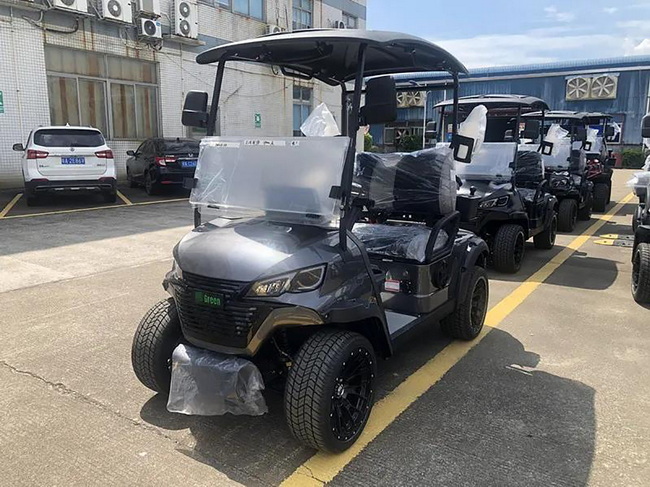
Where the electric golf cart spends the winter has a major impact on corrosion, moisture damage and battery health. A dry, sheltered space is best for all types of electric golf cart, from compact golf course models to larger utility or hunting vehicles.[5][1]
- Ideally, place the electric golf cart in a garage, shed or covered facility away from snow, freezing rain and direct sunlight.[5]
- If outdoor storage is unavoidable, park the electric golf cart on paved ground rather than grass to reduce rising ground moisture.[10]
- Ensure good airflow around the electric golf cart to prevent condensation buildup that can lead to mold and electronic issues.[2]
Even basic improvements such as adding vents or using dehumidifiers in a storage room can make a big difference to the electric golf cart condition after winter.[5]
A well‑designed cover shields the electric golf cart from dust, debris, UV and precipitation while still allowing moisture to escape. Simple tarps often trap water and can promote corrosion on an electric golf cart during winter.[10][5]
- Use a breathable, weather‑resistant cover specifically sized for your electric golf cart model to protect it from rain, snow and ice.[5]
- Secure the cover so wind cannot rub it against the bodywork of the electric golf cart and wear away paint or clearcoat.[2]
- Periodically inspect the cover and the electric golf cart during winter, especially after heavy storms, to ensure no water pockets or leaks form.[2]
This combination of shelter and ventilation gives the electric golf cart the best chance of emerging from storage looking and performing like new.[1]
Large fleets of electric golf cart units in golf courses, resorts and communities need organized winter routines to avoid downtime when the season reopens. Standardization also helps staff handle dozens or hundreds of vehicles efficiently and consistently.[1][2]
- Create a written winter checklist for every electric golf cart, covering cleaning, battery status, lubrication and storage location.[1]
- Assign ID tags and parking rows so each electric golf cart can be inspected and reactivated systematically in spring.[2]
- Record battery test results and maintenance dates for every electric golf cart so managers can track performance over several seasons.[6]
Short internal training videos that walk through the process with one electric golf cart can help new employees quickly learn the correct procedures.[4]
Electric golf cart models used off‑road in hunting, agriculture or industrial support face extra mud, water and impacts compared to standard course vehicles. These vehicles need more thorough cleaning and inspection before winter storage to avoid hidden damage.[2][1]
- Pay special attention to the underside of the electric golf cart, where mud, leaves and debris can trap moisture and hide corrosion.[1]
- Check suspension, racks and hitches on the electric golf cart for bent parts or fatigue after heavy‑duty use.[2]
- For lifted or accessorized electric golf cart builds, verify that aftermarket wiring, lights and winches are sealed and secured for winter.[5]
Proper winter care ensures that a working electric golf cart, used for hunting or hauling, will still deliver strong torque and reliability when it returns to trails or job sites.[1]
Working around high‑capacity batteries in an electric golf cart requires basic safety measures to avoid short circuits, sparks or chemical exposure. Following a few precautions protects both the electric golf cart and the person performing maintenance.[6][3]
- Always switch off the electric golf cart, remove the key and set the selector to tow or maintenance mode before working on the battery pack.[9]
- Wear eye protection and gloves when handling flooded batteries in an electric golf cart to guard against accidental splashes of electrolyte.[3]
- Avoid using metal jewelry or tools around exposed terminals on the electric golf cart to reduce the risk of accidental shorting.[3]
These simple steps make home maintenance and fleet servicing safer for anyone preparing an electric golf cart for winter.[6]
Ventilation is important when charging and storing batteries on an electric golf cart, especially with older lead‑acid technologies that can release gas. Good planning reduces any risk of fumes accumulating near ignition sources around the electric golf cart.[3][2]
- Store and charge the electric golf cart in a well‑ventilated area, keeping sparks, open flames and heaters away from the battery compartment.[3]
- Ensure outlets, cords and charging equipment used with the electric golf cart are in good condition and rated for the load.[2]
- Keep a suitable fire extinguisher nearby in larger facilities where many electric golf cart units are stored and serviced.[2]
By combining safe charging practices with regular inspections, owners and operators can protect every electric golf cart and the building where it is stored.[3]
When winter ends, a careful reactivation routine ensures the electric golf cart returns to service smoothly and safely. A few checks at this stage can reveal any issues that developed during storage and prevent mid‑season breakdowns.[1][2]
- Remove the cover and visually inspect the electric golf cart body, tires and undercarriage for damage, pests or leaks.[5]
- Reconnect the battery cables, check all terminals on the electric golf cart, and perform a full charge with the correct charger.[3]
- Test lights, horn, brakes and steering at low speed first, ensuring the electric golf cart responds properly before returning to full‑speed driving.[2]
If a fleet is involved, using a standardized checklist helps staff bring each electric golf cart back into circulation in a controlled and efficient way.[1]
The first few outings of the electric golf cart after winter provide an opportunity to confirm that the vehicle is operating at peak efficiency. Monitoring performance carefully can alert you to small problems before they become major repairs.[6][2]
- Note any unusual noises, reduced range or sluggish acceleration from the electric golf cart and schedule inspection if needed.[2]
- Verify that charging time and distance per charge for the electric golf cart are similar to pre‑winter figures; large changes may indicate battery issues.[6]
- Check that brakes on the electric golf cart engage smoothly and do not drag or pull to one side after months of inactivity.[2]
These simple checks ensure that the electric golf cart delivers reliable, comfortable transportation and work support throughout the new season.[1]
As a professional manufacturer of electric golf cart vehicles and related automotive components, BorCart supplies OEM services for overseas brands, wholesalers and manufacturers in many markets. Product lines include electric golf cart models, sightseeing buses, low‑speed vehicles, hunting carts and multi‑purpose vehicles built for diverse applications and environments.[1][2]
- OEM partners can configure electric golf cart designs with battery systems, body styles and accessories tailored to local climate and storage conditions.
- Technical documentation can include customized winter care guides so each electric golf cart sold under your brand is easy for end users to maintain.
- High‑quality components and robust frames help every BorCart electric golf cart withstand seasonal temperature changes and long storage periods with minimal degradation.
By combining durable hardware with clear maintenance guidance, BorCart supports partners in delivering electric golf cart products that stay dependable year after year.
Winterizing an electric golf cart is not complicated, but it must be systematic: clean thoroughly, stabilize and protect the batteries, lubricate moving parts, and store the vehicle in a dry, ventilated environment under a breathable cover. With a clear checklist for cleaning, battery care, storage location and spring reactivation, your electric golf cart will survive cold months without damage, deliver full performance in spring, and provide a longer service life for personal owners, commercial fleets and OEM partners.[5][3]
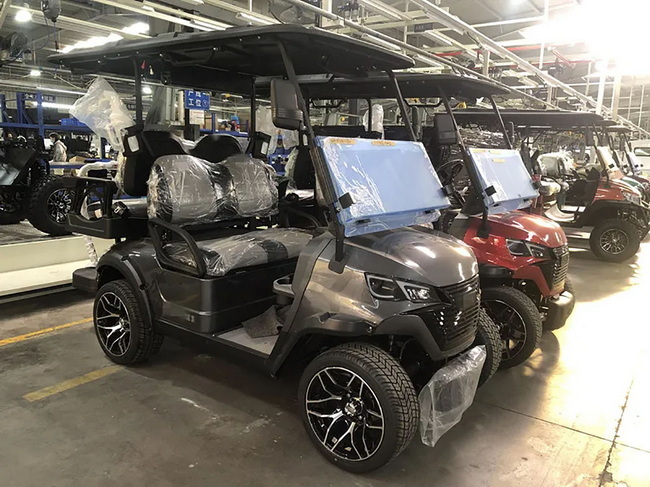
In most cases, an electric golf cart should not remain plugged into a basic charger all winter because continuous charging can overcharge and damage batteries. Instead, fully charge the electric golf cart, disconnect the charger, and check voltage every month or two, recharging only when needed or using a smart maintainer designed for long‑term storage.[8][2]
An electric golf cart can be stored outside, but it is not ideal because snow, rain and ice increase the risk of rust, corrosion and water damage. If outdoor storage is the only option, park the electric golf cart on a hard surface, use a durable weather‑resistant cover, and choose the most sheltered location available.[10][5]
During storage, check the charge status of electric golf cart batteries about every 4–8 weeks to avoid deep discharge. If voltage drops below the recommended level, recharge the electric golf cart pack to the target range for your battery type, avoiding both full depletion and long periods at 100% charge.[6][3]
Lithium batteries on an electric golf cart prefer storage around 50–80% charge instead of fully charged, and they tolerate cold differently from lead‑acid packs. Keep the electric golf cart pack above freezing where possible, avoid charging in sub‑zero conditions unless the battery has a heater, and follow the battery manufacturer's specific storage guidelines.[6][3]
The ideal environment for an electric golf cart is cool, dry and sheltered, avoiding both freezing and excessive heat. Typical recommendations are roughly cool room temperature for AGM batteries and slightly above freezing to room temperature for lithium packs, so a standard enclosed garage works well for most electric golf cart owners.[3][2]
[1](https://evtitan.com/how-to-winterize-and-store-your-electric-golf-cart/)
[2](https://golfcarts.com/how-to-winterize-and-store-your-golf-cart/)
[3](https://www.kandiamerica.com/how-to-maintain-golf-cart-batteries-in-winter/)
[4](https://www.youtube.com/watch?v=jBMWtgosT_E)
[5](https://longramps.com/blogs/longramps-outdoor-blog/golf-cart-winter-storage-tips)
[6](https://bslbatt.com/blogs/how-to-winterize-electric-golf-cart-batteries-complete-guide/)
[7](https://www.youtube.com/watch?v=x8JQdwKoZMM)
[8](https://www.reddit.com/r/golfcarts/comments/1cyz1ni/how_do_you_prevent_your_golf_cart_batteries_from/)
[9](https://www.reddit.com/r/golfcarts/comments/181fmmn/winterizing_golf_cart_question/)
[10](https://cartaholics.com/threads/winter-storage-options.3709/)


