


Views: 222 Author: Leah Publish Time: 2026-01-14 Origin: Site


Content Menu
● Typical Used Golf Buggy Price Ranges
● Key Factors That Change Used Golf Buggy Prices
>> Brand, model, and parts ecosystem
>> Power type: gas vs electric
>> Condition, maintenance, and storage
>> Configuration, options, and upgrades
● Gas vs Electric Used Golf Buggy Costs
● How Depreciation Works for a Used Golf Buggy
● Practical Buying Checklist for a Used Golf Buggy
● Where to Find Good Deals on a Used Golf Buggy
● How to Use Visuals and Video When Shopping
● FAQ About Used Golf Buggy Prices
>> 1. How much does a basic used golf buggy cost?
>> 2. Is a used electric golf buggy cheaper to own than a gas model?
>> 3. How long does a golf buggy hold its value?
>> 4. What should be checked before buying a used golf buggy?
>> 5. Is it better to buy a used golf buggy or order new OEM units?
A used golf buggy represents one of the most flexible and cost‑effective ways to move people and cargo on golf courses, resorts, campuses, and residential communities. A realistic price range runs from the low thousands for basic older vehicles to well above ten thousand for premium or specialized models, and understanding the factors behind these numbers is essential for buyers planning a long‑term investment. A clear grasp of age, configuration, batteries or engine condition, and brand reputation allows buyers and fleet operators to budget accurately, negotiate with confidence, and choose the right golf buggy for their usage scenario.[1][2][3][4][5]
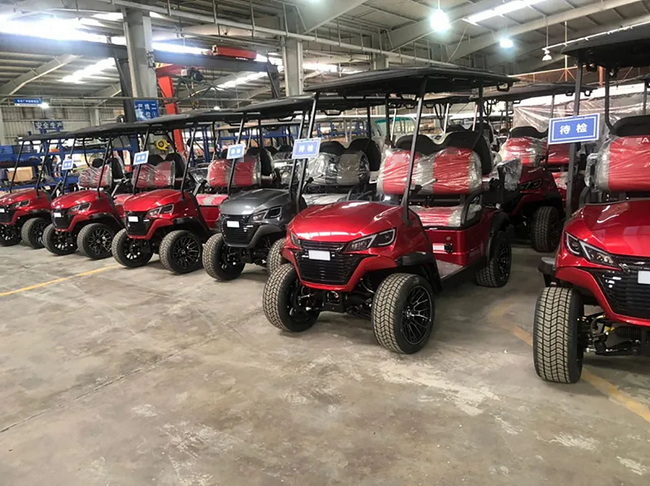
Used golf buggy prices vary across regions, but market listings show fairly consistent bands that help buyers anchor expectations. At the lower end, older 2‑seat vehicles with basic equipment often appear in the 1,500–3,500 range, especially when cosmetic wear or aging batteries are present. Newer mid‑range examples with better batteries, 4‑seat layouts, or useful accessories frequently sell between 3,500 and 7,000, while high‑end golf buggy configurations such as multi‑row shuttles, lifted models, or luxury trims can reach 7,000–15,000 or more.[4][6][7][8][9]
For many buyers, the perceived “bargain zone” sits where a golf buggy has already absorbed the steepest early depreciation but still offers modern performance and features. This window often corresponds to about three to five years of age, where the purchase price has dropped significantly from new yet the golf buggy has many seasons of life remaining. Dealers sometimes discount ex‑demonstration or ex‑rental units within this age range, providing extra value for customers willing to accept minor cosmetic wear in exchange for better pricing on a well‑maintained golf buggy.[2][3][6][7][8][9][4]
The same model of golf buggy can carry very different used prices depending on five core dimensions: age, brand, powertrain, condition, and configuration. These factors interact with local demand, climate, and intended use to create a wide spread in real‑world pricing. Understanding each dimension helps buyers avoid overpaying and sellers position their golf buggy competitively in the marketplace.[3][10][1][2][4]
Age is one of the most visible determinants of used golf buggy value, but hours and real usage matter just as much. Most vehicles lose value fastest in the first one to two years, with many sources suggesting 20–25% annual depreciation early on, before settling into a slower pattern of perhaps 10–15% per year through years three to five. After year six, depreciation tends to slow further, but maintenance needs often rise, so older low‑priced golf buggy units can still be expensive in practice if they need batteries, chargers, or engine work.[10][1][2][3][4]
Usage hours act as a rough “odometer” for a golf buggy and reveal whether a vehicle has spent its life in gentle resort service or hard commercial use. Low‑hour golf buggy units of the same age usually command a higher price because wear on components like the motor, controller, steering, and suspension is lower. Buyers comparing two five‑year‑old vehicles may find a meaningful price gap when one golf buggy shows light seasonal use and the other has run daily fleet duty on challenging terrain.[8][11][1]
Brand reputation influences how well a golf buggy holds value over time, much as it does in the passenger car market. Well‑known manufacturers with strong dealer networks, abundant spare parts, and proven durability often see their golf buggy products retain 50–70% of original value after five years when looked after properly. Lesser‑known names may cost less up front, but buyers sometimes discount those golf buggy models more aggressively in the second‑hand market due to concerns about parts availability or resale demand.[5][1][2][3]
Model‑specific characteristics also matter, including chassis design, weight capacity, and intended use. A compact 2‑seat golf buggy optimized only for course play will be priced differently from a utility‑focused model with a cargo bed or a stretched shuttle model carrying six to eight passengers. Where specialized demand exists—such as large resorts, industrial sites, or hunting operations—purpose‑built golf buggy variants that match those needs can command a healthy premium in the used market.[6][7][9][11][8]
The question of gas versus electric power significantly shapes the value profile of a used golf buggy, especially after several years of service. Gas vehicles often depreciate slightly more slowly because they avoid expensive battery packs, and some sources report that gas golf buggy models may retain around 45–50% of their original value after five years. Electric vehicles, in contrast, can drop to perhaps 30–35% of original value by that time if they still rely on aging lead‑acid batteries, which buyers expect to replace.[3][4]
However, when an electric golf buggy receives a new battery pack—particularly modern lithium units—the value picture changes dramatically. Replacing a worn set of batteries with fresh units can instantly add thousands to the market value of the golf buggy, reflecting the long service life and low maintenance needs of these components. For fleets and high‑utilization environments, this means an electric golf buggy with documented battery upgrades can be as attractive, or more so, than a comparable gas vehicle because operating costs and noise levels are reduced.[1][2][4][10][3]
Condition sits at the heart of any used golf buggy valuation and often matters more than age alone. A well‑maintained, clean vehicle with straight panels, strong paint, and intact upholstery can sell quickly even if it is somewhat older than competing listings. Buyers should pay close attention to the underside and frame of the golf buggy, where corrosion or cracking can signal structural problems that are expensive or impossible to remedy economically.[11][4][8][1]
Maintenance records add confidence about how carefully the previous owner treated the golf buggy. Regular inspections, timely lubrication, and battery care all extend service life and help the vehicle track closer to the higher end of typical resale ranges. Storage conditions matter as well, because golf buggy units kept indoors or under cover tend to suffer less fading, cracking plastics, and corrosion than those left outside in harsh climates.[5][8][1][3]
The way a golf buggy is configured at the factory and modified in service has a direct impact on used pricing. Key configuration factors include number of seats, type of roof or canopy, presence of windshields, and whether the vehicle carries a cargo bed or towing attachments. A 4‑seat or 6‑seat golf buggy that can transport guests, staff, or family members tends to be more versatile than a 2‑seat cart and often justifies a higher price.[7][9][6][8][11]
Upgrades and accessories can boost or reduce value depending on quality and relevance to typical buyers. Items such as weather enclosures, lighting packages, comfortable seating, and high‑quality tires normally enhance the appeal of a golf buggy and can push a listing toward the upper end of its price band. On the other hand, heavily customized or extreme modifications that limit the golf buggy to very niche uses may shrink the pool of interested buyers and reduce overall resale value.[6][7][8][11][1][3]
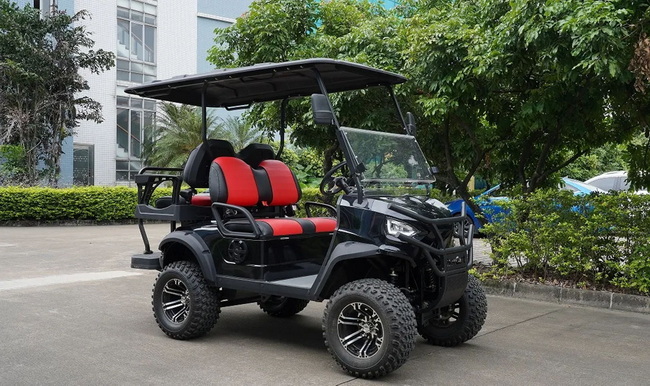
Comparing gas and electric versions helps buyers align golf buggy choices with their operating environment, running cost expectations, and maintenance capabilities. Although purchase prices sometimes overlap, the total cost of ownership and typical depreciation paths differ in predictable ways, making it important to consider the long‑term picture, not just the initial price tag.[2][4][10][1][3]
Gas‑powered golf buggy units appeal to buyers who need extended range, faster refueling, and consistent performance over varied terrain. Because there is no large traction battery to replace, used prices can stay firmer for older units whose engines are still in good condition, and annual depreciation often hovers around 10–12% after the steep early years. Routine servicing—oil changes, filters, belts, and spark plugs—adds ongoing costs, but parts and skills are widely available in many regions, keeping the golf buggy practical for remote or industrial sites.[4][1][3]
Electric versions, by contrast, have fundamentally different cost structures. They usually offer lower daily running costs, quieter operation, and fewer moving parts, which makes an electric golf buggy attractive for resorts, communities, and indoor or noise‑sensitive spaces. However, lead‑acid batteries generally require replacement every few years, and the cost of a full set can be significant, so buyers must factor this into their evaluation of a used golf buggy even when the sticker price appears low.[10][1][2][3][4]
The emergence of lithium‑ion battery options has shifted the balance. A golf buggy equipped with modern lithium packs can deliver longer life, faster charging, and more consistent performance, improving both user experience and retained value. When these upgrades are documented, a used electric golf buggy may achieve resale percentages comparable to or better than gas models, especially in markets that value low emissions and quiet operation.[2][3][5]
Depreciation is a convenient framework for understanding why two seemingly similar golf buggy units might have very different prices. As a rule, values fall fastest at the start of the ownership cycle and then flatten as a vehicle ages, but the exact curve depends on maintenance, usage, and technology.[1][3][4][5][2]
In the early phase—typically years one and two—a new golf buggy may lose 20–30% of its value as it transitions from “new” to “used,” even with relatively low hours. By around three to five years, many sources indicate that a well‑cared‑for golf buggy can still retain 50–70% of its original price, especially when brand reputation is strong and major components are in healthy condition. This mid‑life period is often where buyers find the best balance of cost and remaining life, while sellers can still realize solid residuals on each golf buggy.[3][4][5][2]
Beyond around five years, the depreciation curve becomes more sensitive to individual history. A carefully serviced golf buggy kept indoors can remain attractive for many more seasons, whereas a neglected unit may effectively be worth only its parts. Battery age, in particular, heavily influences the value of older electric golf buggy units, and a documented replacement with quality components can dramatically reshape the depreciation profile.[4][10][1][3]
A structured checklist allows buyers to evaluate any used golf buggy consistently and avoid the common pitfalls that lead to unexpected repair bills. While detailed technical inspections are ideal, even a basic systematic review reveals key strengths and weaknesses in minutes.[8][11][10][1][4]
First, examine the powertrain of the golf buggy. For electric models, inspect the batteries closely, looking for corrosion, swelling, leakage, or mismatched replacement cells, and ask for age and maintenance records. For gas units, listen to the engine at cold start and under load, check for smoke or unusual noises, and inspect for oil leaks around the engine and transmission of the golf buggy.[11][10][1][4]
Next, assess the chassis and structural integrity. Look underneath the golf buggy for rust on the frame, suspension mounting points, and steering components, paying particular attention in coastal or humid regions where corrosion is more common. Body panels, roofs, windshields, and seats should be checked for cracks and damage, as replacing these parts of a golf buggy can quickly consume any savings achieved on the purchase price.[8][11][4]
Then, test the controls and safety features thoroughly. Steering should feel responsive and steady, brakes should operate smoothly without pulling to one side, and the parking brake must hold the golf buggy on an incline. Lights, indicators, horns, and other accessories should function correctly, especially when the golf buggy is intended for use in resorts, gated communities, or low‑speed public environments where safety compliance matters.[9][11][1][8]
Finally, review documentation and support options. Ask for service history, manuals, and any remaining warranty coverage, and confirm the identity of the seller and any liens or registrations associated with the golf buggy. When buying in volume or planning long‑term operation, consider partnering with a manufacturer or OEM supplier that can provide standardized configurations, spare parts, and technical advice across the whole golf buggy fleet.[12][9][1][4][8]
The search for a used golf buggy increasingly spans local, regional, and international channels, each with its own advantages and trade‑offs. Buyers who understand these channels can compare opportunities and decide whether convenience, price, or customization matters most.[7][9][12][6][4][8]
Local dealers and distributors remain a popular starting point. They often stock refurbished or ex‑fleet golf buggy units that have already received mechanical inspections, cosmetic refreshes, and basic reconditioning. While dealer pricing is usually higher than private sales, the added security, after‑sales support, and warranty coverage can justify paying more for each golf buggy, especially for commercial users.[9][6][7][4][8]
Online marketplaces and auctions greatly expand choice and can reveal attractive bargains, particularly for buyers willing to travel or arrange transport. Listings typically include detailed descriptions and multiple photos of the golf buggy, allowing preliminary evaluation from a distance. By comparing similar golf buggy models across platforms, buyers can build a realistic view of current market pricing and spot overpriced or under‑described vehicles quickly.[13][12][6][7][9][11][4]
For brand owners, wholesalers, and fleet operators, direct cooperation with manufacturers and OEM specialists opens another path. These partners can supply new, refurbished, or nearly new golf buggy units tailored to specific branding and performance requirements, from golf course fleets to hunting and utility vehicles. By consolidating sourcing, specifications, and after‑sales systems, professional buyers can build consistent and efficient golf buggy fleets at competitive life‑cycle costs.[12][9]
Even though this article does not embed graphics, visual evaluation remains fundamental to buying any used golf buggy with confidence. Still images allow close inspection of details that might be overlooked in person, while dynamic clips reveal how the vehicle behaves in motion and under load.[6][7][9][11][8]
Buyers should ask sellers for comprehensive photo sets that cover all critical angles of the golf buggy. Useful views include front, rear, both sides, dashboard, seats, under‑seat areas, battery compartments, frame sections, suspension components, and any cargo or passenger modules. Consistent lighting, close‑ups of potential defects, and shots taken from low angles all help reveal the true condition of the golf buggy before arranging a visit or transport.[7][9][11][6][8]
Short walk‑around and test‑drive videos add another layer of clarity. A good clip shows the golf buggy starting from cold, accelerating smoothly, braking without noise or instability, and driving over small bumps or inclines to test suspension and power delivery. For larger orders or international purchases, factory or yard videos recorded by manufacturers and dealers can demonstrate build quality and consistency across an entire golf buggy batch, strengthening trust between buyer and supplier.[11][12][6][7][8]
A used golf buggy can be an excellent value, offering flexible low‑speed transportation at a fraction of the cost of new vehicles, provided that buyers understand how prices are formed. Realistic market ranges extend from relatively inexpensive older models to premium multi‑row, utility, or street‑focused versions, and factors such as age, hours, brand, power type, and maintenance history all push a given golf buggy higher or lower within those bands. By evaluating powertrain health, structural integrity, configuration, documentation, and visual evidence carefully, and by choosing the right sourcing channel, both private users and professional operators can secure dependable golf buggy units that deliver low running costs and strong service life over many seasons.[5][9][10][1][2][3][4][6][7][8][11]
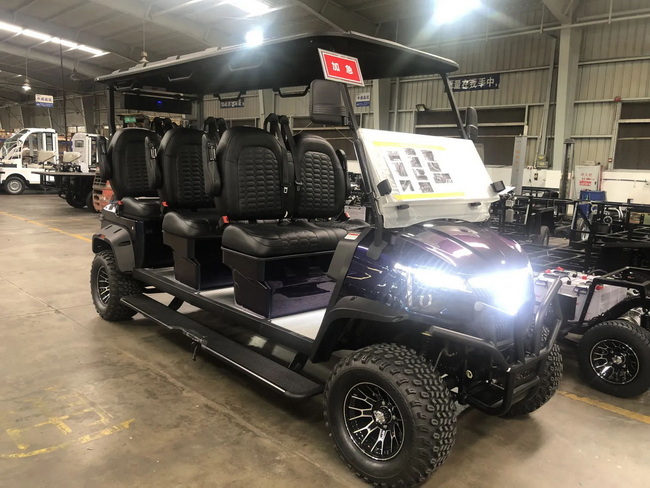
A basic 2‑seat used golf buggy from a mainstream manufacturer typically sells in the 1,500–3,500 range in many markets, depending mainly on age, hours, and cosmetic condition. Buyers should remember that a very low asking price may mean the golf buggy needs immediate work on batteries, tires, or mechanical components, which can quickly narrow the apparent saving.[10][1][4][6][7][8]
Day‑to‑day running costs for an electric golf buggy are usually lower because electricity is cheaper than fuel and electric drivetrains have fewer moving parts to maintain. However, batteries eventually require replacement, so owners must plan for this periodic expense, while gas golf buggy models avoid traction batteries but generate ongoing fuel and engine service costs instead.[1][2][3][4][10]
With proper care, a good‑quality golf buggy can retain around 50–70% of its original value after roughly five years, especially when equipped with modern battery technology and protected from harsh weather. Neglect, structural rust, or failing batteries will accelerate depreciation, so a poorly maintained golf buggy of the same age may be worth far less.[2][3][4][5][10][1]
Before purchasing, buyers should inspect the golf buggy frame, suspension, steering, and brakes, along with the condition of tires, seats, and body panels. Powertrain checks—battery tests for electric units or engine evaluation for gas models—are equally important, and a review of service history and storage conditions helps confirm that the golf buggy has been cared for correctly.[4][8][10][11][1]
For individual users, a carefully chosen used golf buggy often offers the best balance of cost and utility, especially in the three‑to‑five‑year age window where depreciation has slowed. For resorts, campuses, or distributors, combining selectively purchased used golf buggy units with new OEM‑built vehicles can unify branding and technology while still keeping overall investment and operating costs under control.[9][12][3][8][4]
[1](https://evtitan.com/golf-cart-depreciation-what-owners-need-to-know/)
[2](https://luxeelectriccar.com/do-golf-carts-hold-their-value/)
[3](https://www.redway-tech.com/do-golf-carts-hold-their-value/)
[4](https://carts-and-parts.com/how-much-does-a-used-golf-cart/)
[5](https://fairwaygolfservices.com/do-golf-carts-hold-their-value/)
[6](https://www.usedgolfbuggies.co.uk/used-secondhand-golf-buggies-for-sale.html)
[7](https://cartsnparts.com.au/product-category/used-golf-carts/)
[8](https://mygolfbuggy.com/vehicles/condition/used/index.php)
[9](https://www.golfcaruk.com/listings/)
[10](https://www.mccoycustomcarts.com/blog-golf-carts-new-vs-used-golf-carts-investment-decision)
[11](https://thecartfinder.com/2025/04/17/what-to-look-for-when-buying-a-used-golf-cart/)
[12](https://www.alibaba.com/showroom/used-golf-buggy.html)
[13](https://darmizananak.com/?m=11772600091000)


