


Views: 222 Author: Leah Publish Time: 2026-01-29 Origin: Site


Content Menu
● Typical Cost Range for Club Car Golf Car Batteries
● Lead‑Acid vs Lithium: Price Breakdown for a Club Car Golf Car
>> Lead‑Acid Battery Cost for Club Car Golf Cars
>> Lithium Battery Cost for Club Car Golf Cars
● What Affects Club Car Golf Car Battery Prices?
>> Battery Chemistry and Capacity
>> Voltage System and Configuration
>> Brand, Warranty, and Certification
>> Labor, Installation, and Conversion Costs
● Example Cost Scenarios for a Club Car Golf Car
>> Scenario 1: Standard Lead‑Acid Replacement
>> Scenario 2: Lithium Upgrade for a Single Club Car Golf Car
>> Scenario 3: OEM Fleet Order with Factory‑Direct Lithium
● How to Reduce Battery Costs for Club Car Golf Cars
>> Choose the Right Chemistry for Your Use Case
>> Focus on Lifespan and Total Cost of Ownership
>> Work with OEM Partners for Better Pricing
● Practical Buying Tips for Club Car Golf Car Owners
● Maintenance Tips to Extend Battery Life
● FAQ
>> 1. How much does it cost to replace batteries in a Club Car golf car?
>> 2. Are lithium batteries worth it for a Club Car golf car?
>> 3. How long do Club Car golf car batteries last?
>> 4. Can I replace Club Car golf car batteries myself?
>> 5. How can OEM buyers lower battery costs on Club Car‑style golf cars?
Batteries are the most expensive maintenance item on a Club Car golf car, and a full replacement can range from a few hundred to several thousand dollars depending on whether you choose traditional lead‑acid or modern lithium packs. For brands, wholesalers, and OEM buyers working with a Chinese manufacturer like BorCart, understanding this cost structure is essential to designing competitive Club Car‑style golf car models for global markets.
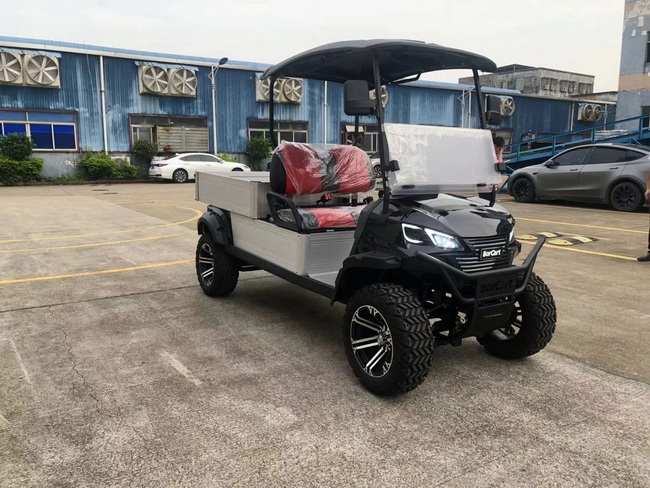
For most Club Car golf car owners, a complete battery change will usually fall somewhere between 600 and 4,000 USD, including parts and basic labor. The exact amount depends on battery chemistry, voltage system, capacity, brand, and whether you are upgrading to lithium or staying with lead‑acid.
- Overall replacement range (parts + labor): about 400–4,000 USD for a golf car, from basic lead‑acid to premium lithium systems.
- Lead‑acid packs (Club Car‑style 36V/48V fleets): roughly 600–1,600 USD for batteries, plus 50–200 USD installation.
- Lithium packs (modern Club Car conversions): roughly 1,500–4,000 USD including battery, charger upgrade, and labor.
For OEM clients specifying large fleets of Club Car‑type golf car vehicles from BorCart, factory‑direct lithium systems can reduce per‑unit costs compared with premium aftermarket brands while still meeting performance targets.
Most legacy Club Car golf car fleets were built around flooded lead‑acid batteries, but lithium retrofits are increasingly common in golf courses, resorts, and gated communities. When planning procurement or replacement, you should compare both the upfront price and long‑term total cost of ownership for your golf car project.
Lead‑acid remains the entry‑level option for a Club Car golf car, especially for standard 36V or 48V setups in golf course fleets.
- Unit cost: about 100–200 USD per flooded lead‑acid battery, depending on brand and capacity.
- Complete pack (6–8 batteries): about 600–1,600 USD for a typical Club Car golf car pack.
- AGM (sealed lead‑acid) options: usually 150–250 USD per battery, with total packs often around 800–1,400 USD.
- Installation: 50–200 USD per golf car for professional replacement in most markets.
Lead‑acid is attractive for budget‑sensitive buyers and for OEM golf car fleets that emphasize low purchase price over maximum lifespan, but it brings higher maintenance and more frequent replacement cycles.
Lithium packs for a Club Car golf car cost much more upfront but last significantly longer and cut maintenance costs to near zero.
- Typical 48V lithium pack price: about 1,500–3,500 USD for mainstream brands.
- Popular 48V 100–105Ah packs: often 1,600–3,800 USD retail, depending on brand, capacity, and warranty.
- Premium 48V 150Ah+ packs: frequently 4,000–6,000 USD+ in high‑end U.S. and European markets.
- Factory‑direct / OEM lithium packs: some 48V 105Ah systems can be sourced around 1,100–1,300 USD at bulk factory prices.
- Conversion extras (charger, wiring, brackets): about 300–800 USD for a full lithium upgrade on a Club Car golf car.
For brands and wholesalers sourcing Club Car‑style golf car vehicles from BorCart, specifying OEM lithium systems at the factory stage can deliver a better balance of performance, warranty, and cost than piecemeal aftermarket upgrades.
The final invoice for a Club Car golf car battery replacement always reflects more than just the pack itself; several technical and market factors influence the bill. Understanding these drivers helps you choose the best configuration for both end‑users and your own golf car business model.
Battery chemistry is the single biggest cost driver for a Club Car golf car.
- Lead‑acid (flooded): lowest upfront cost, around 300–500 cycles, frequent maintenance, typical packs around 600–1,200 USD.
- AGM/sealed lead‑acid: mid‑range pricing, 4–6 year lifespan, packs often 800–2,800 USD depending on size and brand.
- Lithium (LiFePO₄): highest initial cost (1,500–4,000+ USD) but 3,000–6,000+ cycles and minimal maintenance.
Within each chemistry, higher amp‑hour capacity (for longer range) raises the price of a Club Car golf car battery pack. Larger packs give your golf car more driving range but also add weight and cost.
The Club Car golf car market uses different voltage systems, and this affects both pack design and pricing.
- 36V Club Car‑style setups: usually 6 × 6V or 3 × 12V lead‑acid batteries; total cost on the lower end of the 600–1,200 USD range.
- 48V systems: standard for many modern Club Car golf car models; packs typically cost slightly more but deliver better torque and speed.
- 72V performance systems: less common but growing in high‑performance golf car applications; lithium packs and controllers significantly increase total cost.
For OEM orders, BorCart can configure 36V, 48V, or 72V Club Car‑style golf car platforms to match local regulations and terrain requirements, which indirectly affects total battery cost per vehicle.
Brand reputation strongly influences the retail price of a Club Car golf car battery pack.
- Premium brands with recognized safety certifications, Bluetooth monitoring, and long warranties typically charge more for comparable capacity.
- Longer warranties (5–7 years) and documented cycle life increase upfront price but reduce lifetime risk.
- Factory‑direct OEM golf car battery suppliers can offer noticeable savings versus premium retail brands, especially on fleet orders.
When BorCart supplies complete golf car vehicles, integrating factory‑approved lithium systems ensures compatibility, consolidated warranty, and clean documentation for overseas distributors.
Labor costs for a Club Car golf car battery change vary by region and by complexity of the job.
- Standard lead‑acid swap: typically 75–200 USD in many regions and higher in dense urban areas.
- Lithium conversions: often 100–300 USD for installation plus 200–600 USD for required wiring and controller adjustments.
- DIY installations: save labor cost but require careful handling and technical knowledge, especially on lithium golf car systems.
For fleet buyers importing Club Car‑style golf car units from BorCart, receiving vehicles with batteries pre‑installed at the factory avoids repeated labor costs in each local market and simplifies deployment.
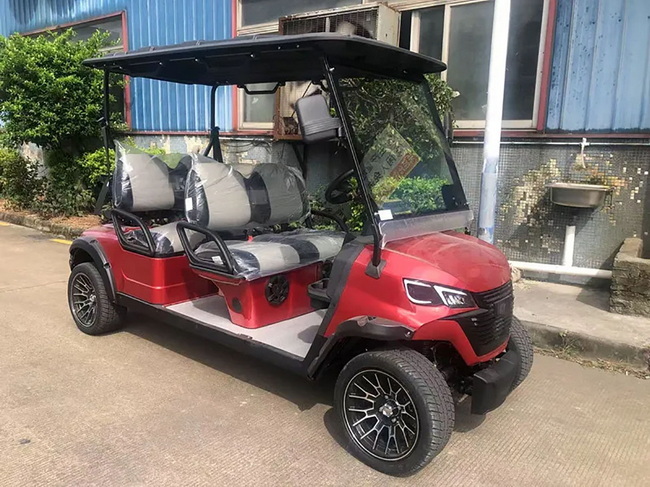
These example scenarios illustrate typical price levels for different kinds of Club Car golf car users and OEM buyers. They can be useful when you plan a budget for a golf car project or for content marketing around pricing.
A golf club operates a small fleet of older 48V Club Car golf car vehicles originally built with flooded lead‑acid packs.
- Pack: six 8V flooded lead‑acid batteries at about 120–160 USD each.
- Total battery cost: roughly 720–960 USD per golf car.
- Installation: 100–200 USD per vehicle.
- Total: about 820–1,160 USD per Club Car golf car for a standard replacement cycle.
In this scenario, the golf club minimizes upfront cost but must plan for more frequent replacements and routine maintenance on each golf car.
A residential customer wants to upgrade a 48V Club Car golf car to lithium for lower maintenance and more range.
- 48V 100Ah lithium pack: around 2,000–3,000 USD for a mid‑range brand.
- Lithium charger and accessories: 300–600 USD.
- Installation: 100–300 USD.
- Total: typically 2,400–3,900 USD for a full conversion of one Club Car golf car.
Here the customer pays significantly more at the beginning but enjoys faster charging, lighter weight, and less downtime over the life of the golf car.
A foreign brand orders 200 Club Car‑style golf car units from a Chinese factory like BorCart, each configured with a 48V 105Ah lithium pack.
- Factory‑direct 48V 105Ah pack: approximately 1,100–1,300 USD per golf car at OEM volume.
- No local installation fee: the battery ships already installed in the golf car.
- Total battery cost: 220,000–260,000 USD for the fleet, often noticeably lower than using premium retail brands purchased locally.
By integrating the battery at the production stage, OEM buyers can optimize the total cost of their Club Car‑style golf car portfolio while offering higher‑end lithium performance to end users.
Whether you manage a fleet or buy a single Club Car golf car, strategic choices can significantly reduce battery expenses over time. Looking beyond the sticker price and focusing on lifecycle cost is key.
Not every Club Car golf car needs a high‑end lithium pack; the best choice depends on usage intensity, climate, and budget.
- Occasional use, low mileage: flooded lead‑acid may remain the most cost‑effective, especially for small golf car fleets on private property.
- Daily fleet use or rental operations: lithium's longer lifespan and quick charging often cut long‑term cost per mile and reduce downtime.
- OEM branding and resale value: lithium configurations can help position your golf car as a premium solution in competitive markets.
If you serve different customer segments, you can offer both lead‑acid and lithium versions of the same Club Car‑style golf car model at different price points.
A low purchase price does not always mean a cheap golf car over its full life.
- Lead‑acid packs may need replacement every 3–5 years, potentially totaling several thousand dollars over 10–12 years for an active golf car.
- A quality lithium pack can last 8–10 years with less capacity loss, often saving a large portion of long‑term energy and maintenance costs.
- Less maintenance and fewer failures mean less downtime for your Club Car golf car fleet and better user satisfaction.
By calculating cost per year or cost per mile, you often see that a lithium‑equipped golf car becomes cheaper than a lead‑acid golf car over a full ownership cycle.
For brands and wholesalers, partnering with a specialized golf car OEM like BorCart allows you to integrate the optimal battery platform from day one.
- Factory volume discounts on lithium golf car packs from qualified suppliers.
- Custom configurations (voltage, capacity, BMS settings) adapted to each target market and terrain.
- Unified warranty, documentation, and after‑sales support under your own brand for Club Car‑style golf car models.
This approach is especially valuable when launching new golf car product lines where you want a clear positioning on range, reliability, and lifetime cost.
Individual Club Car golf car owners also benefit from following a structured approach to battery replacement. A little research can prevent expensive mistakes and compatibility issues.
- Check your manual: confirm whether your golf car uses 36V or 48V and the recommended chemistries.
- Document your layout: before removing old batteries, take photos of cables and connections so you can reinstall correctly.
- Get multiple quotes: compare at least 2–3 local dealers and one online supplier for your Club Car golf car battery pack.
- Evaluate warranty: prefer options with clearly stated cycle life and at least 3–5 years of coverage.
- Consider the charger: make sure your existing charger is compatible, or budget for a new lithium‑ready unit.
Golf car fleets owned by commercial operators—resorts, campuses, and communities—should also track battery performance data to refine future purchasing decisions for their Club Car‑type vehicles.
Good maintenance habits significantly extend the lifespan of batteries in any Club Car golf car, reducing how often you face replacement costs. These tips apply to both lead‑acid and lithium packs, with some important differences.
- Regular charging: avoid deep discharges; recharge your golf car after each use instead of waiting until the pack is almost empty.
- Clean terminals: keep terminals free of corrosion and ensure all cable connections are tight.
- Proper storage: store your golf car in a cool, dry place and avoid leaving the pack completely discharged during long off‑season periods.
- For lead‑acid: check electrolyte levels where applicable and top up with distilled water according to manufacturer guidance.
- For lithium: follow recommended charge window (often avoiding prolonged 100% state of charge when not in use) and keep firmware or BMS settings up to date if applicable.
With correct care, a golf car battery pack performs more consistently, holds range better over time, and delays the need for another expensive replacement.
For a Club Car golf car, battery replacement cost typically ranges from 600–1,600 USD for lead‑acid packs to 1,500–4,000 USD or more for modern lithium systems, depending on capacity, brand, voltage, and installation complexity. Lead‑acid remains the lowest‑cost choice for light‑duty golf car use, while lithium offers longer lifespan, faster charging, and lower total cost of ownership for intensive fleets and premium Club Car‑style applications. By understanding how chemistry, voltage, brand, and labor affect pricing, both individual owners and professional buyers can make smarter, long‑term decisions for every golf car in their portfolio. For overseas brands and wholesalers, partnering with a dedicated OEM like BorCart allows you to integrate the right battery system into each Club Car‑type golf car model, balancing performance, cost, and market positioning from the start.
Contact us to get more information!
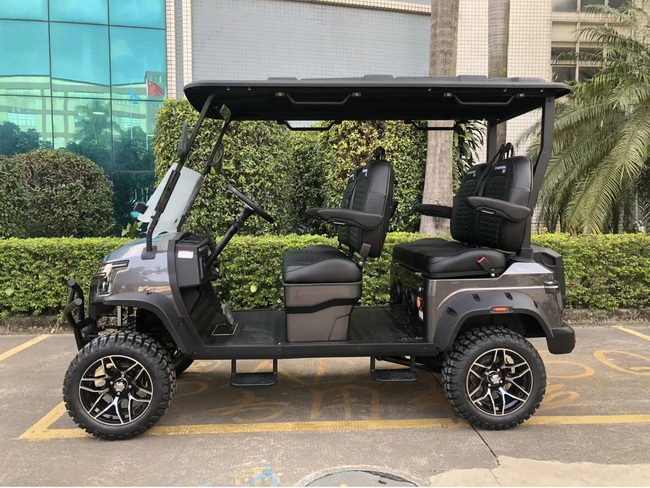
Replacing batteries in a Club Car golf car usually costs between 600 and 1,600 USD for a full lead‑acid pack, plus 50–200 USD in labor depending on local rates. If you choose a lithium upgrade, total costs often range from 1,500 to 4,000 USD including the pack, a compatible charger, accessories, and installation.
Lithium batteries cost more upfront for a Club Car golf car but offer a much longer cycle life, lower maintenance, and faster charging. For active fleets and owners who use their golf car frequently, the long‑term savings and performance benefits usually make lithium a worthwhile investment.
Flooded lead‑acid batteries in a Club Car golf car typically last around 3–5 years with proper charging and maintenance. Lithium packs can often provide 8–10 years of service, especially when they are correctly sized for the golf car and used within recommended temperature and charging limits.
Many experienced owners can replace lead‑acid batteries themselves on a Club Car golf car, provided they handle heavy packs safely and follow proper wiring diagrams. Lithium conversions involve higher voltages, battery management systems, and sometimes controller changes, so professional installation is usually recommended for these upgrades.
OEM buyers can reduce costs by sourcing Club Car‑style golf car vehicles directly from factories that integrate lead‑acid or lithium packs at production volumes. Working with a specialized manufacturer like BorCart enables better pricing on golf car batteries, tailored voltage and capacity options, and unified warranty support across entire fleets.
This article explains how much batteries cost for a Club Car golf car, comparing lead‑acid and lithium options, typical replacement ranges, cost drivers, example scenarios, maintenance tips, and OEM strategies for brands and fleet operators working with professional manufacturers like BorCart.
1. https://www.vatrerpower.com/blogs/news/how-much-does-it-cost-to-replace-batteries-in-a-club-car-golf-cart
2. https://www.vatrerpower.com/blogs/news/how-much-does-it-cost-to-replace-golf-cart-batteries
3. https://www.golf-energy.com/how-much-are-lithium-golf-cart-batteries-a-complete-2025-buyers-guide/
4. https://leochlithium.us/how-much-is-a-golf-cart-battery-a-detailed-cost-comparison-between-lead-acid-and-lithium-options/
5. https://www.olelonenergy.com/the-comprehensive-guide-to-golf-cart-battery-replacement-costs/
6. https://www.redodopower.com/blogs/learn-about-lithium/golf-cart-batteries-replacement-cost
7. https://boterocarts.com/lithium-vs-lead-acid-golf-cart-batteries-a-comprehensive-comparison/
8. https://www.evlithium.com/Blog/lithium-vs-lead-acid-golf-cart-batteries.html
9. https://www.basengolfbattery.com/
10. https://www.aliexpress.com/


