


Views: 222 Author: Leah Publish Time: 2026-01-21 Origin: Site


Content Menu
● Understanding Club Car Golf Car Charging Time
● Typical Charge Times by Battery Type
>> Lead‑acid Club Car golf car
● Key Factors That Change How Long You Charge
>> State of charge before plugging in
>> Temperature and environment
● How to Charge a Club Car Golf Car Correctly
● Safety Tips When Charging a Club Car Golf Car
>> Ventilation and fire safety
>> Battery maintenance for lead‑acid packs
● How Often Should You Charge a Club Car Golf Car?
● Recommended Charging Practices for Fleet Operators
● Common Charging Mistakes to Avoid
>> Letting the golf car sit discharged
● Lead‑Acid vs Lithium in Your Club Car Golf Car
>> Lead‑acid advantages and trade‑offs
>> Lithium advantages and trade‑offs
● FAQ About Charging a Club Car Golf Car
>> 1. How long does it take to charge a Club Car golf car from empty?
>> 2. Can you leave a Club Car golf car plugged in overnight?
>> 3. How do you know when a Club Car golf car is fully charged?
>> 4. Is it bad to partially charge a Club Car golf car?
>> 5. How often should you charge a Club Car golf car if you don't use it every day?
A typical Club Car golf car with traditional lead‑acid batteries needs about 8–12 hours to reach a full charge from a deeply discharged state, while lithium‑powered Club Car golf cars often recharge in roughly 2–3 hours under similar conditions. Actual time varies with battery age, charger output, temperature, and how far the pack was discharged before charging.

Club Car golf cars are engineered to work with automatic smart chargers that manage several charging stages—bulk, absorption, and finishing—to protect the battery pack. Because the charger slows down near the end of the cycle, a Club Car golf car may take longer to complete the last 10–20% of charge than the first 50–60%.
For a standard lead‑acid Club Car golf car, fully recharging from a low state of charge normally takes 8–12 hours and can stretch close to 14 hours if the batteries are heavily depleted or older. A lithium‑powered Club Car golf car usually reaches full charge in about 1–3 hours when paired with a compatible charger.
Many owners use overnight charging: plug in the Club Car golf car after the last use of the day and unplug it the next morning. This habit keeps the Club Car golf car ready for daily golf, resort shuttle use, or multi‑purpose work without constantly monitoring the charger.
Different battery chemistries significantly change how long a Club Car golf car must stay on the charger. Most legacy Club Car golf cars still use flooded lead‑acid packs, but more fleets and private users are upgrading to lithium to shorten charge times and extend service life.
- A fully depleted lead‑acid Club Car golf car pack commonly needs about 8–12 hours on a standard automatic charger.
- Some 36 V or 48 V Club Car golf cars with older batteries or smaller chargers can require up to 14–16 hours if the pack has been deeply discharged.
Lead‑acid batteries in a Club Car golf car charge more slowly because of limits in the electrolyte and plate chemistry, and frequent deep discharges followed by short partial charges can shorten their lifespan. To protect the pack, technicians usually recommend allowing the charge cycle to finish each time the Club Car golf car is plugged in.
Partial charges still play a role in daily use of a lead‑acid golf car. If the Club Car golf car has only been used lightly and is at 60–70% state of charge, topping up may take just 3–5 hours rather than a full overnight cycle. That said, it is wise to allow a full, uninterrupted charge regularly to equalize the pack.
- Lithium packs used in modern golf car conversions or factory‑equipped Club Car golf cars usually recharge in about 1–3 hours when matched with the right charger.
- Even when deeply discharged, a lithium Club Car golf car battery system often returns to full capacity in under 4 hours, reducing downtime for fleets and heavy users.
Lithium batteries in a Club Car golf car also maintain higher charge efficiency, so more of the energy from the wall becomes usable energy on the course or around a resort. This means less wasted power as heat and a more predictable turnaround time for every lithium golf car.
In addition, lithium packs hold voltage more consistently across the discharge curve, which makes the Club Car golf car feel stronger for longer during each use. Because lithium systems often include an integrated battery management system, they also help prevent overcharging and deep over‑discharge.
The “correct” charging time for a Club Car golf car depends on more than just battery type. Real‑world conditions can shorten or lengthen how long your charger needs to stay connected to the golf car.
- A Club Car golf car that finishes the day at 60–70% charge may need only 3–6 hours to top up.
- If the pack is nearly empty, charging can stretch to 8–14 hours, especially with older lead‑acid batteries.
Because time increases sharply at deeper discharge, it is better to plug in the Club Car golf car right after use instead of waiting until the pack is almost drained. This habit not only shortens each individual charge but also protects the batteries from stress.
- Standard OEM chargers for Club Car golf cars often take 8–10 hours to refill a depleted lead‑acid pack, prioritizing battery health over speed.
- High‑quality smart chargers with optimized charge profiles can shorten charge time while still safeguarding the golf car's battery pack.
Many modern Club Car‑compatible chargers automatically detect pack voltage, adjust current, and shut off when the golf car is full. Matching the charger's output and algorithm to the battery chemistry is essential for safe and efficient charging.
- In cooler environments, chemical reactions inside a lead‑acid Club Car golf car battery slow down, which can lengthen charge times by several hours.
- Extremely hot conditions may cause the charger to reduce current for safety, again increasing how long the golf car must stay connected.
Storing and charging the Club Car golf car in a sheltered, ventilated, temperate space reduces stress on the pack and keeps charge time closer to the ideal range. Good airflow also helps the charger and cables stay within safe operating temperatures.
- As lead‑acid batteries age, internal resistance increases, so a Club Car golf car may take longer to reach full charge and may terminate earlier at a lower capacity.
- Signs of an aging pack include longer charge cycles, reduced run time, and chargers that seem to stay in finishing mode for many hours.
Lithium packs in a Club Car golf car generally maintain fast‑charging behavior over many more cycles than lead‑acid. Over the life of the golf car, this means more consistent performance and more predictable overnight charging for both private users and fleets.
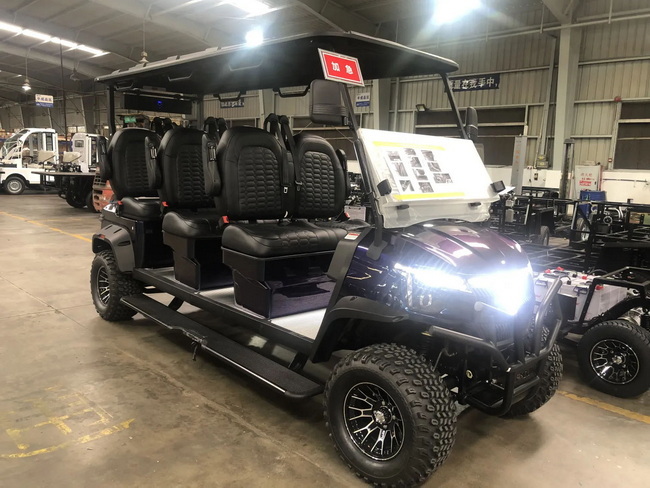
Following the correct steps ensures that the Club Car golf car charges safely and that its batteries last as long as possible. The procedure is simple but must be followed consistently.
- Park the Club Car golf car on a flat, ventilated surface and switch the key to OFF, ensuring the direction selector is in neutral or park.
- Plug the charger into the golf car's charging receptacle first, then connect the charger to the wall outlet, avoiding extension cords where possible.
Once connected, the automatic charger usually starts after a brief delay while it checks pack voltage and wiring inside the golf car. Indicator lights or a display may show charging stages and approximate completion.
- Leave the Club Car golf car plugged in until the charger shuts off automatically, which may take anywhere from 4–14 hours depending on battery type and usage.
- Avoid turning the key on or driving the golf car while the charger is connected, as this can confuse the onboard electronics and risk damage.
Many Club Car models include an onboard computer that tells the charger when to stop charging, so manual shutoff is rarely necessary. Because of this system, owners often adopt a simple “plug it in and forget it until morning” routine.
- Once the charger turns off, unplug from the wall outlet first and then disconnect from the Club Car golf car receptacle.
- Inspect cables and connectors occasionally for warmth, discoloration, or cracks, especially on high‑usage golf car fleets.
If the charger does not shut off or stays at low amperage for many hours, the problem may lie in the batteries, the charger, or the onboard computer, and the golf car should be inspected. Early diagnosis avoids more serious wiring or charger failures.
Correct charging habits protect operators and facilities and also extend the life of the Club Car golf car. These safety tips apply to both home users and commercial fleets.
- Always charge the Club Car golf car in a well‑ventilated area, because lead‑acid batteries can emit hydrogen gas during charging.
- Keep open flames, sparks, and smoking materials far from the charging area.
Even lithium‑powered golf cars benefit from good airflow because the charger, wiring, and connectors generate heat. Ensuring space around the charger and the golf car reduces electrical risk.
- Routinely inspect the charger plug and the Club Car golf car receptacle for corrosion, cracking, or loose contacts.
- Make sure cables do not run across walkways where someone could trip or accidentally disconnect the charger from the golf car.
Poor connections can overheat and damage both the charger and the Club Car golf car battery terminals. Keeping contacts clean and tight supports consistent charge times.
- For lead‑acid Club Car golf cars, check electrolyte levels regularly and top off with distilled water after charging, keeping plates covered but not overfilled.
- Clean battery tops and golf car hold‑downs to remove corrosion, and ensure all terminal connections are snug.
Neglecting water levels or allowing corrosion to build up increases resistance and lengthens charge time for the golf car. Good maintenance keeps the Club Car golf car running efficiently and helps avoid premature battery replacement.
Charging frequency is as important as charge duration for the longevity of a Club Car golf car battery pack. Different usage patterns call for slightly different strategies.
- For daily use, plug in the Club Car golf car after every round or shift, even if the gauge still shows significant charge remaining.
- Avoid repeatedly running the golf car until the pack is nearly empty, because deep discharges are harder on lead‑acid batteries.
Many community and resort users treat the Club Car golf car like an electric car: use it during the day, then plug it in overnight so it is ready each morning. This stable routine improves both performance and battery life.
- When storing a Club Car golf car for weeks or months, fully charge the pack first and, if recommended, leave it on a smart charger with a maintenance mode.
- If there is no storage mode, recheck and recharge the golf car periodically to prevent the pack from sitting at a low state of charge.
Lithium golf cars self‑discharge more slowly, so they can often sit longer between top‑ups. However, it is still important to follow the battery manufacturer's guidelines for storage voltage and temperature.
Fleet environments—golf courses, hotels, industrial parks, airports, and large campuses—put heavy, repetitive demands on every Club Car golf car. Small changes in policy can significantly reduce downtime and battery cost per golf car.
- Establish a routine where staff plug in each Club Car golf car at designated times, typically at the end of shifts or at closing.
- Use labeled charging bays and simple checklists so no golf car is accidentally left off charge overnight.
A consistent process ensures that each fleet golf car receives a full charging cycle and avoids repeated deep discharges. Over a season, this dramatically increases the number of productive hours each golf car can deliver on a single battery pack.
- Track charge times, run times, and charger behavior for every Club Car golf car so unusual patterns are spotted quickly.
- Consider upgrading heavily used golf cars from lead‑acid to lithium to benefit from shorter charge times and longer cycle life.
Many facilities find that converting even a portion of the golf car fleet to lithium reduces staging delays and allows more rentals, more shuttle trips, or more maintenance runs per day. Over time, reduced maintenance and fewer replacements can offset the initial investment.
Knowing what not to do is just as important as knowing how long to charge a Club Car golf car. Avoiding these mistakes will protect both the charger and the golf car battery pack.
- Leaving a Club Car golf car parked with low battery charge for weeks promotes sulphation in lead‑acid batteries and reduces capacity.
- For lithium systems, sitting empty stresses the cells and can trigger protective shutdown in the management system.
Instead, charge the golf car promptly after use and keep it near a healthy state of charge during storage. This simple habit is one of the most cost‑effective ways to extend battery life.
- Running a lead‑acid Club Car golf car until it slows dramatically on every outing shortens battery life.
- Deep discharges generate more heat, increase internal wear, and can warp plates inside the battery.
Try to recharge when the golf car has used roughly half its capacity during regular operations. Occasional deep discharges are unavoidable, but they should not become the norm.
- A charger that is not designed for your Club Car golf car battery chemistry can overcharge or undercharge the pack.
- Mismatched chargers may skip important stages or fail to reach proper voltage, leading to reduced range and early failure.
Always choose a charger that matches the voltage, chemistry, and manufacturer recommendations for your Club Car golf car. When upgrading to lithium, confirm that the new system includes an appropriate charger or that your existing charger is specifically approved.
Choosing between lead‑acid and lithium influences not only how long you charge a Club Car golf car but also how you maintain it long term.
- Lower upfront cost makes lead‑acid attractive for price‑sensitive Club Car golf car buyers or small fleets.
- Requires regular watering, cleaning, and careful charging to reach its expected lifespan.
Because lead‑acid packs are heavier, they also affect how a Club Car golf car accelerates and handles. For golf courses and facilities that can manage maintenance schedules, lead‑acid can still be a reliable choice.
- Faster charge times and longer cycle life make lithium ideal for high‑usage Club Car golf car fleets and demanding private users.
- Higher initial cost is offset by less maintenance, reduced downtime, and more years of consistent performance.
Lithium packs also reduce overall vehicle weight, which improves efficiency and may extend range per charge. For Club Car golf car owners who prioritize performance and total cost of ownership, lithium is increasingly the preferred solution.
A Club Car golf car with lead‑acid batteries typically needs 8–12 hours to recharge from a deep discharge, while a lithium‑powered Club Car golf car can often be ready again in about 1–3 hours. Actual charging time depends on state of charge, charger type, temperature, and battery age, but consistent overnight charging keeps nearly any Club Car golf car ready for daily work or play. By following proper charging routines, maintaining batteries correctly, and considering lithium upgrades when appropriate, owners and fleet managers can maximize performance, reliability, and lifespan for every Club Car golf car they operate.
Contact us to get more information!
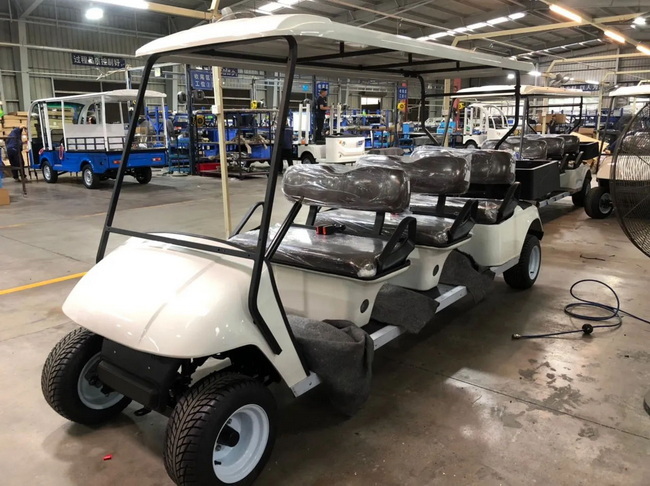
A fully discharged lead‑acid Club Car golf car battery pack usually needs about 8–12 hours on a standard automatic charger. With lithium batteries, many Club Car golf cars can go from empty to full in roughly 1–3 hours using a compatible charger.
Yes, Club Car golf cars are designed to stay plugged in overnight, and most modern chargers shut off automatically once the pack is full. Leaving the golf car plugged in after each use is often the easiest way to ensure it is fully charged and ready the next day.
Most Club Car golf car chargers use indicator lights or a display that shows when charging is complete and the current has tapered off. On models with an onboard computer or state‑of‑charge gauge, the system will also give a clear signal that the pack is full.
Occasional partial charges will not harm a Club Car golf car, especially if the pack is topped off fully on a regular basis. However, consistently unplugging early and never allowing a full cycle can shorten the life of lead‑acid batteries by preventing proper equalization.
If the Club Car golf car sits for long periods, check and recharge the pack every few weeks for lead‑acid and less frequently for lithium, depending on self‑discharge. Many owners keep the golf car on a smart charger with a storage or maintenance mode so the batteries stay healthy without overcharging.
1. https://carts-and-parts.com/how-long-does-it-take-to-charge-a-golf-cart/
2. https://www.formcharge.com/blogs/golf-cart-charger-knowledge/how-long-does-it-take-to-charge-a-golf-cart-a-comprehensive-guide
3. https://ecoplaneta.com/how-long-does-it-take-to-charge-a-golf-cart/
4. https://www.copowbattery.com/news/charging-time-of-a-golf-cart-battery-85344012.html
5. https://lakelivingstongolfcars.com/maximizing-golf-cart-battery-life-tips-and-tricks/
6. https://leochlithium.us/lead-acid-vs-lithium-how-to-maintain-golf-cart-batteries-the-right-way/
7. https://www.golfcartgarage.com/blog/how-to-charge-golf-cart-batteries-battery-charging-tips/
8. https://bslbatt.com/blogs/best-practices-golf-cart-battery-maintenance-tips-guide/
9. https://txpgolfcarts.com/tips-for-maximizing-your-battery-life/


