


Views: 222 Author: BorCart Publish Time: 2026-05-16 Origin: Site


As someone who has spent years working with golf cart OEMs and fleet buyers, I see the same mistake repeated: people compare electric vs gas golf carts only on sticker price or top speed. In reality, you should evaluate your choice like an asset manager, considering lifecycle cost, customer experience, regulations, and how your carts support your brand positioning. [smithpower.co]
From BorCart's perspective as a Chinese OEM specializing in electric vehicles and golf carts, we see demand rapidly tilting toward electric solutions, especially in resorts, gated communities, industrial parks, and tourism projects worldwide. At the same time, we still build gas‑equivalent solutions for markets and use cases where extended range, off‑grid operation, or heavy‑duty applications matter more than ultra‑low emissions. [clubcarev]
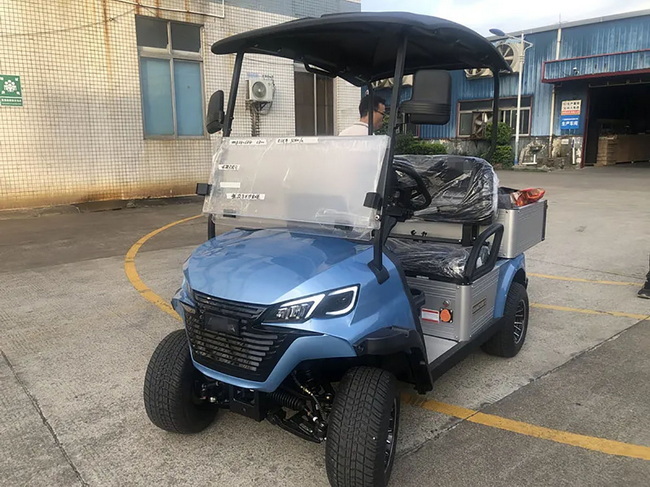
Before diving into expert‑level details, it helps to see the key differences side by side. [adventuregolfcars]
| Factor | Electric Golf Carts | Gas Golf Carts |
|---|---|---|
| Power & torque | Instant torque, smooth acceleration smithpower.co | Higher peak power for hills and loads lakelivingstongolfcars |
| Range | Ideal for short–medium daily routes lakelivingstongolfcars | Longer range per refuel for all‑day duty lakelivingstongolfcars |
| Noise | Near‑silent operation lakelivingstongolfcars | Noticeable engine sound lakelivingstongolfcars |
| Emissions | Zero tailpipe emissions lakelivingstongolfcars | Produces exhaust gases lakelivingstongolfcars |
| Maintenance | Fewer moving parts, less routine service lakelivingstongolfcars | Engine, oil, filters, fuel system maintenance lakelivingstongolfcars |
| Operating cost | Lower per‑km energy cost overall lakelivingstongolfcars | Higher, tied to fuel price and service smithpower.co |
| Upfront price | Often slightly higher, especially with advanced batteries lakelivingstongolfcars | Sometimes lower initial purchase price lakelivingstongolfcars |
| Ideal users | Courses, communities, hotels, campuses lakelivingstongolfcars | Farms, large properties, remote locations lakelivingstongolfcars |
For fleet owners, this table is your first filter: it helps you quickly match vehicle type to dominant use case instead of chasing generic "best golf cart" advice. [lakelivingstongolfcars]
When I test fleets for international buyers, performance is usually their first question—and often their biggest surprise. [smithpower.co]
- Electric golf carts deliver instant torque the moment you touch the pedal, which means very smooth take‑off and predictable low‑speed control on tees, in resorts, and inside industrial campuses. [adventuregolfcars]
- They typically excel on flat to moderately hilly terrains, especially for routes under one full 18‑hole round or daily community loops. [lakelivingstongolfcars]
- Gas golf carts provide more peak horsepower and are still the first choice on very steep or rough terrain, or when you are pulling trailers and tools over long distances. [smithpower.co]
From a driver's seat perspective, an electric cart feels refined and calm, while a gas cart feels more rugged and "automotive". If your brand experience is built around luxury and quiet, electric usually wins; if it's about tough, workhorse usage, gas may still be attractive. [adventuregolfcars]
A common misconception is that electric carts "cannot last a full working day." In practice, range is more about route planning and charging design than technology alone. [lakelivingstongolfcars]
- Electric carts can comfortably support daily operations on golf courses, hospitality properties, and gated communities when routes are planned and charging windows are built into operations. [smithpower.co]
- Gas carts can run longer between refuels, making them ideal for very large ranches, mining operations, or 24/7 shuttle services where downtime must be almost zero. [adventuregolfcars]
Modern lithium and advanced lead‑acid technologies are continually improving range and charging speed, while chargers like Delta‑Q are increasingly common in professional fleets. For new installations, we recommend designing charging as part of the infrastructure—just like parking layout or lighting—instead of treating it as an afterthought. [futuremarketinsights]
From an OEM and fleet‑consulting standpoint, I rarely advise buyers based on unit price alone, because TCO is where electric vs gas golf carts truly diverge. [lakelivingstongolfcars]
- Electric carts may have a slightly higher purchase price and a significant battery replacement cost every several years, depending on chemistry and usage. [cn.shgolfcart]
- Gas carts sometimes cost less upfront, but owners pay more over time for fuel, oil changes, filters, and higher engine‑related maintenance. [smithpower.co]
Studies and industry data consistently show that electricity tends to be cheaper per kilometer than gasoline in most regions, especially as fuel prices remain volatile. When you spread costs across 5–7 years, electric fleets often deliver lower cost per trip—especially in regulated or high‑energy‑price markets. [futuremarketinsights]
For fleet managers, uptime is revenue. A cart that is simple to service is a cart that earns more. [adventuregolfcars]
- Electric carts use motors, controllers, and batteries with far fewer moving parts than a combustion engine, so preventive maintenance is typically simpler and less frequent. [lakelivingstongolfcars]
- The main periodic tasks are battery health checks, water level checks for certain lead‑acid types, and visual inspection of electrical components. [smithpower.co]
- Gas carts require regular engine service: oil and filter changes, fuel system checks, spark plugs, and sometimes more complex troubleshooting. [lakelivingstongolfcars]
In BorCart's production, we control reliability at the component level by pairing motors from suppliers like KDS and Mahle with global‑standard controllers such as Curtis, plus stringent IQC, PQC, and final QA testing at the line. This approach ensures that both electric and gas‑analog vehicles can meet ISO9001, EEC, and CE‑level quality expectations in overseas markets. [clubcarev]
If you operate in a tourism, hospitality, or residential setting, environmental perception is no longer "optional branding"—it affects approvals, partnerships, and guest expectations. [futuremarketinsights]
- Electric golf carts produce zero tailpipe emissions in operation and generate very low noise, which is ideal for sensitive environments such as resorts, hospitals, and wildlife areas. [futuremarketinsights]
- Gas carts emit exhaust and run noticeably louder, which can conflict with modern sustainability commitments and noise regulations in many destinations. [adventuregolfcars]
According to recent market research, electric golf carts are projected to represent around 95% of product demand in the golf cart segment by 2026, driven mainly by sustainability and operating‑cost advantages. For OEM buyers, launching or transitioning to electric fleets now aligns your catalog with where global demand is already moving. [linkedin]
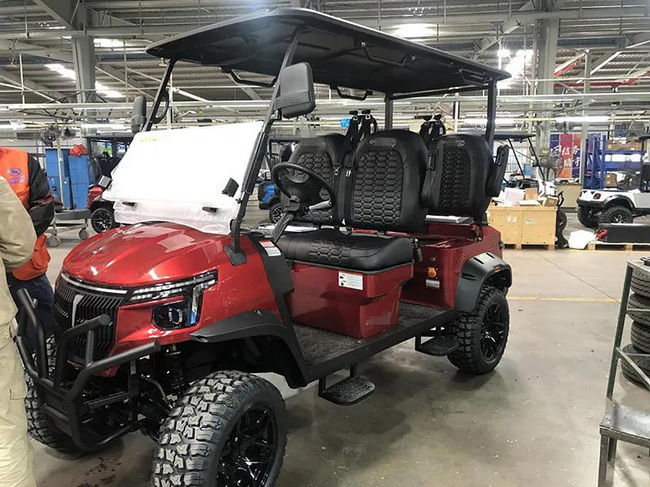
From my personal experience riding both types across courses and hotel complexes, user experience is where electric carts truly differentiate your brand. [smithpower.co]
- Electric carts deliver a smooth, quiet ride that lets guests talk comfortably, enjoy scenery, or focus on their game without engine noise. [adventuregolfcars]
- For premium resorts and residential communities, that silence is part of the perceived luxury and safety, especially at night or near rooms and villas. [futuremarketinsights]
- Gas carts offer a more traditional driving feel, which some users like, but the sound and vibration can be tiring over time in high‑frequency shuttle routes. [lakelivingstongolfcars]
If your brand promise emphasizes sustainability, comfort, and modern design, an electric fleet becomes a visible, everyday proof point for your positioning. [futuremarketinsights]
Looking at 2026 and beyond, industry data paints a clear picture: the global electric golf cart market is expanding as more sectors adopt low‑speed electric vehicles for mobility and logistics. [facebook]
- Resorts, theme parks, and tourism zones are standardizing on electric carts to comply with environmental policies and guest expectations. [facebook]
- Industrial parks, airports, and campuses increasingly use electric low‑speed vehicles for internal transport to reduce local emissions and improve working conditions. [linkedin]
- New residential and mixed‑use developments are often designed as "low‑noise, low‑emission" communities from day one, with electric carts integrated into the mobility plan. [linkedin]
For buyers partnering with BorCart as an OEM, this trend means two opportunities: upgrading existing gas fleets to electric, and co‑developing customized electric models tailored to your sector's specific regulations and branding. [borcart]
Instead of asking "Which cart is better?", ask "Which cart is better for my application over 5–10 years?". [smithpower.co]
1. Map your primary terrain and usage.
- Mostly flat, structured routes → electric usually leads. [adventuregolfcars]
- Steep, off‑road, heavy towing → consider gas or high‑torque electric options. [lakelivingstongolfcars]
2. Define your daily operating window.
- Clear charging windows and shifts → electric. [smithpower.co]
- Continuous 24/7 with minimal downtime and no charging infrastructure → gas may still work better. [adventuregolfcars]
3. Assess your brand and guest expectations.
- Luxury, eco‑friendly, quiet → electric aligns best. [futuremarketinsights]
- Heavy‑duty, agricultural, industrial → gas or hybrid solutions can be justified. [lakelivingstongolfcars]
4. Calculate TCO instead of just purchase price.
- Model 5–7 years of energy and maintenance per unit. [futuremarketinsights]
- Include battery replacement and potential fuel price changes. [futuremarketinsights]
5. Check local regulations and incentives.
- Many regions increasingly favor or even require low‑emission vehicles in certain zones. [linkedin]
BorCart is one of the earliest Chinese factories in the electric vehicle space, with over two decades of experience designing and manufacturing golf carts and related low‑speed vehicles. By 2024, the company operated a 200,000 sqm facility in Guangzhou with four production lines capable of shipping around ten containers of electric vehicles per day, backed by more than 100 engineers and over 1,000 skilled workers. [clubcarev]
For international brands, wholesalers, and manufacturers, this scale translates into stable quality and flexible customization—from body styling and seating layout to drivetrain configuration and electronics. BorCart's use of global suppliers such as KDS motors, Mahle motors, Curtis controllers, and Delta‑Q chargers ensures compatibility with overseas standards, reinforced by ISO9001, EEC, and CE certifications. [borcart]
When you source from an OEM like BorCart, you are not just buying a catalog model—you are shaping a platform you can adapt for your brand and market. [borcart]
- Powertrain selection: Match motor power, controller settings, and (where relevant) gas engine specs to your terrain and regulatory limits. [clubcarev]
- Battery system: Choose between different battery types and capacities depending on your range expectations and charging infrastructure. [clubcarev]
- Body and seating: Configure 2–, 4–, 6–, or more seats, utility beds, or mixed passenger‑cargo layouts for multi‑purpose use. [borcart]
- Branding and styling: Design color schemes, logos, and interior details that align with your customers' brand and price point. [borcart]
Working directly with BorCart's R&D team allows OEM partners to build dedicated versions for tourism, industrial, residential, or special‑theme projects, rather than compromising with generic carts. [clubcarev]
Even as the market moves electric, gas golf carts retain a role in specific scenarios. If you operate in remote regions with unstable electricity, long‑distance routes with few stops, or heavy‑duty applications where refueling logistics are easier than charging, gas can still deliver strong ROI. [smithpower.co]
In these cases, partnering with an OEM that understands both technologies lets you plan a dual‑track strategy: gas solutions for extreme or transitional use cases, and electric solutions for your main commercial portfolio. This is exactly the pattern we see among many international wholesale and brand clients working with Chinese manufacturers today. [borcart]
If you are a brand owner, wholesaler, or manufacturer designing your next golf cart lineup, my expert recommendation is clear: build your core fleet around electric golf carts, and supplement with gas units only where terrain, infrastructure, or duty cycle truly demands them. This approach aligns your catalog with 2026 market demand, reduces long‑term operating costs for your clients, and strengthens your sustainability story. [linkedin]
BorCart can help you evaluate your current portfolio and co‑develop an electric or mixed fleet tailored to your market, from small golf courses to national resort chains and industrial parks. If you are planning to upgrade an existing gas fleet or launch a new electric line, contact BorCart's OEM/ODM team to discuss specifications, customization options, and phased transition strategies for your business. [clubcarev]
1. Are electric golf carts always cheaper than gas in the long run?
Not always, but in many markets, lower energy and maintenance costs mean electric carts deliver a lower total cost of ownership over 5–7 years, especially with stable charging infrastructure. [adventuregolfcars]
2. Can electric golf carts handle steep hills and heavy loads?
Yes, when properly specified with the right motor, controller, and battery configuration, electric carts can manage demanding terrain and loads, though gas may still be preferable in extreme or off‑grid conditions. [lakelivingstongolfcars]
3. How often do I need to replace batteries in electric golf carts?
Battery life depends on chemistry, usage, and maintenance, but many fleets plan for replacement roughly every several years, especially for heavily used lead‑acid systems. [cn.shgolfcart]
4. What certifications should I look for in OEM golf carts?
For international markets, certifications such as ISO9001, EEC, and CE, plus documented quality processes (IQC, PQC, and final QA) provide assurance that vehicles meet safety and performance standards. [clubcarev]
5. How can BorCart support my brand's customization needs?
BorCart offers OEM/ODM services with flexible configurations in body design, seating, powertrain, batteries, and branding, supported by a dedicated engineering team and large‑scale production capacity. [borcart]
1. Lake Livingston Golf Cars – *Electric vs. Gas Golf Carts: A Comprehensive Comparison*
[https://lakelivingstongolfcars.com/electric-vs-gas-golf-carts-a-comprehensive-comparison/] [lakelivingstongolfcars]
2. Adventure Golf Cars – *Electric vs. Gas Golf Carts: A Performance Comparison*
[https://adventuregolfcars.com/electric-vs-gas-golf-carts-a-performance-comparison/] [adventuregolfcars]
3. Smith Power – *Gas vs Electric Golf Cart: Comparing Performance and Efficiency*
[https://smithpower.co.za/taragolfcart/gas-vs-electric-golf-cart-comparing-performance-and-efficiency/] [smithpower.co]
4. Future Market Insights – *Golf Cart Market Size, Demand & Growth Forecast 2026*
[https://www.futuremarketinsights.com/reports/golf-cart-market] [futuremarketinsights]
5. BorCart Company Profile – *About BorCart Electric Vehicles*
[http://www.clubcarev.com/mob/about.asp] [clubcarev]
6. BorCart Product and OEM Overview
[https://www.borcart.com/products.html] [borcart]
7. Kinland – *Golf Cart Market Trends: What Buyers Should Know in 2026*
(Social post snippet on electric cart growth) [facebook]
8. Yongkang Shuanghui Vehicle Industry – *Gas vs Electric Golf Carts* (Chinese technical note)
[http://cn.shgolfcart.com/newsinfo-which-should-you-choose-gas-golf-carts-vs-electric-golf-carts.html] [cn.shgolfcart]
9. BorCart News – *Gas vs Electric Golf Carts: Which is Better for Your Game?*
[http://zh.borcartev.com/news/gas-vs-electric-golf-carts/] [zh.borcartev]


