


Views: 222 Author: Leah Publish Time: 2026-01-08 Origin: Site


Content Menu
● What “Range per Charge” Really Means
● Typical Miles and Hours per Charge
● Why Battery Chemistry Matters So Much
>> Lead‑acid batteries in electric golf cart use
>> Lithium batteries in electric golf cart design
● Voltage, Capacity, and System Design
● How Terrain and Surface Influence Range
● Load, Passengers, and Accessories
● Temperature and Environmental Conditions
● Charging Habits and Their Effect on Range
● Maintenance and Its Role in Range
● OEM Perspective: Designing for Real‑World Range
● Use Cases: How Different Users Experience Range
>> Resorts, hotels, and sightseeing services
>> Neighborhood and low‑speed vehicle applications
>> Off‑road, hunting, and multi‑purpose utility
● FAQ
>> 1. How many miles can an electric golf cart usually travel on one charge?
>> 2. How long does a full charge last in hours?
>> 3. Do lithium batteries really make an electric golf cart go farther?
>> 4. How often should an electric golf cart be charged?
>> 5. What reduces electric golf cart range the most?
An electric golf cart is designed to deliver reliable, quiet, and efficient transportation on golf courses, in resorts, and across gated communities, but how long it lasts on one charge depends on many real‑world factors. In practice, battery chemistry, capacity, terrain, load, and driving style work together to determine how far a single charge will take you. As a professional OEM manufacturer such as BorCart, understanding and optimizing range is central to delivering value for international brand owners, wholesalers, and vehicle producers.
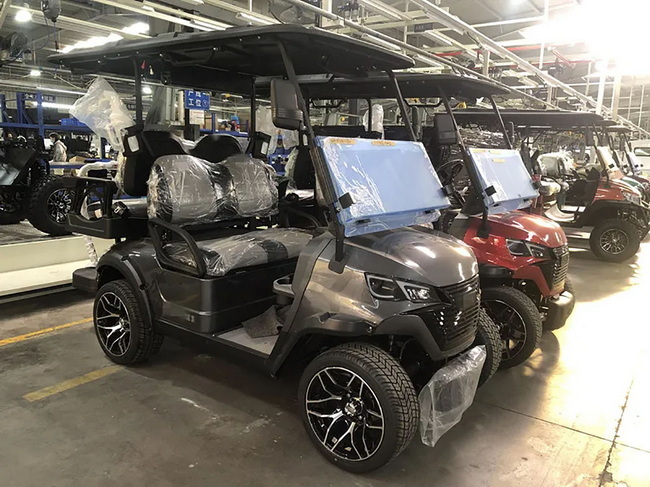
When talking about how long an electric golf cart lasts on one charge, there are two main ways to measure performance: distance and operating time. Distance is typically expressed in miles or kilometers per full charge, while operating time is described in hours of continuous or mixed use. For golfers and fleet managers, the key question is whether the electric golf cart can comfortably complete a full day's work without running out of energy.
In daily use, many electric golf cart fleets are sized so that each cart can handle multiple trips or several full rounds of golf between charges. For a private owner, the goal might be a full day of leisure driving around a community or resort without worrying about plugging in mid‑day. Both perspectives rely on the same core variables: how much usable energy the batteries provide and how efficiently the electric golf cart converts that stored energy into motion.
Although exact numbers vary by model and configuration, some general benchmarks help set realistic expectations. Many classic 36 V and 48 V electric golf cart systems built around lead‑acid batteries are able to cover roughly 15–30 miles on a single charge under typical mixed driving, including starts, stops, and some mild hills. With careful driving on relatively flat routes, some setups reach the upper end of that range.
Lithium‑powered systems change the picture significantly. A well‑designed lithium battery pack with sufficient amp‑hour capacity can often deliver 30–40 miles as a baseline and, in many cases, can be engineered to reach 40–60+ miles on a charge. In terms of time, this translates to about 3–6 hours of continuous use for many electric golf cart configurations, depending on how aggressively the cart is driven and how heavy the load is. For most users, this means a full day of stop‑and‑go usage without difficulty.
Conventional lead‑acid batteries—flooded, AGM, or gel—have long been the workhorse of the golf cart industry. They are relatively affordable, widely available, and familiar to technicians and fleet managers. However, they are heavy, have limited usable energy per kilogram, and prefer being kept within a moderate depth of discharge.
In a typical electric golf cart, a standard 48 V lead‑acid pack might provide around 15–25 miles of practical range in mixed conditions, assuming reasonable maintenance and not pushing the batteries to the absolute limit every day. Over time, repeated deep discharges, poor charging habits, and inadequate water level checks can reduce both capacity and the distance achievable per charge. As the pack ages, operators may notice that the cart cannot complete routes it once handled easily.
Lithium iron phosphate and similar lithium chemistries are increasingly popular for modern electric golf cart platforms. These packs are lighter, can be discharged more deeply without serious damage, and often deliver a flatter voltage curve, which means more consistent performance throughout the discharge cycle. An electric golf cart running on lithium typically accelerates better, climbs more confidently, and maintains speed more steadily throughout the day.
A 48 V lithium pack designed for golf cart use can be tailored to the intended range. For example, a moderate‑capacity pack may comfortably deliver 25–40 miles per charge, while higher‑capacity systems can reach 40–60+ miles, ideal for demanding commercial uses such as sightseeing shuttles or resort transport. Although initial cost is higher, lithium offers longer cycle life, reduced maintenance, and faster charging, which lowers total cost of ownership for many fleets.
The total energy available in an electric golf cart battery system is determined by both voltage and amp‑hour (Ah) capacity. Voltage (such as 36 V, 48 V, or 72 V) affects power delivery and compatibility with the motor and controller, while capacity influences how long the system can supply current before needing a recharge.
Higher voltage systems can deliver the same power at lower current levels, which reduces losses in wiring and components and can improve overall efficiency. At the same time, higher amp‑hour ratings mean more stored energy, directly extending the potential range per charge. An OEM like BorCart carefully balances motor selection, controller programming, gear ratios, and battery sizing so that each electric golf cart configuration meets the intended range, speed, and payload targets.
Terrain is one of the most underestimated factors in how long an electric golf cart lasts on one charge. On flat, paved paths, energy demand remains relatively low and predictable. When the route includes repeated climbs, steep gradients, or off‑road sections, the power required to move the electric golf cart increases dramatically. Climbing hills consumes extra energy that is not fully recovered on the way down, especially if safety limits prevent high‑speed coasting.
Surface type also matters. Smooth asphalt and concrete offer minimal rolling resistance, allowing the electric golf cart to maintain speed with less power. Grass, sand, gravel, and muddy or uneven trails increase resistance, forcing the motor to work harder for the same speed. For customers using electric golf cart models as hunting vehicles, resort shuttles in coastal sand, or multi‑purpose utility vehicles on construction sites, BorCart typically recommends higher‑capacity packs and torque‑optimized drivetrains to preserve practical range.
Vehicle load directly impacts energy consumption. A lightly loaded electric golf cart carrying a single driver travels farther on a full charge than the same cart carrying four passengers and a full cargo box. Every additional kilogram the cart must move requires extra torque and current, especially when accelerating or climbing. For this reason, commercial users who frequently operate at or near maximum payload should plan for somewhat reduced miles per charge compared with spec sheets measured under lighter conditions.
Accessories also contribute to total load and power consumption. Large tires, lift kits, heavy seating, coolers, utility racks, and onboard equipment all add weight and sometimes aerodynamic drag. Electrical accessories such as lighting systems, entertainment units, and refrigeration units consume energy as well, though in many cases the mechanical load has a larger impact on range than the electrical accessory load. Thoughtful configuration helps keep each electric golf cart efficient while still meeting functional requirements.
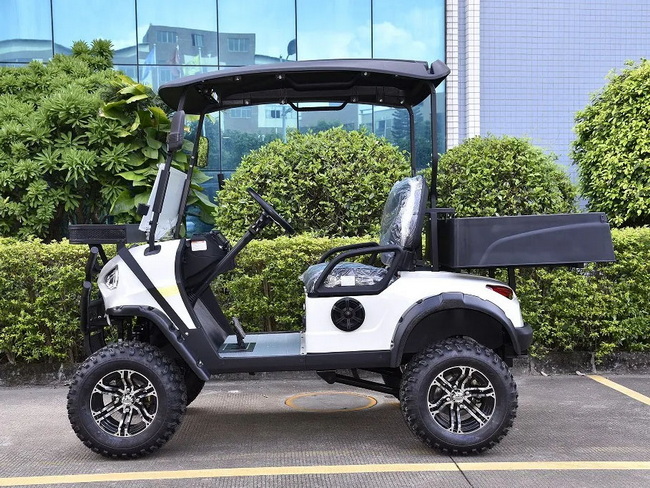
The way drivers operate an electric golf cart can significantly change how long a charge lasts. High speeds, aggressive acceleration, and frequent abrupt stops all raise current draw and accelerate battery discharge. In contrast, moderate speeds, smooth acceleration, and anticipating stops to reduce harsh braking help keep energy consumption lower across a route.
Many fleets set programmable speed limits via the cart controller to strike a balance between efficiency, safety, and user experience. Limiting top speed to a reasonable level not only increases range but also reduces wear and tear on mechanical components and tires. Training drivers or educating private owners about efficient driving habits is a simple but powerful tool for extending the time and distance an electric golf cart can operate on each charge.
Temperature affects battery chemistry at a fundamental level. In cold conditions, internal resistance rises and usable capacity temporarily drops, so an electric golf cart may travel fewer miles per charge even if the batteries appear healthy. Owners in colder climates often notice reduced range in winter and improved performance again in warmer seasons.
High temperatures can accelerate battery aging, especially for lead‑acid systems. Prolonged exposure to heat and overcharging contributes to plate corrosion, water loss, and premature capacity loss. Simple steps—such as storing carts in shaded or ventilated areas, allowing batteries to cool before charging, and following proper charging voltage settings—help protect both range and long‑term battery life.
Charging practices have a direct impact on both short‑term range and long‑term battery capacity. For lead‑acid packs, it is generally better to recharge after each day of use rather than regularly running batteries to very low states of charge. Frequent deep discharges shorten overall lifespan and can cause sulfation, which permanently reduces capacity.
Smart chargers programmed for the correct chemistry and voltage profile help ensure that each electric golf cart battery pack reaches full charge without overcharging. Many modern lithium systems integrate a battery management system (BMS) that monitors cell balance, temperature, and charge levels, protecting the pack from damaging conditions. Making sure chargers and BMS settings match the specific battery system is essential to maintaining consistent miles per charge over the life of the cart.
Regular maintenance is critical to keeping an electric golf cart performing as specified. For lead‑acid batteries, maintenance includes checking electrolyte levels, adding distilled water when required, cleaning terminals, and inspecting cables for corrosion or damage. Poor connections increase resistance, causing voltage drops and wasted energy, which reduces range and can cause overheating.
Lithium batteries are often marketed as low‑maintenance, but they still benefit from periodic inspection to ensure that mounting hardware, cabling, and BMS wiring remain secure and undamaged. In addition to battery‑specific tasks, owners should maintain tire pressure, wheel alignment, brake adjustment, and lubrication of moving parts. Each of these small details contributes to overall efficiency, reducing the energy needed for the electric golf cart to perform its daily tasks.
As a professional Chinese manufacturer specializing in electric vehicles and automotive components, a brand like BorCart focuses on designing electric golf cart platforms that deliver reliable, predictable range for international OEM clients. This means not only choosing the right batteries, but also optimizing controllers, motors, gear ratios, and chassis layouts.
For example, a high‑efficiency AC motor paired with a properly tuned controller can use energy more effectively than a less efficient setup, especially in stop‑and‑go conditions or on hilly routes. Aerodynamic body styling and carefully selected tire sizes reduce drag and rolling resistance, further extending how long each electric golf cart lasts on a single charge. OEM customization allows range targets to be tailored for different markets, whether the application is golf, sightseeing, low‑speed urban transport, hunting, or utility work.
Golf course operators typically need each electric golf cart to manage several 18‑hole rounds, including travel between storage facilities, practice areas, and the clubhouse. A realistic daily distance may fall comfortably within 15–25 miles. Lead‑acid systems can serve this role effectively when well maintained, while lithium systems offer extra range for courses with more elevation changes or additional shuttle duties.
Resorts and sightseeing operators may run electric golf cart‑style shuttles continuously for much of the day, especially during peak tourist seasons. These carts often cover longer distances along fixed routes, sometimes carrying full passenger loads and luggage. In these cases, higher‑capacity lithium configurations become attractive because they provide extended range per charge, faster recharging between shifts, and more uptime.
In gated communities and urban low‑speed vehicle zones, residents and maintenance staff rely on electric golf cart models for errands, commuting within the area, and general transportation. The ability to complete all daily trips on one overnight charge is a major convenience. With efficient system design and good charging habits, many homeowners find that their electric golf cart easily covers all local journeys without range anxiety.
Off‑road and hunting applications push electric golf cart platforms into demanding environments with hills, mud, and rough terrain. The energy required to traverse these conditions reduces range, so users often choose larger capacity packs, more robust motors, and traction‑focused tire designs. For OEMs, this segment highlights the value of carefully matching battery capacity, drivetrain, and chassis to ensure that the cart can complete the full mission profile reliably.
How long an electric golf cart lasts on one charge depends on far more than just a label on a battery pack. Battery chemistry, voltage, amp‑hour capacity, terrain, surface type, load, temperature, driving style, charging habits, and maintenance all combine to define real‑world range. In typical scenarios, many lead‑acid configurations offer around 15–30 miles per charge and several hours of mixed use, while modern lithium systems can reach 30–60+ miles, enabling demanding commercial and multi‑shift operations.
For OEM manufacturers such as BorCart, carefully engineering each electric golf cart platform around these factors ensures that international customers receive vehicles matched to their specific applications—whether for golf courses, resorts, sightseeing fleets, neighborhood transport, or off‑road multi‑purpose tasks. By choosing the right battery systems, adopting smart charging practices, managing loads, and maintaining vehicles properly, owners can enjoy consistent, dependable performance and maximize the distance and time they get from every single charge.
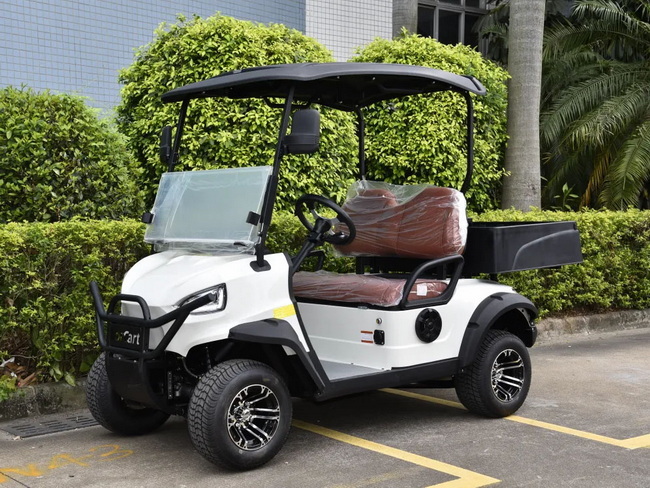
Under typical mixed driving conditions, many standard electric golf cart models with lead‑acid batteries travel about 15–30 miles on a full charge. With high‑capacity or lithium battery systems, real‑world range often increases to roughly 30–60+ miles, depending on configuration, load, and terrain.
Many electric golf cart setups provide around 3–6 hours of continuous operation on a full charge, with the exact number depending on speed, acceleration patterns, route profile, and payload. In everyday stop‑and‑go use on golf courses or in communities, this usually translates into a full day of practical runtime without recharging.
Lithium batteries are lighter and offer higher usable energy than comparable lead‑acid systems, so they typically allow an electric golf cart to travel significantly farther per charge. In addition, lithium packs maintain voltage more consistently across the discharge cycle, which helps keep performance stable and extends the practical range between charges.
For most users, charging the electric golf cart after each day of use is recommended, rather than waiting for very deep discharges. Regular top‑ups help preserve battery health, reduce the risk of unexpectedly running out of energy, and support more consistent range over the life of the battery pack, especially for lead‑acid systems.
Common factors that reduce range include steep or hilly routes, heavy passenger or cargo loads, under‑inflated tires, aggressive driving with rapid acceleration, and extreme hot or cold temperatures. Poor charging habits, lack of maintenance, and aging or damaged batteries also contribute to shorter distances per charge, even if the electric golf cart itself appears to be working normally.


