


Views: 222 Author: Leah Publish Time: 2026-02-05 Origin: Site


Content Menu
● Understanding Electric Club Car Speed Control
● Safety and Legal Considerations Before Adjusting Speed
● Basic Pre‑Checks to “Recover” Lost Speed
● Where the Speed Controller Lives on a Club Car
● What “Speed Codes” Mean on an Electric Club Car
● Step‑by‑Step: Adjusting Speed Safely on an Electric Club Car
>> Step 1 – Confirm Your Golf Car Model and System Voltage
>> Step 2 – Decide Your Target Speed and Usage
>> Step 3 – Consult a Club Car Dealer About Reprogramming
>> Step 4 – Test the Golf Car After Adjustments
● Why Modern Electric Club Cars Don't Use Mechanical Governors
● Other Ways People Try to Make an Electric Golf Car Feel Faster
● Example Learning Resources for Electric Club Car Speed Adjustment
● Tips to Keep Your Electric Club Car Reliable After Speed Changes
● FAQ About Adjusting Speed on Electric Club Car Golf Cars
>> 1. Can I adjust the speed of my electric Club Car golf car myself?
>> 2. How fast can an electric Club Car golf car go with factory settings?
>> 3. Will adjusting the speed reduce the range of my golf car?
>> 4. Is it legal to drive a faster electric Club Car golf car on public roads?
>> 5. Do I need to upgrade other parts when I increase golf car speed?
Adjusting the speed of an electric Club Car golf car involves understanding its electronic speed controller, factory speed codes, and safe, legal limits for on-course and street use. With the right approach, you can fine‑tune your golf car for more responsive performance without sacrificing safety or reliability.
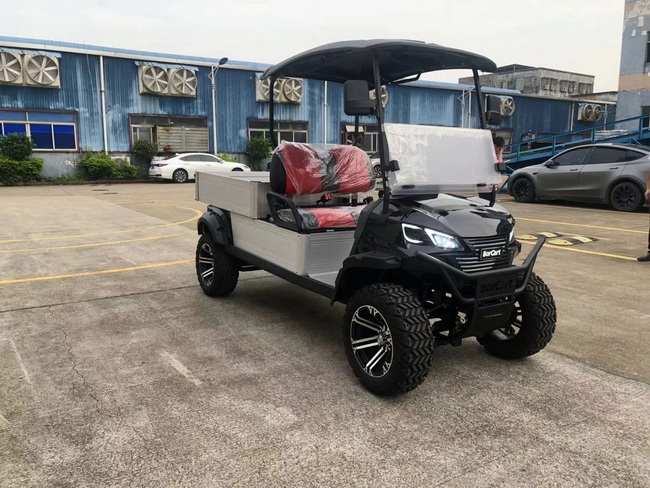
Modern electric Club Car golf cars do not use a traditional mechanical governor; instead, they rely on a programmable electronic controller. This controller regulates how much power flows from the batteries to the motor, which directly determines the speed and acceleration of the golf car.
The controller firmware typically offers several “speed codes” (often labeled 1 through 4) that set different maximum speeds for the golf car. Higher codes usually allow the golf car to reach around 19–20 mph under ideal conditions, while lower codes keep it closer to typical course speeds.
Before changing anything on your electric Club Car golf car, you must understand safety and legal boundaries in your region. Many local rules only permit golf cars or low‑speed vehicles on roads with posted limits between 25–35 mph, and they often cap golf car speed at about 20–25 mph.
Increasing the top speed of a golf car can impact braking distance, stability in turns, and overall control, especially when carrying passengers or cargo. If you use your electric Club Car golf car in neighborhoods, resorts, or public roads, verify local regulations on speed, lighting, and registration before making adjustments.
Sometimes a golf car feels slow not because the controller is limited, but because basic components are out of spec. Before modifying the controller of an electric Club Car golf car, run through these simple checks:
- Check tire pressure: Under‑inflated tires create rolling resistance and make a golf car feel sluggish, even when the speed code is set high.
- Inspect battery charge and age: Weak or aging batteries cannot deliver peak current, which caps both acceleration and top speed for an electric Club Car golf car.
- Look for dragging brakes or bearings: Sticking mechanical components make the golf car work harder and may be misinterpreted as a controller problem.
- Confirm proper wiring and connections: Loose high‑current connections to the motor or controller can cause the electric Club Car golf car to hesitate or cut power under load.
If your golf car regains normal performance after these checks, an aggressive controller reprogram may not even be necessary.
On most electric Club Car golf cars, the speed controller is located under the seat, close to the battery pack and main cables. This location keeps cable runs short and protects the controller from road splash while still being accessible for diagnostics and service.
The controller is typically a finned aluminum module with large gauge cables leading to the motor and batteries in your golf car. Some models mount the controller near the rear of the golf car, but it will still be in the same general area as the batteries and main solenoid.
Club Car and its controller suppliers often use software‑defined “speed codes” instead of external dials or screws. These codes define maximum speed, acceleration ramp, and in some cases regenerative braking strength for the golf car.
- Speed Code 1–2: Lower performance profiles designed for fleet golf cars, with modest top speed and gentle acceleration.
- Speed Code 3: Mid‑range performance for private owners who want a livelier electric Club Car golf car without stressing components.
- Speed Code 4: Highest factory‑approved speed profile, which can allow the golf car to approach roughly 19.9 mph in the right conditions.
Changing the speed code usually requires a dealer‑grade programmer that plugs into the controller or factory diagnostic port on your golf car.
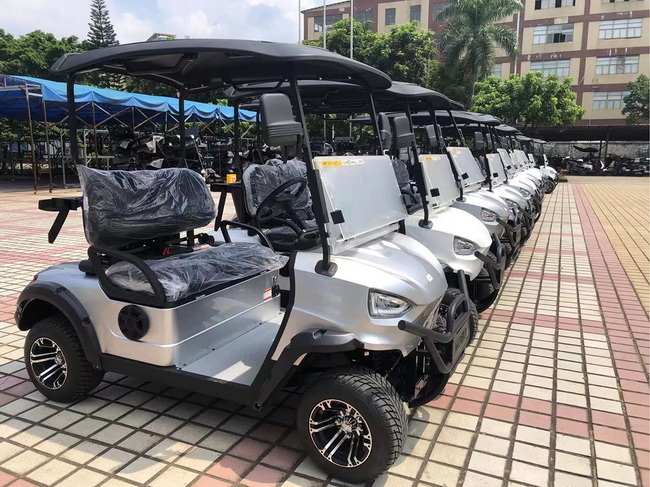
For most owners, the safest way to adjust the speed of an electric Club Car golf car is to work with an authorized dealer. Here is a practical sequence to follow:
Different series of electric Club Car golf cars use different controllers and firmware options. Check the serial number plate and owner's manual to confirm model year, drive system (such as IQ or newer AC systems), and whether your golf car is 36 V or 48 V.
Knowing the exact configuration allows the dealer to determine which speed codes and software options are available for your particular golf car.
Think through how and where you use your electric Club Car golf car on a daily basis. A golf car that remains strictly on courses and resort paths may not need the top speed profile, while a golf car used in larger residential communities might benefit from higher cruise speed.
Aim for a balance between speed and range, because higher top speed typically means more current draw and shorter runtime on a charge for your golf car.
Authorized Club Car dealers and qualified technicians have access to the correct handheld programmers for your golf car's controller. They can connect to the controller, read the current speed code, and show you what higher options are legally and mechanically supported for your electric Club Car golf car.
In many regions, upgrading from a fleet‑style code to a higher private‑owner code involves a service charge, and some premium codes may be sold as add‑ons by the dealer.
Once the controller has been reprogrammed, test your electric Club Car golf car in a safe, open area away from traffic. Check how quickly it accelerates, how it behaves on hills, and how long it takes to stop from full speed.
If the golf car feels overly aggressive or hard to control, consider stepping down one speed code or asking the technician to soften acceleration ramp‑up for better comfort.
Traditional gas‑powered golf cars often used a mechanical governor with springs and levers to limit engine RPM. Electric Club Car golf cars, especially in the last decade, rely on fully digital control where the controller reads pedal input and battery voltage, then commands the motor accordingly.
That means popular “loosen the governor screw” tricks do not apply to a modern electric Club Car golf car. Attempting to bypass the controller through improvised wiring can damage electronics, reduce reliability, and create unsafe driving behavior for the golf car.
Beyond controller adjustments, owners sometimes explore additional methods to improve how their electric Club Car golf car performs. Each option comes with trade‑offs you should understand clearly.
- Taller tires: Increasing tire circumference can raise effective speed at a given motor RPM, but it also alters gearing and may strain the controller or motor on your golf car.
- Gear ratio changes: Swapping gears in the differential can increase top speed at the expense of hill‑climbing torque and acceleration, especially on loaded golf cars.
- Upgraded controller and motor: Aftermarket systems are available that support higher current and speed, but they require careful matching to your electric Club Car golf car and local regulations.
For most users, a properly chosen factory speed code plus good batteries and maintenance offers the best balance of performance and longevity for a golf car.
If you are new to working with an electric Club Car golf car, instructional resources can help you visualize the reprogramming process. Several technical videos show technicians connecting a handheld programmer to a Club Car controller and changing speed settings. Watching these demonstrations can help you understand menus, speed code labels, and simple checks to perform after programming your golf car.
Community discussion forums also host conversations where owners share experiences with upgrading from lower fleet codes to higher private‑owner profiles on their electric Club Car golf cars. These discussions can offer realistic expectations about cost, speed gains, and how the golf car feels after adjustment in daily use.
Once you have adjusted the speed on your electric Club Car golf car, focus on reliability and care. Faster operation places more stress on tires, brakes, and suspension components of any golf car.
- Service brakes regularly to ensure consistent stopping power at the new top speed of your golf car.
- Monitor battery temperature and charge cycles, especially if you frequently run your electric Club Car golf car at maximum speed.
- Periodically inspect cables, lugs, and the controller housing for discoloration or damage that might indicate overheating on the golf car.
Practical maintenance habits like these help your golf car deliver smoother performance and longer service life even after speed adjustments.
Adjusting the speed of an electric Club Car golf car is less about turning a screw and more about smart, software‑based control and careful maintenance. By combining proper pre‑checks, legal awareness, dealer‑assisted speed code changes, and ongoing care, you can enjoy a faster, more responsive golf car that remains safe, durable, and efficient.
Contact us to get more information!
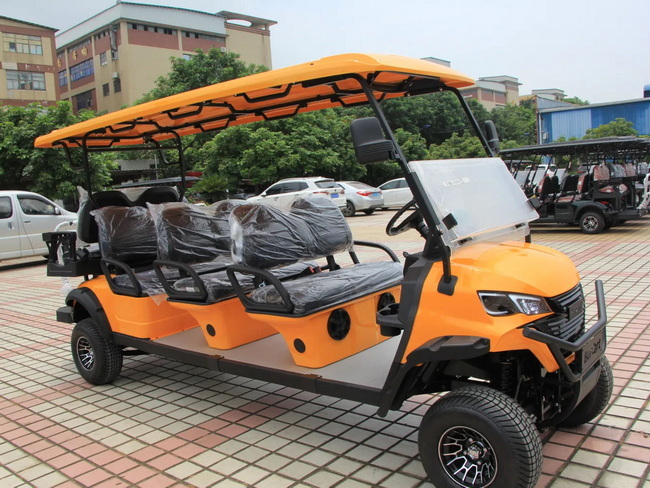
In most modern electric Club Car golf cars, the primary speed limit is embedded in the controller's software and accessed via a proprietary handheld programmer. While basic checks such as tire pressure and battery condition are do‑it‑yourself, actual speed code changes typically need a dealer or qualified technician to protect your golf car's warranty and safety.
Many fleet‑configured electric Club Car golf cars are limited to typical course speeds around the mid‑teens in mph, depending on load and terrain. With higher factory speed codes activated, a private‑owner electric Club Car golf car can often reach close to 19.9 mph under ideal conditions while staying within common low‑speed vehicle limits.
Yes, raising the maximum speed and driving your electric Club Car golf car faster increases current draw from the batteries, which generally shortens driving range per charge. Owners who upgrade to higher speed codes often notice they need to recharge their golf car more frequently, especially on hilly routes or with multiple passengers.
Legality depends on your local regulations for golf cars and low‑speed vehicles. Many jurisdictions limit golf car operation to roads posted around 25–35 mph and require the vehicle not to exceed about 20–25 mph, so you must check local rules before using a faster electric Club Car golf car on streets.
When you increase the top speed of an electric Club Car golf car, you should ensure that brakes, tires, and suspension are in excellent condition to handle the extra kinetic energy. In some high‑performance builds, owners pair controller or motor upgrades with better cables, heavy‑duty solenoids, and high‑quality tires to keep the golf car stable and reliable.
1. https://guildgolfcarts.com/how-to-adjust-speed-on-electric-club-car-golf-cart/
2. https://carinterior.alibaba.com/buyingguides/adjusting-electric-club-car-speed-control
3. https://golfcarts.com/how-to-make-an-electric-golf-cart-faster-without-upgrades/
4. https://www.golfcartgarage.com/blog/understanding-your-club-car-speed-controller/
5. https://www.youtube.com/watch?v=xNYi191peRI
6. https://www.youtube.com/watch?v=AcRnlWYIPUQ
7. https://www.youtube.com/watch?v=CbHhZP0vOXw
8. https://buggiesgonewild.com/showthread.php?t=152455
9. https://www.reddit.com/r/golfcarts/comments/16lfyo6/club_car_speed_regulator/
10. https://www.trophyclub.org/340/Golf-Cart-Rules-Inspections
11. https://www.friscotexas.gov/FAQ.aspx?QID=434
12. https://1800lionlaw.com/laws-for-driving-golf-carts-on-roads-in-the-us/


