


Views: 222 Author: Leah Publish Time: 2026-02-10 Origin: Site


Content Menu
● What Determines Charging Frequency for an Electric Golf Cart?
● General Rules: How Often to Charge an Electric Golf Cart
>> Moderate Use (Several Times per Week)
>> Storage and Off‑Season Periods
● How Battery Type Affects Charging Frequency
>> Lead‑Acid Electric Golf Cart Batteries
>> Lithium‑Ion Electric Golf Cart Batteries
● How Long Should I Charge an Electric Golf Cart?
● Best Practices to Extend Electric Golf Cart Battery Life
● Practical Usage Scenarios for Your Electric Golf Cart
● Safety Tips When Charging an Electric Golf Cart
● Troubleshooting Common Electric Golf Cart Charging Issues
● FAQ
>> 1. How often should I charge my electric golf cart if I use it every day?
>> 2. Can I overcharge my electric golf cart batteries?
>> 3. Should I let my electric golf cart batteries run low before charging?
>> 4. How does temperature affect charging an electric golf cart?
>> 5. What is the ideal charging schedule during off‑season storage?
For most owners, the safest rule is to charge an electric golf cart after every day of use, without waiting for the batteries to run very low. This habit keeps your electric golf cart ready to go, prevents damaging deep discharges, and helps extend overall battery life.

Several factors decide how often you should charge an electric golf cart, not just the battery percentage shown on your meter.
- Battery type (lead‑acid vs. lithium‑ion)
- How often you use your electric golf cart (daily, weekly, seasonally)
- Trip length, load weight, and terrain (flat vs. hilly)
- Ambient temperature and storage conditions
- Charger type and whether it has smart/automatic shut‑off features
An electric golf cart used daily on a golf course needs much more frequent charging than a cart used only on weekends in a housing community. Understanding these factors helps you design a simple and reliable charging schedule that fits your lifestyle and operating environment.
If your electric golf cart regularly carries extra passengers, heavy cargo, or climbs hills, it will drain the battery faster than a lightly loaded cart on flat paths. Owners who live in very hot or very cold climates also need to pay more attention to charging, because temperature can change how efficiently the battery charges and discharges. When you combine usage patterns, environment, and battery type, you get a clear idea of how often your electric golf cart should be plugged in.
If you rely on your electric golf cart every day (golf courses, resorts, security patrol, large campuses), you should:
- Charge your electric golf cart after each workday or round of golf.
- Allow 6–10 hours for a full charge with a normal charger, typically done overnight.
- Avoid running an electric golf cart below roughly 50% state of charge whenever possible to reduce deep‑cycle stress on the batteries.
Fleet operators often set a strict rule that every electric golf cart must be plugged in as soon as it returns to the depot or garage. This ensures that every vehicle starts the next day at full charge, keeps range consistent, and makes it easier to detect a failing battery early. For private users, simply making “plug in the cart” part of your end‑of‑day routine is usually enough to protect the battery pack.
For an electric golf cart used a few times a week, such as for weekly golf games or frequent community driving:
- Plan to charge the electric golf cart at least once a week for lead‑acid batteries.
- With lithium batteries, charging every 1–2 weeks may be enough, depending on your routes and distances.
- If you notice the electric golf cart's power dropping earlier than usual, shorten the intervals between charges.
In this situation, a simple way to manage charging is to pick a “fixed charging day,” such as every Sunday night, and always plug in your electric golf cart then. If you happen to drive longer distances during the week, add an extra charge mid‑week. Monitoring how far your cart can go before performance drops will help you fine‑tune your schedule.
If you only drive your electric golf cart on weekends or a few times per month:
- Charge the electric golf cart after every several uses or at least every 2–3 weeks for lead‑acid batteries.
- Lithium electric golf cart batteries may only need charging every 3–4 weeks in very light‑use scenarios.
- Never leave an electric golf cart unused and uncharged for more than 45–60 days, even if it is parked.
Even in light use, batteries slowly discharge over time. If an electric golf cart sits for too long in a low‑state‑of‑charge condition, chemical changes inside the cells can reduce capacity permanently. Setting a reminder on your phone or calendar to “check and charge the golf cart” every few weeks is a simple way to avoid this problem.
When storing an electric golf cart for weeks or months:
- For lead‑acid batteries, recharge every 1–2 months to prevent deep self‑discharge and sulfation.
- For lithium batteries, topping up every 2–3 months is usually enough, ideally keeping charge around 30–50% if stored long term.
- If possible, store your electric golf cart in a dry, cool, temperature‑controlled space to slow down battery degradation.
Before storage, clean the electric golf cart, check cables, charge fully or to the recommended level, and switch off any accessories that might slowly drain the battery. Many owners also disconnect the charger when not needed and flip the tow/run switch (if equipped) to the storage position, following the manufacturer's recommendations.
Lead‑acid batteries are still widely used in electric golf carts and require more frequent charging and maintenance.
- Best practice is to fully charge lead‑acid packs after each day of use.
- Avoid leaving a lead‑acid electric golf cart discharged overnight or for several days, as sulfation can form on the plates and permanently reduce capacity.
- Equalization charging (a controlled, slightly higher‑voltage charge) every 30–60 cycles helps keep cells balanced in an electric golf cart pack.
Flooded lead‑acid batteries also need regular water level checks. Only add distilled water, and only after the battery has been fully charged, unless the plates are exposed. Keeping plates covered, vents clean, and terminals tight will help your electric golf cart charge more efficiently and deliver stable performance on the course or around your property.
Lithium‑ion packs are becoming popular for new electric golf carts due to higher energy density and easier maintenance.
- Lithium batteries tolerate partial charges well, so you can plug in your electric golf cart whenever convenient without waiting for a deep discharge.
- For daily use, charging an electric golf cart after each day's driving is still recommended, but lithium packs do not suffer from the same sulfation risk as lead‑acid.
- During storage, maintaining a mid‑range state of charge (around 30–50%) is ideal for lithium electric golf cart batteries.
Lithium systems often include a built‑in battery management system, which monitors cell balance, temperature, and voltage. This intelligent protection makes it harder to accidentally overcharge or over‑discharge the battery when the electric golf cart is used correctly. It also means that many lithium packs can offer longer cycle life than traditional batteries, especially when combined with moderate charging habits.
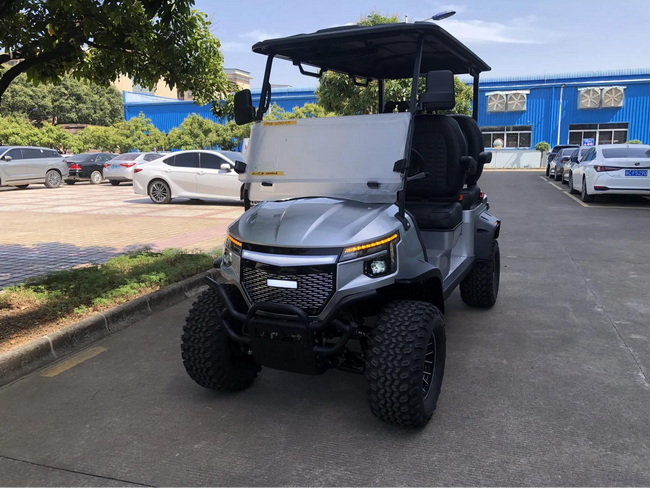
Charging time matters as much as frequency for a healthy electric golf cart battery pack.
- Typical full charge times for an electric golf cart range from 4–10 hours, depending on charger output, battery capacity, and depth of discharge.
- Many owners let the electric golf cart charge overnight with a matched smart charger, which automatically switches to a safe mode when complete.
- Avoid repeatedly running an electric golf cart down to empty and then using fast charging, as this combination raises heat and stress.
If your charger lacks automatic shut‑off, monitor the charging time to avoid overcharging an electric golf cart, especially with older lead‑acid packs. Setting a simple timer or reminder can prevent you from leaving the cart on charge for far longer than necessary. Whenever possible, use a charger designed specifically for your electric golf cart's voltage and chemistry, and avoid mixing chargers from other vehicles.
Proper charging habits and simple maintenance steps can significantly lengthen the lifespan of an electric golf cart battery pack.
- Charge your electric golf cart after each day of use instead of waiting for the pack to become very low.
- Do not leave the electric golf cart sitting in a deeply discharged state; recharge as soon as possible after heavy use.
- Use the correct charger designed for your electric golf cart's battery type and voltage.
- Keep battery terminals clean, tight, and free from corrosion for efficient power and charging.
- For flooded lead‑acid batteries, regularly check and maintain proper water levels using distilled water only.
- Inspect cables, cases, and the underside of your electric golf cart periodically for signs of damage or leaks.
In addition, avoid overloading your electric golf cart beyond its rated capacity and avoid aggressive driving or sudden full‑throttle starts whenever possible. Smooth acceleration and moderate speeds put less strain on the battery pack and the motor, which helps preserve range. Combining mechanical care with smart charging gives you the best overall performance.
Understanding how you actually use your electric golf cart helps convert theory into daily practice.
- Golf course or resort fleets: Plug in every electric golf cart after each round or work shift so vehicles are always ready for the next user.
- Residential communities: If you drive your electric golf cart short distances but daily, charge it each evening; if less frequent, try a regular weekly charging schedule.
- Industrial parks and campuses: Combine shift‑based charging with occasional opportunity charging during longer breaks to keep your electric golf cart fleet within a healthy state‑of‑charge window.
- Seasonal properties: Before seasonal storage, fully charge the electric golf cart, disconnect as recommended, and perform periodic top‑ups to prevent deep self‑discharge.
As a simple example, imagine you use your electric golf cart to drive 3–5 km around your neighborhood every day. Plugging in every night means your cart always starts at or near full charge, and you rarely push the battery deep into its capacity. If you only take it out on weekends, a habit such as charging after every second or third trip and checking state of charge twice a month will keep it in good condition without much effort.
Charging an electric golf cart is generally safe, but following basic safety rules protects both you and your equipment.
- Charge in a well‑ventilated area, especially with lead‑acid batteries that can release small amounts of gas.
- Keep open flames, sparks, and smoking materials away from the charging area.
- Always turn off the electric golf cart and remove the key before connecting or disconnecting the charger.
- Inspect the charger cable and plug regularly for cracks, cuts, or loose connections.
- Make sure the charger is plugged into a suitable power outlet that matches the voltage and current requirements.
If you ever notice strong odors, hissing, unusual heat, swelling battery cases, or repeated tripping of electrical breakers while charging your electric golf cart, stop charging immediately and have the system inspected by a professional. Never attempt to open or repair a battery pack yourself unless you are qualified and trained.
Even with good habits, you may occasionally run into charging problems with your electric golf cart.
- Charger not starting: Check that the outlet has power, the plug is fully inserted, the key is off, and all safety switches are in the correct position.
- Charge time suddenly much shorter or longer: This can signal reduced battery capacity, a failing charger, or temperature‑related performance changes.
- Electric golf cart loses power quickly after a “full” charge: Batteries may be aging, cables may be loose, or individual cells may have failed.
- Warning lights or fault codes on the charger or dash: Refer to your user manual or contact your dealer to interpret these signals correctly.
Keeping a simple log of charging times, usage patterns, and any unusual behavior can help technicians diagnose issues more quickly. If your electric golf cart is still under warranty, always check the terms before attempting any repairs that might affect coverage.
For most users, the simplest and most effective rule is to charge an electric golf cart after each day of use, without waiting for the batteries to run nearly empty. Adjust charging frequency based on battery type, usage pattern, and storage conditions, and always use a compatible smart charger for your electric golf cart. With regular charging, periodic inspections, and proper storage, your electric golf cart will deliver dependable performance and longer battery life.
Contact us to get more information!
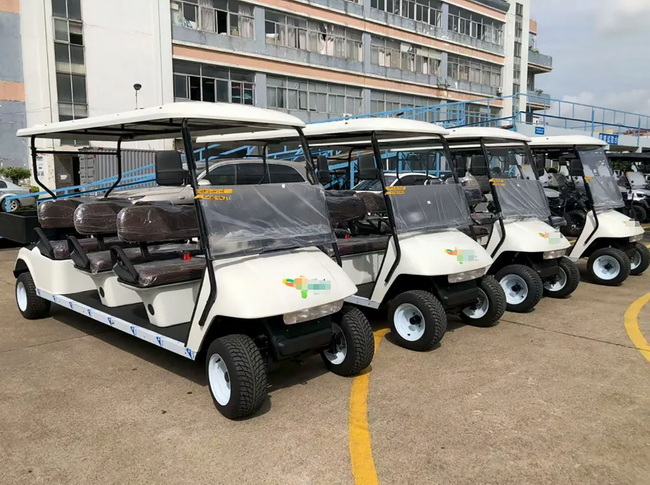
For daily use, charge your electric golf cart after each day's driving or after every round of golf. This prevents deep discharge, keeps the battery pack within a healthy range, and ensures your electric golf cart is always ready for the next trip.
Modern smart chargers are designed to reduce the risk of overcharging an electric golf cart by tapering current or switching to maintenance mode once the pack is full. However, if you use an older or non‑smart charger, leaving it connected too long can overcharge and damage batteries, so you should monitor charging time carefully and follow manufacturer recommendations.
You should avoid repeatedly running an electric golf cart down to a very low state of charge, especially with lead‑acid batteries. Regular top‑up charging after use is better for long‑term health of the electric golf cart battery pack and usually provides more consistent range.
Extreme heat or cold can reduce charging efficiency and increase wear on an electric golf cart battery pack. Whenever possible, charge and store your electric golf cart in a shaded, dry, temperature‑controlled space to keep the batteries within a moderate temperature range.
During long storage periods, charge a lead‑acid electric golf cart battery pack every 1–2 months to avoid deep self‑discharge and sulfation. Lithium electric golf cart packs usually need only a light top‑up every 2–3 months, ideally kept around a mid‑level state of charge rather than completely full or completely empty.
1. https://www.continentalbattery.com/blog/golf-cart-batteries-fact-and-fiction
2. https://www.vatrerpower.com/blogs/news/how-often-should-you-charge-48-volt-golf-cart-batteries
3. https://www.langqinggolfcart.com/how-often-do-you-charge-an-electric-golf-cart.html
4. https://taraelectricvehicles.com/blog/2025/05/28/how-long-does-it-take-to-charge-a-golf-cart-everything-you-need-to-know/
5. https://www.crownbattery.com/news/easy-golf-cart-battery-care-essential-maintenance-checklist
6. https://www.rmigolfcarts.com/blogs/news/7414096-how-often-do-you-recharge-golf-cart-batteries
7. https://golfpgachampionship.com/how-to-charge-electric-golf-cart/
8. https://www.kandiamerica.com/golf-cart-battery-maintenance-tips/
9. https://powerurus.com/blogs/news/10-must-learn-tips-to-extend-the-life-of-golf-cart-batteries
10. https://www.langqinggolfcart.com/how-often-should-i-charge-my-electric-golf-cart.html
11. https://www.electricgolfcarcompany.com/blog/correctly-charging-your-electric-golf-cart--51959
12. https://txpgolfcarts.com/tips-for-maximizing-your-battery-life/


