


Views: 222 Author: Loretta Publish Time: 2025-12-22 Origin: Site


Content Menu
● What Are Electric Golf Carts in Campus Use?
● Why Large Campuses Need Electric Golf Carts
● Core Benefits of Electric Golf Carts on Campus
>> Eco‑Friendly, Low‑Carbon Transportation
>> Cost‑Efficient Daily Operation
>> Low Maintenance and High Durability
>> Quiet, Comfortable, and Safe Ride
>> Customizable for Different Campus Scenarios
● Where Electric Golf Carts Are Used on Large Campuses
>> Resorts, Hotels, and Theme Parks
>> Corporate and Industrial Campuses
>> Hospitals and Healthcare Facilities
● Key Technical Features of Campus Electric Golf Carts
>> Battery Technology and Range
>> Motor Power and Performance
>> Safety and Comfort Features
● How to Plan and Implement Electric Golf Carts on Campus
>> Step 1 - Assess Campus Needs and Routes
>> Step 2 - Design the Fleet Mix
>> Step 3 - Build Charging and Parking Infrastructure
>> Step 4 - Establish Policies, Training, and Safety Rules
>> Step 5 - Monitor Performance and Optimize
● How to Choose the Right Electric Golf Cart Manufacturer
● Example Fleet Configurations for Different Campus Types
● Strategic for Campus and OEM Buyers
● Frequently Asked Questions (FAQ)
>> 1. Why are electric golf carts better than vans for campus transportation?
>> 2. How many electric golf carts does a large campus typically need?
>> 3. Are electric golf carts safe for use around pedestrians?
>> 4. How long do electric golf cart batteries last in campus operations?
>> 5. Can electric golf carts be customized for accessibility and medical use?
>> 6. What infrastructure is required to support an electric golf cart fleet?
>> 7. Are there government incentives for campus electric golf carts?
Electric golf carts (also called electric buggies, campus EV carts, or low‑speed vehicles) are now common on university, resort, industrial, and corporate campuses worldwide. Their zero local emissions, quiet operation, and low operating cost make them ideal where safety, comfort, and environmental performance matter.[4][5]

Electric golf carts for campus transportation are battery‑powered, low‑speed vehicles designed for short‑range trips on internal roads and pathways. They typically carry 2–14 passengers or light cargo, operating at moderate speeds that are safe for pedestrian‑rich environments.[5][6][4][2]
Key characteristics of campus electric golf carts include:[3][4]
- Zero tailpipe emissions and very low noise levels
- Compact size for narrow paths and indoor loading areas
- Configurable seating layouts and cargo beds
- Simple controls and low training requirements
Large campuses can cover dozens or even hundreds of acres, making walking impractical for many daily tasks and routes. Traditional vans and pickup trucks are often noisy, more polluting, and expensive to operate for frequent short trips.[7][8][2][5]
Typical pain points that electric golf carts solve:[2]
- Long distances between classrooms, labs, dormitories, and parking areas
- Frequent internal deliveries of documents, tools, and supplies
- Time‑critical movement of maintenance and security teams
- Accessibility requirements for people with mobility challenges
By integrating a dedicated fleet of electric golf carts for campus transportation, institutions reduce congestion, lower costs, and improve user experience for everyone.[9][7]
Environmental performance is often the top reason campuses adopt electric golf carts. Battery‑electric carts produce zero tailpipe emissions, helping universities and corporate parks reduce local air pollution and overall carbon footprint.[8][9]
Many institutions have formal sustainability goals, and switching internal fleets from gas to electric golf carts is an easy, visible win that supports ESG reporting and green campus branding.[10][2]
Compared with gasoline or diesel vehicles, electric golf carts are significantly cheaper to run and maintain. Electricity usually costs less per kilometer than fuel, and fewer moving parts mean lower maintenance expenses and less downtime.[5][8]
Over a multi‑year lifecycle, campuses typically see:[3]
- Reduced fuel spend for on‑campus transportation
- Lower maintenance labor and spare‑parts costs
- Longer service life if carts are charged and maintained correctly
Electric golf carts have simpler drivetrains than combustion vehicles, with no engine oil, spark plugs, or complex transmissions. This translates into fewer failure points and more predictable preventive maintenance schedules for campus fleets.[5][3]
Reputable electric golf cart manufacturers provide robust frames, corrosion‑resistant chassis, and high‑quality battery systems designed for demanding daily use in universities, resorts, and industrial parks.[2]
Silence is a major UX advantage. Electric golf carts operate with very low noise, protecting the calm of classrooms, libraries, hospitals, and residential zones. Quiet operation also improves the experience for resort guests and corporate visitors, who expect a premium environment.[11][9][7]
Safety is enhanced through:[6][7]
- Moderate speed limits suited to pedestrian‑rich areas
- Good low‑speed maneuverability and visibility
- Optional safety features like seat belts, lights, mirrors, and backup alarms
One reason electric buggies fit so well on large campuses is their high degree of customization. OEM manufacturers offer multiple body configurations to match specific functions.[2][3]
Common customization options include:[9]
- Passenger shuttles (4, 6, 8, or more seats)
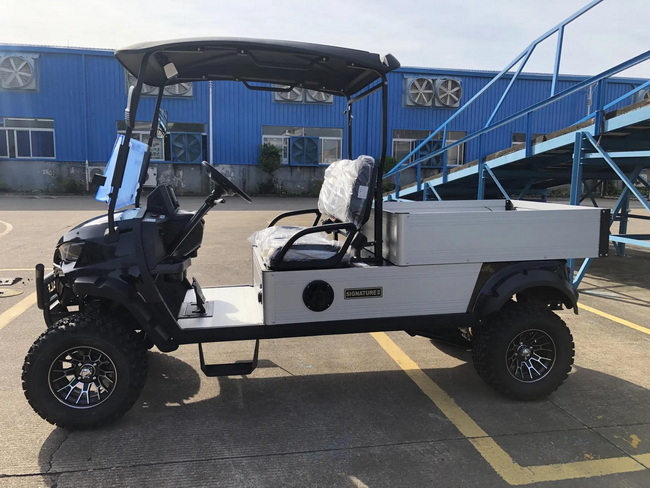
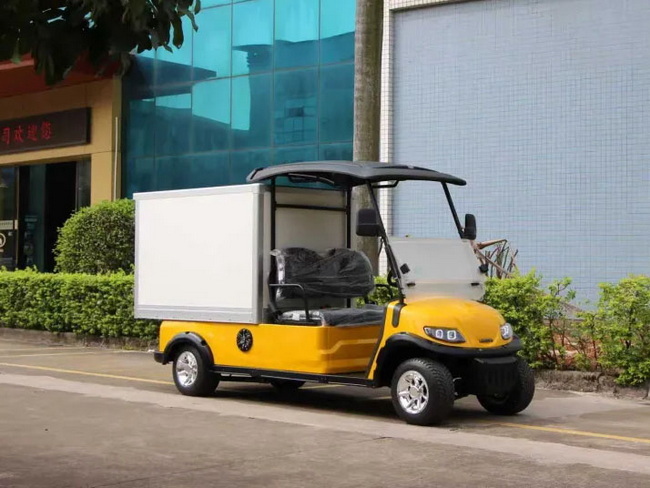
- Utility carts with open or closed cargo beds
- Medical or accessibility carts with stretcher mounts or wheelchair ramps
- Security patrol carts with lighting bars and communication equipment
Universities use electric golf carts for campus transportation to move students, faculty, visitors, and maintenance teams quickly between buildings. They are especially valuable for:[12][9]
- Shuttle services from parking to lecture halls
- On‑demand rides for visitors and VIP guests
- Campus tours for prospective students and families
- Maintenance, groundskeeping, and facility operations
Resorts and hotels operate like self‑contained campuses, where electric buggies provide quiet, comfortable guest transport between rooms, restaurants, pools, and event venues. For theme parks and large attractions, electric golf carts support both guest services and backstage logistics.[13][14]
They also help maintain visual aesthetics by reducing large service vans inside landscaped areas.[9]
Corporate headquarters, logistics hubs, and manufacturing plants use electric golf carts to transport staff, visitors, and light cargo across expansive sites. This improves productivity by cutting walking time and ensuring technicians reach problem areas faster.[13][6][5]
Typical use cases include:[13]
- Moving staff between office blocks and production or test areas
- Internal mail, document, or sample deliveries
- Shuttle services from remote parking to main buildings
Hospital and healthcare campuses rely on electric golf carts for patient transfers, staff mobility, and emergency support within large complexes. Quiet, low‑vibration rides are important for patient comfort and recovery.[7][9]
Accessibility‑focused carts may include:[15][3]
- Wheelchair ramps or lifts
- Extra‑wide doors and handrails
- Seating layouts optimized for caregivers and medical equipment
To evaluate and compare electric golf carts for large campuses, fleet managers need to understand core technical parameters. These features also influence safety, range, and total cost of ownership.[4][3]
Most campus electric golf carts use either lead‑acid or lithium‑ion batteries.[10][4]
- Lead‑acid: Lower upfront cost, proven technology, heavier, more maintenance
- Lithium‑ion: Higher initial investment, longer life, faster charging, lighter weight
Typical campus ranges are 40–80 km per charge, depending on terrain, passenger load, and driving style. Lithium systems often deliver more usable cycles, supporting intensive daily operation with less degradation.[8][4][5][10]
Electric golf carts for campus use are usually designed for low to moderate speeds, often 20–30 km/h, to balance safety and efficiency. Higher‑power motors may be specified for hilly campuses or heavy cargo applications, such as industrial parks and warehouses.[16][6][5]
Controllers can be configured to:[16][4]
- Limit maximum speed to comply with campus or municipal rules
- Adjust acceleration profiles for passenger comfort
- Optimize torque for climbs, ramps, and fully loaded carts
Modern campus electric golf carts can be equipped with a wide range of safety and UX‑oriented features.[3][2]
- LED headlights, tail lights, turn signals, and brake lights
- Seat belts, side doors or bars, and grab handles
- Windshields, wipers, and weather enclosures for all‑season use
- Comfortable seats, suspension upgrades, and low‑step entry for accessibility
These options help campuses comply with internal safety policies and, if required, local low‑speed vehicle regulations.[12][6]
Beyond buying vehicles, campuses need a structured plan for deploying electric golf carts for transportation. A clear implementation roadmap reduces risk and accelerates ROI.[6][3]
Begin with a detailed assessment:[7][3]
1. Map main routes for students, staff, guests, and logistics.
2. Identify peak times, such as class changes or shift changes.
3. Classify use cases: passenger shuttles, utility, security, medical, VIP.
4. Analyze current transport costs (fuel, driver hours, vehicle maintenance).
This data guides fleet size, vehicle configurations, and charging locations.[5][3]
Most campuses benefit from a mixed fleet of electric golf carts tailored to different tasks. For example:[6][3]
- 4–6 seat carts for regular shuttles and tours
- 8–14 seat shuttles for high‑density routes
- Utility carts with cargo beds for maintenance and logistics
- Customized emergency or medical carts for health facilities
Defining the right mix upfront avoids under‑ or overspecifying the fleet.[2][5]
Charging infrastructure is critical for reliable operations. Best practices include:[4][3]
- Centralized charging depots near maintenance workshops
- Decentralized charging points near dorms, offices, or loading docks
- Clear charging schedules (overnight, off‑peak hours)
- Weather‑protected parking with adequate ventilation and safety signage
For lithium‑ion fleets, fast‑charging options can support intensive use with shorter downtime.[8][10]
Campuses should create documented policies for golf cart operation, parking, and maintenance. Key items:[12][6]
- Driver training and authorization requirements
- Speed limits and approved routes
- Passenger capacity rules and loading guidelines
- Inspection checklists and maintenance intervals
Clear policies reduce accidents, protect assets, and ensure consistent user experience.[7][6]
After deployment, managers should track:[5][3]
- Daily or weekly mileage per cart
- Energy consumption and charging patterns
- Downtime and maintenance incidents
- User feedback on comfort and convenience
Data‑driven optimization enables better route planning, fleet expansion, and battery upgrade decisions over time.[10][3]
Selecting a reliable electric golf cart OEM partner is essential for long‑term success. Many campuses work with specialized manufacturers that can customize vehicles to their layout and branding requirements.[3][2][5]
When choosing an electric golf cart manufacturer or OEM supplier, consider:[3]
- Customization capability for seating, cargo, safety, and branding
- Battery technology options (lead‑acid vs lithium‑ion) and expected lifecycle
- Warranty terms, after‑sales support, and parts availability
- Safety certifications, test reports, and regulatory compliance
- Export and OEM experience if you are an overseas buyer
Partnering with a manufacturer that understands campus transportation, golf carts, and multi‑purpose electric vehicles ensures better fleet performance and easier scaling over time.[13][6]
Campus type | Typical electric golf cart use cases | Recommended cart types |
Universities & colleges | Student shuttles, tours, maintenance, security patrols | 4–8 seat shuttles, utility carts, security carts |
Resorts & hotels | Guest transport, baggage handling, housekeeping, VIP services | 6–14 seat buggies, luggage carts, VIP carts |
Corporate/industrial | Staff transfer, internal logistics, visitor shuttles | Utility carts, 4–8 seat shuttles, cargo buggies |
Hospitals & healthcare | Patient transfer, staff mobility, medical support | Accessibility carts, medical carts, 4–6 seat shuttles |
Logistics/parks/campuses | Internal goods movement, maintenance, safety inspections | Heavy-duty utility carts, tow carts, mixed fleets |
This table helps decision‑makers quickly align campus type with the most suitable electric golf cart configurations.[2][3]
Electric golf carts are reshaping campus transportation with cleaner, quieter, and more cost‑effective mobility. For universities, resorts, corporate parks, hospitals, and industrial sites, now is the ideal time to upgrade from fuel‑powered vehicles to a modern electric buggy fleet.[11][9][3]
If you are a brand owner, wholesaler, or fleet operator seeking an experienced OEM partner for electric golf carts and multi‑purpose campus vehicles, consider collaborating with a specialist manufacturer that can design customized campus EV carts tailored to your routes, capacity needs, and branding. Work with such a partner to define your fleet mix, battery technology, and safety options, then roll out a scalable, future‑proof campus mobility solution.[6][13][3][2]
Electric golf carts cost less to operate, produce zero local emissions, and are quieter and easier to maneuver than traditional vans or pickup trucks on narrow campus roads and pedestrian areas.[9][5]
Fleet size depends on campus area, route design, and peak demand, but many universities and corporate parks start with a pilot of 5–15 carts and then scale based on usage data and user feedback.[6][3]
Yes, when operated under defined speed limits with proper training and safety equipment such as lights, mirrors, and warning signals, electric golf carts are well‑suited to pedestrian‑rich environments.[12][7]
Lead‑acid batteries typically last several years under regular maintenance, while lithium‑ion packs can offer longer cycle life and more consistent performance, especially in intensive daily use.[4][10]
Many manufacturers offer specialized configurations with wheelchair ramps, stretcher mounts, extra handrails, and low‑step entry, making electric golf carts viable for hospitals and accessibility services.[15][9]
Campuses mainly need sufficient electrical capacity, designated charging stations or depots, secure parking areas, and basic safety signage and policies; no complex fueling infrastructure is required.[4][3]
In many regions, electric vehicles can qualify for tax benefits, subsidies, or preferential electricity tariffs, which can further reduce lifecycle costs for large campus fleets. Availability varies by country and local policy.[8][5]
[1](https://www.rootsev.com/blog/why-are-large-campuses-adopting-electric-golf-carts-for-transportation/)
[2](https://trielectric.in/electric-golf-cart-college-campuses.php)
[3](https://www.rootsev.com/blog/electric-golf-carts-for-campus-transportation-benefits-and-implementation/)
[4](https://trielectric.in/how-electric-golf-carts-work.php)
[5](https://www.trielectric.in/benefits-of-using-electric-golf-carts.php)
[6](https://www.motoelectricvehicles.com/vehicles/vehicles_list/golf-carts-universities/)
[7](https://www.lakeeriegolfcars.com/blog/golf-carts-on-campus-a-practical-and-sustainable-transportation-solution--63392)
[8](https://gccleaguecity.com/why-electric-golf-carts-are-better-for-the-environment/)
[9](https://www.rootsev.com/blog/advantages-of-using-electric-golf-carts-inside-campus/)
[10](https://evtitan.com/are-electric-golf-carts-eco-friendly-a-breakdown-of-their-environmental-impact/)
[11](https://golfcarsofthedesert.com/blogs/news/the-rise-of-electric-golf-carts-and-their-environmental-benefits)
[12](https://golfcarts.org/carts-on-campus/)
[13](https://www.rootsev.com/blog/how-electric-golf-carts-enhance-passenger-movement-in-large-establishments/)
[14](https://www.arcemev.com/post/electric-golf-carts-the-superior-choice-for-community-mobility)
[15](https://www.saeraauto.com/blog/why-are-large-campuses-turning-to-electric-golf-carts/)
[16](https://www.motoelectricvehicles.com/blog/why-electric-golf-carts-might-rule-the-roads/)
[17](https://pilotcar.com.tr/en/blog/electric-golf-cart-the-future-of-modern-transportation)
[18](https://golfcartscypress.com/the-rise-of-electric-golf-carts-why-theyre-perfect-for-nationwide-use/)
[19](https://www.mainimaterials.com/index.php/blog/top-5-benefits-of-electric-golf-cart)
[20](https://www.reddit.com/r/golfcarts/comments/15ljtid/an_indepth_look_at_the_pros_and_cons_of_gas_and/)


