


Views: 222 Author: Leah Publish Time: 2025-12-27 Origin: Site


Content Menu
● Understanding Gas vs Electric Golf Cart
● Performance and Driving Experience
>> Acceleration, Speed, and Power
>> Range, Routes, and Daily Usage
● Comfort, Noise, and Environment
>> Noise Levels and Ride Quality
>> Emissions and Environmental Impact
● Cost, Maintenance, and Long-Term Ownership
>> Purchase Price and Operating Expenses
>> Maintenance, Reliability, and Battery Life
● Use Cases: Who Should Choose Which?
>> Ideal Scenarios for an Electric Golf Cart
>> Ideal Scenarios for a Gas Golf Cart
● Future Trends in Golf Cart Technology
>> Lithium-Ion Batteries and Smart Charging
>> Connectivity, Safety, and Customization
● How OEM Manufacturers Support Electric Golf Cart Fleets
● FAQ
>> 1. How long does an electric golf cart run on a single charge?
>> 2. Is an electric golf cart cheaper to maintain than a gas model?
>> 3. Are electric golf carts really better for the environment?
>> 4. Can an electric golf cart handle hills and heavier loads?
>> 5. How often do I need to replace the batteries in an electric golf cart?
Choosing between a gas golf cart and an electric golf cartis no longer a simple “power vs convenience” decision. Modern electric golf cart technology delivers strong performance, low running costs, and a quiet, eco-friendly ride that makes it the best option for most golfers, resorts, and residential communities. At the same time, gas golf carts still play an important role where maximum range, rugged terrain, or heavy hauling are essential.[1][2][3]
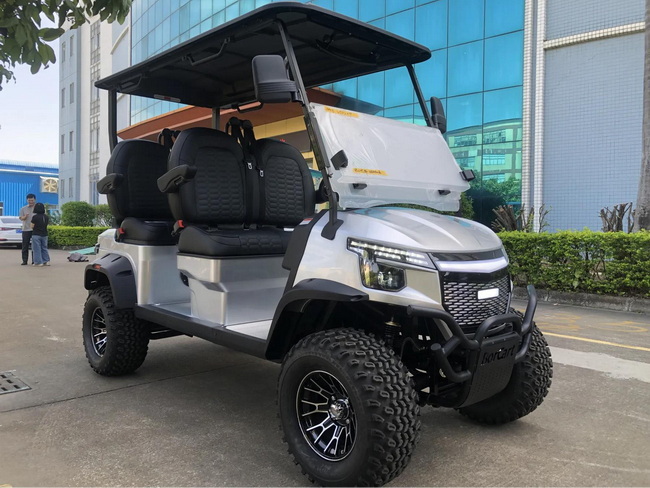
A gas golf cart uses an internal combustion engine powered by gasoline, with a fuel tank, exhaust system, and traditional engine components. In contrast, an electric golf cart relies on a battery pack (often 36V, 48V, or higher) that drives an electric motor, controlled by an electronic controller that manages power delivery and speed.[2][3][4]
The type of golf cart you choose affects noise levels, emissions, maintenance needs, and the total cost of ownership. For operators managing large fleets—such as golf courses, resorts, and tourism parks—the decision can significantly impact operating budgets and guest satisfaction.[4][5][6]
The core difference between a gas golf cart and an electric golf cart lies in the powertrain, and this difference cascades through every aspect of ownership and use. Power source, efficiency, and mechanical complexity all influence how convenient, comfortable, and economical each type of cart is over time.[5][7][2][4]
Factor | Electric golf cart | Gas golf cart |
Power source | Battery pack and electric motor, controlled electronically | Gasoline engine with fuel, exhaust, and lubrication systems |
Emissions | No tailpipe emissions during operation | Exhaust gases containing pollutants |
Noise and vibration | Very quiet, low vibration | Noticeably louder with engine vibration |
Operating cost | Lower, mainly electricity and periodic battery replacement | Higher, including fuel, oil, filters, and engine parts |
Maintenance | Fewer moving parts; routine checks and battery care | Regular engine servicing and more components to inspect |
Range | Typically about 15-25 miles per charge | Often 100-180 miles per tank |
Purchase price | Generally lower than similar gas models | Often higher upfront and in used markets |
Typical usage | Golf courses, resorts, communities, campuses | Rugged terrain, long routes, heavy hauling |
Performance is often the first consideration when people decide between a gas golf cart and an electric golf cart. While both types can move players and cargo around the course or property, their behavior under acceleration, on hills, and at higher loads can be quite different.[2][10][3]
An electric golf cart is known for its smooth, instant torque, which provides a responsive and controlled launch from standstill. This instant torque feel is especially noticeable on flat ground and gentle slopes, where the electric motor delivers power without delay or gear changes.[10][2][3]
Gas golf carts often achieve higher top speeds and can maintain power longer under heavier loads or on steeper hills. The internal combustion engine can be tuned for more aggressive performance, making gas carts appealing in rugged off-course environments or for tasks like towing and hauling.[12][2][10]
For typical golf-course use, resort pathways, and low-speed community driving, the smooth acceleration and controllable speed of an electric golf cart are usually more than adequate. Many modern electric golf cart models also offer programmable speed limits, helping operators meet safety rules on paths and in residential zones.[2][3][4]
A standard electric golf cart with a healthy battery pack commonly covers around 15-25 miles on a single full charge, depending on voltage, battery capacity, terrain, and driving style. This range is typically enough for an 18-hole round, daily resort loops, or community errands that fit into predictable patterns.[2][3][4]
Gas golf carts, by contrast, may travel 100-180 miles on a tank of fuel, making them suitable for large properties, long routes, and remote locations. Refueling is quick and simple, so operators do not need to plan for overnight charging or mid-day top-ups.[3][2]
For fleet operators who manage scheduled routes, charging routines for each electric golf cart can be integrated into nightly operations, ensuring vehicles are ready for the next day. In many cases, the predictable nature of golf and resort operations aligns naturally with the range profile of electric models.[13][11][5][2]
Comfort is more than soft seats and a smooth suspension; it also involves noise levels, vibration, and the air quality around the vehicle. This is where an electric golf cart excels, especially in quiet, high-end environments such as resorts and private communities.[9][11][1]
The electric golf cart operates with minimal noise because its motor produces far less sound than a gasoline engine. Players can converse easily while driving between holes, and guests in resorts or residential areas experience a calmer, more relaxing atmosphere.[1][9][4]
Gas golf carts produce noticeable engine noise, especially under acceleration or climbing hills, and they generate vibration that can be felt through the chassis. On quiet mornings or in peaceful neighborhoods, this noise can feel intrusive, which is why many operators are transitioning their fleets to electric models.[13][1][4]
Electric golf carts produce zero tailpipe emissions during operation, which significantly improves local air quality on courses, campuses, and in gated communities. They eliminate exhaust fumes and reduce exposure to pollutants such as carbon monoxide and unburned hydrocarbons that come from gasoline engines.[8][1][4]
Gas golf carts emit greenhouse gases and other pollutants, contributing to local air contamination and a larger environmental footprint. They also carry risks of fuel and oil leaks that can damage grass, soil, and waterways if spills occur during refueling or maintenance.[8][13][1]
As part of broader sustainability strategies, many golf clubs, resorts, universities, and housing developments are moving toward all-electric fleets. In these settings, an electric golf cart supports environmental commitments, public perception, and regulatory requirements better than a gas alternative.[14][11][13]
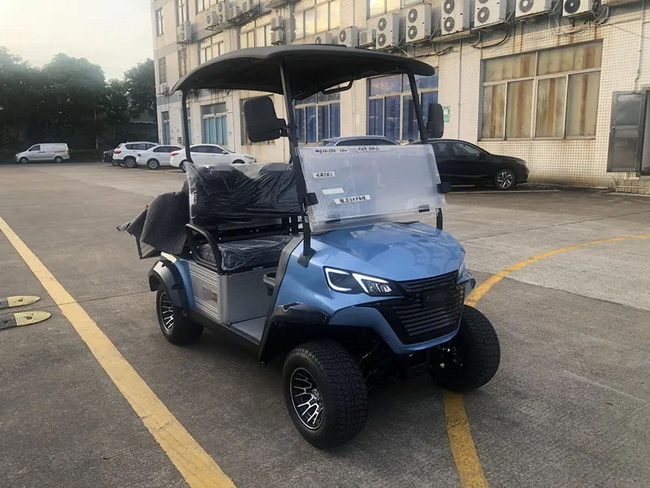
Comparing a gas golf cart and an electric golf cart only by sticker price can be misleading, because fuel, electricity, service, and parts quickly influence the total cost of ownership. Understanding ongoing costs is essential for business operators and private buyers alike.[6][7][5]
In many markets, an electric golf cart has a lower purchase price than a comparable gas model, especially in the used segment. This price advantage makes it easier for clubs and communities to expand fleets or upgrade older units to newer electric platforms.[6][4][3]
Operating an electric golf cart is generally cheaper per mile because electricity typically costs less than gasoline and there is no need for oil changes or complex engine repairs. Over months and years, the savings from lower energy costs and simpler maintenance can be substantial for fleets with dozens or hundreds of units.[7][5][10]
Gas golf carts, by contrast, require regular fuel purchases, oil and filter changes, and more frequent replacement of mechanical parts, such as belts and spark plugs. These repeating costs add up and can easily outpace the higher initial purchase price of gas units compared to electric models.[5][6][4]
Electric golf carts have fewer moving parts than gas carts, which naturally reduces the number of components that can fail or require adjustment. Routine maintenance focuses on battery care, tire pressure, brakes, steering, and occasional checks of electrical connections.[7][5][4]
Gas golf carts demand more intensive service because engines must be lubricated, cooled, fueled, and properly tuned to remain reliable. Owners must monitor oil levels, replace air and fuel filters, adjust or replace spark plugs, inspect belts, and occasionally address carburetor or fuel-injection issues.[5][7][4]
Battery life is a central question for electric golf cart owners. Lead-acid batteries often last around 3-7 years when properly maintained, depending on charging habits, depth of discharge, and environment. Lithium-ion batteries cost more initially but can provide longer life, more usable capacity, and reduced maintenance needs over time.[15][7][5]
When budgeting, it is wise to treat battery replacement as a periodic capital expense rather than a surprise cost. Over the full life cycle of the cart, an electric golf cart often remains less expensive to own than a gas golf cart, even after including one or more battery replacements.[6][10][5]
The best way to answer whether gas or electric is “better” is to consider the specific use case. Different users and environments benefit from different strengths of each type of cart.[12][10][2]
An electric golf cart fits particularly well in environments where low noise and clean operation matter. Examples include the following situations.[11][1]
- Golf courses that want to maintain a serene, premium atmosphere and avoid engine noise on fairways.[1][4]
- Resorts and hotels that transport guests between rooms, pools, restaurants, and beaches in a quiet, comfortable way.[13][1]
- Residential and retirement communities that want safe, low-speed transport without exhaust fumes or disruptive engine sound.[14][11]
- Campuses, industrial parks, and theme parks with established routes and nightly downtime that perfectly match charging cycles.[11][5]
In these cases, the quiet performance and low local environmental impact of each electric golf cart directly enhance user experience and support long-term sustainability goals.[11][1]
A gas golf cart remains a strong option where maximum range and continuous use outweigh concerns about noise and emissions. Some typical examples include the following.[10][2]
- Large rural properties or farms where routes are long, surfaces are rough, and charging infrastructure may be limited.[12][2]
- Hunting, trail riding, or off-road work in remote areas where refueling with portable fuel cans is easier than arranging electricity.[10][2]
- Heavy industrial or construction environments where carts carry tools, materials, and multiple workers all day on varied terrain.[2][3]
Here, the extended range and robust power of gas models can justify their higher operating costs and environmental impact, especially when downtime is expensive.[12][2]
The golf cart industry is evolving quickly, with electric golf cart technology advancing at a faster pace than gas alternatives. Battery chemistries, motor designs, and control systems are improving efficiency, reliability, and user experience year after year.[15][11][2]
Lithium-ion batteries are becoming more common in high-end electric golf cart models due to their higher energy density, longer cycle life, and lower maintenance requirements. They are lighter than traditional lead-acid packs, which improves acceleration, handling, and efficiency, especially on hilly courses.[15][7][3]
Smart chargers and battery management systems monitor cell health, temperature, and charging patterns, protecting the battery pack and extending its service life. For fleet operators, networked charging solutions can optimize charging times, reduce peak electricity demand, and provide detailed usage data for each electric golf cart.[7][15][5][11]
Modern electric golf carts increasingly feature connectivity options such as GPS tracking, geofencing, and remote diagnostics. These capabilities allow operators to monitor vehicle location, adjust speed limits in sensitive areas, and schedule preventative maintenance before problems become serious.[13][5][11]
Safety enhancements like automatic speed reduction on hills, regenerative braking, and programmable acceleration curves are easier to implement on an electric golf cart platform than on a gas model. Customizable seating, cargo configurations, and body styles further expand how electric golf carts can serve in tourism, hospitality, campus logistics, and light commercial roles.[4][11][3][2]
For international brand owners, wholesalers, and distributors, partnering with a specialized OEM manufacturer creates flexibility and competitive advantage in the electric golf cart market. A capable OEM factory can engineer and build customized vehicles that match regional regulations, branding requirements, and usage patterns.[6][12]
Experienced manufacturers of electric vehicles and automotive components can help partners transition from gas-focused portfolios to electric-focused lineups. This includes tuning motor and battery combinations for local terrain, integrating upgraded seating and cargo layouts, and adding features aimed at resorts, tourism operators, or low-speed vehicle applications.[11][13][2]
For buyers overseas—such as golf clubs, rental companies, and distributors—working with an OEM dedicated to the electric golf cart segment can reduce development time, secure consistent quality, and ensure a smooth after-sales support structure. With demand for quiet, efficient, and environmentally responsible transport rising globally, such partnerships are becoming increasingly valuable.[14][6][12][11]
For most golf courses, resorts, hotels, campuses, and residential communities, the electric golf cart is the better overall choice, delivering quiet performance, lower operating costs, and zero local emissions. Its smooth acceleration, simple maintenance, and compatibility with sustainability goals make it the preferred solution for modern mobility in low-speed environments.[1][5][4]
Gas golf carts still have a role where extreme range, steep terrain, or heavy hauling take priority over noise and emissions, particularly in remote or industrial locations. However, as battery and charging technologies improve, the advantages of the electric golf cart continue to grow, making it the smarter long-term investment for most operators and private owners.[10][11][2]
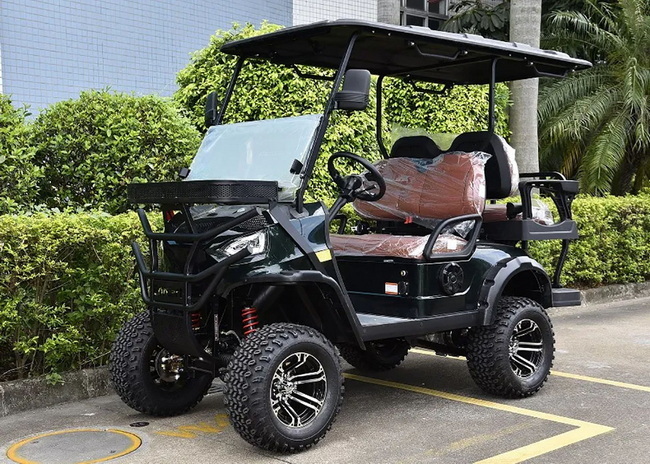
A typical electric golf cart can travel about 15-25 miles per full charge, depending on battery voltage, capacity, terrain, load, and driving style. Fleet operators often set route lengths and schedules so that every electric golf cart completes its daily tasks comfortably within this range and then charges overnight.[3][11][2]
Yes, an electric golf cart is usually cheaper to maintain because it has fewer moving parts and does not need oil changes, fuel filters, spark plugs, or engine tune-ups. Most of the long-term cost relates to eventual battery replacement, while gas carts accumulate recurring expenses for fuel, engine service, and more frequent parts wear.[5][7][4]
Electric golf carts produce no exhaust emissions during operation, which reduces local air pollution on courses, campuses, and in residential areas. They also remove the risk of fuel and oil spills that can damage grass and waterways, helping golf clubs and communities align with environmental and sustainability goals.[8][1][11]
Modern electric golf carts with higher-voltage systems and properly sized motors can climb moderate hills and carry multiple passengers or cargo reliably. For extremely steep terrain or very heavy loads, a gas golf cart may still provide more consistent high-power performance, but this is not necessary for most everyday golf, resort, or community use.[12][4][2][10]
Lead-acid batteries in an electric golf cart typically last between 3 and 7 years when they are charged correctly and maintained with proper water levels and clean terminals. Lithium-ion batteries can last significantly longer, and although they cost more upfront, they often reduce maintenance, improve range, and lower life-cycle costs for operators who use carts intensively.[15][7][5]
[1](https://www.progressive.com/answers/gas-vs-electric-golf-carts/)
[2](https://www.rootsev.com/blog/electric-vs-gas-golf-carts-a-comparative-analysis/)
[3](https://blog.acmetools.com/electric-vs-gas-golf-carts-which-is-right-for-you/)
[4](https://www.golfcartgarage.com/blog/gas-vs-electric-golf-cart-which-one-is-best/)
[5](https://www.jdclubcar.com/blog/the-full-cost-of-golf-cart-ownership)
[6](https://www.gowithgarretts.com/what-is-the-true-cost-of-a-golf-cart/)
[7](https://caddiewheel.com/blogs/golf-content/golf-cart-maintenance-cost-save-money-extend-your-carts-life)
[8](https://golfnews.co.uk/other-news/gas-vs-electric-golf-carts-and-how-they-impact-on-environmentally/)
[9](https://etto.com/blog/electric-vs-gas-golf-carts/)
[10](https://www.vatrerpower.com/blogs/news/is-a-gas-or-electric-golf-cart-better-exploring-the-pros-and-cons)
[11](https://evtitan.com/are-electric-golf-carts-eco-friendly-a-breakdown-of-their-environmental-impact/)
[12](https://carts-and-parts.com/gas-vs-electric-golf-cart/)
[13](https://golfcart.fun/blog/golf-cart-rentals/golf-carts-and-the-environment-how-electric-carts-are-making-a-difference/)
[14](https://www.neighbor.com/storage-blog/gas-vs-electric-golf-cart/)
[15](https://evtitan.com/hidden-costs-of-owning-an-electric-golf-cart-what-to-expect/)


