


Views: 222 Author: Loretta Publish Time: 2025-12-20 Origin: Site


Content Menu
● Why Spring Maintenance Matters
● Key Spring Golf Cart Maintenance Keywords
● Step 1: Spring Battery Health Check
>> Lead-Acid Battery Checklist
>> Lithium Battery Considerations
● Step 2: Tire Inspection and Pressure Setup
● Step 3: Brake System Safety Inspection
● Step 4: Fluids, Lubrication, and Drive System
>> Fluid Checks
>> Lubrication and Drive Components
● Step 5: Chassis, Suspension, and Steering
● Step 6: Electrical System and Lighting Check
● Step 7: Deep Cleaning and Appearance Refresh
● Step 8: Review Manufacturer Guidelines and Maintenance Schedules
● Seasonal Golf Cart Maintenance Schedule Template
● Spring Maintenance Tips for Fleet Owners and OEM Buyers
● Simple DIY vs. Professional Service – What to Handle Yourself
● Get Your Golf Carts Spring-Ready with Reliable OEM Support
● FAQ
>> 1. How often should I service my golf cart in spring?
>> 2. What is the most important spring maintenance task for electric golf carts?
>> 3. Do gas golf carts need different spring maintenance steps?
>> 4. Is it safe to wash my golf cart batteries during spring cleaning?
>> 5. When should I replace my golf cart tires and brakes instead of just inspecting them?
Proper spring maintenance is the easiest way to extend your golf cart's lifespan, prevent mid-season breakdowns, and keep every ride smooth and safe after winter storage. This guide walks through a practical, step-by-step spring golf cart maintenance checklist for electric and gas carts, with extra tips tailored to fleet owners, course managers, and OEM buyers.[1][2][3]
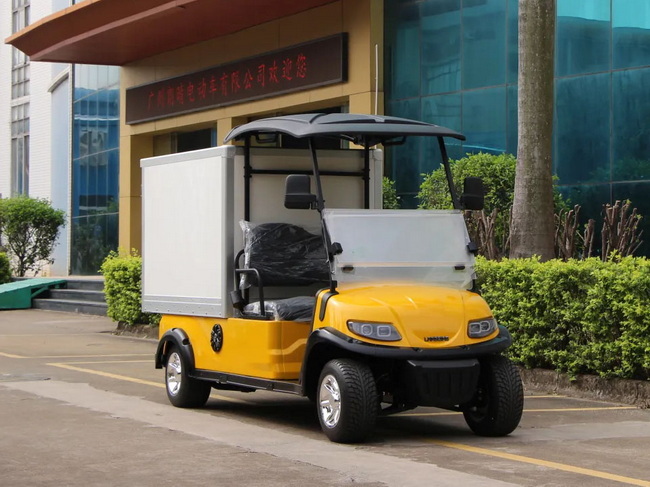
As temperatures rise, problems hidden during winter—weak batteries, corroded terminals, low fluids, or worn brakes—quickly turn into performance issues or safety risks. A structured spring inspection helps you detect issues early, reduce repair costs, and protect your investment in golf carts and low-speed vehicles.[1][2][3]
- Prevent unexpected failures during the first rounds of the season.[1]
- Protect batteries, tires, and brakes from accelerated wear after storage.[2][1]
- Improve rider comfort and safety across golf courses, resorts, communities, and industrial sites.[4][5]
To help search engines and readers understand the focus of this guide, the content emphasizes spring golf cart maintenance, golf cart spring maintenance tips, and golf cart maintenance checklist in a natural way.[6][2]
- Primary keyword: spring golf cart maintenance tips
- Secondary keywords:
- golf cart spring maintenance checklist
- electric golf cart spring maintenance
- golf cart battery maintenance in spring
- golf cart tire and brake inspection
The battery pack is the heart of your electric golf cart and the most common source of spring problems after long storage. Lead-acid batteries need more attention than lithium packs, especially if they were left partially discharged over winter.[1][2]
- Check electrolyte water level in each cell and top up with distilled water until plates are just covered before charging.[1]
- Inspect terminals for corrosion; clean using a baking soda and water solution, then rinse and dry thoroughly.[1]
- Tighten all cable connections to avoid hot spots and melted posts under load.[2][1]
- Measure pack voltage; replace weak batteries as a set instead of mixing old and new units for stable performance.[3][2]
Lithium golf cart batteries generally require less seasonal maintenance but still deserve a quick health check.[2][1]
- Follow the manufacturer's charging and storage guidelines exactly, including voltage limits and BMS instructions.[1]
- Inspect the battery case and wiring for any swelling, damage, or loose harness connectors.[6][2]
Tires affect ride comfort, braking distance, and stability, especially when carts carry passengers or cargo after months of sitting. Underinflated, cracked, or unevenly worn tires can lead to poor handling or blowouts on the course.[7][3][1]
- Inspect sidewalls for cracks, bulges, or dry rot, particularly on carts stored in unheated garages.[7][1]
- Check tread depth; replace tires with severely worn or uneven tread to maintain traction on wet or hilly fairways.[8][7]
- Set tire pressure to the manufacturer's recommended range, keeping all four tires consistent for stable steering.[1][2]
A well-maintained braking system is critical for both personal carts and commercial fleets operating on slopes, paths, and streets. Spring is the ideal time to verify that brakes respond quickly and quietly under load.[3][2][1]
- Examine pads, shoes, drums, and cables for wear, glazing, or damage.[1]
- Listen for grinding, squealing, or increased pedal travel; these often signal worn friction material or adjustment problems.[1]
- Test brakes in a controlled area; if response is soft, noisy, or inconsistent, arrange a professional service inspection.[2][1]
Even electric carts rely on key fluids and lubrication points that suffer during long idle periods. Gas-powered carts add engine oil, fuel filters, and additional drive components to the spring maintenance list.[6][2][1]
- Confirm brake fluid level and inspect for leaks around master cylinder and lines.[1]
- Check differential or transaxle fluid if applicable; top up or replace according to the manufacturer's interval for smoother operation.[6][1]
- Grease suspension and steering fittings according to the service schedule to reduce friction and noise.[1]
- Inspect belts or chains in the drive system for cracks, fraying, or slack; tighten or replace if worn to avoid sudden failure.[1]
Rough surfaces, winter storage, and repeated loading can loosen hardware and accelerate wear on suspension parts. A quick but methodical underbody check improves ride comfort and confidence for drivers.[5][3][1]
- Inspect leaf springs, shocks, bushings, and steering linkages for cracks, rust, or excessive play.[1]
- Tighten visible bolts, nuts, and mounting brackets, especially around the suspension and steering rack.[1]
- Test steering feel; excessive looseness or vibration may indicate worn tie rods or alignment issues.[3][2]

Modern carts often run aftermarket lights, USB ports, sound systems, and accessories that can suffer from moisture or corrosion during winter. Spring is the time to restore full electrical safety before dawn or dusk use.[8][2][1]
- Inspect wiring harnesses for frayed insulation, loose connectors, or exposed copper.[1]
- Test headlights, brake lights, tail lights, turn signals, and horn; replace blown bulbs or damaged fixtures.[1]
- Verify chargers and charging ports operate correctly and shut off as designed when packs reach full charge.[2][1]
A clean cart is easier to inspect, more pleasant to drive, and more appealing to guests or customers on resorts and courses. Spring cleaning also helps remove corrosive residues left by winter storage or battery venting.[8][1]
- Rinse body panels, roof, and undercarriage, avoiding direct high-pressure spray on sensitive electronics.[8][1]
- Wash and dry seats, steering wheel, and floor mats; treat vinyl or plastic surfaces with suitable protectants.[1]
- Apply wax to painted or gelcoat surfaces to add UV protection and keep the cart looking newer for longer.[8][1]
Each golf cart platform—whether a personal cart or commercial model—has specific intervals and procedures in the owner's manual. Aligning your spring checklist with these guidelines protects warranties and ensures components are serviced at the right time.[2][1]
- Use the manual's maintenance schedule to confirm what should be inspected annually, monthly, or by hours of use.[1]
- If your fleet includes different brands or powertrains, maintain a centralized schedule to avoid missing critical tasks.[3][2]
Beyond spring, owners benefit from a simple seasonal plan that keeps carts reliable all year.[3][2]
Season | Key Golf Cart Maintenance Tasks |
Spring | Full battery inspection, tire and brake checks, fluid checks, chassis tightening, full cleaning. |
Summer | Monthly battery cleaning, tire pressure checks, lubrication of moving parts, light and horn tests. |
Fall | Inspect brakes and tires before wet conditions, check lights for shorter days, clean batteries and connections. |
Winter | Proper storage charge, parking brake off if recommended, cover carts, periodic battery top-up for lead-acid packs. |
Proper storage charge, parking brake off if recommended, cover carts, periodic battery top-up for lead-acid packs.
This simple table doubles as a golf cart maintenance checklist that course managers and homeowners can adapt to their local climate.[3][2]
For golf courses, resorts, and communities operating multiple carts, spring maintenance is also a business decision that impacts uptime and guest satisfaction.[4][5]
- Standardize a fleet inspection form covering batteries, tires, brakes, lights, and accessories for every unit at the start of the season.[4][2]
- Group similar models and power systems so technicians follow the correct procedures and parts lists for each cart type.[2][3]
- Work with OEM partners who design carts and components for easy maintenance access, clear labeling, and robust corrosion protection.[9][10]
Many spring golf cart maintenance tasks are DIY-friendly, but some safety-critical checks are better handled by professionals with the right tools.[2][1]
Generally DIY-friendly tasks
- Cleaning and inspecting batteries and terminals.[2][1]
- Checking tire condition and adjusting pressure.[7][1]
- Basic washing, interior cleaning, and cosmetic care.[8][1]
Best left to professionals
- Detailed brake inspections with drums and cables removed.[3][2]
- Electrical troubleshooting involving controllers, BMS, or complex accessory wiring.[6][2]
- Major drive system repairs, differential work, or structural welding.[5][2]
This balance keeps owners involved in routine care while reducing the risk of errors in complex or safety-critical systems.[3][2]
A structured spring golf cart maintenance routine ensures every cart—whether used on golf courses, resorts, campuses, or industrial sites—starts the season strong, safe, and comfortable to drive. For brands, wholesalers, and fleet operators looking to upgrade or expand their carts, partnering with an experienced electric vehicle OEM provides access to optimized designs, durable components, and easier long-term maintenance.[10][9][1]
- Review this checklist and schedule your spring service window now.
- Document each cart's status and create a seasonal maintenance log.
- When planning new purchases or fleet renewal, choose OEM suppliers that design with maintenance, safety, and lifecycle cost in mind.
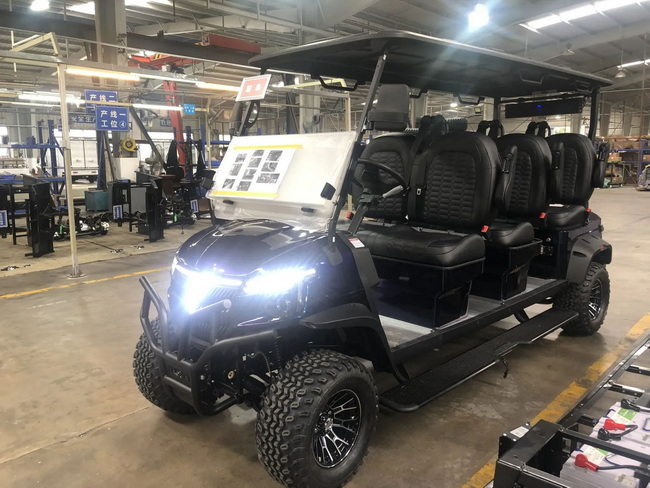
A detailed spring service is recommended once per year, ideally before regular use resumes after winter storage. Battery checks, tire inspection, brake evaluation, and electrical tests should all be included to prevent in-season failures.[3][1][2]
For electric carts, battery maintenance is the single most critical task, including water level checks for lead-acid packs, corrosion cleaning, and proper charging. Weak batteries cause reduced range, slow acceleration, and charging issues, especially after periods of storage.[1][2]
Gas golf carts require all the standard checks plus engine-specific tasks such as oil changes, fuel filter inspection, and air filter replacement. These steps keep combustion engines starting reliably and running cleanly as temperatures rise.[5][6][2]
It is acceptable to rinse lead-acid batteries lightly as long as sensitive electronics are protected, and terminals are cleaned with a baking soda and water solution. After cleaning, connections must be dried and tightened to prevent corrosion and overheating.[2][1]
Replace tires if you see deep cracks, bulges, or severely worn tread, and replace brakes when pads or shoes are thin, noisy, or unable to stop the cart effectively. Waiting too long increases stopping distance and the risk of loss of control, especially on slopes or wet turf.[7][8][3][2]
[1](https://www.predatorridge.com/blog/golf/golf-cart-spring-maintenance/)
[2](https://www.golfcarttiresupply.com/golf-cart-maintenance/)
[3](https://www.kandiamerica.com/golf-cart-maintenance-checklist/)
[4](https://www.bennelsongolfcars.com/blog/preparing-your-golf-cart-fleet-for-the-spring-season--67753)
[5](https://www.morgolfmn.com/blog/prepare-golf-cart-for-seasonal-changes)
[6](https://ezcartcare.com/golf-cart-maintenance-guide.html)
[7](https://www.i-5motorsports.com/blog/spring-maintenance-tips-for-your-golf-cart--46461)
[8](https://cologolfandturf.net/spring-cleaning-tips-for-your-golf-cart/)
[9](https://coastalcruisingcarts.com/blog/seasonal-lsv-maintenance-tips-for-charlestons-coastal-climate/)
[10](https://www.singlegrain.com/seo/e-e-a-t-strategies-that-guarantee-googles-trust-in-2025/)
[11](https://www.rootsev.com/blog/spring-maintenance-tips-for-golf-cart/)
[12](https://www.youtube.com/watch?v=beKKqxZeFG0)
[13](https://www.facebook.com/groups/GolfCartsModified/posts/3790746357865058/)
[14](https://growresolve.com/what-is-eeat-for-seo/)
[15](https://wellows.com/blog/e-e-a-t-checklist/)
[16](https://www.reddit.com/r/golfcarts/comments/lzr7gt/what_do_i_need_to_know_for_the_spring/)
[17](https://www.facebook.com/groups/715258245854749/posts/1695919371121960/)
[18](https://content-whale.com/blog/google-e-e-a-t-guidelines-explained/)
[19](https://developers.google.com/search/docs/fundamentals/creating-helpful-content)
[20](https://digitaloft.co.uk/leveraging-in-house-experts-for-eeat/)


