


Views: 222 Author: Leah Publish Time: 2026-01-03 Origin: Site


Content Menu
● Why Winterizing an Electric Golf Cart Matters
● Step 1: Deep Clean the Electric Golf Cart
● Step 2: Inspect and Service the Battery
● Step 3: Charge and Disconnect the Battery Pack
● Step 4: Special Considerations for Lithium Electric Golf Carts
● Step 5: Protect the Drivetrain and Moving Components
● Step 6: Tires, Suspension, and Parking Position
● Step 7: Choose a Safe Storage Location
● Step 8: Covering and Securing the Electric Golf Cart
● Step 9: Periodic Winter Checkups
● Step 10: Spring Wake-Up Checklist
● Safety Tips During Winterization
● FAQ
>> 1. How long can an electric golf cart stay in winter storage?
>> 2. Should an electric golf cart stay plugged into the charger all winter?
>> 3. Can electric golf cart batteries freeze in cold weather?
>> 4. Is winterization different for lithium electric golf carts?
>> 5. Do I need to lift my electric golf cart off the ground during winter?
Winterizing an electric golf cart properly protects your investment from cold temperatures, moisture, and long storage periods so it is ready to run smoothly when spring returns. With a structured checklist that focuses on cleaning, battery care, mechanical protection, and smart storage, any owner can confidently prepare an electric golf cart for winter downtime. This complete guide explains each step in detail and highlights best practices for both lead-acid and lithium battery systems used in modern electric golf carts.[1][2]
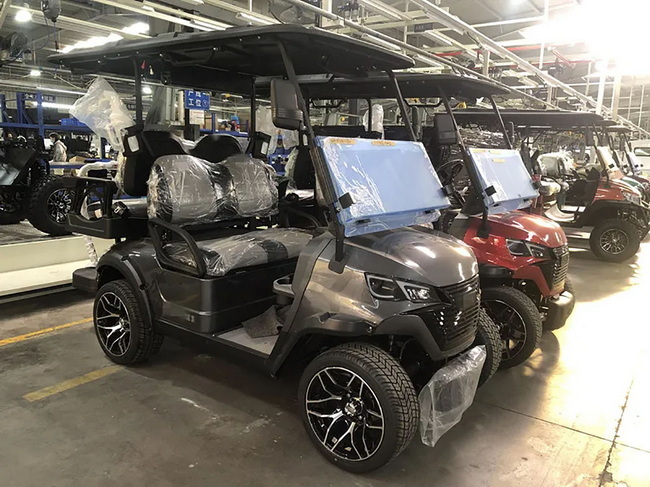
Cold weather is especially hard on the battery pack and metal components of an electric golf cart, and ignoring winter preparation often leads to reduced range, corrosion, and expensive repairs later. By taking a few careful steps before temperatures drop, you dramatically extend the service life, reliability, and resale value of your electric golf cart.[2][1]
Proper winterization helps an electric golf cart in several important ways.[1]
- It maintains battery health, preventing deep discharge, sulfation, or freezing damage during long storage.
- It protects metal parts on the electric golf cart from rust caused by residual dirt, salt, and trapped moisture.
- It ensures the electric golf cart can be reactivated quickly in spring with minimal extra work.
For owners who operate electric golf carts in residential communities, resorts, golf courses, industrial parks, or hunting areas, effective winterizing also keeps fleets available and reduces downtime when business picks up again.[2]
Cleaning might seem cosmetic, but it is a critical first step in winterizing an electric golf cart because it removes contaminants that can slowly damage surfaces during storage. Dirt, grass, and road salt trap moisture, and over several months this combination can cause rust spots on the frame, suspension hardware, and battery trays of an electric golf cart.[3][1]
To deep clean an electric golf cart before winter:
- Rinse the body, underside, and wheel wells with low-pressure water to wash away mud and debris.
- Use a mild automotive soap on the body panels, roof, and wheels of the electric golf cart, then rinse thoroughly.
- Clean the floor area and bag well or cargo bed, where sand and dirt often accumulate.
After washing, it is crucial to dry the electric golf cart completely.[2]
- Use towels or a blower to remove standing water from crevices, seat hinges, and under the floor mat.
- Let the electric golf cart sit in a ventilated area until all visible moisture evaporates.
A perfectly clean and dry electric golf cart is much less likely to develop rust, mildew, or stains over a long winter break.[3]
The battery pack is the heart of an electric golf cart, and winter storage is the time when poor maintenance causes the most damage. Both lead-acid and lithium batteries lose capacity in cold conditions, but lead-acid packs are especially vulnerable if they sit discharged for extended periods.[1][3]
Begin by inspecting the battery area of the electric golf cart:
- Check the case of each battery for cracks, bulges, or leaks.
- Examine battery cables and lugs for corrosion, frayed strands, or loose connections.
- Make sure hold-down brackets on the electric golf cart are secure but not overly tight on battery cases.
For flooded lead-acid batteries, take a few extra steps.[1]
- Remove vent caps and inspect electrolyte levels; fluid should cover the plates but stay below the fill ring.
- Add only distilled water if the level is low, and avoid overfilling before charging the electric golf cart.
- Clean corrosion from terminals using a baking soda and water mixture, then rinse and dry thoroughly.
After cleaning, apply a thin coat of dielectric grease or a dedicated battery terminal protectant to help prevent future corrosion on the electric golf cart battery posts. This simple step improves conductivity and reduces voltage drop under load during the next season.[3]
Before storing an electric golf cart, the battery pack should be brought to a suitable state of charge according to the battery type. Lead-acid packs are typically stored fully charged, while lithium packs are often stored partially charged, but in both cases a stable charge condition protects the cells over time.[4][1]
For traditional lead-acid electric golf carts:
- Plug the cart into its manufacturer-approved charger and allow a full charge cycle to complete.
- Confirm that the charger's status indicator shows fully charged before disconnecting.
- Once the pack is fully charged, many technicians recommend disconnecting the main positive and negative cables so the electric golf cart does not slowly discharge through small parasitic loads.[3]
Some owners use an automatic smart maintainer that periodically tops up lead-acid batteries in an electric golf cart over the winter. Where this is done, the charger should be compatible with the pack, properly ventilated, and inspected regularly to ensure safe long-term use.[5][6]
For lithium-powered electric golf carts:
- Most manufacturers suggest storing batteries at roughly 50–70% state of charge for longest life.[4]
- After reaching the recommended level, the electric golf cart is typically disconnected from the charger, and the pack is left resting.
In both cases, the key is to avoid leaving an electric golf cart sitting for months with a deeply discharged or overcharged pack, conditions that shorten battery lifespan.[1]
Lithium technology is increasingly popular in electric golf carts because of its lighter weight, faster charging, and longer cycle life. However, winter storage requirements differ slightly from traditional lead-acid systems and must be followed carefully.[7][4]
For a lithium electric golf cart, consider these guidelines:
- Store the pack in a cool, dry environment; severe cold is less damaging than extreme heat, but temperatures below freezing should still be minimized where possible.[4]
- Many lithium systems include a built-in battery management system (BMS) that protects cells during storage; be sure the electric golf cart's lithium pack is fully powered down as recommended by the manufacturer.
- In most cases, a maintainer is not needed and can even be discouraged for lithium packs, since the BMS manages low-level self-discharge.[8]
Owners should review the manual for their specific electric golf cart model, because different lithium brands may recommend slightly different storage voltages and procedures. Following manufacturer guidance closely is the safest way to preserve a premium lithium electric golf cart battery pack over winter.[7][4]
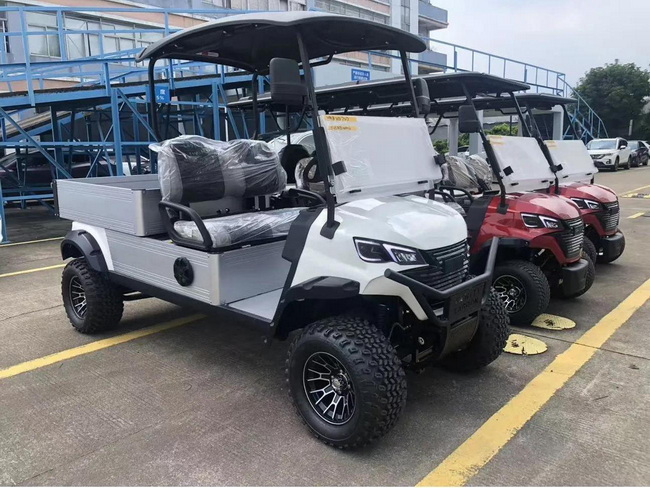
Beyond the battery system, a well-maintained drivetrain keeps an electric golf cart riding smoothly and quietly after winter storage. Cold weather and inactivity can cause lubricants to thicken and metal surfaces to develop light rust, especially in humid or coastal regions.[2][3]
Before winter storage:
- Lightly lubricate suspension pivot points, steering joints, and pedal shafts on the electric golf cart using manufacturer-approved lubricants.
- Check rear axle housings and reduction gears for leaks or damage, and address any issues before parking the electric golf cart for months.
- Inspect the throttle linkage and brake cables to ensure they move freely and do not stick.
If the electric golf cart uses an oil-filled gearbox or transaxle, confirm fluid levels according to the service manual and top up if necessary. A quick mechanical inspection now helps prevent stiff pedals, noisy steering, or drive issues when the electric golf cart returns to regular use in spring.[2]
Tires often get overlooked in winterizing, but they play a big role in ride comfort and safety once an electric golf cart is back in service. Long periods of inactivity with low tire pressure can create flat spots that cause vibration and uneven wear.[3][2]
For best results:
- Inflate each tire on the electric golf cart to the manufacturer's recommended pressure before storage.
- Inspect tires for cracks, punctures, or uneven wear, and plan replacements if necessary.
- If the cart will sit for many months, consider rolling the electric golf cart forward or backward a short distance every few weeks to distribute load on the tires.
Where practical, some owners slightly raise an electric golf cart using jack stands or blocks at frame support points to completely remove weight from the tires. Even if lifting is not used, parking the electric golf cart on a hard, level, and dry surface rather than bare soil prevents moisture from attacking wheels and suspension components.[2][3]
The environment where an electric golf cart spends the winter has a huge influence on its condition when it is finally reactivated. Moisture, temperature swings, and exposure to chemicals all affect long-term storage quality.[1][3]
For ideal winter storage:
- Keep the electric golf cart in a dry, ventilated space such as a garage, barn, warehouse, or dedicated storage shed.
- Avoid placing the electric golf cart directly near fertilizer, pool chemicals, or corrosive vapors that can attack metal and electrical connectors.
- Do not park permanent-storage electric golf carts in standing water, on muddy ground, or on deep grass that holds moisture.
If indoor storage is not available, select the most sheltered outdoor spot and pair it with a high-quality, breathable cover designed for an electric golf cart. Excellent airflow reduces condensation, while protection from rain and snow reduces the risk of rust and electrical issues on the electric golf cart.[3][1]
A good cover is a simple investment that keeps an electric golf cart cleaner and drier through the worst weather. Over several months, dust, leaves, bird droppings, and UV exposure can all degrade surfaces if the cart is left bare.[1][3]
When covering your electric golf cart:
- Choose a cover size and shape that matches the cart style (standard two-seat, extended four-seat, lifted model, or utility configuration).
- Use a breathable, water-resistant fabric that sheds rain but still allows moisture to escape from underneath.
- Secure the cover with straps, cords, or elastic hems so winter winds cannot blow it loose and expose parts of the electric golf cart.
For added security, some owners also disable the key switch, remove the key, or engage supplemental anti-theft devices on stored electric golf carts, especially in commercial or shared storage environments. Securing the electric golf cart properly reduces the risk of unauthorized use or tampering during the off-season.[2]
Winterizing an electric golf cart is not a one-time action that is then forgotten until spring; quick checkups throughout the season keep everything in good condition. These inspections take only a few minutes but can prevent small issues from becoming bigger problems.[6][3]
Every few weeks:
- Walk around the electric golf cart and check that the cover remains in place and intact.
- Look for signs of rodents, nests, or chewed materials in and around the electric golf cart storage area.
- Confirm tires still appear properly inflated and that there are no signs of fluid leaks under the cart.
If a maintainer is connected, verify that its indicators show normal operation and that cords are not pinched or exposed to water near the electric golf cart. Catching problems early ensures that minor adjustments are enough to keep the electric golf cart fully protected throughout winter.[6][3]
When warm weather returns and it is time to put an electric golf cart back into service, a careful reactivation sequence ensures safe and reliable operation. Skipping checks can lead to unexpected breakdowns or safety issues on the first drive of the year.[1][2]
To wake up a stored electric golf cart:
- Remove the cover and inspect the exterior for rust, cracks, or loose components.
- Look under the seat and around the battery compartment for corrosion, leaks, or rodent damage to wires.
- Reconnect the main battery cables and switch the electric golf cart from tow or storage mode back to run mode if applicable.[5]
Next, perform functional checks:
- Charge the pack fully and verify the charger completes its cycle normally.
- Adjust tire pressure and test the brakes at low speed in a safe, open area.
- Listen for unusual noises from the suspension or drivetrain and address any issues before regular use.
Completing this checklist helps ensure the electric golf cart returns to operation without surprises and delivers full performance for the new season.[2]
Working on an electric golf cart involves electrical systems, heavy components, and chemical hazards, so safety should always come first. Simple precautions greatly reduce the risk of accidents while winterizing.[9][1]
Keep these safety points in mind:
- Always turn the electric golf cart off and engage tow or maintenance mode before working around the batteries or high-current wiring.[5]
- Wear eye protection and gloves when handling lead-acid batteries, cleaning terminals, or checking electrolyte levels.[9]
- Avoid smoking, open flames, or sparks near a battery compartment, since charging electric golf cart batteries can release flammable gases.[9]
- Use only insulated tools when working around terminals to lower the chance of short circuits.
Following the owner's manual and any official maintenance instructions for your specific electric golf cart model is essential, because some manufacturers detail unique procedures or torque values that should not be ignored.[7]
Winterizing an electric golf cart is a straightforward process that delivers significant long-term benefits, from stronger battery performance to better protection of the chassis and running gear. By cleaning the cart, caring for the batteries, lubricating moving parts, choosing a safe storage location, and performing simple winter checkups, owners keep their electric golf carts ready to serve reliably when warm weather returns. Whether used on golf courses, resorts, industrial sites, or private properties, a properly winterized electric golf cart remains a dependable, efficient, and long-lasting vehicle season after season.[1][2]
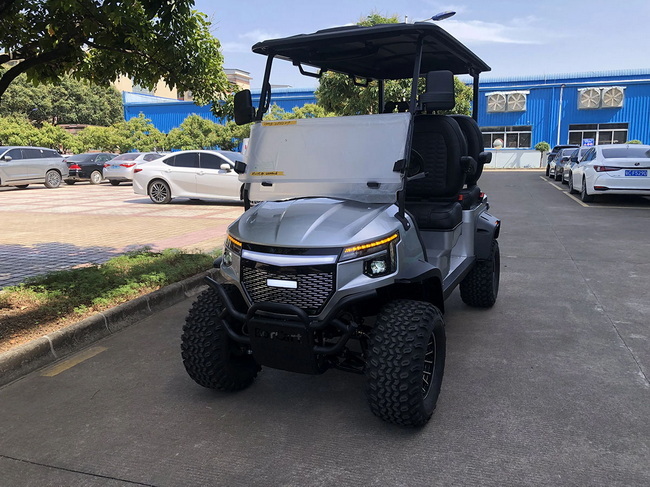
Most experts suggest that an electric golf cart can remain stored for about three to six months if the batteries are properly prepared and the cart is kept in a dry, protected environment. Regular visual inspections during this period help ensure the electric golf cart does not suffer from low tires, rodent damage, or moisture problems.[3][1]
For lead-acid systems, some manufacturers approve the use of automatic chargers or maintainers that periodically top up the pack on an electric golf cart. Many technicians, however, prefer fully charging the batteries, disconnecting the main cables, and then checking voltage periodically rather than leaving the electric golf cart plugged in continuously.[5][3]
A fully charged lead-acid battery in an electric golf cart is far less likely to freeze than one that has been allowed to discharge deeply, but extreme cold can still be harmful. Keeping the electric golf cart in a sheltered location and ensuring batteries are charged before storage significantly lowers the risk of freezing damage or cracked cases.[3][1]
Yes, lithium-powered electric golf carts usually require storage at a partial state of charge—often around 50–70%—instead of fully charged. These packs generally do not need a trickle charger, but they still benefit from cool, dry storage and correct shutdown procedures defined by the electric golf cart manufacturer.[8][4]
Lifting an electric golf cart slightly on jack stands or blocks can reduce the risk of flat-spotted tires during very long storage periods, especially in cold regions. If lifting is not practical, keeping the tires properly inflated and parking the electric golf cart on a hard, dry surface is usually sufficient for most owners.[2][3]
[1](https://evtitan.com/how-to-winterize-and-store-your-electric-golf-cart/)
[2](https://golfcarts.com/how-to-winterize-and-store-your-golf-cart/)
[3](https://longramps.com/blogs/longramps-outdoor-blog/golf-cart-winter-storage-tips)
[4](https://www.kandiamerica.com/how-to-maintain-golf-cart-batteries-in-winter/)
[5](https://buggiesgonewild.com/showthread.php?t=156663)
[6](https://www.reddit.com/r/golfcarts/comments/181fmmn/winterizing_golf_cart_question/)
[7](https://cologolfandturf.net/how-to-winterize-and-store-lithium-ion-golf-carts/)
[8](https://bslbatt.com/blogs/how-to-winterize-electric-golf-cart-batteries-complete-guide/)
[9](https://www.youtube.com/watch?v=-qs-E3Am4Kk)


