


Views: 222 Author: Leah Publish Time: 2026-01-12 Origin: Site


Content Menu
● Common Symptoms of Motor Problems
● Basic Electrical Checks Before Motor Tests
● Inspecting Wiring and Motor Connections
● Using a Multimeter: Continuity and Resistance
● Testing a Series Electric Golf Cart Motor (On the Cart)
● Bench‑Testing a Series Motor (Off the Cart)
● Testing Sepex/Shunt Electric Golf Cart Motors
● Checking for Shorts and Ground Faults
● Inspecting Brushes and Commutator
● Using Diagnostic Videos for Training
● When the Controller, Not the Motor, Is to Blame
● Professional Testing and Rebuild Options
● Preventive Maintenance for Long Motor Life
● Best Practices for OEM and Fleet Users
● FAQ
>> 1. How do I know if my electric golf cart motor is bad?
>> 2. Can I test an electric golf cart motor without removing it?
>> 3. Is it safe to power the motor directly from a 12 V battery?
>> 4. How often should an electric golf cart motor be inspected?
>> 5. When should I replace instead of repair the motor?
Testing an electric golf cart motor correctly keeps your fleet safe, reliable, and reduces returns and warranty claims from global OEM partners. This guide walks through structured tests that technicians and DIY users can follow at home or in the workshop.

- How to recognize electric golf cart motor failure symptoms.
- Step‑by‑step methods to test the motor with basic tools.
- How to safely bench‑test series and sepex motors on an electric golf cart.
Before touching any electric golf cart motor, create a safe working environment. High current and spinning wheels can cause serious injury if basic rules are ignored.
- Turn the ignition key off, set the direction to neutral, and engage the parking brake.
- Disconnect the main battery pack negative and positive cables before removing or working on the electric golf cart motor.
- Jack up the rear of the electric golf cart and support with jack stands so drive wheels can spin freely during testing.
- Wear insulated gloves and eye protection when applying test voltage directly to the motor terminals.
For internal OEM quality procedures at a factory like BorCart, add lock‑out tags and documented checklists to ensure the electric golf cart stays de‑energized during inspection.
Understanding symptoms helps decide whether the electric golf cart motor is the real problem or if batteries, controller, or wiring are at fault.
- The electric golf cart will not move at all when the accelerator is pressed.
- The electric golf cart moves but is very sluggish, especially on hills or when loaded.
- Jerky acceleration, reduced top speed, or intermittent power cut‑outs during use.
- Unusual noises, vibration, burning smell, or excessive motor temperature after short drives.
These issues can also point to worn brushes, loose cables, bad solenoid, or a failing controller, so systematic testing of the electric golf cart motor and surrounding components is essential.
Before focusing on the electric golf cart motor, verify that the power supply and major components are healthy. Many problems disappear once basic electrical issues are fixed.
- Measure pack voltage at the batteries and confirm it matches the rated system (36 V, 48 V, etc.).
- Inspect battery terminals and main cables for corrosion, loose lugs, or damaged insulation.
- Confirm the charger is working and batteries are not far below nominal voltage.
- Listen for a clear solenoid “click” when pressing the accelerator; if not present, the motor may never receive power.
If these checks fail, correct them first; many “bad electric golf cart motor” complaints are actually battery or wiring issues.
Visual inspection is one of the most effective early steps when the electric golf cart motor seems weak or dead. A few minutes under the seat can reveal serious issues.
- Check all cables between controller, solenoid, and motor for tightness and signs of overheating or discoloration.
- Examine the electric golf cart motor housing for cracks, dents, mud, or debris that could block cooling.
- Look for melted insulation, broken ring terminals, or corroded studs on the motor case.
Correcting loose or oxidized connections can instantly restore performance without replacing the electric golf cart motor.
A digital multimeter is the core tool for testing an electric golf cart motor. Continuity and resistance checks detect shorts and open windings inside the motor.
- Set the meter to continuity (beep) or low ohms and confirm it works by touching the probes together.
- On a series motor, check for continuity between A1 and A2 (armature) and between S1 and S2 (field) terminals.
- There should be no continuity between any terminal and the motor case; a reading here indicates an internal short to ground.
If there is continuity between armature terminals and ground or between field and ground, the electric golf cart motor is unsafe to energize and should be repaired or replaced.
Series motors are common in many utility and hunting electric golf cart models. They are straightforward to test once the cart is safely raised and wheels are free.
- With the rear of the electric golf cart on jack stands, remove main positive and negative cables from the pack for safety while wiring the test.
- Confirm continuity checks passed and no shorts exist before applying power to the terminals.
- Reconnect the pack and use controlled throttle input or a carefully planned jump‑test configuration appropriate to your model and skill level.
A good series electric golf cart motor will spin the wheels smoothly when correct voltage is briefly applied, while a faulty one may only hum, stall, or draw excessive current.
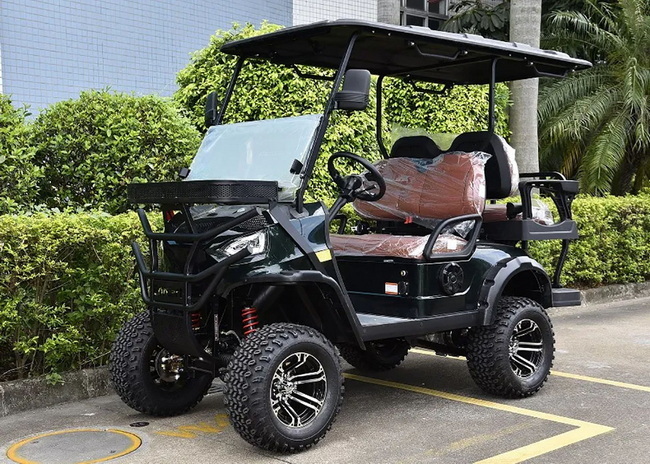
Bench‑testing isolates the electric golf cart motor from the rest of the system and is standard practice in professional shops and OEM production lines.
- Secure the motor firmly to a transaxle or test stand so it cannot rotate when energized.
- Use a low‑voltage source such as a 12 V battery for quick functional tests instead of full pack voltage to increase safety.
- Connect positive to an armature terminal and negative to a field terminal, then link the remaining armature and field posts together according to series wiring guidelines.
Briefly tapping the positive cable should cause the electric golf cart motor shaft or mounted wheels to spin, indicating basic operational status and confirming that the core windings are functional.
Sepex (separate excitation) motors are common in modern electric golf cart designs that require smoother speed control, regenerative braking, and better hill performance.
- Perform continuity tests between A1 and A2, and between F1 and F2 (field terminals), as well as between each terminal and the case.
- Ensure there is no continuity between the armature set and the field set, which would indicate an internal short.
- Use controlled low‑voltage testing to energize armature and field separately, following the wiring diagrams specific to your controller and sepex motor.
Incorrect wiring can damage a sepex electric golf cart motor or controller, so technicians should always reference official service manuals during diagnosis and repair.
Ground faults are a critical failure mode for any electric golf cart motor. They can blow controllers, melt wiring, and trip protective devices.
- Use the continuity or ohms scale to check each motor terminal to the motor housing after cleaning a bare metal spot.
- The meter should show open circuit (no beep, very high resistance); any reading indicates a short to ground.
- Also test between armature and field sets to verify they are electrically isolated in sepex motors and not leaking current.
If a short is found, do not attempt to run the electric golf cart motor; send it for professional rewinding or replace it with a new unit that matches cart voltage and power requirements.
Worn brushes are a common reason for slow or intermittent electric golf cart operation. Brushes maintain sliding electrical contact between the stationary part and rotating armature.
- Remove the electric golf cart motor end cap according to model instructions and inspect brush length and spring tension.
- Look for uneven wear, cracked brushes, weak springs, or heavy carbon dust inside the housing that can cause arcing.
- Check the commutator surface for grooves, burning, or severe pitting that could disrupt contact and reduce torque.
Replacing brushes and cleaning or resurfacing the commutator can restore an electric golf cart motor that otherwise seems weak, especially on older fleets used daily in resorts and industrial sites.
High‑quality videos are extremely useful for training staff and supporting DIY customers who maintain their own electric golf cart. Visual demonstrations reduce the risk of wiring mistakes.
- Step‑by‑step motor testing videos show real‑time multimeter readings, safe test wiring, and visual signs of a faulty electric golf cart motor.
- Sepex‑specific walkthroughs help technicians understand the distinct behavior and testing steps for advanced electric golf cart systems used on premium models.
- Short diagnostic clips can be integrated into training courses, technical support portals, and dealer resources to create a consistent knowledge base.
Combining diagrams, written procedures, and video content creates a stronger experience for overseas OEM and wholesale partners who rely on BorCart electric golf cart products in different markets.
Sometimes the electric golf cart motor passes every test, yet the vehicle still performs poorly. In these situations, the controller and throttle signals deserve attention.
- Inspect the controller for burned components, moisture damage, loose connectors, or signs of overheating on the case.
- Verify correct output from the throttle or potentiometer with a multimeter, checking that resistance or voltage changes smoothly with pedal travel.
- If the controller fails functional tests, replacing or reprogramming it may restore full performance without touching the electric golf cart motor.
Accurate diagnosis protects margins for OEM operations by avoiding unnecessary motor replacements and reducing downtime in electric golf cart fleets.
Not every workshop has the equipment required for deep diagnostic work on an electric golf cart motor. Professional motor rebuilders can extend the life of valuable drive units.
- Advanced shops use load benches to measure torque, speed, and current draw of an electric golf cart motor under controlled conditions that simulate real driving.
- Rebuilders can rewind armatures, replace bearings, repair fields, and balance rotors to factory‑level standards, often at lower cost than a new motor.
- For high‑volume OEMs, partnering with a certified remanufacturer reduces scrap, supports sustainability, and ensures consistent quality across electric golf cart product lines.
When damage is severe or performance requirements change, replacing with a new motor designed for the exact electric golf cart application is often the most reliable and future‑proof option.
Preventive maintenance keeps every electric golf cart motor running longer and reduces unexpected failures during peak season at golf courses and resorts.
- Schedule periodic inspections of cables, terminals, and motor mounting bolts, especially in humid or coastal environments.
- Keep the electric golf cart motor area free from mud, grass, and debris that can trap moisture and block airflow.
- Monitor motor temperature during long climbs or heavy towing; repeated overheating shortens insulation life and can cause internal shorts.
A simple maintenance plan integrated into fleet operations extends the service life of electric golf cart motors and protects the total investment.
For OEMs, wholesalers, and fleet managers using BorCart electric golf cart products, standardized testing and documentation are essential.
- Create a written procedure for electric golf cart motor testing that includes pre‑checks, electrical tests, and functional spin tests.
- Train technicians with consistent materials so every electric golf cart in the fleet is diagnosed using the same decision tree.
- Record test results, including resistance readings and current draw, to build a history that can highlight recurring issues or misuse.
These practices strengthen after‑sales support, making BorCart electric golf cart solutions more attractive to international partners who demand reliability and clear technical backing.
Testing an electric golf cart motor correctly follows a clear path: verify batteries and wiring, perform continuity and ground tests, and then run controlled functional checks. By understanding symptoms, using a multimeter effectively, inspecting brushes, and distinguishing motor faults from controller or wiring issues, technicians can accurately diagnose most electric golf cart failures. For manufacturers and global partners, structured motor testing improves reliability, reduces warranty claims, and keeps every electric golf cart operating safely and efficiently on the course, in resorts, and in multi‑purpose commercial environments.
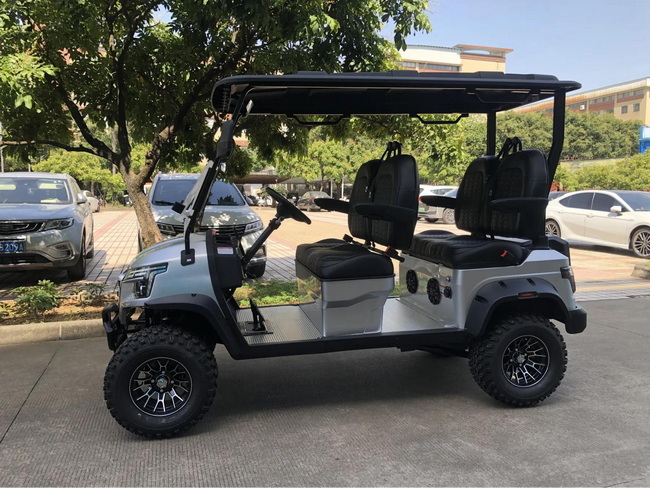
A failing electric golf cart motor often causes no‑movement conditions, severe loss of power, jerky acceleration, or burning smells during operation. If continuity tests show shorts to ground, or if the motor fails to spin during a controlled bench test, it is usually considered defective and should be repaired or replaced.
Yes, many checks can be done with the motor installed, including continuity tests at the terminals, wheel‑off‑ground spin tests, and current draw checks while the electric golf cart runs on stands. These on‑cart tests are usually enough to decide whether the motor, controller, or another component is at fault.
Using a 12 V battery for short bench tests is common practice for both series and sepex electric golf cart motors if all shorts have been ruled out first. The key is to secure the motor firmly, keep test leads stable, and only “tap” the connection briefly to see if the shaft turns without overheating cables or terminals.
For fleet and commercial users, an electric golf cart motor should be visually inspected during scheduled maintenance, typically every 6–12 months depending on usage intensity. Brush and commutator inspections may be added annually for heavily loaded resort, hunting, or utility electric golf cart units that experience frequent stop‑and‑go operation.
If the electric golf cart motor has severe ground faults, burned windings, cracked housing, or repeated failures after repair, replacement is usually more economical than rebuilding. Upgrading to a new motor matched to the controller, battery pack, and gear ratio can also improve performance and reliability of the electric golf cart in demanding commercial or off‑road environments.


