


Views: 222 Author: Leah Publish Time: 2026-01-04 Origin: Site


Content Menu
● Understanding the Governor on a Club Car Golf Car
● Why Owners Remove or Adjust the Governor
● Safety and Legal Considerations Before Modifying a Golf Car
● Preparing Your Club Car Golf Car for Governor Work
● Adjusting vs Removing the Governor on a Gas Club Car Golf Car
● Simple Console‑Based Governor Adjustment on Certain Club Car Gas Golf Cars
● Mechanical Governor Removal on a Club Car Gas Golf Car
● Risks of Full Governor Removal on a Club Car Golf Car
● Electric Club Car Golf Car: Controller‑Based Speed Limiting
● Safer Performance Upgrades for a Club Car Golf Car
● Driving Tips After Governor Changes on a Club Car Golf Car
● When to Seek Professional Help for a Club Car Golf Car
● FAQ
>> 1. Is it legal to remove the governor from my Club Car golf car?
>> 2. How fast can a Club Car golf car go after governor removal?
>> 3. Will removing the governor damage my Club Car golf car?
>> 4. Can I adjust the governor instead of fully removing it on a Club Car golf car?
>> 5. Who should modify the governor on a Club Car golf car?
Removing or bypassing the governor on a Club Car golf car can significantly increase its top speed, but it also introduces safety, mechanical, and legal risks that should be evaluated carefully before any modification. The following guide explains how the governor works, how to adjust or remove it on gas and electric Club Car golf cars, and which safer alternatives can still deliver a faster, smoother ride.
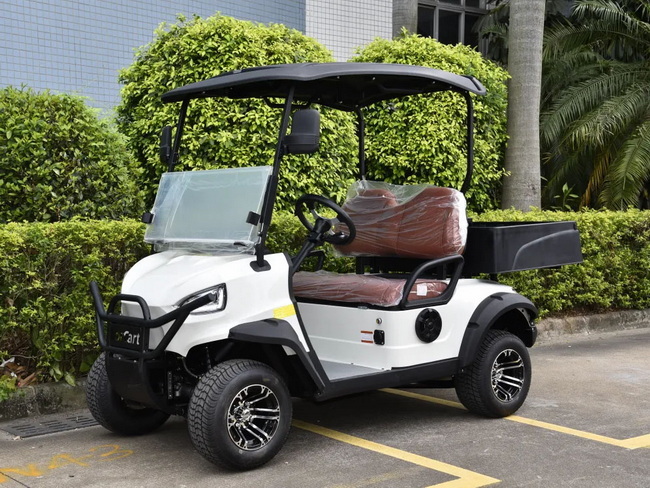
A governor is a speed‑limiting device that prevents a Club Car golf car from exceeding a certain velocity by restricting engine RPM or motor output. On gas golf cars, the governor is usually a mechanical assembly connected to the engine or transaxle, while on electric golf cars, the limiting function is typically built into the controller and programming.
- On most gas Club Car golf cars, a governor arm and spring connect to the throttle linkage so that, once a preset RPM is reached, the governor begins to pull back the throttle and keep speed controlled.
- On electric Club Car golf cars, the “governor” behavior is often a software‑based speed profile or limit inside the controller, which communicates with the accelerator pedal and motor.
Because the governor plays a key protective role, removing it completely from a Club Car golf car should always be balanced against long‑term reliability and safe operation.
Many golf car owners, especially those using a Club Car golf car for private property, resorts, or light utility work, look for ways to make the vehicle a little faster. There are several reasons enthusiasts consider governor adjustments or removal.
- Extra speed makes a Club Car golf car feel more responsive when driving on larger properties, campgrounds, or rural neighborhoods.
- Some users want their Club Car golf car to keep up with slightly faster carts in a fleet or with upgraded electric golf cars already using performance controllers.
- Performance‑focused owners may add lift kits, larger tires, or engine upgrades, and then find that the factory governor keeps holding back the potential of the golf car.
Even if these motivations are understandable, it is essential to understand the trade‑offs before modifying a Club Car golf car governor.
Before taking tools to a Club Car golf car, think through the safety and legal implications of increasing speed.
- A faster Club Car golf car requires more distance to stop, especially when carrying passengers or cargo, and stock brakes might not be designed for higher speeds.
- Lifted golf cars with aggressive tires may become less stable and more prone to tipping when cornering quickly or driving off‑camber at higher velocity.
- Many regions classify golf cars or low‑speed vehicles according to maximum speed; once a Club Car golf car exceeds that limit, it may no longer be legal for certain roads or may require additional registration, lights, or safety equipment.
- If a collision or rollover occurs, investigators or insurers may treat a modified governor as a factor, potentially affecting liability and coverage.
Because of these concerns, some owners choose to keep a moderate governor setting on their Club Car golf car and focus on other performance upgrades instead of full removal.
Any work on a governor or speed control system should be done methodically. A Club Car golf car is relatively simple compared with a full automobile, but poor preparation can still cause accidents or damage.
- Park the Club Car golf car on a level surface, engage the parking brake firmly, and chock the rear wheels.
- Turn the key off and remove it. On electric models, switch to tow/maintenance mode and disconnect the main battery pack to avoid unintended movement.
- Wear safety glasses and gloves, especially when working around springs, cables, and rotating assemblies.
- Have basic tools ready: screwdrivers, wrenches, sockets, pliers, and a flashlight to see into tight areas around the golf car engine or controller compartment.
When in doubt, consult a professional technician who is familiar with Club Car golf car systems before attempting advanced modifications.
There is a big difference between slightly adjusting the governor on a Club Car golf car and eliminating it entirely. Many owners get acceptable performance with only a mild adjustment.
- Adjusting the governor usually means changing the tension on a spring or repositioning a linkage so that the governor allows a higher RPM before intervening.
- Removing or bypassing the governor is more drastic: it typically involves rerouting throttle cables so the accelerator pedal controls the carburetor directly, eliminating the governor's mechanical feedback.
- Adjustment tends to keep some protection against over‑revving, whereas full removal pushes a gas Club Car golf car much closer to its mechanical limits.
For most casual users, a small adjustment combined with routine maintenance may be the most balanced strategy.
Some gas Club Car golf cars allow a modest governor adjustment without touching the engine compartment. This is often done through the console area in front of the driver.
Access the small console panel
- Sit in the driver's seat of the Club Car golf car and locate a plastic panel on the front console that hides part of the control linkage.
- Remove the screws holding this panel with the correct driver and gently lift it away, setting the hardware aside.
Identify the T‑shaped control piece
- Look behind the panel for a T‑shaped metal piece connected to the governor control mechanism.
- This piece helps determine when the governor pulls back on the throttle in the Club Car golf car.
Apply extra tension with a band or retainer
- Wrap a sturdy rubber band or similar retainer around the upper portion of the T, pulling it slightly in the direction known to delay governor activation.
- The goal is to have the governor respond later, allowing the Club Car golf car to pick up more speed before limiting RPM.
Reassemble and test the golf car
- Replace the console panel and tighten the screws securely.
- Take the Club Car golf car to a safe, open area and gradually accelerate to feel how the governor behaves. If there is no performance change, the direction or tension may need fine‑tuning.
This method usually offers a small speed increase while retaining most safety functions, making it a relatively gentle option for improving a Club Car golf car.

Owners seeking maximum performance sometimes choose to bypass or remove the mechanical governor entirely. This is more involved and carries greater risk for a Club Car gas golf car.
Remove seats and engine cover
- Lift or remove the seat assembly to expose the engine compartment.
- If necessary, remove the rear service cover to access the engine, carburetor, and transaxle area of the golf car.
Disconnect the governor cable from the carburetor
- Locate the carburetor on the engine and find the thin governor cable attached to the throttle linkage.
- Carefully unclip or unbolt this cable from the carburetor arm so that the cable no longer influences throttle opening on the Club Car golf car.
Trace and detach the cable at the governor
- Follow the loosened cable back to the governor assembly mounted near the engine or transaxle.
- Remove the cable from the governor arm and spring. Some owners tie off or remove the governor components entirely so they no longer interact with the golf car linkage.
Reroute the accelerator cable directly
- Locate the main accelerator cable coming from the gas pedal. Previously, this cable might have routed through the governor arm before reaching the carburetor.
- Disconnect it from the governor mechanism and fasten it directly to the carburetor throttle lever so gas‑pedal movement instantly controls throttle on the Club Car golf car.
Adjust pedal travel and test
- Loosen the set bolt on the pedal shaft and make small adjustments so pedal travel is comfortable and not overly sensitive.
- Start the Club Car golf car, carefully test at low speed, and gradually work up while listening for unusual noises or signs of over‑revving.
This modification essentially tells the Club Car golf car to “ignore” governor feedback and can dramatically increase speed. Because of this, it should only be considered by experienced owners who understand the risks.
Full governor removal has serious consequences that go beyond a simple speed increase. Understanding these issues can help decide whether this route is really worthwhile.
Engine over‑rev and potential failure
- The governor protects the gas engine from spinning faster than it was designed to handle. Without it, a Club Car golf car engine can overshoot safe RPM and suffer rod, piston, or valve damage.
- Long downhill runs, heavy loads, or sustained full‑throttle use can quickly push a non‑governed engine into dangerous territory.
Increased stress on driveline and chassis
- Higher speeds place extra load on the transaxle, bearings, and suspension of the Club Car golf car.
- Stock components, which were engineered for moderate speeds, may wear faster or fail prematurely when repeatedly driven near new maximums.
Handling and braking limitations
- Brakes that feel adequate at 13 mph may feel weak at 20 mph or more, especially with passengers and cargo on the golf car.
- Steering geometry and tire selection also start to matter more as speeds rise, increasing the chance of loss of control on uneven surfaces.
Because of these hazards, many experienced technicians recommend that Club Car golf car owners budget for brake and suspension upgrades if they intend to run without a governor.
While gas models are dominated by mechanical governors, electric Club Car golf cars rely on controller logic and sensor feedback to regulate speed.
Controller programming and speed codes
- Some electric Club Car golf cars allow changes using factory “speed codes” or reprogramming tools that adjust maximum output while staying within safe motor limits.
- Dealers or specialized shops can often reflash a controller profile, giving the golf car a noticeable speed bump without physically altering cables or hardware.
Performance controllers and motors
- Enthusiasts sometimes install higher‑amp controllers and more robust motors, turning a stock Club Car golf car into a powerful electric vehicle capable of towing or climbing hills more effectively.
- When upgrading controller and motor on a golf car, battery quality and cable integrity must also be considered to avoid overheating and voltage sag.
Software vs mechanical removal
- On an electric Club Car golf car, there is usually no mechanical governor to unbolt. Instead, modifications revolve around configuration and replacement of electronic components.
- Compared with gas governor removal, electric tuning can be more precise, but it still requires attention to legal and safety constraints.
Electric Club Car golf car owners should treat controller modifications with the same seriousness given to mechanical changes on gas models.
Instead of fully removing the governor, there are alternative upgrades that can deliver better performance while keeping a margin of safety on a Club Car golf car.
Moderate governor adjustment
- A small adjustment to the existing governor, combined with maintaining engine health, often yields a modest but useful speed increase for a gas Club Car golf car.
Tire and gear selection
- Slightly larger‑diameter tires can increase ground speed at the same engine RPM, provided that the Club Car golf car has enough torque and adequate clearance.
- Some owners explore gear changes in the transaxle for a balanced compromise between hill‑climbing power and top speed on their golf car.
Engine or motor tuning
- Cleaning the carburetor, replacing clogged filters, and ensuring correct valve adjustment can restore lost power so a Club Car golf car reaches its intended factory speed.
- Electric golf car owners can upgrade wiring, connectors, and batteries to ensure their Club Car golf car delivers consistent, strong current to the motor.
Brake and suspension improvements
- If a Club Car golf car is being made faster, better brake pads, upgraded drums or discs, and quality shocks or leaf springs help keep the vehicle stable and controllable.
By approaching speed increases as part of a complete performance package, a Club Car golf car can be both more exciting and safer to operate.
Once any governor adjustment or removal has been done, drivers must adapt their habits to the new behavior of the Club Car golf car.
- Start with short test drives in a controlled, open area to understand how quickly the golf car now accelerates and how long it takes to stop.
- Avoid steep hills and tight turns at high speeds until there is a good feel for the new limits of the Club Car golf car.
- Remind passengers to hold on and remain seated; unexpected acceleration in a modified golf car can surprise people used to slower fleet carts.
- Periodically inspect cables, linkages, and fasteners after the modification to ensure nothing is loosening or binding under real‑world use.
Responsible driving is essential once the Club Car golf car no longer behaves like a stock, heavily limited machine.
Not every owner has the mechanical background or tools to safely modify a governor or controller. In many cases, professional assistance is a wise investment.
- A qualified golf car technician can inspect the engine, brakes, steering, and suspension of a Club Car golf car before any performance modifications.
- Shops that specialize in golf cars understand common weak points and can recommend staged upgrades, including moderate governor changes, controller tuning, and hardware improvements.
- Professional work can also provide documentation that may be helpful for insurance or resale, showing that the Club Car golf car was modified and maintained responsibly.
If there is any uncertainty about steps, parts, or safety, consulting a professional before altering the governor on a Club Car golf car is often the safest path.
Taking the governor off a Club Car golf car can transform a slow, mild cart into a noticeably faster machine, but the modification comes with clear trade‑offs. A mechanical or electronic governor protects the engine, motor, and passengers by limiting speed; removing or greatly weakening it opens the door to higher performance but also to increased risk of engine failure, handling issues, and legal complications. For many owners, a moderate governor adjustment, careful maintenance, and targeted performance upgrades provide a better balance between speed and safety, allowing the Club Car golf car to feel lively without abandoning basic safeguards.
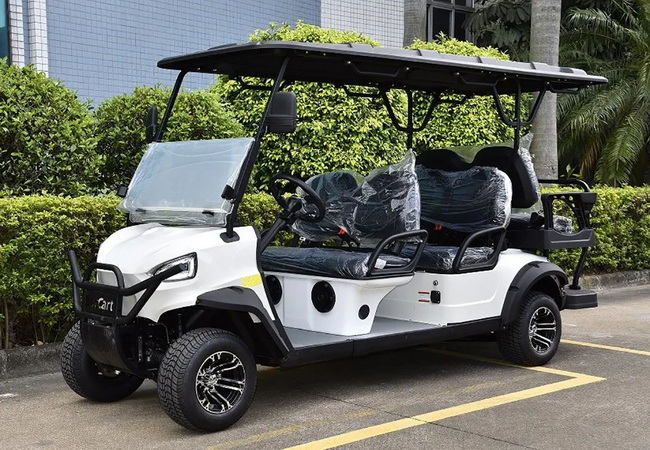
Legality depends entirely on local laws and how the Club Car golf car is used. In some areas, golf cars are limited to certain speeds on public roads, and tampering with speed‑limiting systems can disqualify the vehicle from street use or violate low‑speed vehicle regulations. If the Club Car golf car stays on private property, the rules may be looser, but liability and insurance issues can still arise if an accident occurs.
The actual top speed after full governor removal varies by model, engine condition, and tire size, but many owners report moving from typical stock speeds around the low‑teens mph range into significantly higher territory. However, chasing the maximum possible speed is rarely wise, because the Club Car golf car's brakes, suspension, and frame were not originally designed for very high speeds. Focusing on a modest, controllable speed gain is usually smarter.
Removing the governor exposes the engine or motor to higher loads and RPM, which can accelerate wear and potentially lead to catastrophic failure if the golf car is driven aggressively for long periods. A gas Club Car golf car that frequently runs without an RPM limit is particularly vulnerable to rod and valve damage. Electric Club Car golf cars with aggressively tuned controllers can overheat motors or wiring if they are pushed beyond safe current and temperature limits.
Yes, many Club Car gas golf cars allow their governors to be adjusted for a slightly higher intervention point, which offers a mild speed increase without eliminating protection completely. Techniques include changing spring tension, repositioning linkage arms, or using a simple console‑area adjustment where available. This approach keeps a safeguard in place while still making the Club Car golf car feel quicker and more responsive.
Governor modifications are best left to people with solid mechanical skills or professional technicians familiar with golf car systems. If someone is not comfortable working with throttle linkages, springs, wiring, or controller settings, a professional shop can handle the changes and verify that the Club Car golf car remains structurally safe. Involving an expert also helps ensure that related systems—like brakes and steering—are capable of handling the new performance level.


