


Views: 222 Author: Leah Publish Time: 2026-01-03 Origin: Site


Content Menu
● Initial Inspection and Cleaning
● Deep Cleaning for Long Winter Storage
● Battery Preparation for Winter
● Battery Safety and Maintenance Steps
● Checking Electrolyte and Ventilation for Lead-Acid Packs
● Choosing the Right Storage Location
● Indoor Storage Tips for Electric Golf Cart
● Outdoor Storage for Electric Golf Cart
● Suspension, Steering, and Frame Care
● Protecting the Body and Interior
● Pest Prevention and Odor Control
● Electrical System and Accessories
● Security and Anti-Theft Measures
● Monitoring During Winter Storage
● Spring Start-Up After Winter
● FAQ About Winter Storage of Electric Golf Cart
>> 1. How charged should an electric golf cart battery be for winter storage?
>> 2. Can an electric golf cart be stored outside all winter?
>> 3. Should the batteries be disconnected in an electric golf cart during winter?
>> 4. How often should the battery be checked while the electric golf cart is in storage?
>> 5. What temperature range is best for winter storage of an electric golf cart?
Preparing an electric golf cart for winter storage protects the battery pack, electronics, frame, and interior so the vehicle is ready to go when warm weather returns. Proper winter storage also extends the overall life of the electric golf cart and reduces repair and maintenance costs over time.[1][2]
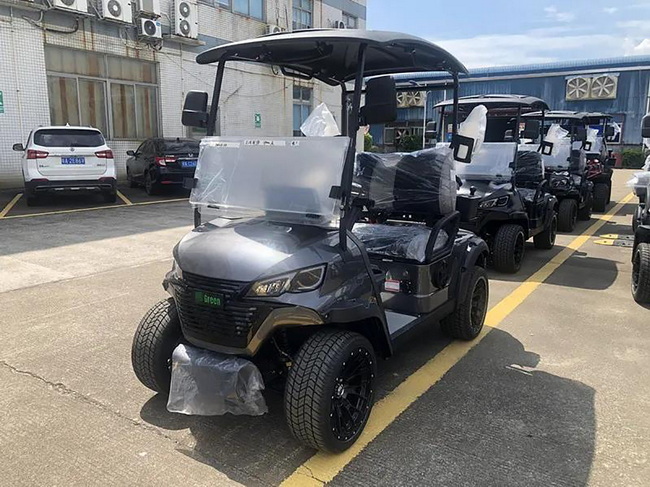
Storing an electric golf cart correctly in cold months is critical because low temperatures, moisture, and long periods of inactivity can damage batteries, wiring, tires, and bodywork. With a careful winterization routine, the electric golf cart will start easily, hold a charge longer, and drive safely when the next season begins.[3][4]
- Cold weather accelerates battery self-discharge, which can lead to deep-cycle damage and in some cases battery freezing for certain chemistries in an electric golf cart.[5]
- Moist, unventilated spaces promote corrosion on electrical connections, frames, and brackets, reducing the reliability of the electric golf cart.[3]
- Long periods without movement can create flat spots on tires and stiffness in mechanical linkages, affecting ride comfort and control of the electric golf cart.[2]
Before storing an electric golf cart for winter, carry out a complete inspection to identify issues such as cracked housings, torn seat covers, loose cables, or worn tires. Fixing small defects before winter storage helps avoid more serious failures when the electric golf cart is put back into service.[4][6]
- Wash the exterior body, roof, and undercarriage of the electric golf cart with mild soap and water, then allow everything to dry fully to prevent rust and mold.[4]
- Clean the interior seats, floor mats, cup holders, and storage compartments so food residue or moisture does not attract pests during electric golf cart storage.[3]
- Inspect the chassis, suspension, and steering for rust, cracks, or bent components and lightly lubricate moving parts where the manufacturer recommends for the electric golf cart.[6]
For electric golf cart fleets or vehicles that will sit for several months, deeper cleaning brings extra protection and a more professional appearance in spring. Thorough cleaning also makes it easier to spot leaks, cracks, or loose components on the electric golf cart during visual checks.[1][4]
- Use gentle cleaners approved for plastic and vinyl on dashboards, seat backs, and trim areas of the electric golf cart to prevent drying and discoloration.
- Clean under seats and floor panels of the electric golf cart to remove leaves, sand, or debris that may hold moisture and accelerate corrosion.[3]
- If the electric golf cart operates near coastal or salty environments, rinse the underside carefully to remove salt residue that can attack metal parts over winter.[2]
The battery pack is the heart of an electric golf cart, so winter storage must focus on charge level, temperature range, and electrical isolation. Different battery chemistries used in an electric golf cart—flooded lead-acid, AGM, gel, or lithium—require slightly different winter strategies.[7][5]
- For flooded lead-acid or AGM batteries in an electric golf cart, store them fully charged to reduce sulfation and lower freezing risk in cold climates.[5]
- For many lithium batteries in an electric golf cart, a storage level around 50–80% state of charge is recommended instead of 100% for long-term health.[7]
- Always follow the specific manual of the electric golf cart for recommended winter storage state of charge and charger settings to avoid voiding warranties.[8]
Safe handling of electric golf cart batteries prevents corrosion, shorts, and deep discharge over the storage period. A short maintenance checklist helps keep the battery system in optimal shape inside the electric golf cart until spring.[9][4]
- Clean battery tops, terminals, and cable ends on the electric golf cart using appropriate tools, then apply a thin protective coating to reduce corrosion.[5]
- After charging, disconnect the main positive and negative cables of the electric golf cart battery pack or use the manufacturer's storage disconnect feature to eliminate parasitic load.[8]
- When recommended, connect a compatible smart maintainer designed for the electric golf cart battery chemistry to keep voltage within the ideal storage range.[5]
Electric golf cart models with flooded lead-acid batteries need special attention to electrolyte levels and ventilation during charging. Proper care reduces the risk of dry plates, sulfation, or gas buildup in the storage area.[10][5]
- After charging and before winter storage, check electrolyte levels in each cell of the electric golf cart's flooded batteries and top up with distilled water if required.
- Ensure battery caps and venting arrangements on the electric golf cart are secure so that gas is directed safely away from sensitive components.[5]
- Store the electric golf cart in a well-ventilated area so any hydrogen gas produced during maintenance charging can safely dissipate.[10]
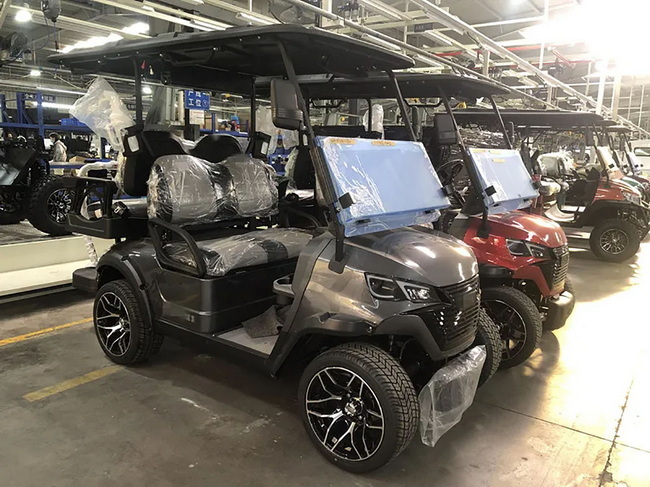
Where the electric golf cart spends the winter has a direct impact on corrosion, battery health, and cosmetic condition. Selecting a dry, well-ventilated, temperature-stable location is one of the most important decisions for winter storage of an electric golf cart.[1][3]
- Indoor storage in a garage, barn, warehouse, or dedicated shed is best because it keeps the electric golf cart away from snow, ice, and driving rain.[2]
- Aim to keep the electric golf cart in a temperature range roughly between 40°F and 80°F (4°C to 27°C) with relatively low humidity for battery and component protection.[5]
- Ensure ventilation around the parked electric golf cart so vapors from certain battery types do not accumulate in a closed space.[10]
Indoor storage allows more control over environmental conditions and security for an electric golf cart. With small adjustments, even a simple garage can become a safe long-term storage space for an electric golf cart.[2][3]
- Keep the electric golf cart away from direct heat sources or open flames, especially near battery charging equipment or fuel-powered devices.
- Avoid stacking heavy items on the roof or seats of the electric golf cart, which can deform structural components or upholstery over time.
- If possible, designate a fixed parking spot with wheel chocks so the electric golf cart is always positioned safely and consistently each winter.[1]
If indoor space is unavailable, carefully planned outdoor storage can still protect an electric golf cart through the winter. Extra precautions are needed to shield the electric golf cart from precipitation, ultraviolet light, and ground moisture.[2][3]
- Park the electric golf cart on high, well-drained ground away from standing water, falling branches, and roof runoff.
- Use a breathable, weather-resistant cover that sheds water but allows air flow so condensation does not accumulate on electric golf cart surfaces.[2]
- In very harsh climates, consider placing the electric golf cart on blocks or stands so the tires are not in direct contact with frozen ground or deep snow.[11]
Tires and brakes of an electric golf cart can suffer from flat spots, cracking, and seized components if ignored over winter. Simple preventative actions maintain ride quality and braking performance for the electric golf cart when the next season starts.[4][2]
- Inflate tires on the electric golf cart to the recommended pressure and verify that no tire has sidewall cracks, bulges, or exposed cords before storage.
- For long winter storage, move the electric golf cart slightly every month if possible, or support the frame on blocks to reduce flat spotting on the tires.[3]
- Instead of relying solely on the parking brake for months, chock the wheels of the electric golf cart to prevent cables from stretching or seizing in damp conditions.[12]
Beyond tires and brakes, other mechanical components on an electric golf cart also benefit from attention before winter. Good basic maintenance reduces noise, vibration, and wear when the electric golf cart returns to regular use.[6][4]
- Inspect leaf springs, shocks, and steering joints on the electric golf cart for obvious damage or excessive play and schedule repairs before storage when practical.
- Lightly lubricate pivot points and linkages on the electric golf cart with manufacturer-approved lubricants to limit rust and stiffness after months of inactivity.
- Examine the frame, battery trays, and hardware on the electric golf cart for corrosion, and treat affected areas with appropriate rust-control products.[3]
The bodywork, seats, and interior surfaces of an electric golf cart are exposed to dust, sunlight, and temperature swings in winter storage. With a few basic protection steps, the electric golf cart will look clean and professional when brought back into use.[6][1]
- Apply a suitable wax or protectant to painted and plastic exterior panels of the electric golf cart to shield against oxidation, fading, and minor scratches.
- Treat seats and steering wheel surfaces on the electric golf cart with appropriate cleaners and protectants so they do not crack or fade over the winter.[6]
- Remove personal items, textiles, and any food or trash from the electric golf cart to reduce odors and the chance of pest activity.[3]
Rodents and insects sometimes target stored vehicles, and an electric golf cart is no exception. Preventive steps reduce chewing damage and unpleasant smells around the electric golf cart.[13][3]
- Seal or screen obvious entry points such as large openings under the body or around wiring runs where pests might enter the electric golf cart.
- Avoid storing pet food, seeds, or other attractants near the electric golf cart and keep the surrounding floor area swept and dry.[13]
- Consider non-toxic deterrents or traps in the wider storage area if the electric golf cart is parked where rodent issues are common.
Beyond the main battery pack, accessories and control electronics on an electric golf cart also need attention before winter. Preventing parasitic drain and corrosion on these components helps the electric golf cart power up correctly in spring.[9][8]
- Turn off all lights, radios, GPS units, and aftermarket accessories on the electric golf cart, and disconnect their power feeds if they bypass the main key switch.
- Inspect wiring harnesses, connectors, and fuse blocks inside the electric golf cart for signs of rubbing, loose plugs, or corrosion and correct issues before storage.[9]
- Where recommended, apply dielectric grease on exposed electrical connectors in the electric golf cart to minimize moisture-related corrosion during winter.[5]
Because electric golf carts are valuable assets, secure storage is essential alongside environmental protection. Extra security measures protect both individual and fleet electric golf cart units during the off-season.[13][1]
- Store the electric golf cart in locked areas or behind controlled access points whenever possible.
- Remove keys from the electric golf cart and store them separately; for some fleets, disabling a main disconnect switch adds another layer of protection.
- Consider additional security such as steering wheel locks, wheel locks, or tracking solutions for high-value electric golf cart fleets.
Even after an electric golf cart is parked for winter, periodic checks keep everything in stable condition. A brief inspection routine helps catch battery discharge, moisture buildup, and tire issues early on the electric golf cart.[4][5]
- Every one to two months, verify the state of charge of the electric golf cart's battery pack and recharge if voltage drops below the recommended level.[5]
- Inspect for signs of rodents or insects around the stored electric golf cart and address any nests, chewed materials, or droppings promptly.[13]
- Confirm that covers, chocks, and blocks are still in place and that the electric golf cart remains dry and free from condensation.[2]
When winter ends, carefully waking up the electric golf cart ensures safe and reliable operation for the new season. A systematic spring checklist reduces the chance of unexpected failures on the electric golf cart during the first drives.[4][6]
- Remove the cover and visually inspect the electric golf cart for fluid leaks, damaged wiring, and signs of corrosion or rust on the frame and battery trays.[6]
- Reconnect the battery pack of the electric golf cart following the correct sequence, then perform a full charge with the approved charger before driving.[8]
- Test brakes, steering, lights, and horn at low speed to confirm that all key systems of the electric golf cart function correctly before normal use.[2]
Properly storing an electric golf cart for winter involves more than simply turning off the key; it requires deliberate care of batteries, tires, bodywork, and storage conditions. By following structured steps for inspection, deep cleaning, battery preparation, location selection, and periodic checks, the electric golf cart remains protected and ready for trouble-free service when warmer weather arrives. Thoughtful winter storage extends the lifespan of every major component in the electric golf cart and supports consistent performance for both personal users and professional fleets season after season.[4][2]
Most lead-acid batteries in an electric golf cart should be stored fully charged to reduce sulfation and lower the risk of freezing in cold conditions. Many lithium battery packs in an electric golf cart are better stored around 50–80% charge, so always confirm the exact recommendation in the manufacturer's documentation for your model.[7][5]
An electric golf cart can be stored outside if necessary, but it is less ideal than indoor storage and requires more protection. When outdoor storage is the only option, park the electric golf cart on well-drained ground, use a breathable weather-resistant cover, and consider raising the frame on blocks in very cold climates.[2]
For long winter storage, disconnecting the main battery cables or using the manufacturer's storage disconnect procedure helps prevent parasitic drain in an electric golf cart. This step keeps the battery pack from discharging too deeply while the electric golf cart sits unused for weeks or months.[8][5]
During winter storage, check the electric golf cart battery pack every one to two months to verify voltage and overall condition. If voltage drops below the recommended level, recharge the electric golf cart with the proper charger to avoid deep discharge damage and shortened battery life.[4][5]
A cool, dry, and relatively stable environment is best, with temperatures around 40°F to 80°F (4°C to 27°C) for most electric golf cart battery types. Extremely low or high temperatures can shorten battery life and stress electrical components in the electric golf cart, so climate-controlled storage is ideal where available.[3][5]
[1](https://longramps.com/blogs/longramps-outdoor-blog/golf-cart-winter-storage-tips)
[2](https://golfcarts.com/how-to-winterize-and-store-your-golf-cart/)
[3](https://vovexgolf.com/blogs/golf/how-to-store-an-electric-golf-cart-for-6-months)
[4](https://www.performancegolfcarts.com/blog/how-to-prepare-your-golf-cart-for-longterm-storage/)
[5](https://www.kandiamerica.com/how-to-maintain-golf-cart-batteries-in-winter/)
[6](https://aceofcarts.com/blog/preparing-your-electric-golf-cart-for-long-term-storage-top-tips-for-a-smooth-return/)
[7](https://bigbattery.com/2022/11/30/winter-storage-for-golf-carts-with-lithium-batteries/)
[8](https://islegolfcars.com/golf-cart-service/electric-vehicle-long-term-storage-disconnect/)
[9](https://bslbatt.com/blogs/best-practices-golf-cart-battery-maintenance-tips-guide/)
[10](https://evtitan.com/how-to-winterize-and-store-your-electric-golf-cart/)
[11](https://cartaholics.com/threads/winter-storage-options.3709/)
[12](https://buggiesgonewild.com/showthread.php?t=156663)
[13](https://www.sroa.com/blog/storage-tips/7-tips-for-long-term-golf-cart-storage)
[14](https://www.youtube.com/watch?v=-qs-E3Am4Kk)
[15](https://www.youtube.com/watch?v=p_dshP-ZSzU)
[16](https://www.youtube.com/watch?v=jBMWtgosT_E)


