


Views: 222 Author: Leah Publish Time: 2026-01-03 Origin: Site


Content Menu
● Why Long-Term Storage Matters for an Electric Golf Cart
● Step-by-Step Preparation Before 6-Month Storage
>> 1. Thorough cleaning of the electric golf cart
>> 2. Battery care for 6-month storage
>> 3. Electrical system and accessories
>> 4. Tires, brakes, and mechanical parts
>> 5. Frame, body, and corrosion control
● Choosing the Best Storage Location for an Electric Golf Cart
>> Outdoor storage precautions
● Protective Covering, Moisture Control, and Pest Prevention
>> Humidity and mold prevention
>> Deterring rodents and insects
● Periodic Checks During the 6-Month Storage Period
● Reactivating an Electric Golf Cart After 6 Months
>> Visual and safety inspection
>> Battery reconnection and charging
● FAQ: Electric Golf Cart 6-Month Storage
>> 1. How should I charge my electric golf cart before 6-month storage?
>> 2. Can I leave my electric golf cart plugged in for the entire 6 months?
>> 3. Is outdoor storage safe for an electric golf cart over 6 months?
>> 4. What tire pressure is best when storing an electric golf cart?
>> 5. How do I safely wake up my electric golf cart after 6 months?
Storing an electric golf cart for 6 months is safe and highly effective when you follow a structured checklist that focuses on batteries, cleanliness, and environmental protection. Proper long-term storage preserves performance, avoids costly repairs, and keeps your electric golf cart ready to drive as soon as you return.
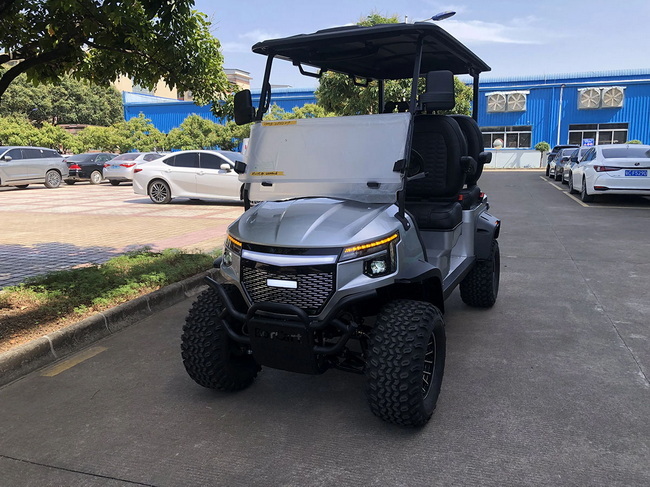
Long-term storage usually means your electric golf cart will sit unused for at least half a year because of winter, travel, seasonal business, or a closed course. During this time, batteries can deeply discharge, tires can develop flat spots, rubber parts can dry out, and moisture may cause corrosion if the electric golf cart is not properly prepared.
The good news is that a carefully planned process can prevent nearly all of these issues. By managing battery state of charge, choosing a suitable location, and protecting the electric golf cart from dirt and moisture, you can extend the lifetime of your entire vehicle.
Preparing the electric golf cart correctly before the 6-month break is the most important part of the whole process. Think of this as a one-time investment of effort that will save time, money, and frustration later.
A perfectly clean electric golf cart is far less likely to suffer from rust, stains, odors, and surface damage during storage.
- Wash the body, roof, bumpers, and wheel arches of the electric golf cart using mild car shampoo and plenty of water.
- Pay special attention to areas that collect fertilizers, salt, or mud, such as the underside and wheel wells of the electric golf cart.
- Dry the surfaces with microfiber towels to avoid water spots and reduce trapped moisture on the electric golf cart.
- Vacuum floor mats and seat bases, clean cup holders, and remove any trash, leaves, or grass clippings from the electric golf cart interior.
- Use a plastic or vinyl conditioner on seat surfaces and trim so they do not crack while the electric golf cart is parked for months.
- Apply a light coat of automotive wax or sealant to exposed painted panels to give the electric golf cart added protection against oxidation and dust.
This cleaning session is also a great time to visually inspect the body and chassis for scratches, chips, or early rust. If you spot issues now, you can treat them before the electric golf cart sits idle and the damage worsens.
Battery health is the heart of any electric golf cart, and improper storage can dramatically shorten pack life. Different battery chemistries (flooded lead-acid, AGM, or lithium) may require slightly different approaches, but the goals are similar: avoid deep discharge, control temperature, and prevent corrosion.
Key steps for flooded lead-acid batteries:
- Fully charge the electric golf cart battery pack before storage so the cells start at a healthy level.
- Check electrolyte levels and top up with distilled water if required, making sure plates are covered but not overfilled.
- Clean battery tops and terminals, and remove any acid residue to keep the electric golf cart battery bay tidy.
- Tighten all cable connections to ensure a solid electrical path once the electric golf cart is reactivated.
- After preparation, either disconnect the main battery cables or switch the controller to a tow/storage mode if your electric golf cart has that feature.
Key steps for AGM or lithium batteries:
- Check the manufacturer's recommendation, as many prefer long-term storage at a partial state of charge rather than 100%.
- For lithium packs, a storage level around 50–80% is often ideal to reduce long-term stress inside the electric golf cart battery cells.
- Store the electric golf cart in a cool, dry place, avoiding temperature extremes that can accelerate chemical aging.
- If your battery system has a built-in management system, make sure the electric golf cart is switched into the correct mode for storage.
Smart charging strategy:
- Modern smart chargers can maintain or periodically top up the batteries on an electric golf cart without overcharging.
- If you trust your charger and power supply, leaving the electric golf cart connected in maintenance mode can be convenient.
- If you are unsure, many owners prefer fully charging the electric golf cart, disconnecting the charger, and checking voltage every 1–2 months.
The electrical system of an electric golf cart includes lights, display screens, controllers, USB ports, radios, and other accessories that can slowly drain the battery.
- Turn the key switch off and remove the key from the electric golf cart so nobody accidentally uses it during storage.
- Make sure all lights, radios, chargers, and auxiliary devices on the electric golf cart are switched off.
- If the cart has a Run/Tow switch, move it to Tow/Storage mode as recommended for long-term rest.
- Label the steering wheel or dashboard of the electric golf cart with a reminder note about which cables have been disconnected for storage safety.
These simple steps eliminate phantom loads that might otherwise discharge the battery pack while the electric golf cart sits idle.
The rolling components of an electric golf cart also need attention before it remains in one position for half a year.
- Inflate all tires on the electric golf cart to the recommended or slightly higher pressure within the safe range.
- Inspect each tire for embedded stones, nails, or sidewall cracks and address any issues before storing the electric golf cart.
- If possible, place the electric golf cart on jack stands or sturdy blocks to remove constant weight from the tires and suspension.
- If stands are not available, consider pushing the electric golf cart a short distance every few weeks to change the tire contact patch.
- Avoid locking the mechanical parking brake for months, which can cause sticking; if safe, use wheel chocks instead to secure the electric golf cart.
- Check brake cables, linkages, and pads for rust or contamination and clean them so they move freely when the electric golf cart returns to use.
Moisture, road salt, and coastal air can slowly corrode the frame and hardware of an electric golf cart during long immobility.
- Inspect the underside of the electric golf cart and rinse off mud, sand, and salt-laden grime that could trap moisture.
- Dry the frame and suspension parts thoroughly, then consider a light application of rust-inhibiting spray on vulnerable metal.
- Protect exposed electrical connectors with a suitable dielectric grease, especially if the electric golf cart will be stored in a humid region.
- Touch up stone chips or scratches on painted metal areas to keep corrosion from spreading under the finish of the electric golf cart.
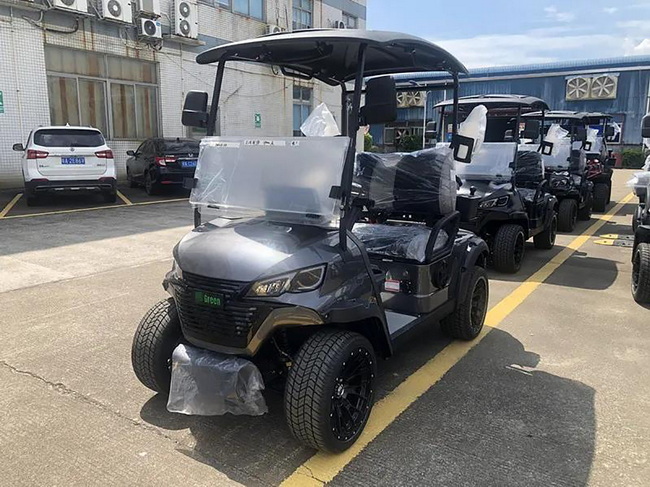
The storage environment has a huge impact on how well your electric golf cart survives 6 months of inactivity. Indoor storage is always better, but outdoor storage can work with the right precautions.
Indoor storage gives the electric golf cart the most consistent protection from sun, rain, and vandalism.
- Park the electric golf cart in a dry, well-ventilated garage, barn, or warehouse away from roof leaks and floor drains.
- Choose a spot that stays relatively cool in summer and does not drop into extreme sub-freezing temperatures in winter.
- Keep the electric golf cart away from chemical storage such as fertilizers, pool chemicals, and paint thinners that release corrosive vapors.
- If possible, store the electric golf cart on a clean concrete pad or raised pallets rather than directly on soil or grass.
When indoor space is not available, an electric golf cart can still be stored outside, but you must increase physical protection.
- Park the electric golf cart on a paved surface or compact gravel with good drainage, not in a low-lying puddle-prone area.
- Use a breathable, water-resistant cover that fits the electric golf cart properly without being so tight that it traps moisture.
- Avoid cheap plastic tarps that seal in condensation and can damage paint or soft materials on the electric golf cart.
- Tie or strap the cover securely so it doesn't flap in wind and wear against the surfaces of the electric golf cart.
- If the climate includes snow or ice, avoid piling heavy snow on the roof of the electric golf cart and remove buildup when safe.
Dust, condensation, and rodents are common threats to an electric golf cart stored for many months.
A good cover acts like a shield, but it must also allow the electric golf cart to breathe.
- Choose a model designed for carts, with vents that let air circulate while protecting from rain and dust.
- Make sure the cover reaches below the rocker panels of the electric golf cart, but still allows some airflow underneath.
- Inspect the cover periodically for tears, loose straps, or mold spots that could allow damage to the electric golf cart.
Long-term moisture around an electric golf cart can lead to moldy seats, smelly carpets, and metal corrosion.
- Store moisture absorbers or desiccant packs inside the cabin and storage compartments of the electric golf cart if humidity is high.
- Leave seat backs and cushions slightly separated to improve airflow inside the electric golf cart.
- Crack windows or vents if your cart is fully enclosed and the space is secure, to reduce condensation buildup in the electric golf cart.
Rodents can chew wires, seats, and insulation in an electric golf cart, leaving behind expensive repairs.
- Remove all food, snacks, wrappers, and organic debris from the electric golf cart before covering it.
- Avoid storing birdseed, pet food, or grain near the electric golf cart, which can attract pests.
- Consider placing traps or repellents around the storage area (but not on the cart itself) if rodents are a known problem.
- Look for droppings, nests, or gnaw marks during occasional inspections of the electric golf cart and act quickly if you see signs.
Even though the goal is to park the electric golf cart and forget about it, short periodic inspections can prevent small problems from becoming big ones.
- Once every 4–8 weeks, look over the cover, wheels, and nearby floor for leaks, stains, or pest activity around the electric golf cart.
- If accessible and safe, briefly check battery voltage or indicator lights to make sure the electric golf cart pack has not dropped into a dangerous range.
- In milder climates, gently roll the electric golf cart a short distance to change tire contact points and keep moving parts from stiffening.
- Verify that the storage area remains dry and that the electric golf cart is not being exposed to unexpected dripping water or chemicals.
These quick visits take only a few minutes but add significant long-term reliability to your electric golf cart.
When the storage period ends, resist the urge to jump in and drive immediately. A careful restart routine ensures the electric golf cart is safe and ready.
- Remove the cover and check the electric golf cart body, roof, and chassis for damage, corrosion, or pest nests.
- Look at wiring harnesses, seat bases, and corners of the electric golf cart for signs of chewing or loose material.
- Confirm that tires on the electric golf cart are not severely flat-spotted or under-inflated; adjust pressures as needed.
- Test the steering, parking brake operation (if used), and pedal travel to make sure nothing is stuck on the electric golf cart.
- Reconnect the main battery cables, respecting proper polarity and torque, if they were removed when the electric golf cart was stored.
- Switch the cart from Tow/Storage back to Run mode if that feature exists on your electric golf cart.
- Plug in the charger and give the pack a complete, uninterrupted charge cycle, allowing the charger to shut off automatically.
- Check for abnormal smells, hot spots, or warning lights while the electric golf cart charges, and address any anomalies promptly.
- Start with a brief, low-speed test in an open and safe area to listen for rattles, squeaks, or grinding sounds from the electric golf cart.
- Test the brakes progressively, from light to firm, making sure the electric golf cart tracks straight and stops confidently.
- Check all lights, signals, accessories, and displays to confirm the electric golf cart electrical system has fully recovered from storage.
- If anything feels unusual—weak acceleration, uneven braking, or excessive noise—schedule a professional inspection before using the electric golf cart heavily.
Storing an electric golf cart for 6 months is straightforward when you approach it as a step-by-step project, rather than a last-minute chore. By cleaning thoroughly, preparing and protecting the batteries, securing the tires and brakes, controlling moisture, and choosing a suitable storage environment, you dramatically reduce the risk of corrosion, deep discharge, and mechanical issues. When the 6-month period ends, a calm inspection, full recharge, and gentle test drive will bring your electric golf cart smoothly back into service, ready for another season of dependable performance.
Charge the battery pack of your electric golf cart fully if it uses flooded lead-acid batteries, then top up distilled water to the proper level and clean the terminals. For AGM or lithium systems, follow the manufacturer's advice, which often means storing the electric golf cart at a partial state of charge in a cool, dry location to reduce long-term stress.
If your charger and cart are designed for maintenance or float charging, you can usually leave the electric golf cart connected, as the system will monitor and top up the pack automatically. If you are unsure about charger design or power reliability, it is safer to fully charge the electric golf cart, disconnect it, and then check and recharge the pack periodically during storage.
Outdoor storage is acceptable if you cannot access indoor space, but your electric golf cart will need extra protection against weather and temperature changes. Use a breathable, well-fitted cover, park the electric golf cart on a well-drained surface, secure the cover against wind, and protect electrical connections from moisture and corrosion.
Before parking your electric golf cart for 6 months, inflate the tires to the recommended pressure or slightly toward the upper safe limit listed on the sidewall. This helps reduce flat-spotting when the electric golf cart remains still, and you can further protect the tires by occasionally repositioning the cart or using stands or blocks to remove weight.
Start by removing the cover, visually checking the electric golf cart for damage, pests, or leaks, and verifying tire pressures and mechanical freedom. Then reconnect the batteries or switch out of storage mode, apply a full charge, test lights and brakes, and complete a short, low-speed drive to confirm that the electric golf cart is operating smoothly before regular use.


