


Views: 222 Author: Leah Publish Time: 2026-01-04 Origin: Site


Content Menu
● Understanding Safety Limits of a Golf Car
● Legal and Regulatory Considerations
● Choosing the Right Seat or Harness for a Golf Car
● Where to Place a Car Seat in a Golf Car
● Step-by-Step: How to Put a Car Seat in a Golf Car
>> Step 1: Inspect the Golf Car Seating Area
>> Step 2: Position the Car Seat on the Golf Car Bench
>> Step 3: Secure the Base Using Belts or Straps
>> Step 4: Attach the Top Tether or Upper Restraint
>> Step 5: Load the Child and Adjust Harness
>> Step 6: Final Safety Check Before Driving the Golf Car
● Driving Behavior and Ongoing Safety on a Golf Car
● Extra Safety Enhancements for a Family Golf Car
● Common Mistakes to Avoid When Using a Car Seat in a Golf Car
● Best Practices for Families Using a Golf Car Regularly
● FAQ
>> 1. Is it actually safe to use a car seat in a golf car?
>> 2. Can any car seat be installed on a golf car bench?
>> 3. Do I need seat belts in my golf car before adding a car seat?
>> 4. Are there legal requirements for car seats on an LSV or street-legal golf car?
>> 5. How often should I recheck the car seat installation on my golf car?
Using a car seat in a golf car can offer extra security for children, but it must be done with extreme care because a golf car is not engineered like a passenger vehicle. Installing a car seat correctly, adding proper restraints, and driving gently are all essential to reduce the risk of ejection or injury in a golf car.[1]
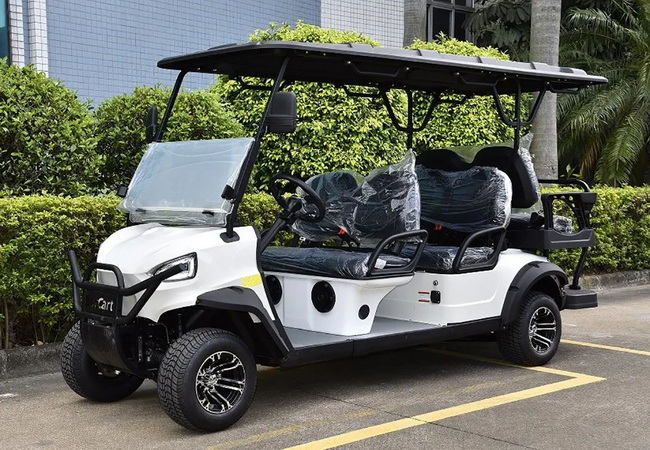
A golf car typically has open sides, higher rollover risk, and minimal crash protection compared with a standard car, which makes child restraint especially challenging. Even at modest speeds, a golf car can generate enough lateral force in a sharp turn to eject an unbelted passenger, including a child.[2]
- Never assume that a car seat makes a golf car as safe as a passenger vehicle; the underlying crash standards are completely different.[3]
- Low-speed vehicles (LSVs) that look like a golf car but are street-legal must comply with Federal Motor Vehicle Safety Standard 500 (FMVSS 500), including seat belts, while many basic golf cars do not.[4]
- Child passenger safety organizations often recommend avoiding transporting small children on a golf car at all when a regular vehicle is available.[5]
Different states and local jurisdictions have their own rules about carrying children on a golf car or LSV, including whether a child must ride in an approved car seat or booster. Some areas require that children who must use car seats in normal cars also use appropriate restraints when riding in an LSV that resembles a golf car.[6]
- Check local traffic codes for golf car and LSV use, age restrictions, and seat belt or car seat requirements before installing any child restraint in your golf car.[7]
- If your golf car is converted or registered as an LSV, it may legally need seat belts and could be subject to more stringent rules than a typical course-only golf car.[4]
- Penalties can include fines or restrictions on operating your golf car in public areas if regulations on child restraints are ignored.[6]
Conventional car seats are designed and crash-tested for passenger vehicles, not for an open golf car, so not every model will secure well or safely on a golf car bench. Where possible, specialized golf car child positioners or harness systems designed specifically for a golf car can improve stability and fit.[1]
- Look for a child seat or positioner that offers a five-point harness and is marketed for use on a golf car bench, with hardware that anchors securely to the golf car frame or seat base.[8]
- Avoid expired, second-hand, or visibly damaged car seats, because their structural integrity and protective capacity may be reduced.[9]
- Match the restraint type to the child: infant-style seats or high-back harness restraints for babies and toddlers, and booster-style or harness positioners for older children who fit the belt path correctly in a golf car.[10]
Placement on a golf car matters as much as the restraint itself, because certain seats on a golf car are inherently more exposed. Front-facing bench seats with good back support and center or rear positions generally provide a more stable and protected area in a golf car.[1]
- Use a forward-facing bench seat in the middle or rear of the golf car when possible, not a side-facing or flip-down cargo seat.[11]
- Avoid side-facing seats entirely for a car seat in a golf car, because they lack proper orientation and guardrails to protect the child during sudden maneuvers.[1]
- Do not mount a car seat on the front-most edge of the golf car if a safer rear or inward position is available, to reduce direct impact exposure.[10]
The basic process of fitting a car seat in a golf car follows passenger-vehicle logic, but with more attention to anchoring and side-to-side stability on the open golf car bench. The goal is to keep the seat from tipping, sliding, or lifting during normal golf car driving and emergency maneuvers.[1]
Before installing the seat, confirm that the golf car bench is wide, flat, and strong enough to support a child restraint without flexing or twisting. Check for any sharp edges, moving mechanisms, or latch points on the golf car that could interfere with a secure install.[11]
- Verify that the golf car seat back is high enough to give backing support to the car seat shell or harness frame.[10]
- Identify existing seat belts or anchor points on the golf car that can be used as primary restraints for the car seat.[2]
- If the golf car has no belts, consider installing aftermarket belts or a frame-mounted harness bar designed for golf car use before proceeding.[8]
Place the car seat or child positioner on the most stable section of the golf car bench, keeping it away from the edges where ejection risk is higher. Make sure the base of the seat lies flat, with no rocking, and that the golf car seat back supports the upper portion of the car seat.[1]
- Align the car seat so the child will face forward in the direction of golf car travel unless you have a system specifically designed and tested for rear-facing on a golf car.[12]
- Confirm that no part of the car seat overlaps hinges or folding joints, which can destabilize the seat during golf car motion.[11]
- If the golf car bench is slippery, add a non-slip mat approved for car seat use to limit lateral movement.[13]
Use the golf car seat belt, an LSV belt, or a dedicated strap system to cinch the car seat base down firmly to the golf car bench. In some setups, additional ratchet straps or heavy-duty webbing designed for golf car accessories are used to keep the seat from shifting.[1]
- Route the belt or straps through the designated belt path on the car seat shell or adapter, mimicking how it would be installed in a car, then pull tight.[10]
- Apply enough tension so that the car seat moves less than about one inch side-to-side or front-to-back when you push at the belt path on the golf car bench.[1]
- For golf cars with no belts, secure the seat using a harness or adapter kit designed to anchor around the frame or seat supports of the golf car.[8]
Anchoring only the bottom of a seat in a golf car can still leave it prone to tipping backward or forward over bumps or during braking. A top tether or upper strap to the golf car's seat frame or a harness bar greatly improves stability.[10]
- Hook the car seat's tether or harness strap to a secure point behind the golf car seat back, such as a reinforcement bracket or frame tube specified by your golf car or harness manufacturer.[14]
- Tighten the upper strap until the seat back no longer leans or wobbles independently of the golf car seat.[10]
- Check that the tether does not run over sharp metal or through pinch points in the golf car that might cut the strap during use.[1]
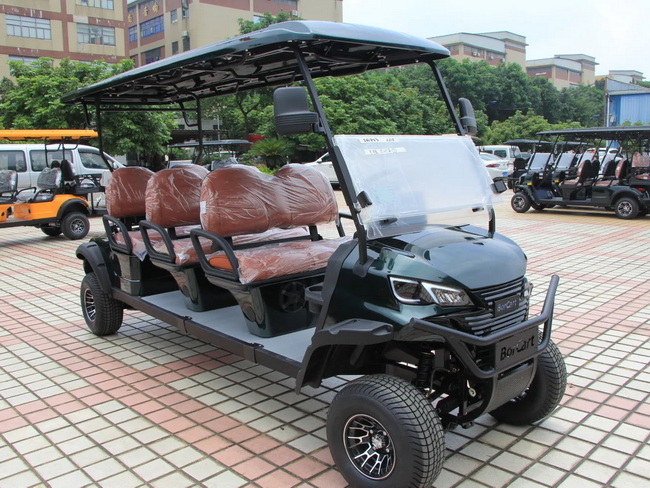
Once the car seat itself is stable on the golf car, secure the child with the built-in harness or positioner system according to the manufacturer's directions. Proper harness fit is vital because even a well-installed seat in a golf car can fail to protect a loosely strapped child.[9]
- Ensure the harness straps sit at or slightly above the shoulders for forward-facing children and that the chest clip is level with the armpits.[9]
- Check that you cannot pinch any slack in the harness webbing at the child's shoulders once tightened.[15]
- Secure any loose harness tails so they cannot snag on parts of the golf car or flap outside the vehicle while driving.[1]
A comprehensive check, performed every time before operating the golf car, helps catch loosened belts or changes caused by vibration. Because a golf car often travels over rough paths, small amounts of slack can quickly grow into major instability.[2]
- Pull and push the car seat firmly in multiple directions; if movement exceeds about one inch at the belt path, re-tighten or reposition in the golf car.[10]
- Verify that all belt buckles, latch hooks, and adjustment devices are locked before the golf car moves.[1]
- Re-inspect the installation regularly, especially if the golf car seat has been folded, adjusted, or converted since the last trip.[11]
Even the best installation cannot compensate for aggressive driving habits in a golf car, so behavior behind the wheel is a core safety factor. Slower speeds and smoother maneuvers give the car seat and harness time to perform effectively in a golf car.[16]
- Limit golf car speed, avoid sharp turns or quick J-turns, and steer gently over bumps or uneven terrain to reduce ejection risk.[2]
- Do not overload the golf car with more passengers than it is designed to carry, and keep other riders seated with belts fastened if available.[16]
- Only operate the golf car with a car seat on private property or areas where such use is permitted and safe, staying away from fast-moving traffic.[7]
Several aftermarket upgrades can make a family golf car more suitable for transporting children in car seats. These modifications do not turn a golf car into a crash-tested passenger vehicle, but they can address some of the most obvious hazards.[1]
- Install certified seat belts on every forward-facing bench of the golf car, using hardware kits designed for that frame and body style.[11]
- Add side grab bars and higher seat backs to rear golf car seats to help keep all passengers more contained during turns and bumps.[16]
- Consider a full enclosure or doors for the golf car when children ride frequently, which can provide a visual reminder of boundaries and help prevent falls.[16]
Certain errors are frequently seen when families first try to mount a car seat in a golf car, and these mistakes can seriously reduce the protective value of the restraint. Avoiding them keeps the golf car setup closer to the intent of child safety standards.[1]
- Do not rely on bungee cords, thin ropes, or elastic straps to secure a car seat to a golf car bench, because these materials stretch and fail under load.[1]
- Never place a car seat on a rear-facing or side-facing flip seat on a golf car, since those orientations are not compatible with how child seats are tested.[10]
- Avoid holding a car seat in your arms while the golf car moves; this exposes the child to ejection risk even if the adult is belted.[5]
Families who use a golf car daily in gated communities or resorts should treat it more like a small on-road vehicle than a toy. Building safer routines around loading, unloading, and driving the golf car can significantly decrease risk for child passengers.[16]
- Assign one adult to handle child loading, car seat harnessing, and final checks before the golf car moves, to avoid rushed or missed steps.[1]
- Teach older children to stay seated, keep arms and legs inside the golf car, and wait for a full stop before exiting.[16]
- Plan routes that avoid steep slopes, busy crossings, or rough trails when a car seat is installed in the golf car.[7]
Installing a car seat in a golf car is possible, but it requires specialized restraints, careful placement, secure anchoring, and conservative driving to offer meaningful protection. When a conventional vehicle is available, it almost always provides a safer environment for child passengers than even the most carefully configured golf car. If a golf car must be used, choose a suitable child seat or golf car harness, follow manufacturer guidance closely, verify local rules, upgrade the golf car where practical, and inspect the setup before every ride to keep young passengers as safe as conditions allow.[1]
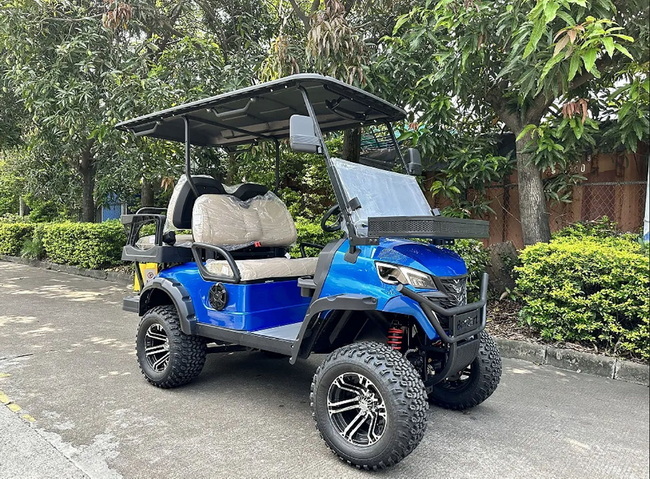
Using a car seat in a golf car is safer than holding a child on your lap, but it does not reach the safety of a properly equipped passenger vehicle. Because a golf car lacks crash protection and standardized seat-belt systems, many safety experts recommend avoiding golf car rides for small children whenever there is a safer transport option.[10]
Not every car seat can be secured safely to a golf car bench, because the belt paths and base shape are designed for automotive seats, not the flatter cushions of a golf car. Choosing models or child positioners specifically marketed for golf car use, or those that include accessory brackets and harnesses, usually results in a more secure installation.[1]
Seat belts or equivalent anchor points greatly improve the stability of a car seat on a golf car and are often required if the vehicle is registered as an LSV. If your golf car has no belts, consult a reputable dealer about adding belts or a frame-mounted harness solution before attempting any child car seat installation.[4]
In many jurisdictions, children who must ride in car seats in normal vehicles must also be correctly restrained when riding in an LSV that resembles a golf car. Local laws may specify seat-belt use, age limits, and where an LSV or golf car may operate, so always verify current rules with local authorities.[6]
Because a golf car typically travels over bumps, curbs, and uneven ground, hardware and straps can loosen faster than in a regular car. Recheck tightness and belt routing before every ride, and perform a more detailed inspection periodically, especially if the golf car seat has been folded, adjusted, or modified.[2]
[1](https://carts-and-parts.com/how-to-add-a-car-seat-in-golf-cart/)
[2](https://www-nrd.nhtsa.dot.gov/pdf/ESV/Proceedings/19/05-0431-W.pdf)
[3](https://www.instagram.com/p/CfZMIy9sorE/?hl=en)
[4](https://www.nhtsa.gov/interpretations/07-005545as)
[5](https://www.reddit.com/r/toddlers/comments/1dbbxzh/safety_on_a_golf_cart/)
[6](https://www.facebook.com/groups/1765271366889536/posts/9608924612524133/)
[7](https://www.aamva.org/getmedia/23801fce-0880-4eed-adf6-55b1e8d01d13/Low-Speed-Vehicles-Model-Law.pdf)
[8](https://craftsmangolf.com/products/child-positioner-for-golf-carts-5-point-harness)
[9](https://mc-seats.com/blog/best-golf-cart-child-safety-seat)
[10](https://jsgolfcarts.com/blog/car-seat-in-a-golf-cart/)
[11](https://guildgolfcarts.com/how-to-install-car-seat-on-golf-cart/)
[12](https://www.buggiesgonewild.com/showthread.php?p=1931353)
[13](https://automotiveplanner.com/how-to-put-car-seat-in-golf-cart/)
[14](https://www.youtube.com/watch?v=5XIYXp7Wtzo)
[15](https://www.car-seat.org/threads/carseat-on-a-golf-cart-thing.71799/)
[16](https://evolutionelectricvehicle.com/evolutions-approach-to-golf-cart-child-safety/)


