


Views: 222 Author: Loretta Publish Time: 2025-12-20 Origin: Site


Content Menu
● What Controls Golf Cart Speed?
● 1. Upgrade Your Golf Cart Battery
>> Choose Higher Voltage or Better Chemistry
>> Essential Battery Best Practices
● 2. Enhance Your Golf Cart Motor
>> High‑Performance Motor Options
>> Integration and Safety Considerations
● 3. Optimize and Reprogram the Controller
>> What Controller Upgrades Can Do
● 4. Tire Size, Type, and Pressure
>> Use the Right Tire Size and Style
>> Maintain Correct Tire Pressure
● 5. Reduce Weight and Improve Aerodynamics
>> Practical Ways to Cut Weight
● 6. Regular Maintenance and Cleaning
>> Routine Inspection Checklist
● 7. Advanced Speed Upgrades (For Enthusiasts)
>> Gear Ratio and Drivetrain Tuning
>> AC Motor Conversion and Performance Packages
● 8. Safety, Legal Limits, and Warranty Risks
>> Legal and Warranty Considerations
● 9. When to Work with an OEM or Professional Partner
● Recommended Speed Upgrade Paths
● FAQs: Making a Golf Cart Go Faster
>> 1. How fast can a golf cart go with common upgrades?
>> 2. Is it better to upgrade the motor or the batteries first?
>> 3. Will bigger tires always make my golf cart faster?
>> 4. Do speed upgrades affect golf cart range?
>> 5. Are there legal limits on golf cart speed in communities?
Improving golf cart speed in 2025 requires a structured approach that combines battery power, motor upgrades, controller tuning, tires, weight reduction, and regular maintenance. Whether you drive on a golf course, in a gated community, or for commercial use, smart upgrades can deliver higher speed without sacrificing safety or battery life.[1][2][3]

Understanding what actually limits your golf cart's speed helps you choose the most cost‑effective upgrades. Electric and gas carts rely on different components, but the same principles apply: power in, power out, and resistance in between.[4][5][1]
- Battery pack voltage and capacity.[6][1]
- Motor power (torque and RPM).[6]
- Speed controller settings and current limits.[6]
- Gear ratio and tire size.[2][6]
- Engine output and RPM limits.[5]
- Clutch performance and tuning.[5]
- Gear ratio and tire size.[2][5]
Before modifying anything, check your manufacturer's top‑speed rating and warranty terms; some changes may void coverage or violate local regulations.[7][1]
The battery pack is the core power source for any electric golf cart and directly affects both speed and range. A weak or undersized pack limits the motor's torque and top speed, even if the motor itself is capable of more.[1][6]
- Moving from 36V to 48V (when the system is designed or converted for it) can significantly increase top speed and acceleration.[1][6]
- Lithium‑ion battery packs provide higher usable capacity, faster charging, and lower weight compared with traditional lead‑acid batteries.[8][6]
For example, many upgraded electric golf carts with optimized batteries and matching components can comfortably reach 20–25 mph while maintaining good hill‑climbing ability.[3][2]
- Keep terminals clean and corrosion‑free to reduce resistance and power loss.[5][6]
- Use the correct charger specified for your pack type and voltage.[8][6]
- Avoid deep discharges when possible to extend battery life and maintain performance.[6]
The motor is the heart of acceleration and top speed in your electric golf cart. Upgrading to a more powerful motor can produce a noticeable improvement, especially if your cart hauls passengers, climbs hills, or carries cargo.[2]
- High‑RPM motors increase top speed while keeping voltage unchanged.[2][1]
- High‑torque motors boost hill‑climbing power and acceleration, ideal for hunting carts or utility applications.[2][6]
- Some owners choose complete AC conversion kits, which deliver stronger torque and speeds above 25 mph with improved efficiency.[3][2]
When upgrading the motor, always evaluate:
- Battery capability: a stronger motor draws more current and can shorten range if the pack is undersized.[6]
- Heat management: more power means more heat, so make sure cooling and duty cycles match your usage.[6]
- Drivability: sudden torque increases can affect handling, especially on wet or uneven surfaces.[3][2]
Consult an experienced golf cart technician or OEM partner to match motor, controller, and battery as a system.[3][2]
The speed controller regulates power flow from the battery to the motor, acting as the “brain” of the electric drive system. Adjusting or upgrading this controller is one of the most controllable ways to increase both speed and acceleration.[1][2]
- Raise maximum current limits for stronger acceleration.[1][6]
- Adjust output curves to balance torque vs. top speed for your terrain and usage.[2][6]
- Unlock higher factory‑limited speed settings in some models when supported by the manufacturer.[9][7]
- Increased controller output can stress older batteries and motors, shortening component life.[6]
- Bypassing or removing built‑in speed limiters without proper support can violate safety standards and local regulations.[7][6]
For fleets or commercial use (resorts, campuses, tours), coordinated controller tuning across carts ensures consistent performance and simplified maintenance.[5][3]
Tires affect rolling resistance, traction, and effective gearing, so they play a critical role in how fast your golf cart can actually travel. Small changes here can provide surprising speed gains at relatively low cost.[4][8][2]
- Larger‑diameter tires cover more ground per rotation, raising theoretical top speed.[8][1]
- Low‑profile, high‑performance tires reduce rolling resistance, improving speed and efficiency on paved paths.[8][2]
- Aggressive off‑road treads add grip but may reduce speed slightly due to higher drag.[10][2]
Always verify that larger tires fit the body, suspension, and wheel wells safely and do not overload the drivetrain.[8][5]
- Under‑inflated tires increase drag and heat, reducing speed and battery range.[5][8]
- Over‑inflated tires can reduce grip and ride comfort, especially on wet grass or uneven terrain.[4]
Check and adjust tire pressure at least monthly or before long rides, following the manufacturer's recommendations.[10][5]

A lighter, more streamlined cart requires less energy to move, which translates into better acceleration and higher sustained speeds. This is especially important for carts loaded with people, golf bags, tools, or hunting equipment.[4][2][5]
- Remove unused accessories, heavy storage boxes, or decorative parts that add little functional value.[5]
- When upgrading, choose lightweight components such as aluminum frames or lithium batteries where compatible.[6][8]
- Windshields and roof designs that smooth airflow can slightly improve efficiency, particularly at higher speeds.[3][6]
- Streamlined body panels and wheel covers can help reduce drag in lifted or customized carts.[9][3]
While aerodynamics matter less at typical golf cart speeds than in cars, they become more relevant as carts are tuned to run near or above 20 mph.[3][6]
Even without major upgrades, good maintenance can restore lost speed and keep your golf cart performing consistently. Dirt, corrosion, and worn components all add resistance that slows the cart and strains the drivetrain.[10][5]
- Clean battery terminals, cables, and main power connections.[5]
- Inspect and service the motor, checking brushes and bearings in DC systems.[5]
- For gas carts, perform tune‑ups, replace air filters, and ensure clutches operate smoothly.[5]
- Tire wear and pressure.
- Brake drag or misadjustment that may be slowing the cart.[10][5]
- Suspicious noises under acceleration that indicate drivetrain stress.[5]
Regular maintenance protects your investment and supports any performance upgrades you install.[6][5]
For owners who want maximum performance and are prepared to invest more, advanced upgrades can transform a basic vehicle into a high‑performance cart. These modifications should be planned as a complete system and installed by qualified technicians.[2][6]
- Changing the rear gear ratio can trade torque for top speed or vice versa.[2][6]
- High‑speed gears are popular in flat communities where hill‑climbing is less critical.[3][6]
- AC motor conversions deliver stronger torque, regenerative braking options, and higher controlled speeds.[6][2]
- Integrated performance kits (battery + motor + controller + gears) provide balanced upgrades that are easier to set up correctly.[2]
Always check local rules for maximum allowable speeds for on‑road or community use before investing in extreme modifications.[7][3]
Pursuing more speed must always be balanced with safety and compliance. Many jurisdictions classify faster golf carts as low‑speed vehicles (LSVs), imposing additional equipment and registration requirements.[7][3][6]
- Upgraded brakes, suspension, and steering may be necessary once your cart regularly exceeds 20–25 mph.[3][2]
- Ensure all passengers can sit securely; add belts and grab handles where required by regulations.[3]
- Removing or bypassing factory speed limiters can void warranties and create liability if an accident occurs.[7][6]
- Always document modifications and keep invoices from professional installers in case of inspections or insurance claims.[7]
For fleets, commercial operations, and brand owners, partnering with an OEM manufacturer or specialist can deliver better‑engineered, safer high‑speed solutions than ad‑hoc modifications.[2][3]
A professional OEM partner can:
- Design golf carts and low‑speed vehicles with higher speed capability from the frame up.
- Match motors, controllers, batteries, gears, and tires to specific use cases (golf, tourism, hunting, utility).
- Provide warranty‑backed configurations that comply with target market regulations.
If your business needs branded high‑performance carts for resorts, golf courses, real estate communities, or industrial campuses, working with an experienced OEM manufacturer helps you scale safely and efficiently.[2][3]
Use Case | Priority Upgrades | Typical Target Speed |
Standard golf course | Battery health, mild controller tune, low-profile tires | 15–20 mph |
Resort or community use | Higher-voltage pack, controller upgrade, larger tires | 18–25 mph |
Hunting / utility cart | High-torque motor, robust batteries, off-road tires | 15–22 mph |
Performance enthusiast | AC motor kit, high-speed gears, lithium pack | 25+ mph |
If you are planning to build or source faster golf carts at scale, work with a professional OEM partner that can engineer the right mix of battery, motor, controller, and chassis for your market. Reach out to a specialized electric vehicle manufacturer to discuss custom golf cart and low‑speed vehicle solutions tailored to your brand, usage scenario, and target regulations.[6][3][2]
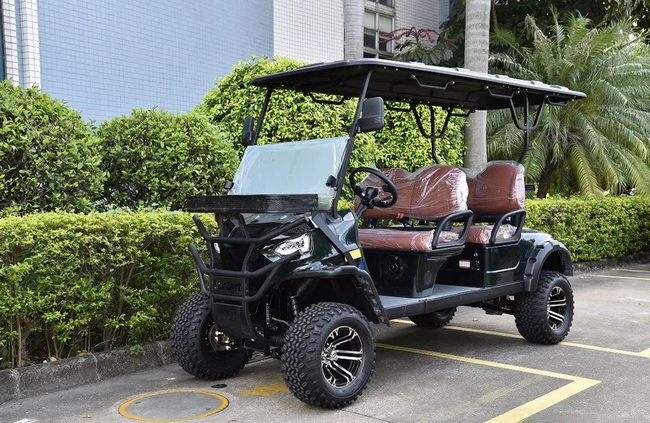
With a higher‑voltage battery pack, matched controller, and suitable tires, many modern electric golf carts can safely reach 20–25 mph under typical conditions. Beyond that, additional braking and safety upgrades are strongly recommended.[1][3][2]
For most owners, ensuring a strong, correctly sized battery pack comes first, since a weak pack limits any other upgrade. Once the batteries are solid, a motor and controller upgrade can deliver larger, more noticeable gains.[1][6][2]
Larger tires increase effective gearing and can raise top speed, but they may reduce torque and acceleration, especially on hills. They also add load to the drivetrain, so you should confirm compatibility and adjust gearing or controller settings if needed.[8][1][2]
Yes. Drawing more current for higher speed or stronger acceleration can reduce driving range per charge, particularly with older or undersized batteries. Choosing efficient components, maintaining tires, and reducing weight helps offset these losses.[4][1][6]
Many regions limit unregistered golf carts to around 15–20 mph and classify faster carts as low‑speed vehicles that require extra equipment, registration, or insurance. Always check local rules before unlocking speed limiters or installing high‑speed kits.[7][3]
[1](https://www.golfcartgarage.com/blog/how-to-make-your-golf-cart-go-faster/)
[2](https://extremekartz.com/blogs/extreme-blogging/six-proven-tips-to-boost-your-golf-cart-performance)
[3](https://golfcartsofatx.com/blog/how-to-make-an-electric-golf-cart-faster/)
[4](https://www.treadworld.com/how-to-make-your-golf-cart-faster/)
[5](https://blog.buggiesunlimited.com/how-to-make-your-golf-cart-faster/)
[6](https://www.improvecn.com/articles/top-10-secrets-to-a-faster-electric-golf-cart)
[7](https://carts-and-parts.com/how-to-remove-speed-limiter-on-electric-golf-cart/)
[8](https://carts-and-parts.com/8-ways-to-make-your-golf-cart-faster/)
[9](https://www.youtube.com/watch?v=KMLak0KNEu4)
[10](https://www.qualitygolfcartssc.com/blog/tips-to-make-your-slow-golf-cart-go-faster--49574)
[11](https://www.youtube.com/watch?v=oWqjgGozBXA)
[12](https://www.rootsev.com/blog/top-6-ways-to-make-your-golf-cart-go-faster/)
[13](https://www.youtube.com/watch?v=2pQ0DrBjmyM)
[14](https://www.reddit.com/r/golfcarts/comments/ya1483/how_can_i_make_my_golf_cart_faster/)
[15](https://www.youtube.com/watch?v=YE4B9oxRxu8)
[16](https://www.youtube.com/watch?v=CTh6KplXBCo)
[17](https://jsgolfcarts.com/blog/how-to-make-an-electric-golf-cart-faster/)
[18](https://www.revel42.com/ways-to-speed-up-a-slow-golf-cart/)
[19](https://www.youtube.com/watch?v=2dOlxrx7ek8)
[20](https://www.youtube.com/watch?v=Fl9JU_BWI_Q)


