


Views: 222 Author: Leah Publish Time: 2025-12-27 Origin: Site


Content Menu
● Understanding How an Electric Golf Cart Produces Speed
● Simple, Low-Cost Ways to Make an Electric Golf Cart Faster
● Controller Upgrades: Unlocking Power in an Electric Golf Cart
● Motor Options for Higher Electric Golf Cart Speed
● Battery Voltage and Capacity: Powering a Faster Electric Golf Cart
● Gearing and Tire Size: Mechanical Speed Tuning for Electric Golf Cart
● Software Tuning and Electronic Limiters in Electric Golf Cart
● Safety Requirements for a Faster Electric Golf Cart
● Legal and Regulatory Factors for High-Speed Electric Golf Cart
● Practical Upgrade Roadmap for Electric Golf Cart Owners
● Comfort, Usability, and Reliability in a Faster Electric Golf Cart
● FAQ
>> 1. How much faster can an electric golf cart safely go?
>> 2. Does making an electric golf cart faster reduce driving range?
>> 3. What is the best first upgrade for an electric golf cart?
>> 4. Will speed upgrades void my electric golf cart warranty?
>> 5. Is it legal to drive a modified electric golf cart on public roads?
An electric golf cart can be much more than a slow shuttle between holes when it is tuned and upgraded with the right components and maintenance practices. By improving the powertrain, batteries, and mechanical setup, it is possible to transform an electric golf cart into a responsive, efficient, and faster vehicle while still keeping it safe and controllable. This complete guide walks through practical steps, upgrade options, and best practices to make an electric golf cart faster in a reliable and responsible way.
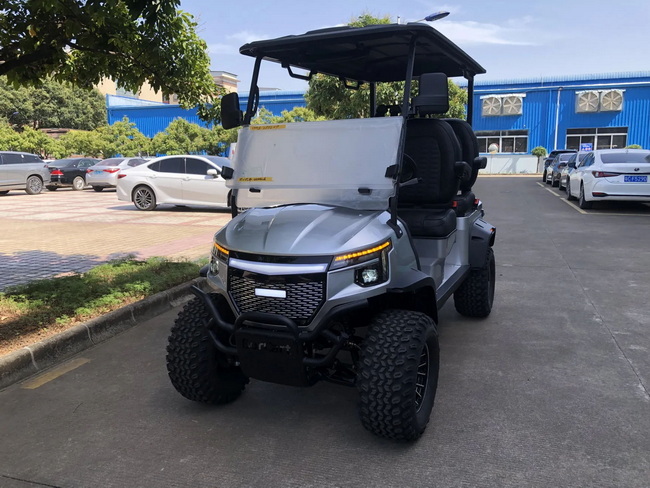
Before upgrading anything, it helps to understand how an electric golf cart creates motion and speed. The core system consists of a battery pack, a controller, an electric motor, cabling, and the drivetrain that sends power to the wheels. Each of these parts can either limit or unlock potential performance in an electric golf cart.
Key elements that shape speed in an electric golf cart include:
- Battery pack voltage: Higher system voltage typically allows the motor to spin faster at a given load.
- Controller current rating: The controller acts as the brain and throttle for the motor, limiting how much current and power the electric golf cart can use.
- Motor design: Some motors prioritize torque for hills, while others are wound for higher RPM and top speed in an electric golf cart.
- Drivetrain and tires: Gear ratio and wheel size determine how motor RPM translates into ground speed.
A thorough inspection of the existing electric golf cart system should identify the current voltage, controller rating, motor type, and any software speed limits or mechanical restrictors. Knowing the baseline makes it easier to plan upgrades that work together instead of over-stressing a single component.
Not every improvement requires replacing major parts. Often, the first gains in speed and responsiveness come from cleaning up basic issues and reducing unnecessary drag on the electric golf cart. These steps are inexpensive, and they prepare the vehicle for more advanced modifications later.
Practical low-budget improvements include:
- Weight reduction: Removing unneeded seats, storage boxes, or heavy accessories helps an electric golf cart accelerate more quickly and maintain speed more easily.
- Proper tire pressure: Under-inflated tires increase rolling resistance, so keeping them at the recommended pressure makes the electric golf cart roll more freely.
- Low-rolling-resistance tires: If the vehicle mostly runs on paved paths or smooth fairways, switching to smoother tread tires can reduce drag and slightly raise speed.
- Bearing and brake inspection: Sticky wheel bearings or dragging brakes can silently rob speed from an electric golf cart, so servicing these components often restores lost performance.
These steps will not turn an electric golf cart into a high-performance machine on their own, but they ensure that later upgrades deliver the full benefit. Starting with a well-maintained electric golf cart also reduces the risk of breakdowns when higher speeds are introduced.
For many owners, the controller is the single most important performance upgrade on an electric golf cart. The controller determines how much power the motor can receive by limiting current and regulating the throttle response. Even with a stock motor, a higher-amp controller can provide stronger acceleration and more usable torque.
Benefits of a performance controller on an electric golf cart:
- Higher current output: Allowing more current to flow to the motor improves torque and can improve top speed, especially when combined with other upgrades.
- Adjustable programming: Many modern controllers offer tunable parameters such as acceleration rate, maximum speed, and regenerative braking strength, giving precise control over how the electric golf cart feels.
- Compatibility with future upgrades: A robust controller can support later changes such as a new motor or higher voltage battery pack without needing to be replaced again.
When fitting a higher-amp controller, it is essential to ensure that cables, solenoids, and switches are rated for the increased current. If the stock wiring is undersized for the new controller, heat buildup or component failure can occur under heavy use. A properly designed controller upgrade for an electric golf cart includes thick, high-quality cables and reliable safety components.
The motor is the heart of the electric golf cart drivetrain, and its design directly affects speed and torque. Stock motors are usually optimized for dependable operation at moderate speeds on the course, not for performance. Owners seeking higher speed can choose from several motor approaches.
Common electric golf cart motor strategies include:
- High-RPM series or shunt motors: These units are designed to spin faster at the same voltage compared to stock motors, raising the potential top speed of the electric golf cart.
- Torque-focused motors: While these motors emphasize hill-climbing power, when paired with gear or tire changes, they can still contribute to higher practical speeds in real-world conditions.
- AC motor conversion kits: Converting an electric golf cart from a DC motor to an AC system can bring better efficiency, smoother power delivery, and strong performance over a wide speed range.
Motor selection should match the way the electric golf cart is actually used. A cart that frequently carries passengers on steep terrain may need a balance of torque and speed, while a vehicle used mainly on flat private roads might prioritize maximum top speed. Matching the motor to the controller and battery pack is critical; mismatched components can underperform or overheat.
Battery performance strongly influences how fast and how far an electric golf cart can go. Two aspects matter most for speed: system voltage and the ability of the battery pack to maintain voltage under load. Raising system voltage generally increases motor RPM and potential top speed, while a stable, high-quality pack helps sustain speed without sagging.
Key battery strategies for a faster electric golf cart:
- Voltage upgrades: Moving from a 36 V configuration to 42 V or 48 V can significantly increase motor speed, provided that the controller, motor, and accessories are rated for the higher voltage.
- High-quality deep-cycle batteries: Premium lead-acid or lithium batteries maintain voltage better during heavy acceleration, helping an electric golf cart feel stronger and faster.
- Adequate capacity: Higher speeds consume more energy per mile, so a faster electric golf cart often benefits from higher amp-hour capacity to preserve usable range.
Lithium battery conversions are particularly attractive for performance-oriented electric golf cart builds. They offer lighter weight, better discharge characteristics, and faster charging in many cases. However, lithium packs require proper battery management systems, compatible chargers, and careful installation to ensure safety and longevity.
Beyond electrical upgrades, mechanical adjustments can also speed up an electric golf cart. The gear ratio and tire diameter effectively decide how much ground the vehicle covers for each motor revolution. Changing these values can raise top speed, but usually at the cost of some low-speed torque.
Important mechanical tuning options for an electric golf cart:
- High-speed gear sets: Swapping the differential gears for a “taller” ratio lets the electric golf cart travel farther with each turn of the motor shaft, translating into higher speed on flat ground.
- Larger tires: Increasing tire diameter functions like changing the final drive ratio; the electric golf cart covers more distance per revolution, which boosts top speed but can slightly weaken hill performance.
- Suspension and clearance: Bigger tires can require a lift kit or suspension modifications to avoid rubbing, so the whole chassis of the electric golf cart must be checked for proper clearance.
When combining gear and tire changes, it is important to stay within the motor's and controller's ability to deliver adequate torque. An electric golf cart built only for top speed but unable to climb hills or carry passengers will be less practical, so a balanced setup is usually the best choice.
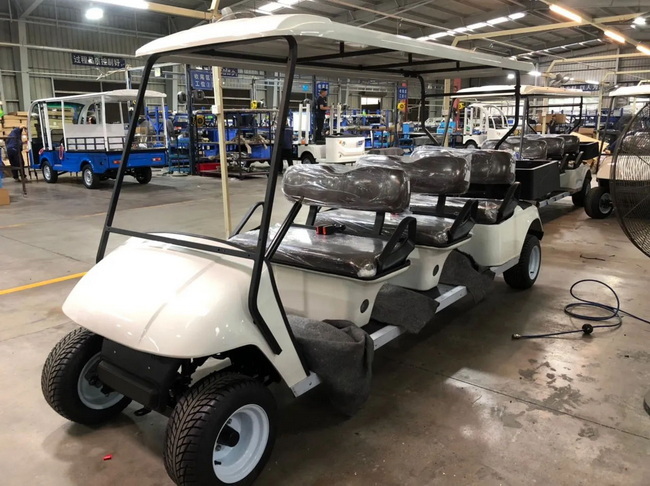
Many newer electric golf cart models employ electronic limiters and programmable controllers that define maximum speed, acceleration curves, and braking characteristics. Sometimes, a modest increase in speed can be achieved by reprogramming these settings without replacing any hardware.
Common software adjustments on an electric golf cart:
- Raising speed limits: Where allowed by manufacturer and local regulations, the maximum speed value can be increased within the safe operating range of the components.
- Adjusting acceleration profiles: Smoother or more aggressive throttle mapping changes how quickly the electric golf cart responds when the pedal is pressed.
- Regenerative braking tuning: Adjusting regeneration affects how strongly the electric golf cart slows when the driver lifts off the accelerator, which can influence both feel and efficiency.
While software tuning is appealing, it should be done cautiously. Pushing controller settings beyond recommended values can result in overheating or other failures. It is best to use manufacturer-approved tools and guidelines when changing any electronic parameters on an electric golf cart.
Speed increases always bring safety considerations. An electric golf cart that now travels significantly faster than its original design must still steer, stop, and protect occupants effectively. Neglecting safety can turn a fun upgrade project into a serious hazard.
Key safety upgrades and checks for an electric golf cart:
- Braking system: Upgraded or freshly serviced brakes are crucial, including pads, drums or discs, cables, and hydraulic components if present. A faster electric golf cart must decelerate predictably.
- Steering and suspension: Worn tie-rods, bushings, or shocks can cause instability at higher speeds, so any performance build should begin with a tight, well-aligned steering and suspension system.
- Structural integrity and seating: Inspect the frame, seat mounts, and safety belts (if installed) to ensure that they can withstand higher dynamic loads at speed.
When an electric golf cart frequently carries passengers, adding mirrors, turn indicators, and improved lighting can also enhance safety and visibility, especially if the vehicle is used on shared roads within private communities or resorts.
Legal requirements for an electric golf cart vary by region, but in many jurisdictions, speed thresholds determine how a vehicle is classified. A modestly upgraded electric golf cart used only on private property may face few restrictions, but a cart driven on public roads often must meet specific rules once it exceeds a certain speed.
Typical legal topics affecting a faster electric golf cart include:
- Vehicle classification: Beyond a defined speed limit, a golf cart may be considered a low-speed vehicle or neighborhood electric vehicle, triggering equipment and registration standards.
- Mandatory safety equipment: Items such as headlights, taillights, brake lights, turn signals, seat belts, and reflectors are often required for road-legal electric golf cart use.
- Insurance and licensing: Owners may need insurance coverage and a valid driver's license to operate a faster electric golf cart on public streets.
Before heavily modifying speed, it is wise to review local regulations or consult regulators or legal professionals. Complying with rules not only avoids fines but also helps ensure that the electric golf cart remains safe in mixed traffic.
Because budgets, skills, and performance goals differ, a simple roadmap helps electric golf cart owners prioritize the most effective and sensible upgrades. Instead of changing everything at once, it is often better to proceed in stages, testing and refining the electric golf cart at each step.
A practical progression might look like this:
1. Maintenance and efficiency
- Service bearings, brakes, and suspension.
- Correct tire pressure and remove unnecessary weight.
- Confirm that throttle, wiring, and charging systems work properly.
2. Tires and gear ratio
- Install slightly taller, low-rolling-resistance tires.
- Consider a moderate high-speed gear set to raise top speed while still preserving usable torque.
3. Controller upgrade
- Fit a higher-amp programmable controller with appropriately sized cables and solenoid.
- Adjust acceleration, regeneration, and maximum speed settings according to component limits.
4. Battery and voltage improvements
- Upgrade to higher-quality batteries or move to a higher voltage system compatible with the controller and motor.
- Ensure that chargers and accessories are matched to the new voltage.
5. Motor or AC conversion
- Select a motor that fits the use case, balancing high RPM and torque.
- Optionally convert to an AC system for smoother, more efficient performance.
After each stage, owners should test the electric golf cart in a safe environment, monitor temperature and range, and confirm that braking and handling remain predictable. This incremental method avoids large surprises and helps fine-tune the electric golf cart to the user's actual driving needs.
Speed alone does not define a satisfying electric golf cart. Comfort, ease of use, and reliability also matter, especially when the vehicle serves golfers, resort guests, or families. A well-rounded build aims to make the electric golf cart enjoyable for everyday use, not just impressive in terms of numbers.
Ways to enhance comfort and reliability:
- Ergonomic layout: Ensure that seats, steering wheel, and pedal positions remain comfortable after suspension or tire changes.
- Vibration control: Balance wheels properly and check chassis mounts so a faster electric golf cart still feels smooth at higher speeds.
- Cooling and monitoring: Adding temperature or voltage gauges helps keep track of how hard the system is working, which protects the motor and controller.
For commercial or fleet operators, preventive maintenance schedules and standardized upgrade packages can keep multiple electric golf cart units performing consistently. This approach reduces downtime and ensures that every electric golf cart delivers the expected speed and range.
Making an electric golf cart faster is a structured process that combines smart planning, suitable parts, and regular maintenance. By first understanding how the battery pack, controller, motor, and drivetrain interact, owners can select upgrades that work together rather than against each other. Simple steps such as reducing weight, optimizing tire setup, and servicing brakes often lay the foundation for more noticeable improvements in speed.
Once the basics are addressed, performance gains typically come from a higher-amp programmable controller, a well-matched motor, and a carefully designed battery configuration that maintains voltage under load. Mechanical tuning through gears and tire size then lets the electric golf cart translate motor RPM into real-world top speed. Throughout the process, attention to safety systems, legal requirements, and everyday usability ensures that a faster electric golf cart remains stable, comfortable, and compliant with regulations.
For individuals, businesses, and brands that rely on electric golf cart fleets, choosing high-quality components and a staged upgrade roadmap can deliver lasting improvements in performance. With thoughtful engineering and responsible tuning, an electric golf cart can become a responsive, efficient, and enjoyable vehicle that feels modern and capable rather than slow and limited.
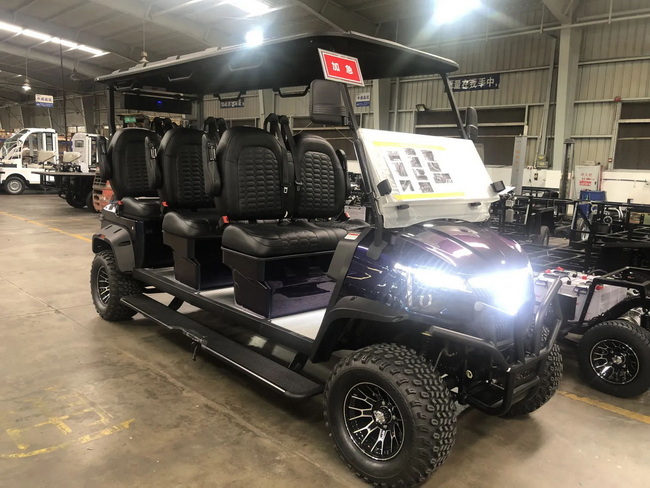
In many cases, a standard electric golf cart designed for about 12–15 mph can be upgraded to reach roughly 20–25 mph when using properly matched components and maintaining safe braking capability. Pushing speed beyond that range usually demands significant upgrades to brakes, suspension, and structure, and it may also change how the vehicle is classified under local traffic regulations.
Yes, higher speed generally increases energy consumption per mile, so range often decreases if the electric golf cart is driven aggressively. Upgrading to higher-quality or higher-capacity batteries, improving efficiency with low-rolling-resistance tires, and using sensible driving habits can partly offset this effect, but there is always a trade-off between maximum speed and total range.
For many owners, a programmable high-amp controller is the most versatile first upgrade because it unlocks more torque from the existing motor and can later support further changes such as higher voltage or a performance motor. Others may start with tire and gear adjustments to achieve a modest speed increase with minimal wiring work, especially if their electric golf cart already has a solid electrical system.
Any modification that pushes components beyond original specifications can potentially void manufacturer warranties, especially when battery voltage, controller settings, or major wiring changes are involved. It is important to review the warranty terms for the electric golf cart, consult with dealers or service centers when possible, and document all modifications so there is clarity about which parts remain covered.
Legality depends entirely on local laws and speed thresholds. In many areas, once an electric golf cart exceeds a certain speed, it may be classified as a low-speed vehicle or neighborhood electric vehicle, which requires equipment such as lights, mirrors, seat belts, and sometimes a windshield, along with registration and insurance. Owners should check regulations in their jurisdiction before using a high-speed electric golf cart on public streets or shared roadways.


