


Content Menu
● Types of Golf Cars and Typical Uses
● Basic Controls of a Golf Car
● Pre-Drive Checks Before Moving a Golf Car
● Step-by-Step: How to Drive a Golf Car
>> Starting and Moving Forward
>> Driving a Golf Car in Reverse
● Handling Hills, Weather, and Loads
● Safety Tips for Driving a Golf Car
● Course Etiquette and Local Rules
● Learning with Video-Based Training
● Basic Maintenance for a Safe Golf Car
● FAQ
>> 1. How fast can a typical golf car go?
>> 2. Do I need a driver's license to drive a golf car?
>> 3. Are electric golf cars better than gas golf cars?
>> 4. Can I drive a golf car on public roads?
>> 5. How should I maintain my golf car for safe driving?
Driving a golf car is easy to learn if you understand the basic controls, safety rules, and course etiquette. With a bit of practice and respect for the power of a modern golf car, you can enjoy smooth, safe rides on the golf course, in resorts, or in gated communities.[1][2]
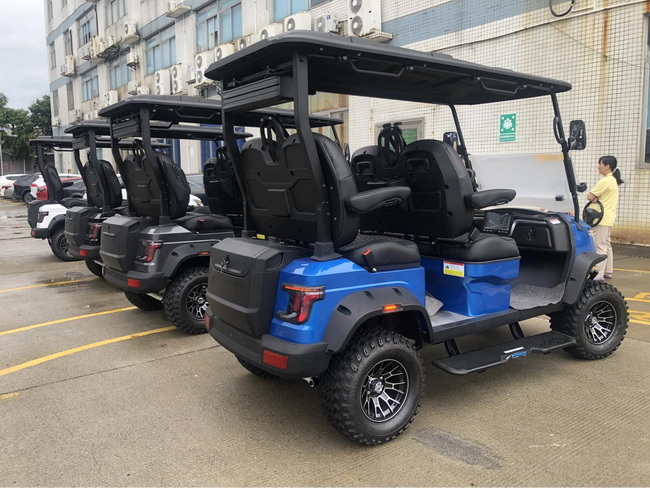
A modern golf car is a compact, low-speed vehicle designed for transporting golfers, passengers, and clubs around a course or community. Many golf car models are now used as multi-purpose vehicles in resorts, campuses, warehouses, and residential areas.[3][4]
Key characteristics of a golf car include:
- A steering wheel, accelerator, and brake pedals similar to an automobile.[5]
- Electric or gasoline power, with electric golf cars favored for quiet operation and low emissions.[1]
- Configurations for 2, 4, or more passengers and cargo, depending on the application.[6]
Golf car manufacturers and OEM suppliers customize the body, seating, lighting, and accessories to match different use cases such as golf courses, hunting, tourism, or utility work. As golf car technology improves, many fleets include advanced batteries, regenerative braking, and upgraded suspension for higher comfort and durability.[4][5]
Not every golf car is the same, and understanding the main types helps new drivers choose the right model for each situation. Different configurations influence how a golf car accelerates, climbs hills, and carries people or cargo.[7][6]
Common types of golf car include:
- Standard two-seater for golf courses, optimized for fairway use and club storage.[7]
- Four- or six-seater shuttle golf car for resorts, hotels, and campuses carrying multiple passengers.[6]
- Utility golf car fitted with cargo beds or racks for maintenance teams and light work.[4]
- Lifted or off-road style golf car used for hunting areas, parks, or rougher paths.[5]
Many communities also use a golf car as a low-speed neighborhood vehicle for short trips to shops, clubhouses, or pools. In these environments, a golf car often needs mirrors, lights, and other road-style equipment to operate safely around pedestrians and cars.[8][9]
Before driving a golf car, understand the main controls so every movement is intentional and safe. Most golf car layouts are intuitive for anyone who has seen or driven a small vehicle before.[5][7]
Common golf car controls include:
- Steering wheel: Turns the front wheels left or right; avoid jerky steering to keep the golf car stable.[2]
- Accelerator pedal: On the right, increases speed when pressed, and some electric golf cars start moving as soon as you press it.[1]
- Brake pedal: On the left (or combined pedal on some models), slows or stops the golf car when pressed.[10]
- Forward/reverse selector: A lever or switch marked F/R or D/R, used to choose direction before pressing the pedal.[11]
- Key switch or power button: Turns the golf car on and off and often includes “Off,” “On,” and sometimes “Reverse” or “Tow/Maintenance” modes.[1]
Many golf car models also have lights, turn signals, a horn, and mirrors, especially when the golf car is used in communities or on streets. Always review the owner's manual for the specific golf car model you drive so you know the exact control layout and operating limits.[9][11]
A few simple checks before driving a golf car reduce the risk of breakdowns and accidents on the course or road. Building this habit makes every golf car trip smoother and more professional.[12][6]
Essential pre-drive steps include:
- Walk around the golf car to check for visible damage, low tires, or obstacles near the wheels.[6]
- Check that the battery charge or fuel level is sufficient for your planned distance in the golf car.[4]
- Make sure the steering wheel turns freely and the brake pedal feels firm, not spongy.[12]
- Confirm that all passengers have a safe place to sit and understand they must stay seated while the golf car is moving.[6]
- For street-ready golf car setups, test headlights, indicators, and horn before entering shared traffic.[9]
These inspections only take a minute, but they extend the life of the golf car and help avoid being stranded between holes or far from the clubhouse.[4]
Learning to drive a golf car is easier if you follow a clear, repeatable process from start-up to parking. The steps below apply to most electric and gasoline golf cars used on golf courses and in private areas.[2][7]
- Sit in the driver's seat, adjust your position, and make sure every passenger is seated properly with seatbelts fastened if provided.[1]
- Insert the key in the golf car ignition and turn it to the “On” position, or press the power button on keyless systems.[1]
- Confirm that the forward/reverse selector is set to “Forward” before pressing the accelerator on the golf car.[13]
- Press the accelerator pedal gently with your right foot; increase pressure slowly so the golf car accelerates smoothly instead of jumping forward.[2]
- Keep both hands on the steering wheel while the golf car is moving, and steer gradually rather than making sharp turns.[5]
- Ease off the accelerator to let the golf car slow naturally, especially on flat ground or with regenerative braking systems.[11]
- Press the brake pedal smoothly until the golf car comes to a complete stop; avoid slamming the brakes unless needed for an emergency.[10]
- When stopping on a slope, keep steady pressure on the brake pedal until the parking brake of the golf car is engaged.[6]
- Most golf car models have a hand or foot parking brake that locks the wheels; always engage it before leaving the seat.[9]
- Bring the golf car to a full stop before changing direction to avoid damage to the motor or transmission.[11]
- Move the forward/reverse lever or switch to “Reverse”; many electric golf cars emit a beeping sound when reverse is selected.[11]
- Look over your shoulder and check mirrors to make sure the space behind the golf car is clear of people, carts, or obstacles.[14]
- Press the accelerator gently, because most golf cars limit reverse speed and feel different when backing up.[11]
- As soon as you finish backing, stop the golf car completely, shift back to “Forward,” and then continue.[8]
- Choose a flat, designated parking area away from greens, tees, or restricted zones on the course when stopping your golf car.[6]
- Press the brake pedal until the golf car stops completely, then set the parking brake securely.[9]
- Turn the key to “Off” and remove it to prevent unauthorized use of the golf car, especially in public or resort areas.[14]
- For electric golf cars, follow fleet instructions about charging, such as plugging into the correct charger after each round.[4]
Real-world conditions like slopes, rain, and heavy bags change how a golf car behaves on the path. Drivers should adapt their habits to keep the golf car stable and under control.[12][6]
On hills:
- Approach slopes straight on, not at an angle, so the golf car remains balanced.[6]
- Climb slowly with steady pressure on the accelerator and avoid sudden stops mid-hill.[4]
- When descending, reduce speed early and let the motor and brakes slow the golf car rather than riding the accelerator.[11]
In wet or slippery conditions:
- Slow down well before turns because a golf car can slide on wet grass or smooth paths.[3]
- Avoid driving through standing water that could hide holes or damage sensitive golf car components.[6]
- Keep extra distance from other vehicles and pedestrians because stopping distances increase on wet surfaces.[8]
With passengers and cargo:
- Respect the maximum weight rating of the golf car, including people, bags, and any accessories.[9]
- Ask passengers to sit facing forward and keep weight evenly distributed across the golf car seats.[6]
- Secure loose items so they do not fly out or shift suddenly during turns or over bumps.[12]
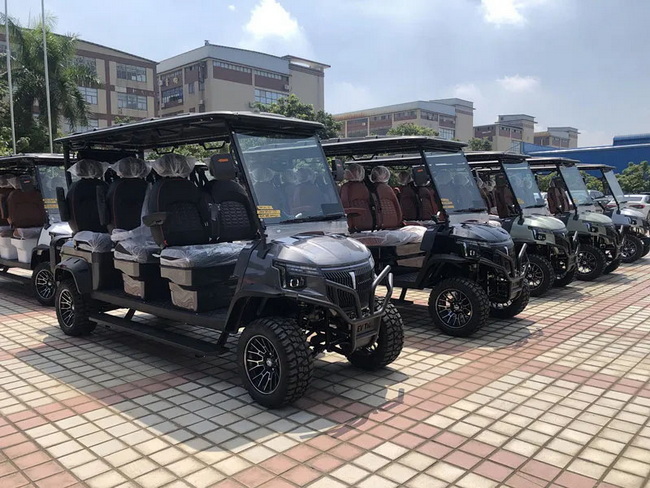
A golf car looks small, but it can still cause serious injuries or property damage if driven carelessly. Following safety fundamentals protects you, passengers, and everyone around the golf car.[8][6]
Key safety rules when operating a golf car:
- Always obey posted speed limits and adjust speed for hills, wet surfaces, and rough terrain.[6]
- Slow down before and during turns; fast, sharp turns can tip a golf car, especially with heavy or unbalanced loads.[8]
- Keep all hands, arms, legs, and feet inside the golf car while it is in motion.[12]
- Do not overload the golf car with more passengers or cargo than specified by the manufacturer.[9]
- Avoid distractions such as phones or loud conversations when driving the golf car.[4]
- Never drive a golf car under the influence of alcohol or drugs, even in private communities.[8]
When driving near pedestrians, cyclists, or other carts, give them plenty of space and always be prepared to stop. Use headlights, tail lights, and turn signals if your golf car is equipped and you drive in low-light conditions or shared traffic.[9][6]
Good etiquette keeps play moving and protects the course and the golf car fleet. Each club or resort may have its own rules for where a golf car can drive, park, and cross fairways.[15][6]
Common etiquette guidelines for golf car drivers:
- Follow “Cart Path Only” or “90-degree rule” instructions to protect fairways from damage.[15]
- Never drive the golf car onto greens, tee boxes, or bunkers, and avoid wet or marked-off areas.[6]
- Drop your partner near their ball and then drive your golf car to your own ball to save time and keep pace of play.[16]
- Park the golf car to the side or behind greens so you can exit quickly to the next tee.[17]
- Respect noise levels when other players are swinging, even if your golf car is an electric model.[3]
In residential communities or campuses, treat your golf car as a road-worthy vehicle and follow traffic signs, right-of-way rules, and crossings. If local law allows golf cars on public roads, you may need specific equipment, insurance, or registration for your golf car.[8][9]
Visual demonstrations make it easier to understand how a golf car responds when you start, stop, or turn. Beginners can watch training videos before driving to reduce anxiety and avoid common mistakes with a golf car.[18][19]
Useful video-based learning approaches:
- Watch a detailed beginner tutorial that explains each control of the golf car and shows real-time driving sequences.[18]
- View safety training content that demonstrates proper boarding, seatbelt use, and passenger behavior in a moving golf car.[19]
- Study short clips focusing on specific tasks such as reversing, climbing hills, or handling wet surfaces with a golf car.[18]
- Pause, replay, and compare different brands or layouts so you can handle any rental or fleet golf car with confidence.[5]
After watching several training videos, practice on a quiet, open area with a supervised instructor or experienced driver next to you in the golf car. Combine visual learning with hands-on practice so your reactions and judgment become automatic while controlling the golf car.[19][7]
Safe golf car operation does not end when you park; regular maintenance keeps performance consistent and prevents failures. Simple checks by the owner or fleet manager greatly extend the life of each golf car.[4][6]
Important maintenance practices include:
- Monitoring battery water levels and using the correct charger for electric golf cars.[4]
- Inspecting brake components, cables, and pads so the golf car can stop safely under all loads.[12]
- Checking tire pressure and tread depth to ensure stable handling and even wear on the golf car.[6]
- Lubricating moving parts and steering components according to the manufacturer's schedule.[9]
- Keeping the golf car clean, especially around electrical connections and under the body where dirt can build up.[4]
For fleets or heavily used units, scheduled professional service helps detect hidden issues in the golf car such as worn suspension joints or cracked frames.[12]
Driving a golf car safely combines understanding basic controls, building smooth pedal and steering habits, and following strict safety and etiquette rules. Whether you drive a golf car on a course, in a resort, or in a community, treat it as a real vehicle and give full attention to speed, terrain, and passengers at all times. With proper training, pre-drive checks, and regular maintenance, any beginner can operate a golf car confidently while protecting people, property, and the course environment.[1][8][6]
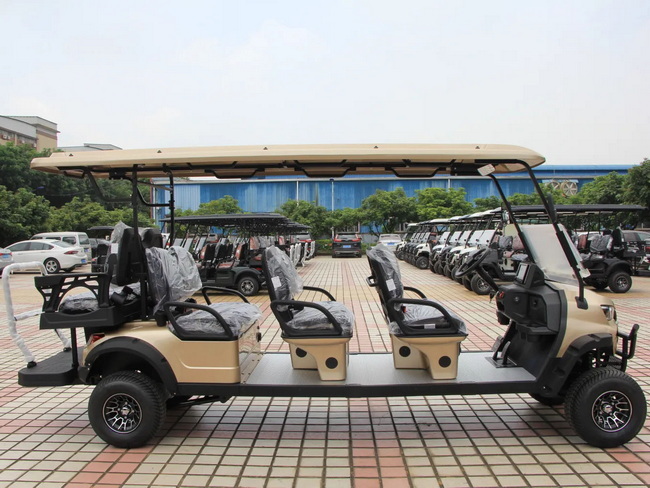
Most standard golf car models are designed for speeds around 12–15 miles per hour on level ground. Some street-legal or modified golf car versions can go faster, but they must follow local regulations, safety equipment requirements, and usage limits.[7][8]
Whether a license is required to drive a golf car depends on local laws, age limits, and where the golf car is used. Many golf courses allow adults to drive a golf car without a road license, while communities or public roads may require a valid driver's license and registration.[8][9]
Electric golf car models are quieter and produce no exhaust at the point of use, which makes them popular for courses and residential areas. Gas golf car designs typically offer longer range, quick refueling, and more torque for hills or heavy loads, which some users prefer for utility work.[11][6]
Some regions classify certain golf car or low-speed vehicle configurations as street-legal if they meet equipment standards like lights, mirrors, signals, and sometimes seatbelts. Even then, a street-approved golf car is usually limited to lower-speed roads and must follow all traffic rules like any other vehicle.[8][9]
Safe golf car operation requires regular checks of brakes, tires, steering, and lights, plus attention to battery charge or fuel level. Scheduled servicing, correct battery charging practices for electric golf cars, and respecting load limits help extend lifespan and reduce breakdown risks.[11][4]
[1](https://www.wikihow.com/Drive-a-Golf-Cart)
[2](https://jsgolfcarts.com/blog/are-golf-carts-easy-to-drive/)
[3](https://www.momayamd.com/blog/cruising-safely-essential-tips-for-golf-cart-fun/?bp=40813)
[4](https://boltenergyusa.com/golf-cart-safety-tips-rules-maintenance/)
[5](https://www.lakeeriegolfcars.com/blog/mastering-the-art-of-golf-cart-driving--82501)
[6](https://golfcarsofthedesert.com/blogs/news/10-golf-cart-safety-tips-and-best-practices)
[7](https://vovexgolf.com/blogs/golf/how-to-drive-a-golf-cart)
[8](https://www.statefarm.com/simple-insights/auto-and-vehicles/golf-cart-safety-tips)
[9](https://amtrustfinancial.com/getmedia/32675e10-b562-4dbd-8da9-086b1fd34a90/Golf_Cart_Safety_Fundamentals.pdf)
[10](https://guildgolfcarts.com/what-are-the-basic-controls-for-operating-a-golf-cart/)
[11](https://carts-and-parts.com/how-to-reverse-a-golf-cart/)
[12](https://ehso.emory.edu/sso/documents/toolbox-training-golf-cart-safety.pdf)
[13](https://www.hotbot.com/answers/how-to-drive-a-golf-cart)
[14](https://www.foremost.com/learning-center/golf-cart-safety-15-tips-to-avoid-injury.asp)
[15](https://www.fairwayiq.com/blog/mastering-the-90-degree-rule-golf-a-guide-to-better-cart-etiquette-and-play)
[16](https://www.reddit.com/r/golf/comments/1do8l1x/most_cart_golfers_have_zero_idea_of_how_to/)
[17](https://www.jdclubcar.com/blog/golf-cart-etiquette)
[18](https://www.youtube.com/watch?v=2zb6mHcruYU)
[19](https://www.youtube.com/watch?v=IhryucVnlwc)


