


Content Menu
● Understanding Golf Buggy Controls
>> Steering, Pedals, and Gears
>> Ignition, Lights, and Signals
>> Exterior and Tire Inspection
>> Battery, Brakes, and Steering
>> Seatbelts and Passenger Readiness
● How to Start and Move a Golf Buggy
>> Step‑by‑Step Starting Procedure
>> Smooth Acceleration and Braking
>> Turning and Cornering Safely
● Driving a Golf Buggy on the Course
>> Respect Paths, Turf, and Signs
>> Slopes, Wet Areas, and Hazards
>> Sharing the Course with Others
● Street and Resort Use of a Golf Buggy
>> Night and Poor‑Weather Driving
>> Passenger Position and Behavior
>> Cargo, Clubs, and Equipment
>> Poor Parking and Leaving the Buggy
● FAQ
>> 1. How fast does a typical golf buggy go?
>> 2. Do I need a license to drive a golf buggy?
>> 3. Can I drive a golf buggy in the rain?
>> 4. Is it safe for children to ride in a golf buggy?
>> 5. Where should I park a golf buggy near the green?
Driving a golf buggy is simple once you understand the controls, basic safety rules, and course etiquette. A confidently driven golf buggy keeps you safe, protects the course, and makes every round smoother and more enjoyable.
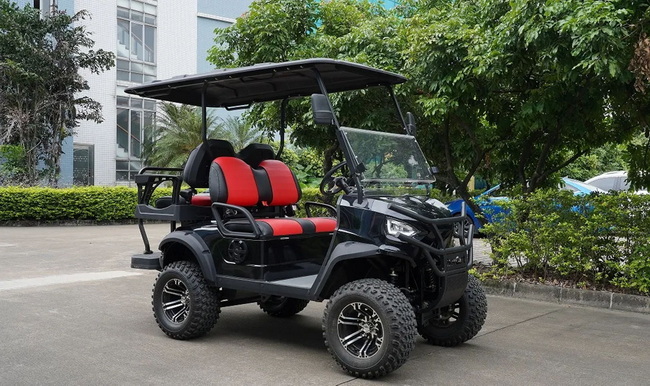
A golf buggy is a compact, low‑speed vehicle designed to carry golfers, passengers, and clubs around a course or resort area. The typical golf buggy uses an electric or gasoline powertrain that delivers quiet operation, modest acceleration, and enough range for at least a full round. The design of a modern golf buggy focuses on stability, comfort, and ease of use rather than high performance or top speed.
A golf buggy can also serve broader transport roles in hotels, theme parks, residential communities, and industrial facilities. In these environments, the golf buggy remains limited to controlled speeds and specified routes to protect pedestrians and other road users. No matter where it is used, the golf buggy aims to provide convenient mobility with minimal environmental impact.
Most drivers can operate a golf buggy after only a short briefing because the controls closely resemble those of a small car. Before moving, the driver should always take a moment to identify every critical control and understand its function. This simple preparation prevents confusion and makes the golf buggy easier to handle in tight spaces or on slopes.
Familiarity with steering, pedals, and the direction selector is essential, but secondary controls such as lights and horns also matter. Once these elements become second nature, driving a golf buggy feels relaxed and stress‑free even for complete beginners.
The steering wheel on a golf buggy operates the front wheels and determines how sharply the vehicle turns. Drivers should keep both hands on the steering wheel in a balanced position to maintain stable control over the golf buggy, especially on rough ground. Because a golf buggy usually has a short wheelbase and narrow track compared with a car, smooth steering inputs help keep the ride comfortable and safe.
Two primary pedals sit at the driver's feet: the accelerator and the brake. Pressing the accelerator pedal gradually increases the speed of the golf buggy, while releasing it allows the buggy to slow down naturally or come to a stop in some electric models. The brake pedal provides more decisive stopping power and should be applied firmly yet smoothly, especially when the golf buggy travels downhill or carries a full load of passengers.
Instead of a traditional gearshift, most golf buggy designs use a simple forward–neutral–reverse selector. The driver chooses the direction before pressing the accelerator so the golf buggy moves predictably. Changing between forward and reverse while still rolling can damage the drivetrain and should always be avoided.
Many golf buggy models use a key switch for ignition: inserting the key and turning it to the “ON” position energizes the system. Some newer buggies also use buttons or card‑based systems, but the principle remains the same—only authorized users should be able to power up the golf buggy. Once switched on, the dashboard may display indicators for battery level, fault warnings, and light status.
Where lights and signals are fitted, they provide extra safety in low‑light or mixed‑traffic environments. Headlights help the driver see the path ahead and make the golf buggy more visible, while brake lights alert following traffic when the buggy slows. Turn indicators or hazard lights, when available, allow the driver to communicate changes in direction clearly. Proper use of these features ensures that the golf buggy integrates safely with pedestrians, cyclists, and other vehicles.
Before driving any golf buggy, a short pre‑drive inspection helps catch minor issues before they become hazards. Even though a golf buggy moves at low speed, poor maintenance, flat tires, or loose loads can still lead to accidents. A quick walk‑around and cabin check typically take less than a minute but provide peace of mind for both driver and passengers.
These checks are especially important for shared or rental fleets because multiple users may not report problems immediately. Treating every golf buggy with professional care ensures consistent performance and long service life.
Begin by walking around the golf buggy and visually inspecting the tires. Look for obvious damage, severe wear, or very low pressure, all of which can affect stability and steering precision. Proper inflation helps the golf buggy maintain traction on grass, gravel, or paved paths, particularly on slopes.
Next, check that no parts of the golf bags, straps, or accessories hang outside the vehicle where they could catch on branches, posts, or other obstacles. Confirm that the roof supports, windshield, and mirrors are secure and uncracked. If anything looks unstable or badly damaged, the golf buggy should be reported and not driven until repaired.
On electric golf buggy models, battery charge is critical. The gauge should indicate enough power to complete your planned route with a safe margin. A severely low battery can reduce acceleration and hill‑climbing capacity, and may leave the golf buggy stranded on the course.
Test the brake pedal in a safe location before picking up speed. A firm, predictable response shows that the hydraulic or mechanical system is functioning properly. If the golf buggy pulls sharply to one side, makes grinding noises, or requires extreme pedal effort, it should not be used. Finally, gently turn the steering wheel from side to side at low speed to confirm the front wheels respond smoothly without unusual looseness.
Some golf buggy configurations include seatbelts, particularly on street‑legal or higher‑speed versions. When belts are present, all occupants should fasten them before the buggy moves. Even at modest speeds, sudden stops or sharp turns can throw unrestrained passengers sideways.
Passengers must sit fully on the seat, facing forward, with hands, arms, and legs inside the vehicle at all times. Standing, riding on the back, or hanging off the side dramatically increases the risk of falls and injury. The driver should not move the golf buggy until every passenger is seated securely and ready.
Starting and moving a golf buggy for the first time should always happen in an open, flat area with no immediate obstacles. This controlled environment allows the driver to build confidence in the way the golf buggy accelerates, turns, and stops. Once basic handling feels natural, the driver can gradually progress to regular paths and fairways.
Patience at the learning stage pays dividends later, when tight spaces, slopes, or busy areas demand calm control.
First, sit in the driver's seat and adjust your position for comfortable reach to the steering wheel and pedals. Ask passengers to sit properly and secure any loose bags or equipment. Insert the key or activate the power control so the golf buggy systems come online.
Next, set the direction selector to “Forward” while keeping your foot firmly on the brake. Check the surroundings carefully, making sure the path ahead is clear of people, clubs, or other vehicles. Gently release the brake and apply light pressure to the accelerator pedal until the golf buggy begins rolling. Maintain both hands on the steering wheel and keep your speed low until you become familiar with the responsiveness of the buggy.
Smooth inputs are the hallmark of a skilled golf buggy driver. Instead of stamping on the accelerator, gradually increase pedal pressure so the vehicle gathers speed in a controlled manner. This approach improves passenger comfort and reduces turf damage from unnecessary wheelspin.
When slowing, anticipate stops early. Gently lift off the accelerator and apply the brake progressively rather than waiting until the last moment. On downhill sections, use lower speeds from the start and avoid riding the brake continuously, which can cause overheating on some models. Always bring the golf buggy to a complete stop before switching the selector to reverse.
Turning safely in a golf buggy means slowing before the corner and steering smoothly through the entire arc. Abrupt steering at higher speed can cause the buggy to lean or feel unstable, especially on uneven or slippery surfaces.
Passengers should be reminded to hold onto the grab handles or seat edges and to remain seated during turns. The driver should scan the area for other buggies, pedestrians, and hidden hazards, especially at blind corners screened by trees or buildings. When in doubt, reduce speed and give yourself extra space.
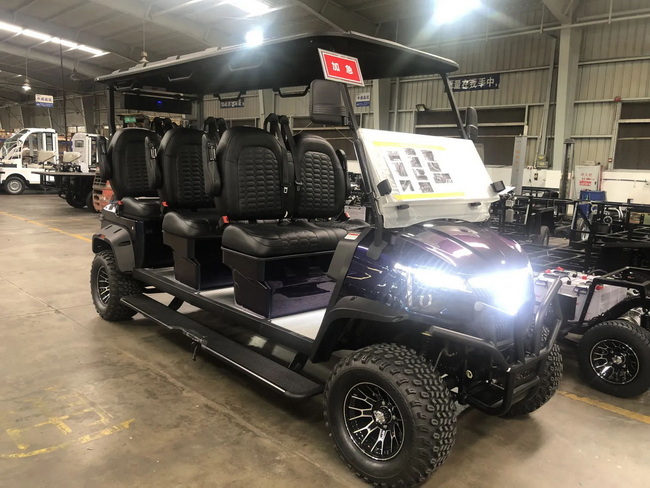
Once the driver is comfortable with basic handling, the next priority is respecting course rules and golf etiquette. The way a golf buggy is driven has a direct impact on turf quality, playing pace, and other golfers' enjoyment. Responsible driving keeps everyone safe and protects the course investment.
Most clubs publish specific guidelines for golf buggy use, and these should always be followed as the top authority on that property.
Golf courses often mark designated cart paths that guide where a golf buggy should travel. Using these paths whenever possible reduces wear on fairways and sensitive areas. Drivers should avoid taking shortcuts across tees, approaches, and green surrounds, where repeated traffic can quickly cause damage.
Signs like “Cart Path Only,” “No Carts Beyond This Point,” or “Keep Buggies Away from Greens” must be observed without exception. Many courses also apply the “90‑degree rule,” in which the golf buggy is driven on the path until level with the ball and then turned at a right angle across the fairway. Adhering to such instructions balances convenience with course protection.
Hilly terrain demands extra care. When climbing or descending slopes, keep the golf buggy pointed straight up or down rather than across the hill to reduce the risk of tipping. Maintain a steady, moderate speed and avoid sudden braking that could cause the wheels to lock or slide.
Wet or muddy ground requires even more caution. Driving a golf buggy through saturated turf can leave ruts, tear up grass, and quickly bog the wheels. Stay well back from lakes, creeks, and steep banks, giving yourself room to maneuver if the surface becomes slippery. In extremely wet conditions, courses may prohibit buggy use altogether, and these restrictions should always be respected.
Golf is a social game, and golf buggy drivers share the paths with walkers, maintenance staff, and other vehicles. Giving way to pedestrians and keeping reasonable distance from groups ahead maintains harmony on the course. When approaching players who are about to hit, stop the buggy far enough away that engine noise or movement will not distract them.
Parking positions also influence flow. The golf buggy should be left behind or to the side of the green, oriented toward the next tee so that the group can leave quickly after finishing the hole. Avoid blocking paths or parking in narrow pinch points where other buggies must squeeze past.
In resorts, gated communities, and some tourist destinations, the golf buggy doubles as a convenient neighborhood vehicle. While the buggy may feel casual, driving it on public or semi‑public roads generally brings additional responsibilities. Local regulations often treat a golf buggy much like any low‑speed vehicle, meaning traffic rules still apply.
Before driving off the course, the driver should confirm that the specific golf buggy is approved and equipped for such use, including lights, mirrors, and sometimes license plates.
On shared roads, the golf buggy must obey the same basic rules as cars: stopping at stop signs, yielding to pedestrians at crossings, and following lane markings. Posted speed limits still apply, even if the golf buggy physically cannot reach higher speeds. The driver should always assume that other road users may underestimate the buggy's presence, making defensive driving essential.
In many jurisdictions, a valid driver's license is required to operate a street‑legal golf buggy. Insurance, registration, and vehicle inspections may also be necessary. Ignoring these requirements can result in fines or restrictions on golf buggy use in the area.
Low‑light or bad‑weather conditions amplify the risks associated with driving a golf buggy. Visibility decreases, surfaces become slippery, and other vehicles may have trouble seeing the buggy. As a rule, golf buggy use at night or in heavy rain should be minimized or avoided whenever possible.
If night driving is permitted and truly necessary, the driver must ensure that headlights, brake lights, reflectors, and indicators are functioning correctly. Reduced speed, greater following distance, and heightened awareness are crucial in such conditions. In fog, strong winds, or thunderstorms, the safest course of action is usually to park the golf buggy and wait.
Even at low speeds, the way passengers sit and gear is loaded has a strong effect on golf buggy safety. A responsible driver treats every journey with the same respect as driving a compact car, especially when children or older adults are on board. Simple discipline in seating and cargo placement greatly reduces the chance of falls, collisions, or tipping.
The golf buggy's design assumes occupants sit where intended and loads are kept within rated limits. Overloading or improper seating undermines that design and should be avoided.
All passengers must sit fully on the bench or individual seats with their feet on the floor. Standing on the rear step, leaning out for fun, or sitting on the back rail invites accidents if the golf buggy stops suddenly or hits a bump. The driver should clearly explain that staying seated is not optional but a core safety rule.
Children, in particular, may be tempted to move around while the buggy is in motion. The driver must ensure they understand the importance of staying seated with hands and feet inside. No child should be allowed to steer or operate pedals while the golf buggy moves, even under supervision.
Golf equipment should be placed in the dedicated bag well or cargo bed so the golf buggy remains balanced. Heavy items piled on one side can shift the center of gravity and affect handling. When possible, straps or clips should be used to prevent bags from bouncing or sliding out over uneven ground.
The combined weight of passengers and cargo must not exceed the manufacturer's recommended capacity. Overloading stretches brakes, suspension, and frame strength beyond intended limits. The driver should be prepared to make multiple trips rather than attempting to carry excessive loads in a single run.
Many golf buggy incidents stem from simple, avoidable errors. Recognizing these common mistakes helps drivers build safer habits from the very first trip. Rather than focusing on tricks or speed, the priority should always be control, awareness, and respect for rules.
Consistent good practice protects people, property, and the golf buggy itself from unnecessary damage.
One of the most frequent mistakes is driving too fast, particularly on slopes, curves, or rough ground. The combination of narrow track width and high center of gravity means the golf buggy can feel stable right up until it suddenly is not. Keeping speeds moderate provides more time to react and reduces the chance of tipping.
Show‑off maneuvers such as spinning, hard swerves, or sudden braking might look entertaining but place occupants at significant risk. Likewise, driving under the influence of alcohol or drugs dramatically impairs judgment and reaction time. A golf buggy may be small, but it can still cause serious harm if misused.
Improper parking creates hazards for both the buggy and others. Leaving the selector in forward or reverse, failing to secure the parking brake, or stopping on steep slopes can allow the golf buggy to roll away unexpectedly. When parking on an incline, turning the wheels slightly toward a curb or solid obstacle adds an extra layer of safety.
At the end of a round or shift, the driver should park the golf buggy in the designated area, switch off the power, remove the key, and, for electric models, connect the charger if required. Reporting any unusual noises, handling issues, or minor damage helps maintenance teams correct problems before the next user takes the wheel.
Driving a golf buggy safely blends simple vehicle control with thoughtful awareness of surroundings, course rules, and passenger needs. By understanding the controls, performing quick pre‑drive checks, and respecting paths, slopes, and signage, any driver can enjoy the convenience of a golf buggy without compromising safety. Treating the golf buggy with the same seriousness as a road vehicle—avoiding risky habits, obeying local laws, and loading it correctly—ensures that every trip is smooth, efficient, and enjoyable for both golfers and their companions.
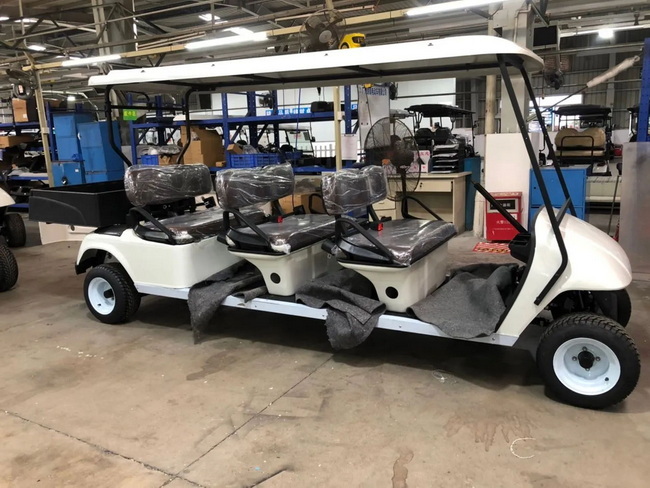
Most standard course‑use golf buggy models travel at around 11–15 miles per hour under normal conditions. This speed range balances efficient movement around the course with manageable stopping distances and stable handling. Some street‑legal or resort‑specific versions may be configured slightly faster, but they still remain firmly in the low‑speed category for safety reasons.
On private golf courses, formal driver's licenses are not always required, although many clubs impose minimum age or experience rules for operating a golf buggy. The facility's policies take priority, so new drivers should check with the clubhouse before taking the wheel. On public streets or within regulated communities, local law may require a valid driver's license, registration, and adherence to normal traffic rules when driving a golf buggy.
A golf buggy can usually be driven in light rain as long as the driver reduces speed, brakes earlier, and treats slopes with extra caution. Wet turf or pavement requires more distance to stop and can make turns slippery. In heavy rain, storms, or very poor visibility, many courses limit or suspend golf buggy use to protect both safety and turf conditions. When conditions are severe, it is wiser to park the buggy and wait for improvement.
Children can ride safely in a golf buggy if strict seating and behavior rules are followed. They must sit properly on the seat, keep arms and legs inside, and avoid distracting the driver. An adult should always control the steering and pedals, and children should never stand in the moving buggy or ride on the rear step. By treating the golf buggy like any other motor vehicle, families can enjoy safe and comfortable rides together.
The best place to park near a green is on a path or firm turf behind or to the side, oriented toward the next tee. This position allows the group to clear the area quickly once putting is complete, keeping play flowing smoothly. The golf buggy should never be driven onto the putting surface or left on soft approaches, bunker edges, or sprinkler heads, as these locations are vulnerable to damage and can obstruct other players.


