


Views: 222 Author: Leah Publish Time: 2025-12-24 Origin: Site


Content Menu
● Understanding Electric vs Gas Golf Carts
● Gas vs Electric Golf Cart Features
● Is Converting an Electric Golf Cart Right for You?
● Tools, Skills, and Safety Requirements
● Core Components for a Conversion
● Step‑by‑Step Conversion Overview
>> Step 2: Remove Electric Components
>> Step 3: Build and Install Engine Mounts
>> Step 4: Connect the Drivetrain
>> Step 5: Build the Fuel System
>> Step 6: Exhaust, Cooling, and Airflow
>> Step 7: Wiring and Controls
>> Step 8: Initial Testing and Fine‑Tuning
● Ongoing Maintenance After Conversion
● Alternatives to Converting an Electric Golf Cart
● FAQ
>> 1. Is it worth converting an electric golf cart to gas?
>> 2. How much does it typically cost to convert an electric golf cart to gas?
>> 3. Is a converted gas electric golf cart street legal?
>> 4. How does a converted gas cart compare to a high‑power electric golf cart?
>> 5. Does converting an electric golf cart to gas harm the environment?
Converting an electric golf cart to gas power is a complex custom project that can deliver more torque, longer operating range, and quick refueling, but it requires serious mechanical skills, tools, and strict attention to safety and local regulations. Many owners also discover that upgrading or replacing an electric golf cart is simpler and sometimes cheaper than a full conversion, so the decision should be made carefully.[1]
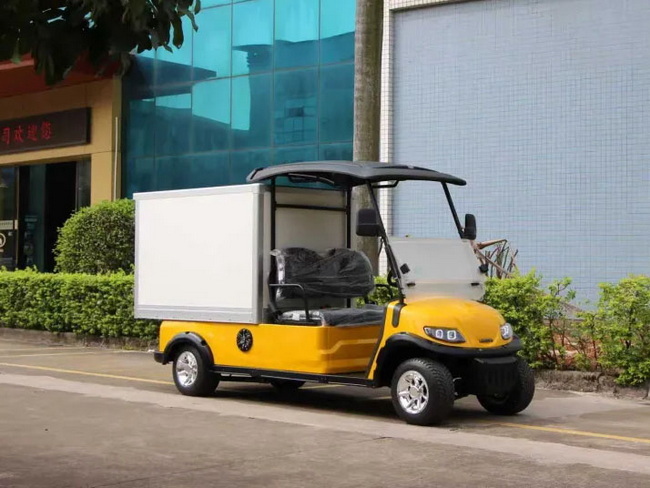
An electric golf cart uses a battery pack, controller, and electric motor to move, while a gas cart relies on an internal combustion engine fueled by gasoline. Electric golf carts are quieter, cleaner, and often cheaper to run, but gas power can offer continuous operation as long as fuel is available.[2][3]
From a user's perspective, choosing between an electric golf cart and a gas cart comes down to how and where the vehicle will be used. Frequent long‑distance driving, heavy loads, and hilly terrain may favor a gas setup, while neighborhoods, resorts, and golf courses usually prefer the smooth, quiet operation of an electric golf cart.[4][2]
Gas carts and electric golf carts each have clear strengths and weaknesses that influence whether a conversion is worthwhile. Understanding these differences helps set realistic expectations for a gas‑powered build.
- A typical electric golf cart offers low noise, instant torque, and straightforward maintenance centered on batteries and charging.[2][4]
- Gas carts bring familiar refueling, strong torque at low speed, and the ability to run all day without long charging breaks, at the cost of higher emissions and more maintenance.[3][2]
Feature | Electric golf cart | Gas golf cart |
Power source | Batteries and electric motor. | Gasoline engine and fuel system. |
Operating noise | Very quiet and smooth. | Notably louder, with vibration. |
Routine maintenance | Battery water levels, terminals, occasional replacements. | Oil, filters, belts, spark plugs, carburetor, and fuel system. |
Emissions | No exhaust at point of use. | Produces exhaust gases and odor. |
Range and refueling | Limited by battery capacity; needs charging time. | Runs as long as fuel is available; quick refueling. |
Best use cases | Neighborhoods, golf courses, resorts, indoor or quiet areas. | Farms, hunting, hills, long routes, heavy towing. |
Before modifying an electric golf cart, it is important to clarify your objectives. Some owners want more climbing ability, others want to avoid investing in new batteries, and some simply enjoy custom fabrication.[1]
Consider the following questions:
- Is the existing electric golf cart frame structurally sound, without major rust or cracks?
- Do local rules allow gas‑powered carts in the areas where you plan to use the vehicle?
- Would a more powerful, fully electric golf cart or a factory gas model better fit your budget and time constraints?[1][2]
Many experienced builders point out that by the time you buy a quality engine, clutch, fuel system, mounts, and hardware, the investment can rival the price of a decent used gas cart or a performance‑upgraded electric golf cart.[1]
A gas conversion asks a lot from the builder, especially when starting with an electric golf cart. This is not a simple bolt‑on accessory but a full powertrain swap that affects structure, braking, and handling.[5][1]
Key requirements often include:
- Intermediate to advanced mechanical skills, including engine installation, alignment, and drivetrain setup.
- Ability to fabricate brackets, modify mounting points, and possibly weld engine cradles or supports for the old electric golf cart chassis.[5][1]
- Understanding of basic electrical wiring to adapt ignition, starting systems, and accessories that once depended on the original electric golf cart components.[1]
Personal safety is critical when working around gasoline and high‑torque drivetrains. Always support the electric golf cart securely on stands, wear eye and hand protection, and avoid open flames near fuel.[6]
Every project looks a bit different, but several components are almost always required when transforming an electric golf cart into a gas‑powered machine.[7][5][1]
- A suitable small gasoline engine, usually 8–13 horsepower or a larger industrial engine for demanding use.
- Engine mounting cradle or subframe that ties securely into the electric golf cart chassis.
- Fuel tank, fuel lines, fuel filter, and fuel pump if needed.
- Clutch or torque converter and belts that connect the engine to the original electric golf cart differential or axle.[8][5]
- Exhaust parts, intake routing, throttle cable, and 12 V electrical hardware for starting and accessories.[5][1]
Choosing high‑quality parts and hardware can significantly improve reliability and reduce vibration, which protects the repurposed electric golf cart frame and suspension over time.[1]

Though details vary by brand, most electric golf cart to gas projects follow a similar flow: planning, stripping, mounting, connecting, and testing.[7][5][1]
Planning begins by examining the available space in the electric golf cart. Measure the battery compartment, motor tunnel, and surrounding frame members.[5][1]
- Compare the engine's length, width, and height with the internal dimensions of the electric golf cart body and frame.
- Leave room for carburetor, air filter, exhaust routing, and access for service.
- Decide where the fuel tank and 12 V battery will sit so that weight distribution remains stable and the electric golf cart still handles predictably.[1]
A cardboard mock‑up of the engine or simple templates can help visualize clearances inside the electric golf cart before any metal cutting is done.
The next move is safely stripping away the original electric golf cart drivetrain.[7][5][1]
- Disconnect and remove the battery pack, using care with heavy units and proper handling of cables.
- Remove the high‑amperage controller, contactor, and wiring harness that fed the motor.
- Unbolt and extract the motor from the rear of the electric golf cart, noting how it connects to the differential for future adaptation.[5][1]
Once the electric golf cart is bare, inspect the frame, crossmembers, and suspension mounting points. Fixing cracks or corrosion now avoids trouble later when the new gas engine introduces vibration and added weight.
The engine mount system is one of the most important parts of the transformation of an electric golf cart.[9][5][1]
- Design a cradle or plate that bolts into existing frame points or reinforced areas of the electric golf cart structure.
- Ensure that the engine output shaft lines up with the input of the differential or planned jackshaft.
- Consider rubber isolators or bushings to reduce vibration transmitted into the electric golf cart body and seats.[1]
Test‑fit the engine repeatedly, with the body lowered if possible, to ensure that the hood or rear cover closes, and that maintenance tasks remain practical.
Once the engine sits securely in the former electric golf cart frame, power must be transmitted effectively.[10][8][5]
- Install an appropriate clutch or torque converter on the crankshaft, matching diameter and keyway to the engine.
- Align a drive belt to the differential input or to an intermediate jackshaft feeding the original electric golf cart rear end.
- Spin the system manually to verify that nothing binds or rubs and that the belt tracks in a straight line under the electric golf cart body.[8][5]
Poor alignment can cause excessive belt wear, vibration, and stress on bearings, shortening the life of the converted electric golf cart.
A safe, reliable fuel system is essential when replacing the original battery pack of an electric golf cart.[7][5][1]
- Mount the tank where it is shielded from road debris and impacts, often above or ahead of the engine area inside the electric golf cart frame.
- Run fuel line from the tank outlet through a filter and, if required, a pump to the carburetor.
- Keep lines away from hot exhaust components and secure them with clamps so vibrations from the electric golf cart do not cause wear points.[7][1]
A well‑vented cap and proper routing prevent vapor buildup and reduce the chance of leaks while the converted electric golf cart is in motion.
Gasoline engines generate significant heat and require steady airflow, which changes how the former electric golf cart shell behaves.[9][5][1]
- Fabricate or select a muffler and pipes that send exhaust to the rear or side, away from passengers and plastic bodywork.
- Use heat shields around close panels or near the fuel tank, especially in compact electric golf cart bodies where clearance is tight.[1]
- Provide ventilation via louvers or openings if the compartment traps hot air, as consistent cooling helps engine longevity in the repowered electric golf cart.[1]
A thoughtfully laid out exhaust can also reduce noise, which may be important in residential or resort environments.
Although the high‑voltage system is gone, the converted electric golf cart still needs low‑voltage power and driver controls.[9][5][1]
- Install a 12 V battery and connect it to ignition switch, starter (if equipped), and any relays used for accessories.
- Run a new throttle cable from the pedal assembly of the electric golf cart to the engine, ensuring full travel and smooth return.
- Reuse or replace lighting circuits so that headlights, brake lights, and horn function correctly from the new 12 V supply.[5][1]
Reliable controls make the converted electric golf cart more predictable and safer for daily use.
Careful testing protects both the new parts and the old electric golf cart chassis.[7][5][1]
- Warm the engine at idle and listen for unusual sounds or leaks around fuel lines, exhaust joints, and engine mounts.
- With the rear wheels off the ground, run the drivetrain and watch belt tracking, then progress to low‑speed driving.
- Adjust idle, mixture, belt tension, and throttle linkage until the electric golf cart accelerates smoothly and returns to idle without creeping.[5][1]
After a few hours of use, bolts, mounts, and clamps should be re‑torqued because vibration may loosen fasteners on the converted electric golf cart.
Switching from an electric golf cart to gas changes the long‑term maintenance schedule.[4][3][2]
- Oil changes, air filter cleaning, and spark plug inspection become regular tasks, along with occasional carburetor checks.
- Fuel system components, especially lines and filters, should be monitored for aging and replaced on a routine schedule.
- Belt, clutch, and mount inspections help the converted electric golf cart stay safe and quiet over years of operation.[3][4]
Owners who previously enjoyed the low‑maintenance nature of an electric golf cart must be prepared for this increased workload.
Before committing to major fabrication, it is wise to compare different upgrade paths. In many cases, staying with an electric golf cart and improving its components provides a better balance of performance, noise, and cost.[11][1]
Popular alternatives include:
- Upgrading to higher‑capacity batteries or lithium packs, which can significantly extend the range of an electric golf cart.
- Installing a more powerful motor and matched controller kit, often marketed as performance packages for various brands of electric golf cart.[11]
- Purchasing a factory gas cart if constant heavy use and long routes are part of everyday needs.[1]
These options keep or acquire a purpose‑built platform rather than heavily reworking an existing electric golf cart.
Converting an electric golf cart to gas is a substantial engineering project that involves removing the electric drivetrain, installing and aligning a gasoline engine, fabricating mounts, and integrating complete fuel, exhaust, and control systems. When executed properly, this kind of build can deliver a durable, high‑torque machine that runs as long as fuel is available, giving a second life to an aging electric golf cart chassis.[9][7][5][1]
However, the project demands time, tools, and experience, plus a willingness to accept greater noise, emissions, and maintenance compared with an original electric golf cart. Many owners find that modern battery and controller upgrades keep an electric golf cart quiet, strong, and efficient without the complexity of a gas swap. Carefully weighing these trade‑offs, along with budget and legal considerations, ensures that the final decision—whether to convert, upgrade, or purchase—truly matches long‑term goals for performance, convenience, and comfort.[11][3][2][1]

For enthusiasts who enjoy fabrication and already own a solid chassis, converting an electric golf cart can be rewarding and deliver impressive power and range. Yet, once parts, tools, and time are counted, a used gas cart or upgraded electric golf cart often ends up similar in overall cost, so the project usually makes sense for customization and hobby value rather than pure savings.[12][2][1]
A home‑built project can range from several hundred to a few thousand dollars, depending on the engine size, quality of mounts, and whether you reuse existing parts from the electric golf cart. Professional labor easily adds more, sometimes making a factory gas cart or a high‑performance electric golf cart kit a more economical or predictable option.[12][7][5][1]
Street legality depends entirely on local regulations that govern low‑speed vehicles and modified carts, including noise and emissions rules. Many jurisdictions require specific safety equipment such as lights, reflectors, mirrors, and sometimes seat belts and registration before a converted electric golf cart can be used on public roads.[6][1]
A gas‑powered build offers long running time and easy refueling, which is ideal for long routes or remote areas. Meanwhile, a high‑power electric golf cart with upgraded batteries and motor can match or exceed performance in many cases while remaining quieter, cleaner, and simpler to maintain.[11][2]
Moving from an electric golf cart to gasoline naturally increases environmental impact because the new engine burns fuel and emits exhaust gases. Owners who want to stay as eco‑friendly as possible often choose to keep an electric golf cart and invest in better batteries or efficient charging systems instead of switching to gas power.[11][3][2]
[1](https://www.langqinggolfcart.com/how-to-convert-ezgo-electric-golf-cart-to-gas.html)
[2](https://www.rootsev.com/blog/electric-vs-gas-golf-carts-a-comparative-analysis/)
[3](https://www.progressive.com/answers/gas-vs-electric-golf-carts/)
[4](https://www.golfcartgarage.com/blog/gas-vs-electric-golf-cart-which-one-is-best/)
[5](https://thegolfmine.com/convert-electric-cart-gas/)
[6](https://ezgo.txtsv.com/personal/owners/safety-information)
[7](https://golfpgachampionship.com/how-to-convert-electric-golf-cart-to-gas/)
[8](https://www.diygokarts.com/community/threads/electric-to-gas-golf-cart-conversion-need-some-help-with-clutches.26897/)
[9](https://www.langqinggolfcart.com/how-to-convert-an-electric-golf-cart-to-gas.html)
[10](https://ridereview.com/questions/how-to-convert-electric-golf-cart-to-gas-engine)
[11](https://bighorngolfer.com/blogs/a/electric-golf-cart-conversion-kits-explained)
[12](https://diamondgolfcars.com/are-electric-or-gas-golf-carts-better/)


